Plizio Visual Lab

Mont Panié Nature Reserve
Plizio editorial teamData Sources
Forest
—°2
Mont Panié Nature Reserve (New Caledonia)

Weather…

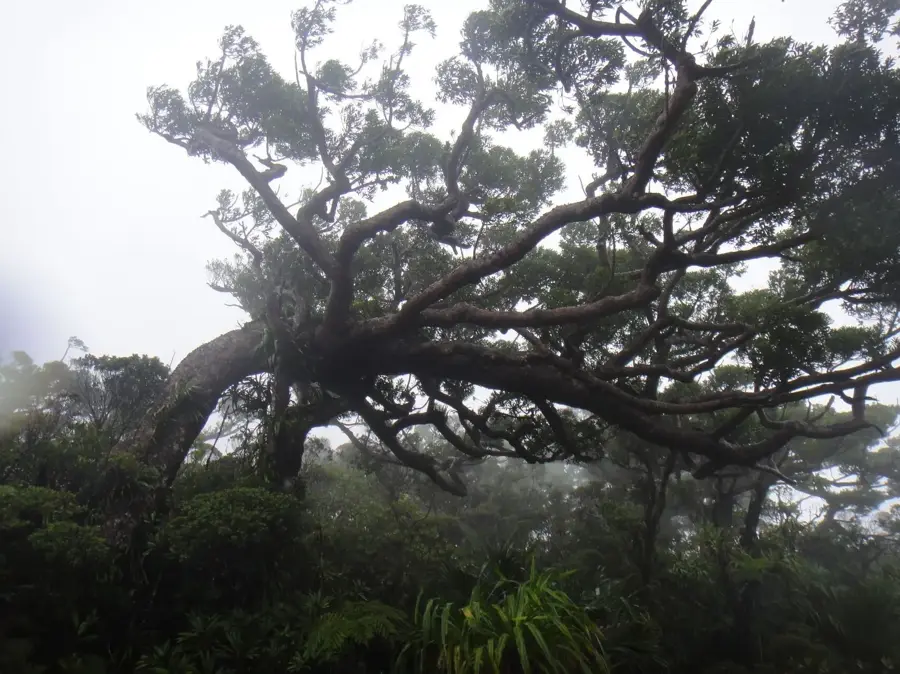
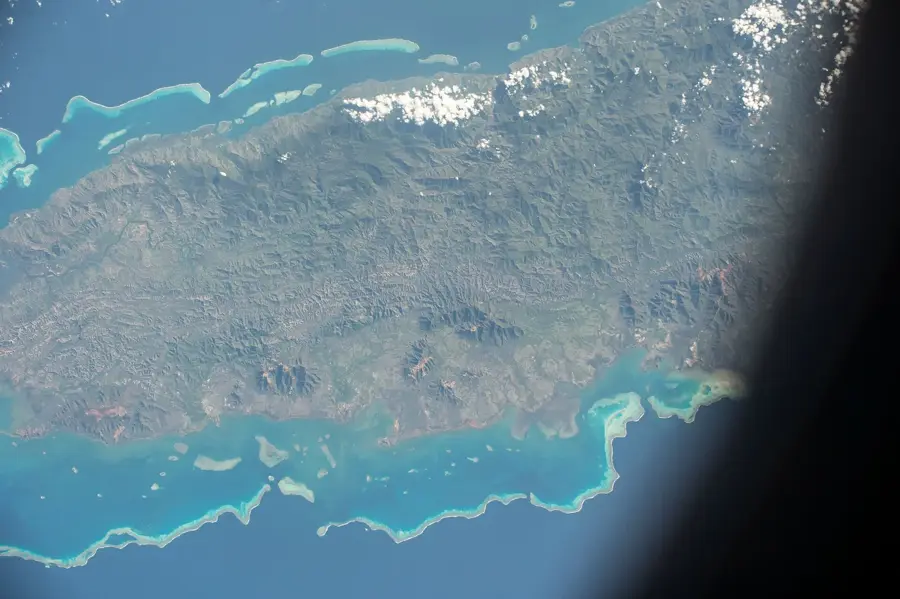
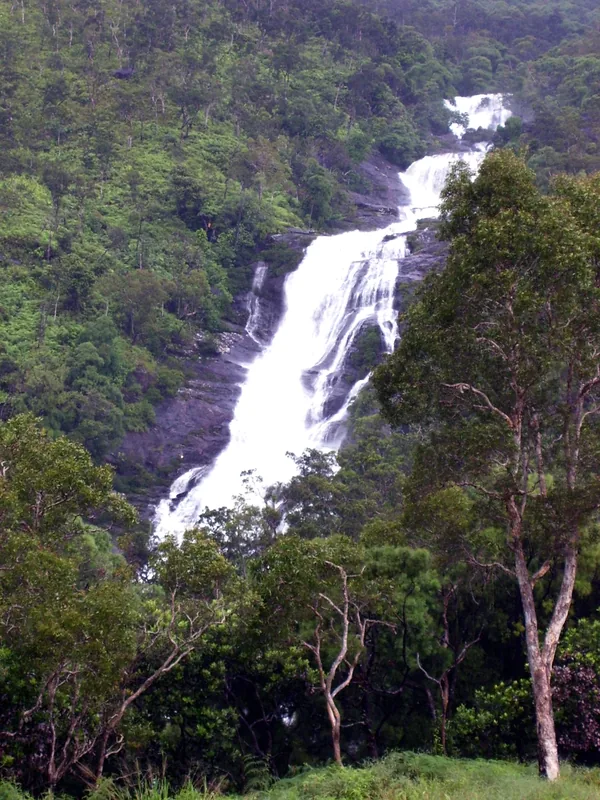
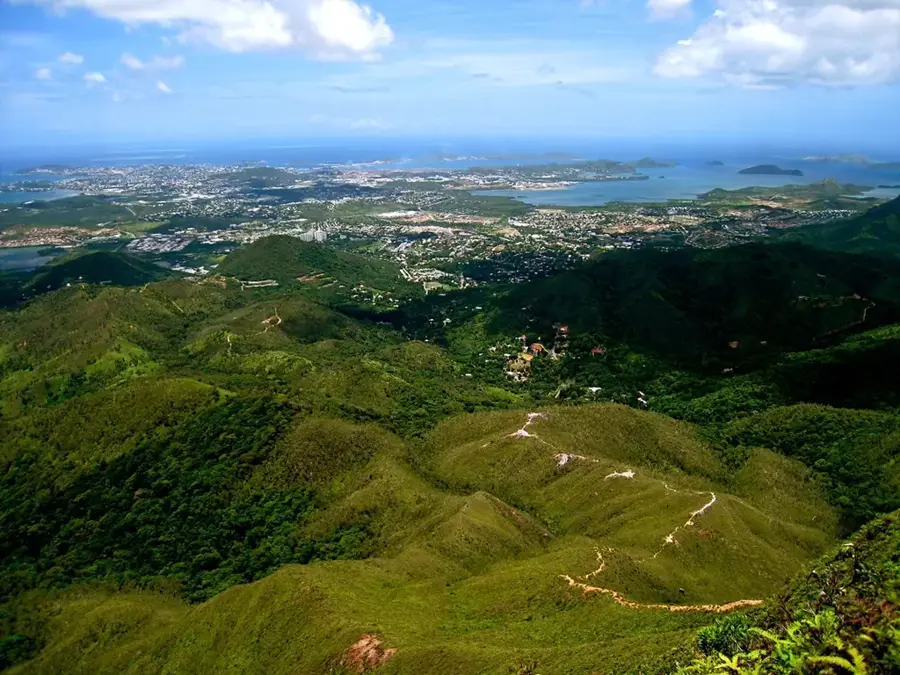
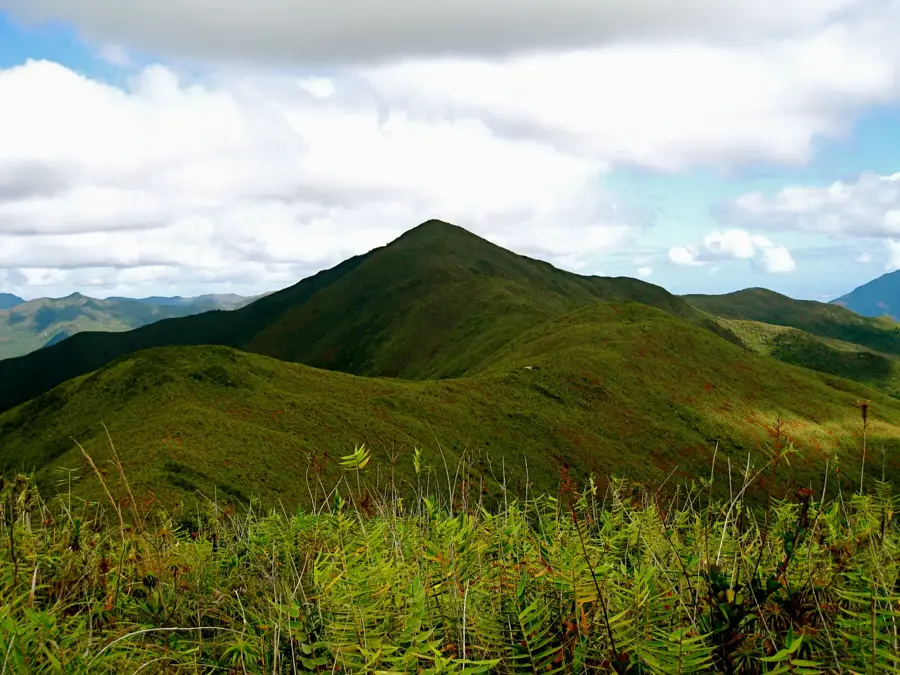
The Mont Panié Nature Reserve encompasses the highest peak in New Caledonia, rising majestically to 1,628 meters in the island's North Province. This reserve is a critical sanctuary for global biodiversity, hosting a remarkable density of endemic species that evolved in isolation over millions of years. Most famous among its flora is the Agathis montana, a rare kauri pine found exclusively on the higher slopes of this mountain range. The lush cloud forest that blankets the summit acts as a vital watershed, trapping moisture from the trade winds to feed the rivers of the valleys below. For the local Kanak people, Mont Panié is far more than a mountain; it is a sacred site deeply embedded in their spiritual traditions and ancestral heritage. While the core zone is strictly protected to safeguard its fragile ecosystem from invasive species and human impact, the surrounding trails offer intrepid hikers dramatic views and an unparalleled look at the unique botanical treasures of the archipelago.

Best time to visit & climate

The most pleasant time to visit is Jul–Sep.

JanFebMarAprMayJunJulAugSepOctNovDec
Avg °C272727262423222222242526
Rain mm162166228141102865752445477119

📋 Practical info

🧭
Getting there
Entry to the nature reserve is typically accessed via the main coastal road in the northeast, with pathways often originating near local settlements. Visitors usually need to arrange their visit with local tribal authorities, who act as the traditional guardians of the protected area.
📅
Best season
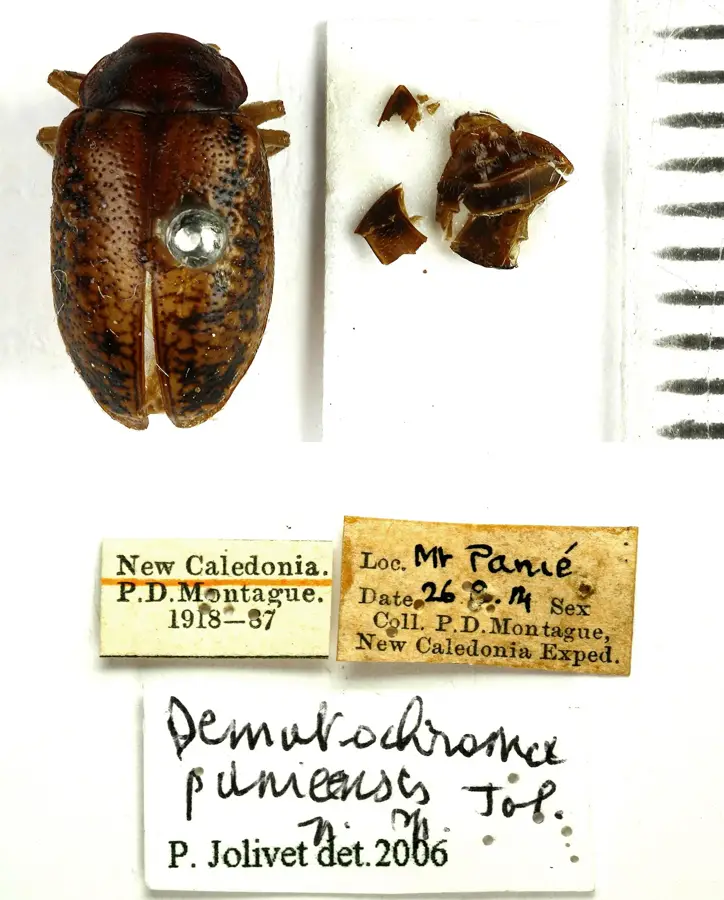
Visiting during the cooler and less humid months of the dry season, generally from May to November, has the most comfortable conditions for exploring the reserve. This period minimizes the risk of heavy downpours and provides better opportunities to observe the rare flora and invertebrates.
⛰️
Terrain & paths
The protected area encompasses a diverse range of environments, from relatively flat lower forest trails to much steeper, rugged paths leading higher up the slopes. Trails are mostly natural, often crisscrossed by prominent tree roots and occasional minor stream crossings.
🎒
What to bring
Sturdy walking shoes or reliable hiking boots are essential to comfortably handle the uneven and sometimes damp trails found within the reserve. Bringing a good camera for the endemic species, alongside insect repellent, sun protection, and a refillable water bottle, is highly recommended.
🅿️
Parking
Parking is generally available near the main access points or adjacent to the local villages that serve as the gateway to the protected forested area. It is typically an informal arrangement, and visitors are expected to respect local guidelines on where to safely leave their vehicles.
⚠️
Safety
While the lower trails are relatively straightforward, the dense vegetation and potential for rapid weather changes mean visitors should always remain on marked paths. Using a local guide is highly advisable to avoid getting lost and to safely navigate the more challenging interior sections.
⏱️
Time needed
A typical visit focused on appreciating the biodiversity and rare flora generally lasts anywhere from three to six hours, depending on the chosen trails. Those venturing deeper into the reserve towards the higher slopes should definitely plan for a full day of rigorous exploration.

Geography

Coordinates
-20.58880, 164.77080

Facts

  • Highest point: 1628 meters above sea level
  • Establishment of the protected area in 1950
  • Presence of 13 different Araucaria species
  • Average annual rainfall exceeds 3000 mm
  • Located in the North Province of Grande Terre
  • Home to the rare endemic plant Paratrophis baillonii

Explore nearby

Notable places around

Route planner — Car & Motorhome

Where do you start? We build the route here, with stops and country notes along the way.

Vehicle
Only stops with (optional):

© OpenStreetMap contributors · OpenRouteService

Sights in the town Mont Panié Nature Reserve (2)

Mont Panié

Mont Panié, at 1628 m, is the highest mountain in New Caledonia, located in the north of the main island.

Réserve Botanique du Mont Panié

The botanical reserve protects the rare mountain vegetation around the summit of Mont Panié.

Sights nearby

Frequently asked questions

Is a guided tour necessary?
Due to the challenging terrain, a local guide is highly recommended.
What equipment do I need?
Sturdy footwear, rain protection, and sufficient supplies are essential.
What is the difficulty level of the hike?
It is a very demanding hike for experienced mountaineers.
Are there accommodations nearby?
There are simple guesthouses in the surrounding villages.
What is the best season?
The dry period between September and November provides the best visibility.
Mont Panié Nature Reserve: where is it located?
Mont Panié Nature Reserve is located in New Caledonia.
Mont Panié Nature Reserve: what is there to see?
Highlights include Mont Panié, Réserve Botanique du Mont Panié.
Mont Panié Nature Reserve: when is the best time to visit?
The most pleasant time to visit is Jul, Sep.
Mont Panié Nature Reserve: why is it worth visiting?

The Mont Panié Nature Reserve encompasses the highest peak in New Caledonia, rising majestically to 1,628 meters in the island's North Province.
View on map → The Top 50 Attractions → OpenStreetMap →
Oceania
Explore with Plizio Discover more places in Oceania
More places in New Caledonia →

Nearby cities

History & landmarks

Nature

More places