Plizio Visual Lab

Mont Tsibaï

Plizio editorial teamData Sources
peak
—°
Mont Tsibaï (New Caledonia)

Weather…

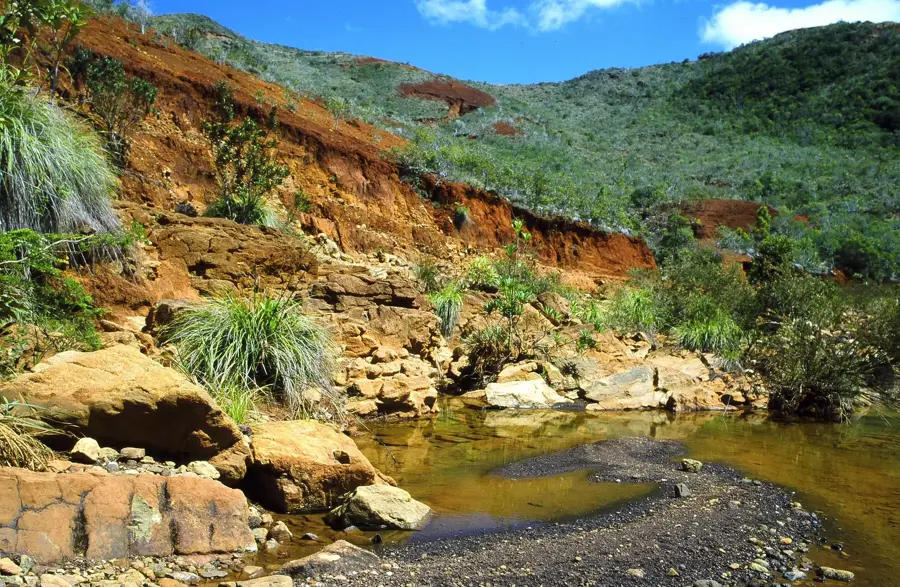
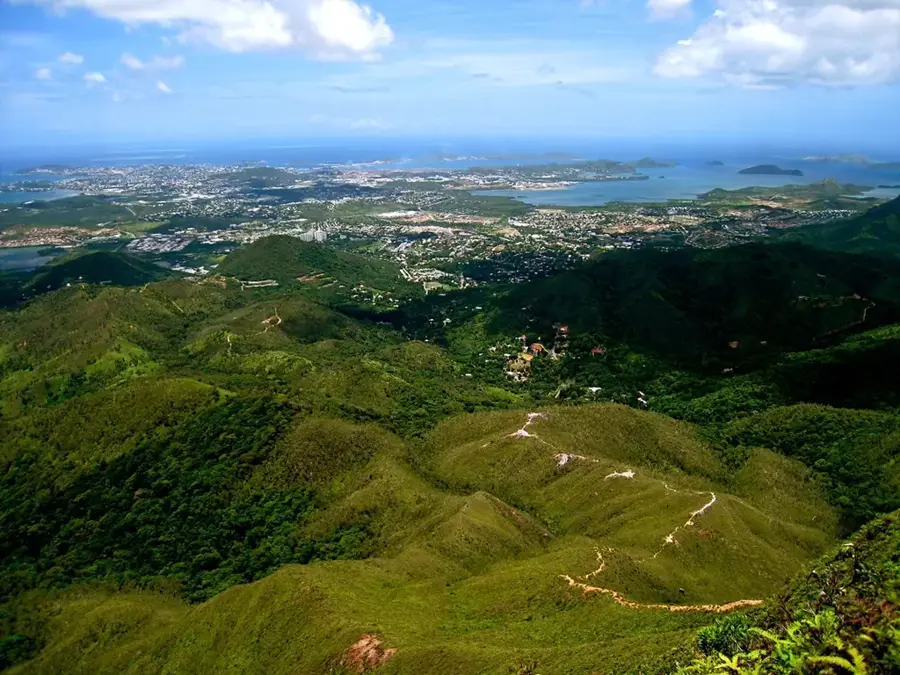
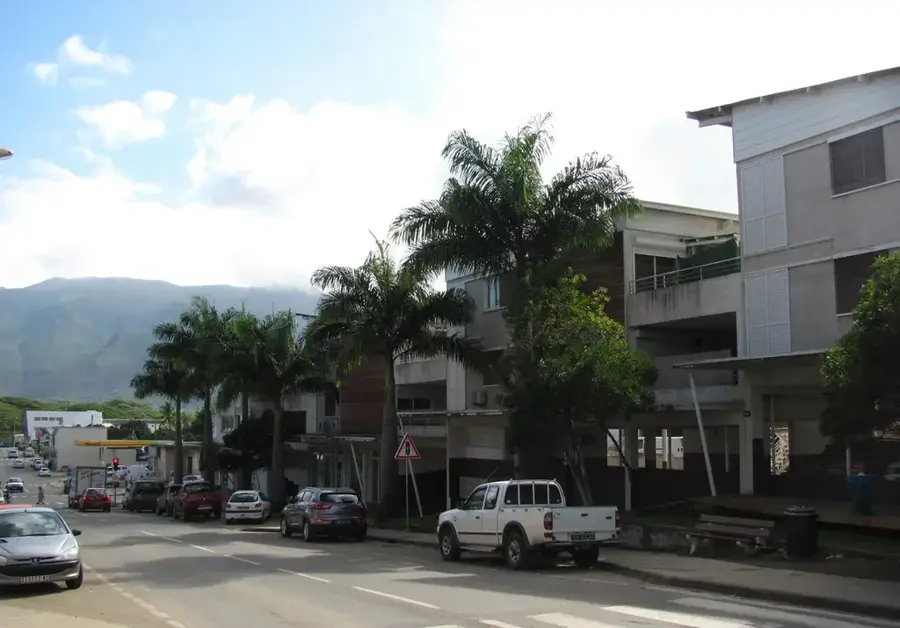
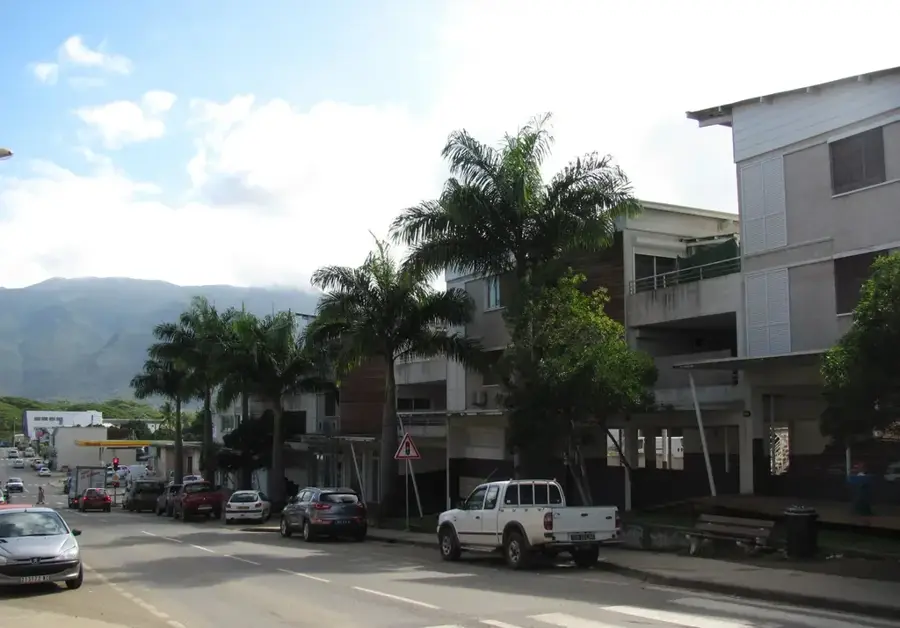
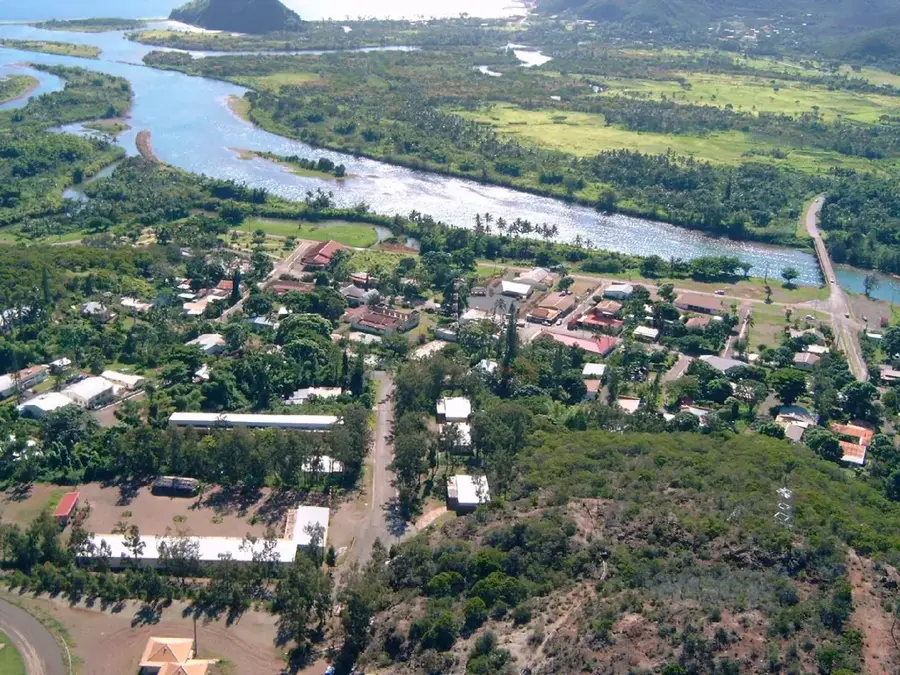
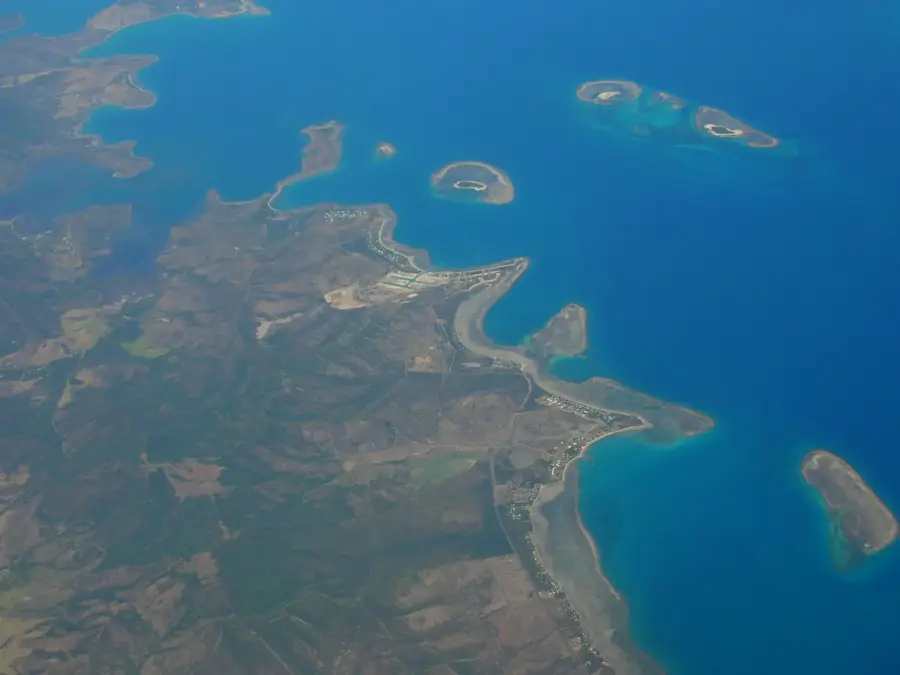
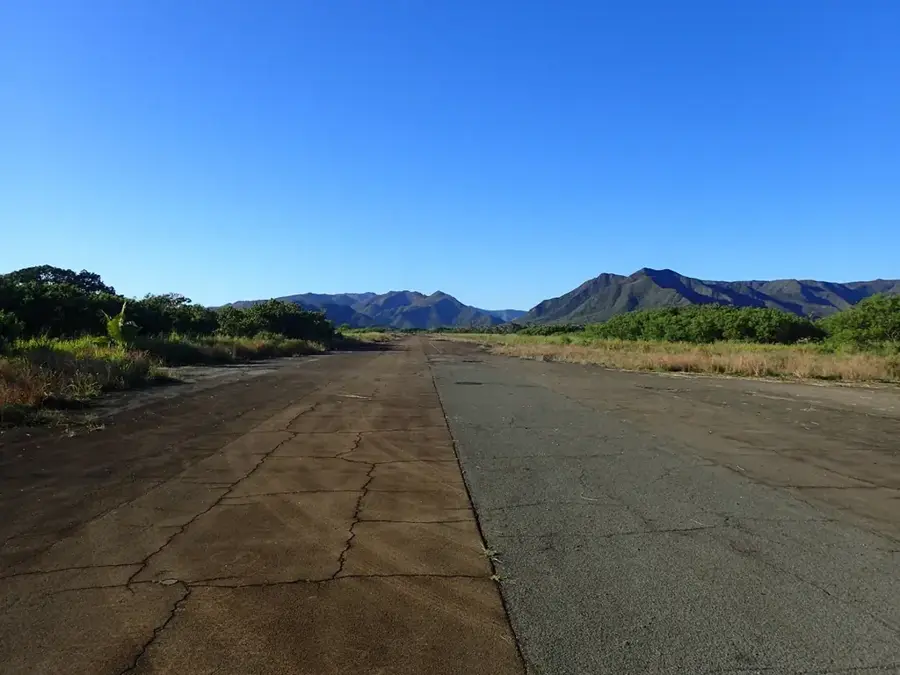
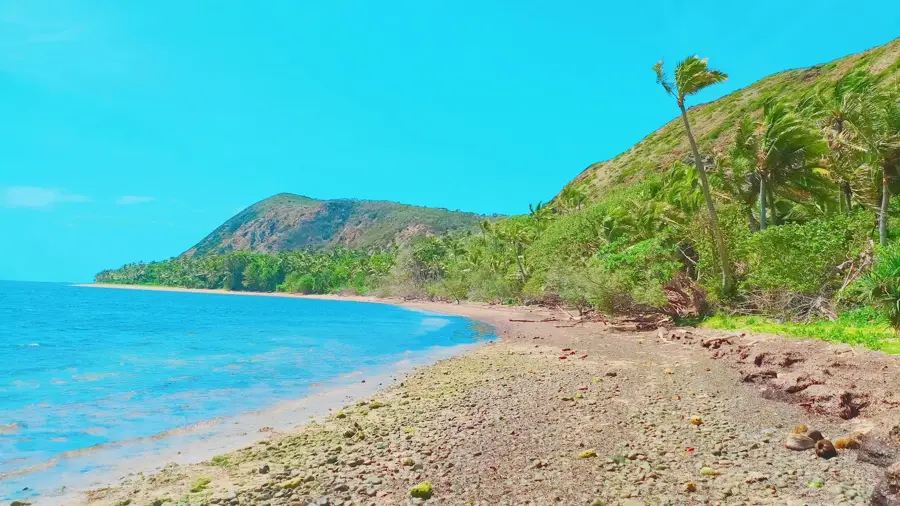
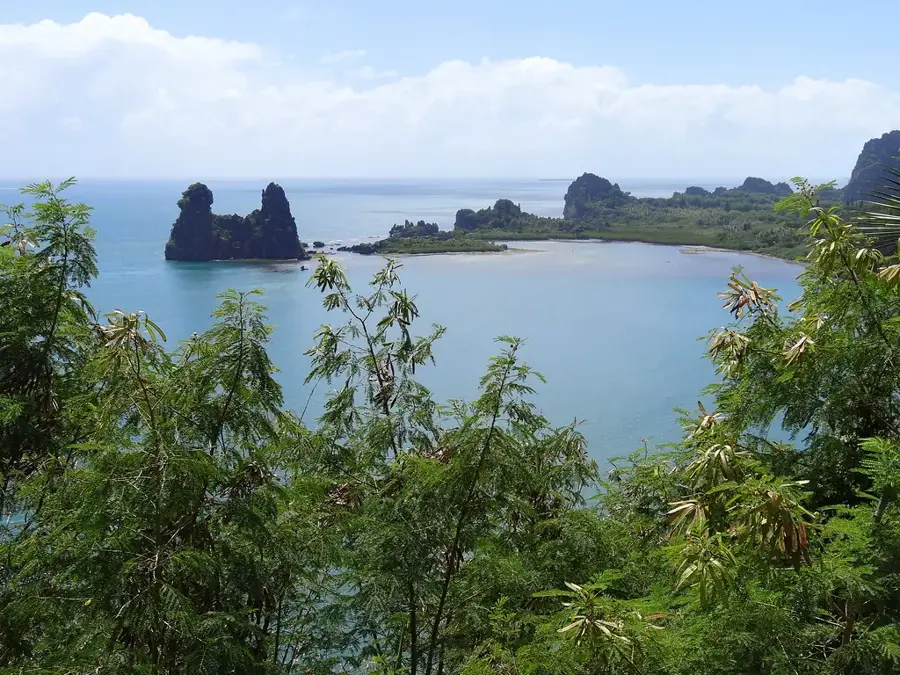
Mont Tsibaï is a prominent peak located in the northern reaches of Grande Terre, the main island of New Caledonia. Rising to an elevation of 1,184 meters, it stands out due to its sheer rocky faces and rugged topography. The mountain is primarily composed of metamorphic rock, a result of intense geological activity that shaped the island's central range. Its slopes are covered in unique vegetation, including many endemic species that thrive in the island's specialized soil conditions. Mont Tsibaï is a favored destination for experienced climbers and hikers seeking a challenging ascent away from the more frequented coastal paths. The climb requires careful navigation through dense scrubland and over rocky ridges, but the summit provides unparalleled views of the Coral Sea and the wild interior of the north. It remains an important site for ecological study and a symbol of the untamed natural beauty that defines the northern provinces of New Caledonia.

Best time to visit & climate

The most pleasant time to visit is Jul–Sep.

JanFebMarAprMayJunJulAugSepOctNovDec
Avg °C262726252322212122232526
Rain mm170172230131103875654475375120

📋 Practical info

🧭
Getting there
Journeying to this prominent mountain in the north normally involves traveling on remote, unpaved provincial roads that demand a sturdy four-wheel-drive vehicle. Finding the exact starting point often requires detailed local maps or the invaluable assistance of a knowledgeable local guide.
📅
Best season
The dry season, typically running between May and November, is the most highly recommended period for visiting, as the steep rock faces become hazardous when wet. Traveling during this cooler window also minimizes the extreme humidity that can make the strenuous climb even more taxing.
⛰️
Terrain & paths
The terrain is famously dramatic, characterized by steep rocky cliffs and challenging natural paths that demand significant scrambling and a head for heights. The ascent is tough and uncompromising, winding through varied ecological zones before reaching the rugged upper rock formations.
🎒
What to bring
Heavy-duty hiking footwear with excellent traction is an absolute requirement for safely negotiating the steep, rocky inclines and potentially loose scree. Carrying a comprehensive first aid kit, reliable communication devices, and layers of clothing to manage changing temperatures is strongly advised.
🅿️
Parking
Parking is completely informal, generally consisting of pulling the vehicle off the dirt track at a suitably wide spot near the presumed base of the mountain. Security is entirely up to the visitor, and care must be taken not to block any routes used by local residents or workers.
⚠️
Safety
The presence of steep rocky cliffs presents a very real danger of falls, making extreme caution necessary, especially near the exposed and windy summit edges. In this remote northern region, medical assistance is far away, so conservative decision-making and group travel are essential.
⏱️
Time needed
Conquering the steep paths of this prominent northern mountain is undoubtedly a strenuous full-day commitment, typically taking between seven and ten hours. The technical nature of some sections means progress is often slower than anticipated, necessitating an early dawn departure.

Geography

Coordinates
-20.81700, 164.86700

Facts

  • Elevation stands at 1,194 meters.
  • Border peak between Ponérihouen and Houaïlou.
  • Member of the northern central range.
  • Covered by significant primary rainforest.
  • Critical watershed for the local area.
  • Habitat for endemic birds like the kagu.

Explore nearby

Notable places around
Route planner — Car & Motorhome

Where do you start? We build the route here, with stops and country notes along the way.

Vehicle
Only stops with (optional):

© OpenStreetMap contributors · OpenRouteService

Sights nearby

Frequently asked questions

Is Mont Tsibaï a popular hiking destination?
It is more of a quiet find for experienced hikers in the region.
How high is the peak?
Mont Tsibaï gives a moderate height, but is challenging due to the terrain.
Is there parking nearby?
There are no official parking spaces; park on the roadside.
How long is an average hike?
Plan for about 4-6 hours for the round trip.
What is the best season?
The cooler months from May to September are optimal.
Mont Tsibaï: where is it located?
Mont Tsibaï is located in New Caledonia.
Mont Tsibaï: when is the best time to visit?
The most pleasant time to visit is Jul, Sep.
Mont Tsibaï: why is it worth visiting?
Mont Tsibaï is a prominent peak located in the northern reaches of Grande Terre, the main island of New Caledonia.
View on map → The Top 50 Attractions → OpenStreetMap →
Oceania
Explore with Plizio Discover more places in Oceania
More places in New Caledonia →

Nearby cities

History & landmarks

More places