Plizio Visual Lab
Fort of Sofala
Weather…
Water temperature…
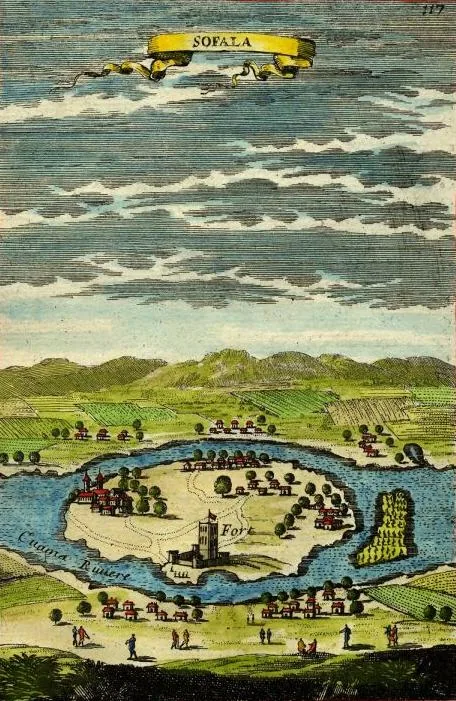
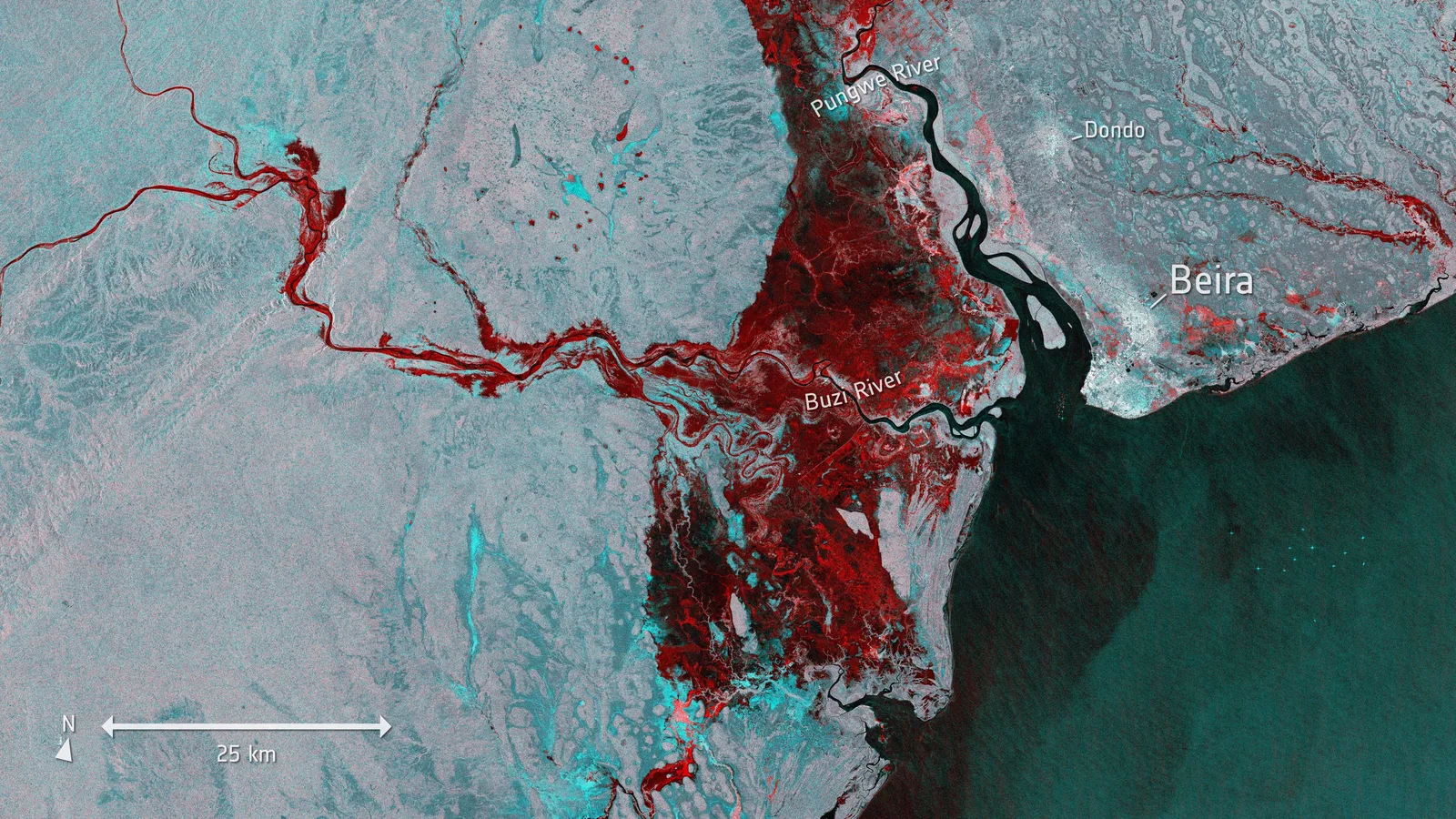
The Fort of São Caetano in Sofala was the first permanent Portuguese fortification in East Africa, established in 1505 under the command of Pero de Anaia. It served as a vital base for controlling the lucrative gold trade from the Monomotapa Empire's interior and securing the maritime route to the East Indies. The fort was strategically positioned on a sandbank at the mouth of the Buzi River, a location that eventually made it vulnerable to coastal erosion and the relentless action of the tides. Over the centuries, Sofala lost its commercial preeminence to the Island of Mozambique and later Beira, leading to the fort's gradual decay and abandonment. Today, the remains of the fortress are largely submerged or buried under silt, making it a significant site for underwater archaeological research. Despite its physical decline, it remains a powerful symbol of the dawn of European expansion in the Indian Ocean basin. Historical accounts detail the immense hardships faced during its construction, where many soldiers and workers succumbed to tropical diseases before the massive stone walls were fully erected.
- Location: Mozambique
- Top sights: Sofala · Fort São Caetano
Best time to visit & climate
The most pleasant time to visit is Jun–Aug.
| Jan | Feb | Mar | Apr | May | Jun | Jul | Aug | Sep | Oct | Nov | Dec | |
|---|---|---|---|---|---|---|---|---|---|---|---|---|
| Avg °C | 28 | 28 | 27 | 25 | 23 | 22 | 21 | 23 | 25 | 27 | 28 | 28 |
| Rain mm | 153 | 141 | 126 | 66 | 24 | 20 | 24 | 5 | 13 | 26 | 66 | 175 |
📋 Practical info
Geography
Facts
- Built: 1505
- First Portuguese captain: Pero de Anaia
- Primary purpose: Gold trade control with Monomotapa
- Material: Stone blocks partly imported from Europe
- Location: Sandbank at the mouth of the Buzi River
- Current status: Largely submerged or buried in sediment
Explore nearby
Notable places around


Route planner — Car & Motorhome
Where do you start? We build the route here, with stops and country notes along the way.
© OpenStreetMap contributors · OpenRouteService
Sights in the town Fort of Sofala (2)
Sights nearby
Frequently asked questions
What are these ruins?
Can one enter the ruins?
Is it safe?
Is there parking?
How long does a visit take?
Fort of Sofala: where is it located?
Fort of Sofala: what is there to see?
Fort of Sofala: when is the best time to visit?
Fort of Sofala: why is it worth visiting?

Nearby cities
History & landmarks
Nature
More places