Plizio Visual Lab
Inhambane
ℹ️Practical info — Inhambane
▾
🌤 Weather — 5 days
📍 Nearby
Sights nearby
💡 Tips
- Catch the traditional dhow ferry across the bay to Maxixe for a scenic and affordable ride.
- The historic center is compact; walk to admire the fading Portuguese colonial architecture.
- Tuk-tuks (txopelas) are the best way to get from Inhambane town to the nearby beaches of Tofo and Barra.
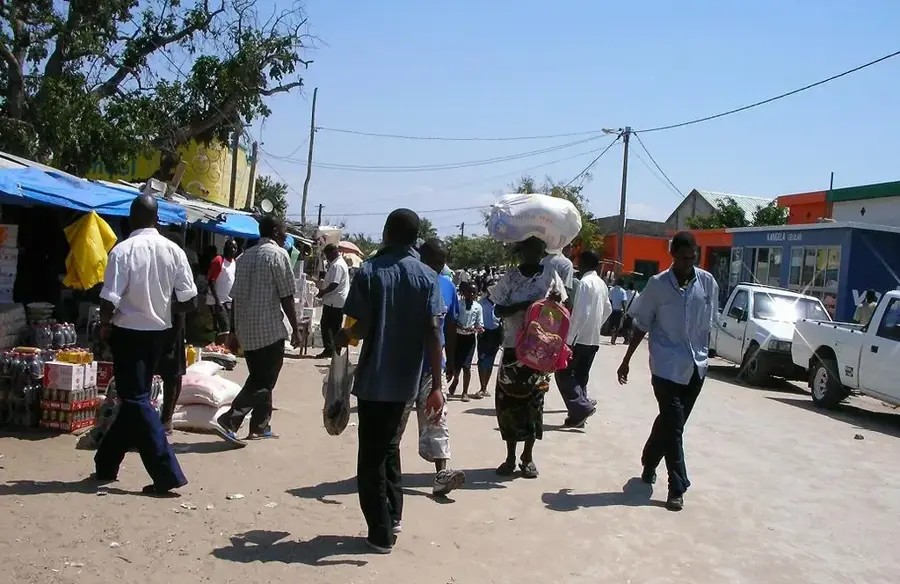
- Visit the Mercado Central early in the morning to see the fresh catch of the day being traded.
🍽 Food
A traditional dish of cassava leaves cooked with coconut milk and peanuts.
Enjoy this spicy, flame-grilled Mozambican classic at a local tavern.
Order giant tiger prawns at seafood restaurants along the waterfront.
🛍 Shopping · 🧘 Quiet spots
Buy local spices, cashews, and fresh produce in this bustling, historic market.
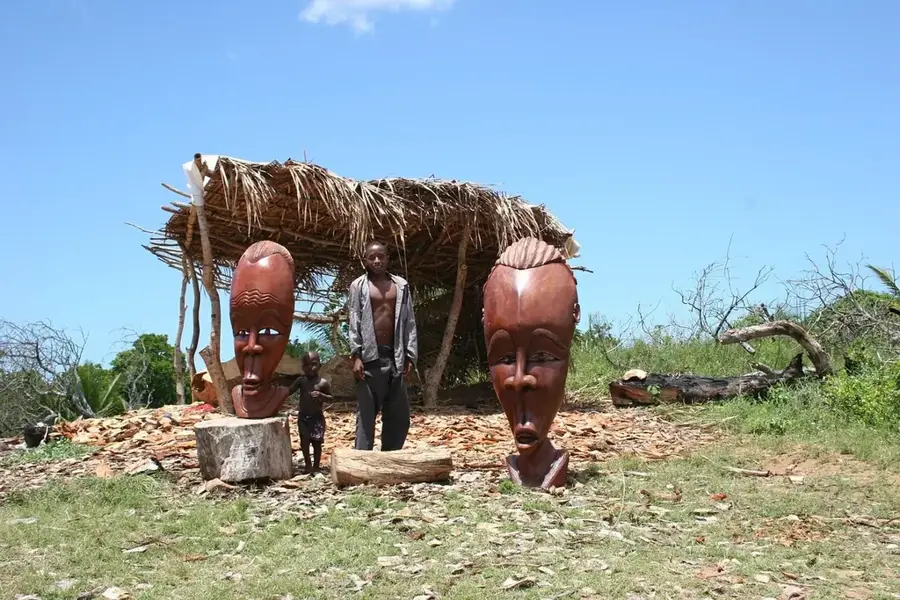
Look for local artisans selling wooden sculptures near the bay area.
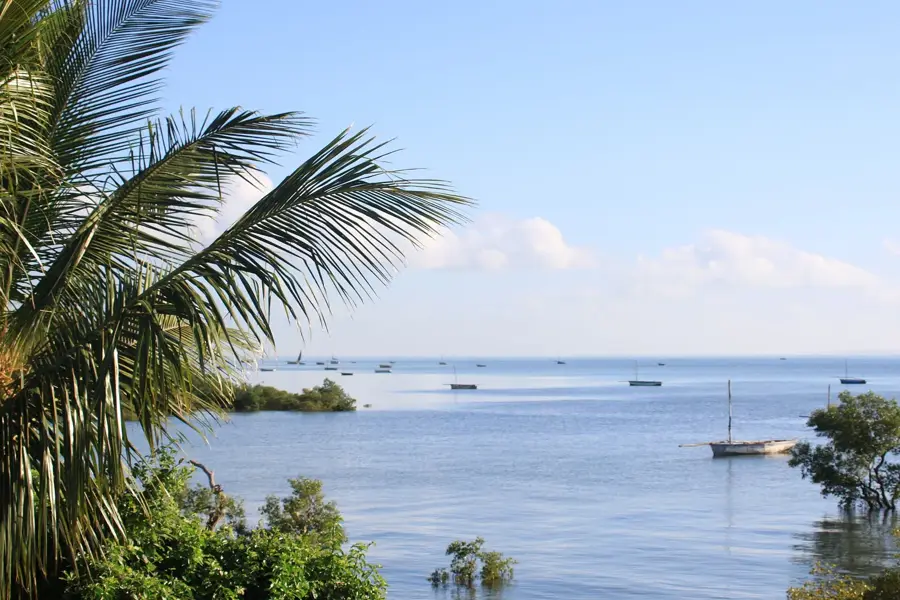
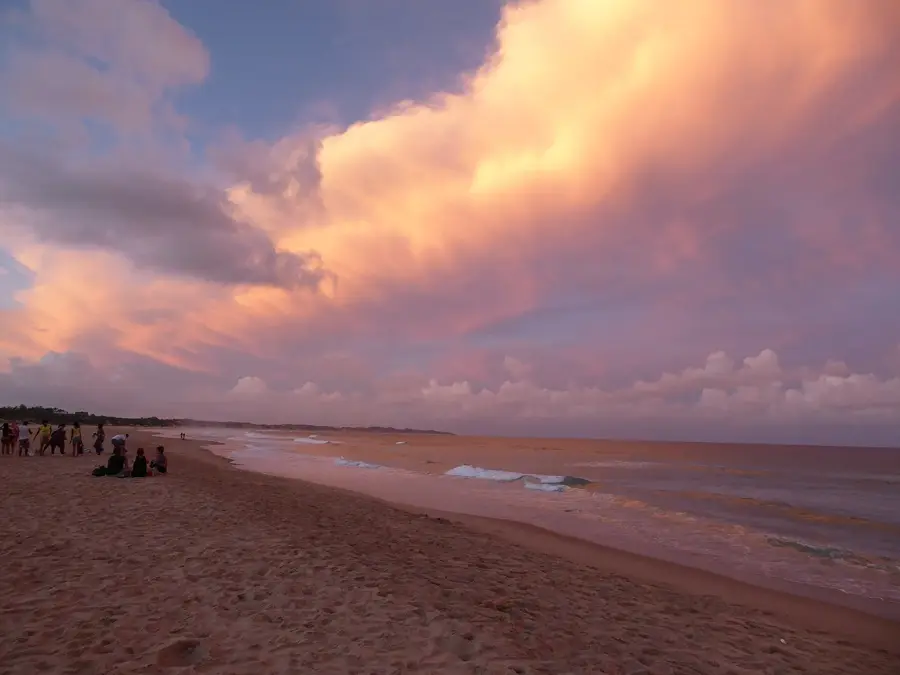
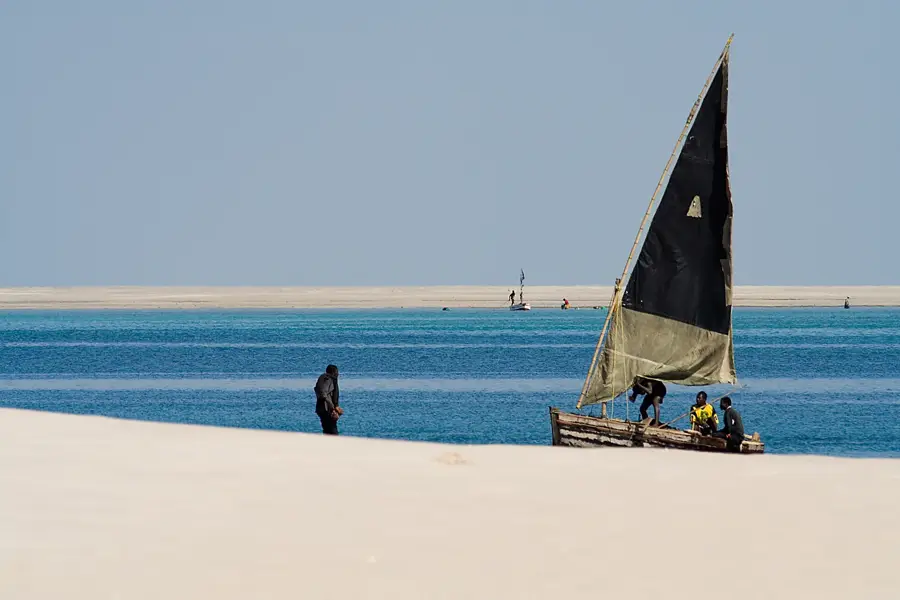
Stroll along the bay at sunset for a peaceful view of the dhows returning home.
A quiet, historic church offering a cool retreat from the midday sun.
Water temperature…
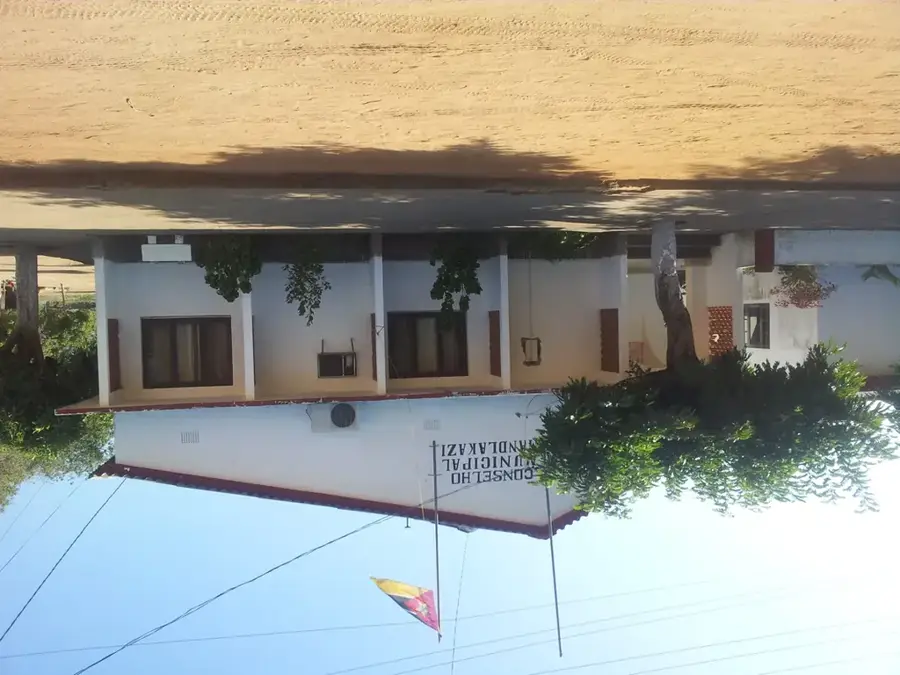
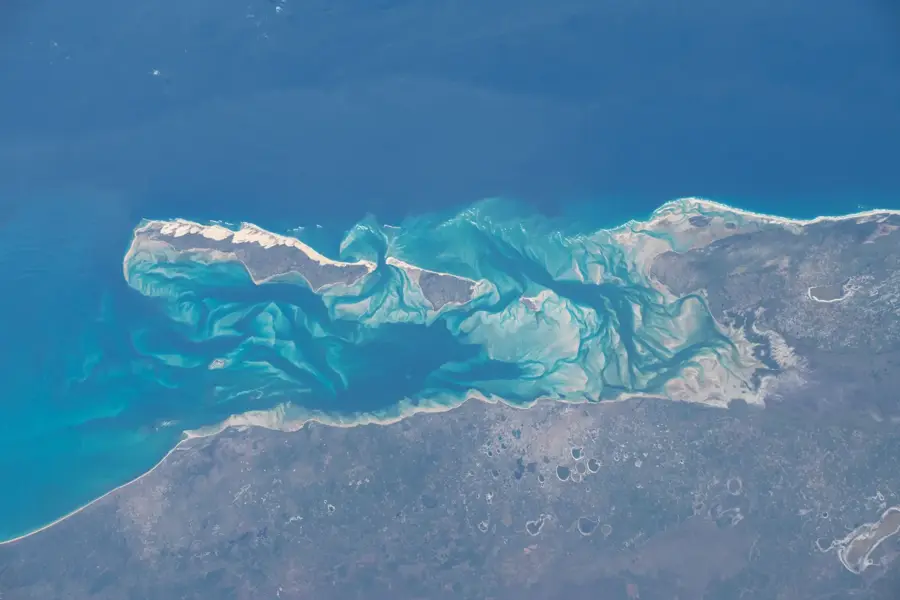
Inhambane, often hailed as the 'Land of Good People,' is one of Mozambique's most historic and visually captivating cities. Located on an impressive bay in the southern part of the country, it serves as the administrative capital of Inhambane Province. The city's roots stretch back to the 11th century, when it was a prominent trading post for Swahili, Arab, and Persian merchants dealing in ivory, ambergris, and cloth. Its European history began in 1498 when Vasco da Gama anchored in the bay and was so impressed by the hospitality of the local people that he gave the area its famous nickname. The modern city retains a distinctive colonial ambiance, characterized by its wide avenues, palm trees, and well-preserved Portuguese architecture. The 18th-century Cathedral of Our Lady of the Immaculate Conception stands as a testament to its long-standing religious and cultural significance. Geographically, Inhambane is defined by its massive lagoon, where traditional Arab dhows still navigate the turquoise waters, ferrying goods and passengers across to Maxixe. Today, the city is best known as the gateway to the world-class tourism destinations of Tofo and Barra. These coastal gems are global hotspots for marine megafauna, particularly whale sharks and manta rays, attracting scientists and divers from across the planet. The local economy is driven by this thriving tourism sector, alongside traditional activities like coconut harvesting, cashew production, and artisanal fishing. Cultural life in Inhambane is spirited, deeply influenced by the Bitonga and Chopi people, whose musical heritage, including the UNESCO-recognized Timbila xylophone music, is a source of great national pride. The city enjoys a tropical climate with a refreshing sea breeze, making it a well-suited destination year-round. With its blend of ancient history, colonial charm, and dramatic natural beauty, Inhambane remains a quintessential Mozambican destination, balancing its role as a regional hub with its status as a tranquil coastal retreat.
- Location: Mozambique
- Top sights: Estacao des Caminhos de Ferro · Old Mosque 1840 · Casa de Cultura
- Nearby: Maxixe (4 km)
- Population: ~95.388 (2026)
Best time to visit & climate
The most pleasant time to visit is Jul–Sep.
| Jan | Feb | Mar | Apr | May | Jun | Jul | Aug | Sep | Oct | Nov | Dec | |
|---|---|---|---|---|---|---|---|---|---|---|---|---|
| Avg °C | 27 | 27 | 27 | 26 | 24 | 23 | 22 | 22 | 23 | 24 | 25 | 26 |
| Rain mm | 141 | 107 | 96 | 52 | 24 | 42 | 23 | 10 | 14 | 38 | 84 | 160 |
Geography
Facts
- Inhambane was the first Portuguese settlement in the south of Mozambique.
- The city's name is derived from the local language word 'Nyambane'.
- The bay is a nursery for endangered dugongs.
- Inhambane is famous for its 'piri-piri' sauce and local seafood.
- The city's historical center is a candidate for UNESCO World Heritage status.
- Maxixe, across the bay, is actually more populous than Inhambane city.
- The 'Cais de Inhambane' is the central pier for boat traffic.
- The region is one of the world's few year-round manta ray habitats.
Explore nearby
Notable places around


Route planner — Car & Motorhome
Where do you start? We build the route here, with stops and country notes along the way.
© OpenStreetMap contributors · OpenRouteService
Sights in the town Inhambane (3)
Frequently asked questions
Is Inhambane a beautiful destination?
What can you do here?
How to reach Inhambane?
Is it family-friendly?
What is the best travel time?
Inhambane: where is it located?
Inhambane: what is there to see?
Inhambane: when is the best time to visit?
Inhambane: why is it worth visiting?

Nearby cities
History & landmarks
More places