Plizio Visual Lab
Altai
ℹ️Practical info — Altai
▾
🌤 Weather — 5 days
📍 Nearby
Sights nearby
💡 Tips
- Due to the high altitude, the air is thinner; take it easy physically for the first few days to acclimate.
- The weather in Altai can change in minutes; dress in layers even if it looks sunny when you start your day.
- Visit the local museum to learn about the various ethnic groups of Western Mongolia and their unique traditions.
- Power outages can occur in this remote region; carrying a power bank and a flashlight is highly recommended.
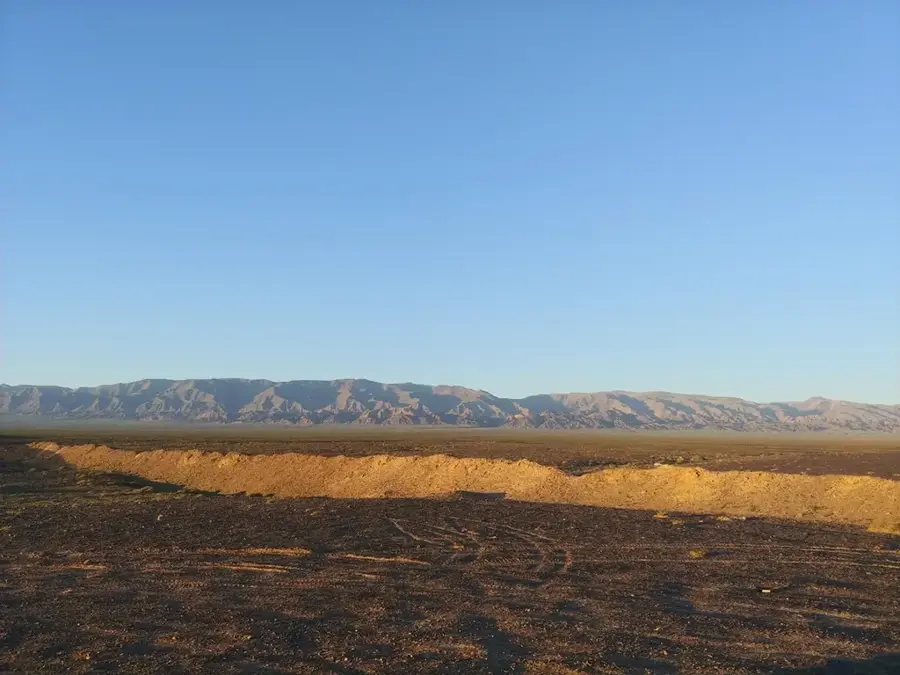
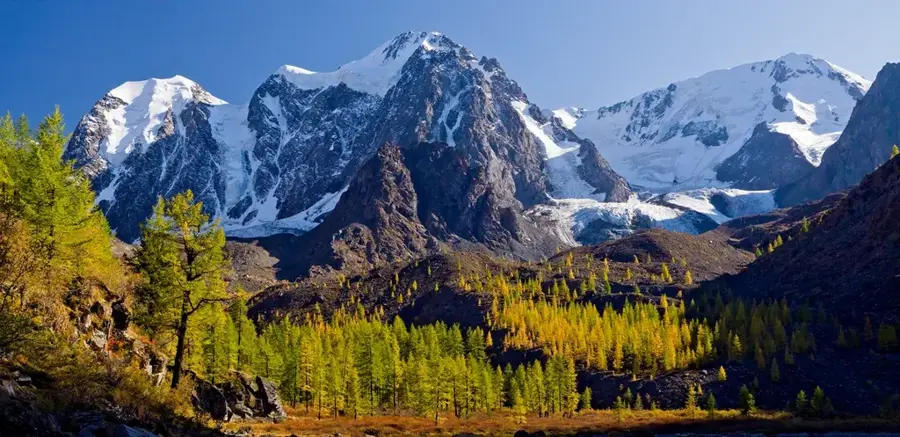
- Don't miss the view of the snow-capped Gobi-Altai mountain peaks visible on the horizon.
🍽 Food
High-altitude sheep meat is known for its intense flavor; try it as Khorkhog in local traditional eateries.
Local tea is often served with extra butter to help combat the cold and the dry mountain air.
A high-energy version of fried noodles, often made with yak or beef, popular in the market-area canteens.
🛍 Shopping · 🧘 Quiet spots
Altai is known for durable leatherwork; you can find high-quality handmade belts and bags here.
Look in the local bazaar for decorative embroideries and wall hangings typical of the region's Kazakh minority.
A walk to the western outskirts of the city provides silence and an uninterrupted view of the mountain panorama.
Early in the morning, before the market activity begins, the main square has a peaceful and clear atmosphere.
Water temperature…
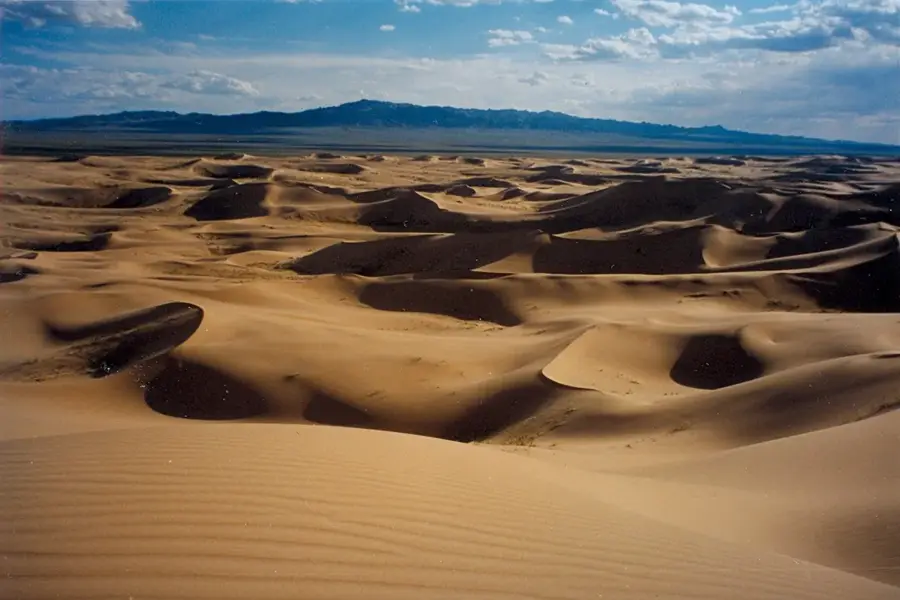
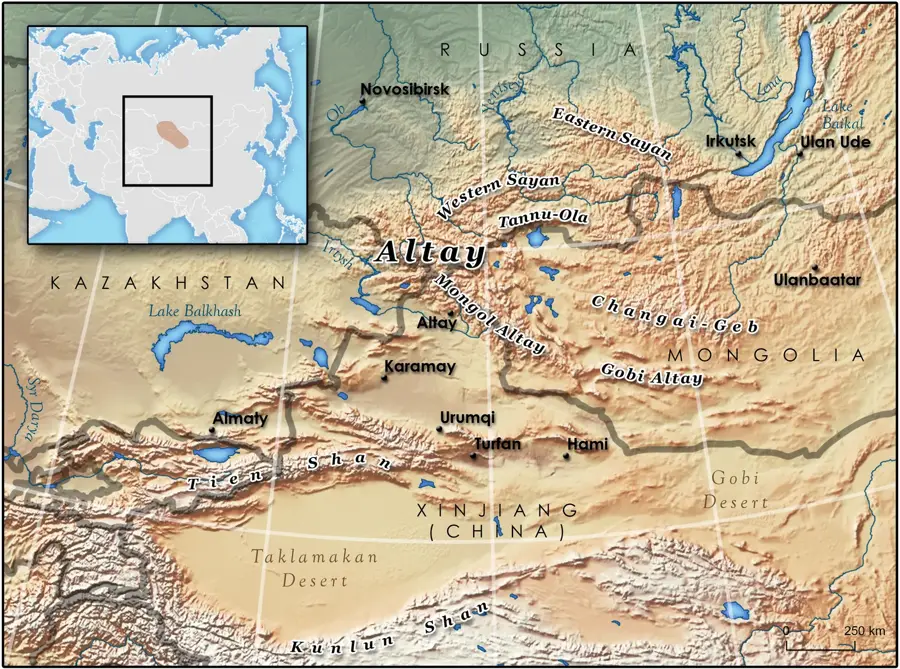
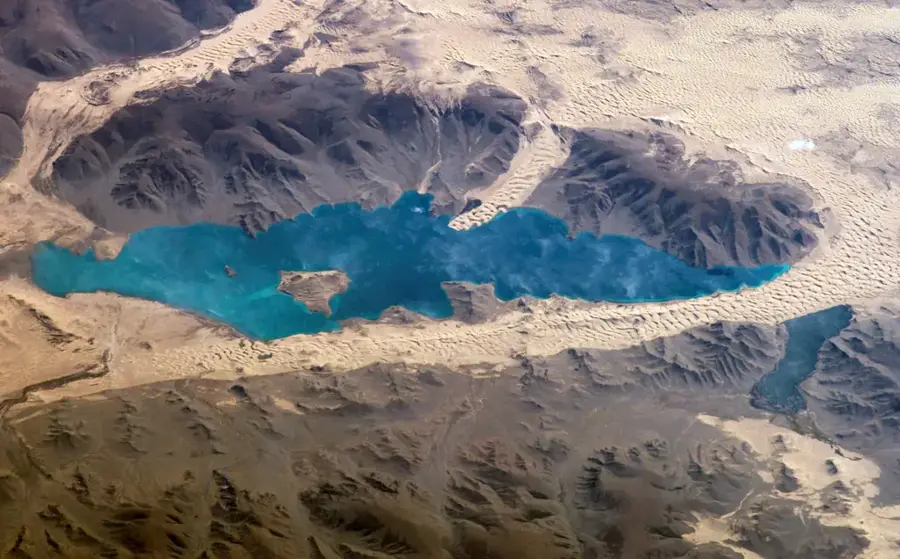
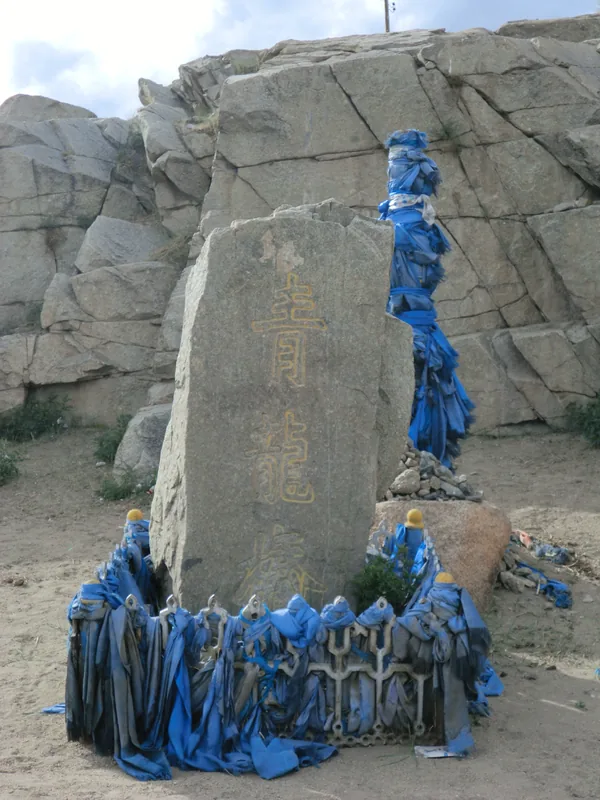
Altai, formerly Yesönbulag (meaning nine springs), lies at 2,181 metres above sea level on the northern flank of the Gobi-Altai range, making it one of the highest-altitude towns in Mongolia. Since 1940 it has been the capital of Govi-Altai Province, with around 18,000 inhabitants, 1,001 kilometres southwest of Ulaanbaatar. The region is among the most remote and poorest in the country, with an extremely dry continental climate and annual precipitation below 100 millimetres. To the south stretches the Great Gobi A Strictly Protected Area, a 4.4-million-hectare reserve and last refuge of the wild Bactrian camel (around 600 individuals) and the Gobi bear (mazaalai), of which only some 40 remain worldwide. In 2002 the town was shaken by a magnitude 7.5 earthquake but suffered limited damage. Snowfields, rugged valleys and ancient rock carvings give the high-mountain landscape a singular charm, while the local population continues traditional pastoral livestock herding.
- Location: Mongolia
- Top sights: Old cinema theater ' Khan taishir' · Gobi-Altai Children's Department
- Nearby: Eej Khairkhan (18 km)
- Population: ~17.617 (2026)
Best time to visit & climate
The most pleasant time to visit is Jun–Aug.
| Jan | Feb | Mar | Apr | May | Jun | Jul | Aug | Sep | Oct | Nov | Dec | |
|---|---|---|---|---|---|---|---|---|---|---|---|---|
| Avg °C | -18 | -15 | -6 | 3 | 8 | 15 | 17 | 15 | 8 | 0 | -9 | -16 |
| Rain mm | 3 | 4 | 6 | 9 | 16 | 40 | 39 | 37 | 15 | 9 | 5 | 4 |
Geography
Facts
- Auf 2.181 Metern Höhe in den Gobi-Altai-Bergen
- Bevölkerung rund 18.000 Einwohner
- Hauptstadt der Provinz Govi-Altai seit 1940
- Früherer Name Yesönbulag (neun Quellen)
- Niederschläge unter 100 Millimeter pro Jahr
- Großgobi-A-Reservat mit 4,4 Millionen Hektar
- Heimat von rund 40 Gobibären (Mazaalai)
- Erdbeben der Stärke 7,5 im Jahr 2002 überstanden
Explore nearby
Notable places around


Route planner — Car & Motorhome
Where do you start? We build the route here, with stops and country notes along the way.
© OpenStreetMap contributors · OpenRouteService
Sights in the town Altai (2)
Frequently asked questions
What characterizes Altai?
What can you experience in the region?
How is the access?
When is the best time?
Are there amenities?
Altai: where is it located?
Altai: what is there to see?
Altai: when is the best time to visit?
Altai: why is it worth visiting?
Nearby cities
Nature
More places