Plizio Visual Lab

Lake Faguibine
Plizio editorial teamData Sources
Lake
—°
Lake Faguibine (Mali)

Weather…

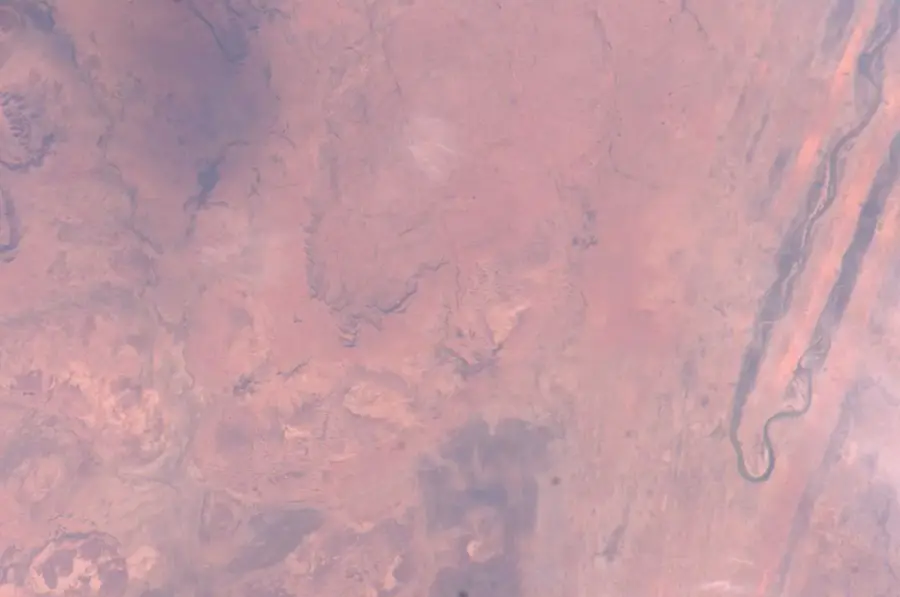
Lake Faguibine is located in the Timbuktu region of northern Mali and is part of a complex system of five interconnected depressions. It is fed by the Niger River through two primary channels that transport water over a distance of approximately 170 kilometers. During periods of high water, the lake's surface area exceeded 500 square kilometers, making it one of the largest in West Africa and a hub for fishing and agriculture. However, following the severe droughts of the 1970s and 1980s, water levels plummeted, and vast sections of the lakebed are now dry or choked with silt. The exposed lakebed is utilized by local communities for grain cultivation and grazing whenever seasonal inflows permit. The ecosystem is critically important for regional biodiversity, particularly as a habitat for migratory birds. Ongoing efforts to rehabilitate the inflow channels are vital to combat desertification and secure the livelihoods of thousands of people. Lake Faguibine serves as a powerful indicator of the Sahel's vulnerability to climate change.

Best time to visit & climate

The most pleasant time to visit is Jan, Feb, Dec.

JanFebMarAprMayJunJulAugSepOctNovDec
Avg °C202327313435333131312622
Rain mm10015236211044710

📋 Practical info

🧭
Getting there
Accessing this remote, seasonally fluctuating lake usually requires starting from Timbuktu and navigating rugged, unmarked dirt tracks. Hiring a robust four-wheel-drive vehicle and an experienced local driver is generally considered essential for a safe and successful journey.
📅
Best season
The environment drastically changes with annual rains, making the period following the wet season the most visually striking time to visit. During prolonged dry spells, the water retreats substantially, leaving behind an expansive, arid landscape covered with seasonal vegetation.
⛰️
Terrain & paths
The terrain varies significantly from muddy wetlands when water levels are high to cracked, dusty earth during extreme dry periods. Walking near the shifting shoreline demands attention, as solid-looking ground can sometimes conceal deep, slippery mud or highly unstable edges.
🎒
What to bring
Complete self-sufficiency is typically required, meaning travelers should bring ample food supplies, purified drinking water, and vehicle spares. Comprehensive sun protection, lightweight breathable clothing, and robust boots are essential to handle the harsh semi-desert climate.
🅿️
Parking
Formal parking infrastructure does not exist, so vehicles are normally left near temporary campsites or local community settlements. Drivers must carefully assess the ground conditions to ensure vehicles are parked on stable earth away from potential, unpredictable flash flood zones.
⚠️
Safety
The extreme remoteness of the region means that medical facilities are practically nonexistent and logistical challenges are ever-present. Traveling strictly in a well-equipped convoy with local guidance is highly recommended to manage the risks of the unforgiving desert environment.
⏱️
Time needed
Due to the lengthy and demanding travel required to reach the area, a visit is almost always treated as a multi-day expedition. This extended timeframe allows visitors to properly observe the shifting local ecology and interact thoughtfully with any passing nomadic groups.

Geography

Coordinates
16.70000, -3.80000

Facts

  • Part of a system of 5 interconnected basins
  • Maximum surface area reached approx. 590 sq km
  • Fed by 170 km long channels from the Niger
  • Severe drying trend began in the 1970s
  • Important habitat for Palearctic migratory birds
  • Central hub for rice and sorghum production

Explore nearby

Notable places around
Route planner — Car & Motorhome

Where do you start? We build the route here, with stops and country notes along the way.

Vehicle
Only stops with (optional):

© OpenStreetMap contributors · OpenRouteService

Sights nearby

Frequently asked questions

What characterizes Lac Faguibine?
It is a large, seasonal lake that forms an important ecological refuge area.
Does it have water all year round?
No, it depends strongly on precipitation and water level and can partially dry up.
Can one watch birds there?
Yes, when the lake is well filled, it is a paradise for water birds.
Is an off-road vehicle needed?
Yes, access to the lake often requires vehicles suitable for sandy soils.
Are there accommodations nearby?
There are only very simple accommodations, one should be prepared for camping.
Lake Faguibine: where is it located?
Lake Faguibine is located in Mali.
Lake Faguibine: when is the best time to visit?
The most pleasant time to visit is Jan, Feb, Dec.
Lake Faguibine: why is it worth visiting?

Lake Faguibine is located in the Timbuktu region of northern Mali and is part of a complex system of five interconnected depressions.
View on map → The Top 50 Attractions → OpenStreetMap →
Africa
Explore with Plizio Discover more places in Africa
More places in Mali →

Nearby cities

Nature

More places