Plizio Visual Lab
Nofels-Grenze
ℹ️Practical info — Nofels-Grenze
▾
🌤 Weather — 5 days
📍 Nearby
Sights nearby
💡 Tips
- Always have your ID or passport ready, as this is a live border crossing into Austria.
- Speed limits change exactly at the border line; adjust your driving immediately to avoid fines.
- The border area is a fantastic starting point for cross-border cycling into Vorarlberg.
- Mobile networks often switch to roaming here; keep an eye on your data usage limits.
🍽 Food
Pop across the border to the Austrian side for a large, authentic Wiener Schnitzel at a traditional inn.
Grab hearty local sausages and bread at the small cafes in nearby Ruggell before your ride.
Look for Süssmost (sweet cider) from local orchards served in lowland restaurants.
🛍 Shopping · 🧘 Quiet spots
Many locals cross into the Nofels supermarkets for significantly cheaper daily grocery prices.
Stop in Ruggell on the Liechtenstein side for premium, locally sourced dairy products.
Just steps away is an impressive nature reserve and peat bog, blooming beautifully in late spring.
Follow the trails down to the river for a tranquil walk listening to the flowing water.
Water temperature…
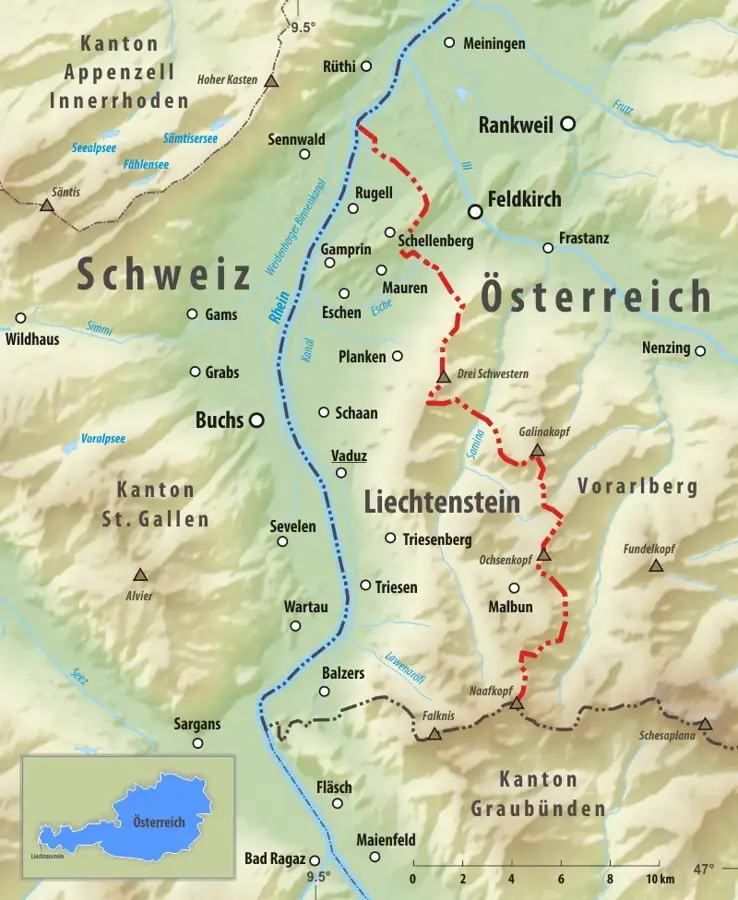
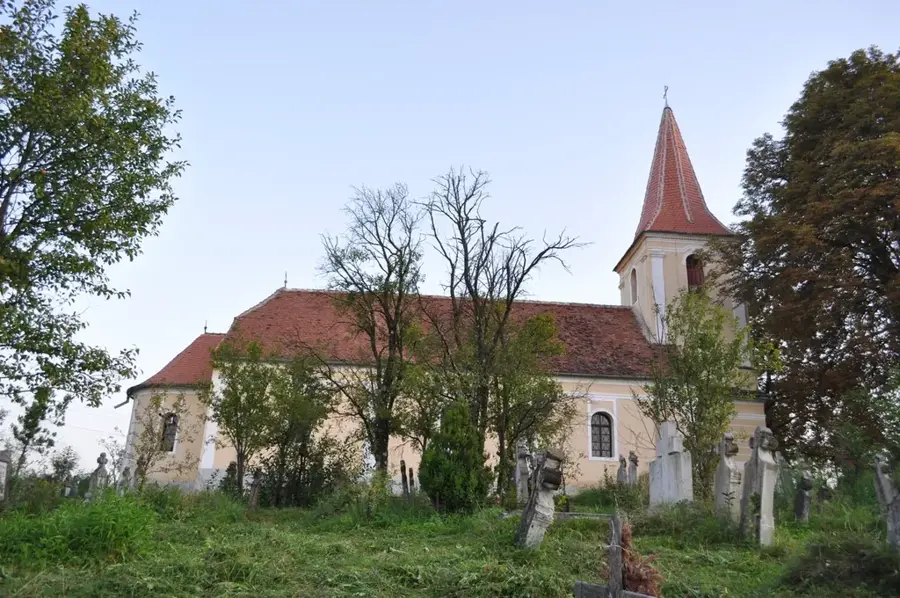
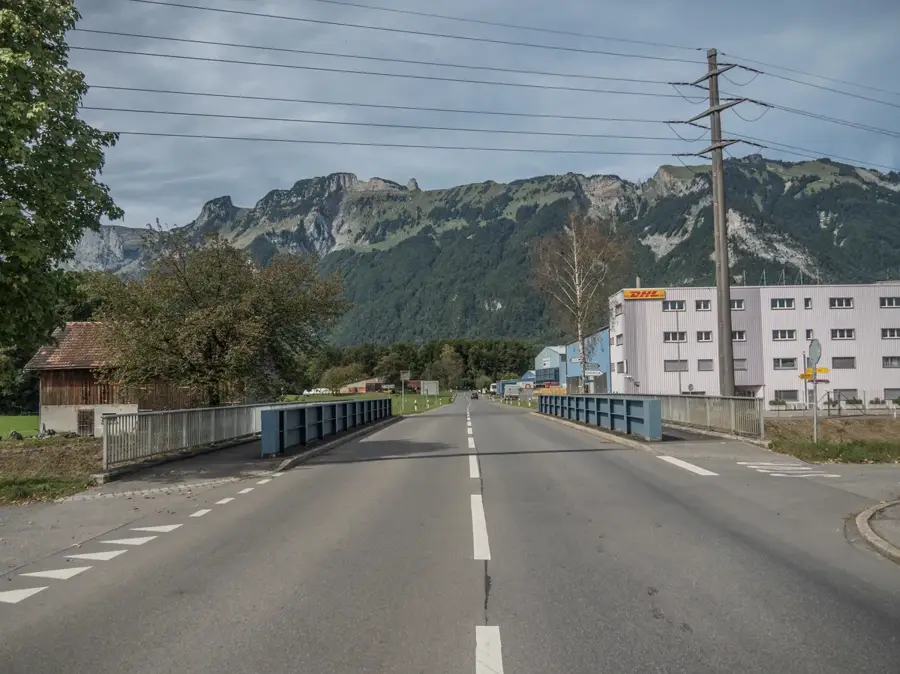
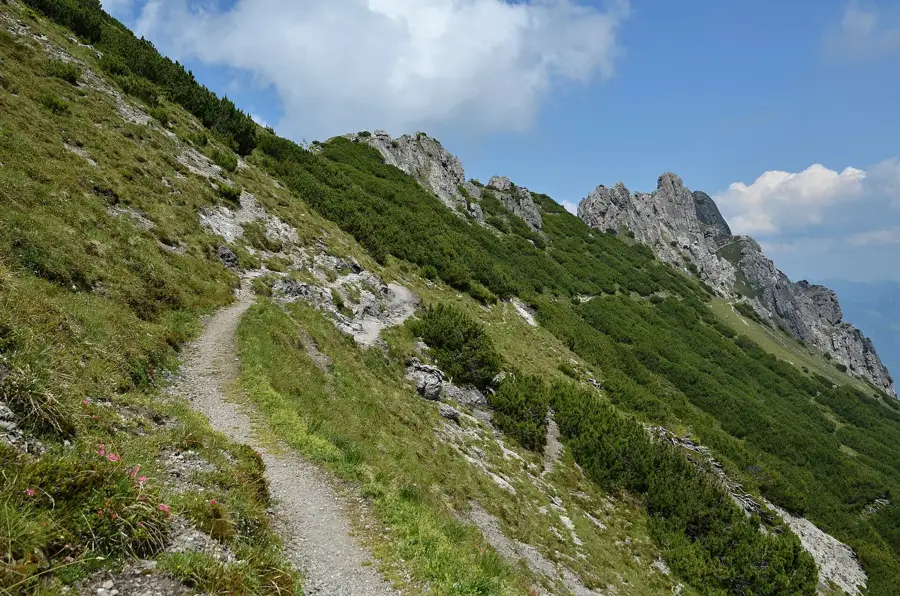
Nofels-Grenze refers to the northern border crossing between Schellenberg in Liechtenstein and Feldkirch-Nofels in Austria. This location possesses significant historical relevance as a link between the Liechtenstein Unterland and the Vorarlberg region. During World War I and World War II, this crossing was a strategically important point for border security and the flow of goods. The border here runs along the edge of the forest at the foot of the Eschnerberg and is marked by historical boundary stones, some of which date back to the 18th century. In the decades following World War II, the border developed into an important hub for commuters traveling daily between the two countries. Today, the crossing is open under the Schengen Agreement but retains its functional importance for regional infrastructure. The surroundings are characterized by dense mixed forests and hiking trails that cross the national border multiple times. A memorial stone nearby commemorates the historical events surrounding the end of World War II, when Soviet military units sought refuge here.
- Location: Ruggell, Liechtenstein
- Top sights: Naturschutzgebiet Schneckenäule · St. Fridolin · Naturschutzgebiet Ruggeller Riet
- Nearby: Weiherring (4 km)
- Population: ~2.295
Best time to visit & climate
The most pleasant time to visit is Jul–Sep.
| Jan | Feb | Mar | Apr | May | Jun | Jul | Aug | Sep | Oct | Nov | Dec | |
|---|---|---|---|---|---|---|---|---|---|---|---|---|
| Avg °C | -6 | -5 | -1 | 4 | 8 | 13 | 14 | 14 | 10 | 6 | 0 | -4 |
| Rain mm | 92 | 70 | 91 | 93 | 147 | 173 | 169 | 185 | 121 | 103 | 91 | 93 |
Geography
Facts
- The border separates the Principality of Liechtenstein from the Republic of Austria.
- The crossing connects Schellenberg directly with the city of Feldkirch.
- Historical boundary stones from the 18th century mark the border line.
- In 1945, the 1st Russian National Army sought asylum in Liechtenstein here.
- The area is located at the lowest point of the municipality of Schellenberg.
- The border crossing is part of the regional bus network (LIEmobil).
Explore nearby
Notable places around


Route planner — Car & Motorhome
Where do you start? We build the route here, with stops and country notes along the way.
© OpenStreetMap contributors · OpenRouteService
Sights in the town Nofels-Grenze (10)
Naturschutzgebiet Au
Protected floodplain area with diverse vegetation and wildlife.
Biedermannhaus🏛 museum
Museum in Liechtenstein featuring exhibitions on regional history.
Kapelle Heilige Sebastian und Fridolin
Building in Feldkirch, Austria, dedicated to Saints Sebastian and Fridolin.
Ruine Neu-Schellenberg🏰 castle
Castle in Liechtenstein, remains of a medieval fortress.
Kapelle zu den Heiligen Martin und Magnus
Building in Feldkirch, Austria, dedicated to Saints Martin and Magnus.
Dreiländereck
Point where the borders of Austria, Liechtenstein and Switzerland meet.
Frequently asked questions
Where is Nofels-Grenze located?
Are there border controls?
Are you allowed to cross the border by bicycle?
What are the opening hours of the border?
Is there a customs office at the Nofels border?
Nofels-Grenze: where is it located?
Nofels-Grenze: what is there to see?
Nofels-Grenze: when is the best time to visit?
Nofels-Grenze: why is it worth visiting?

Nearby cities
History & landmarks
Nature
More places