Plizio Visual Lab

Fezzan Desert
Plizio editorial teamData Sources
Forest
—°
Fezzan Desert (Libya)

Weather…

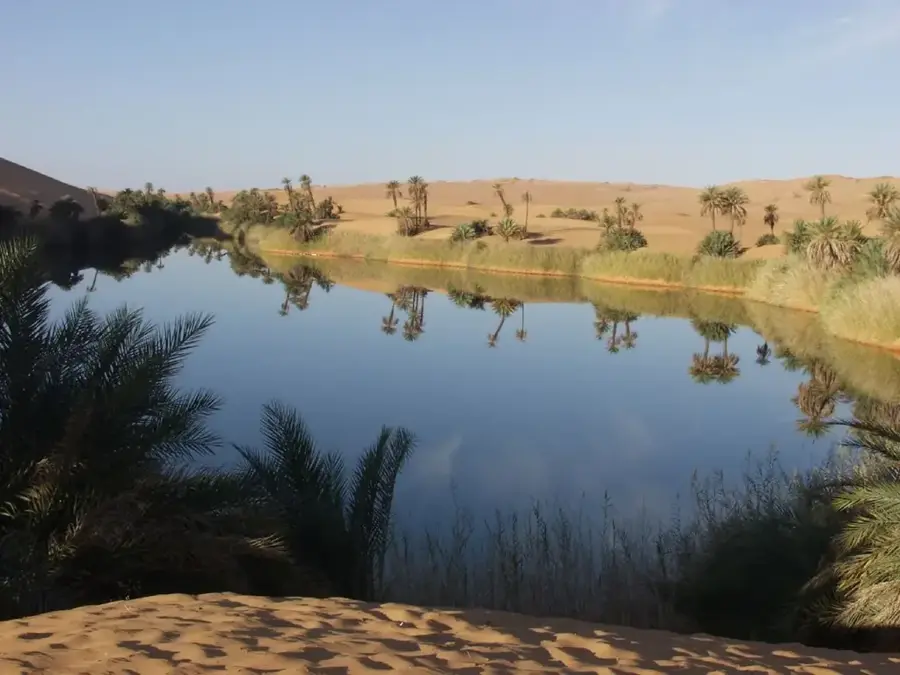
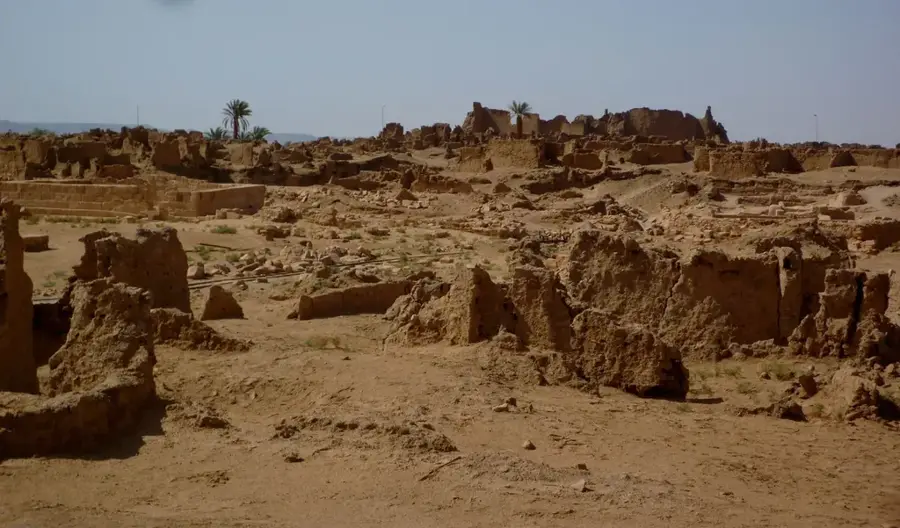
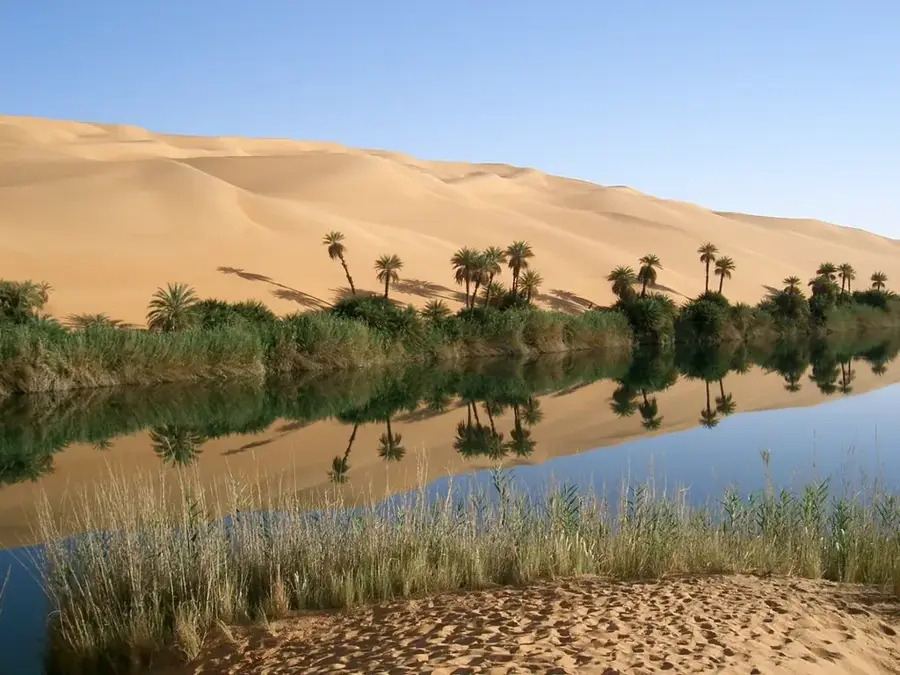
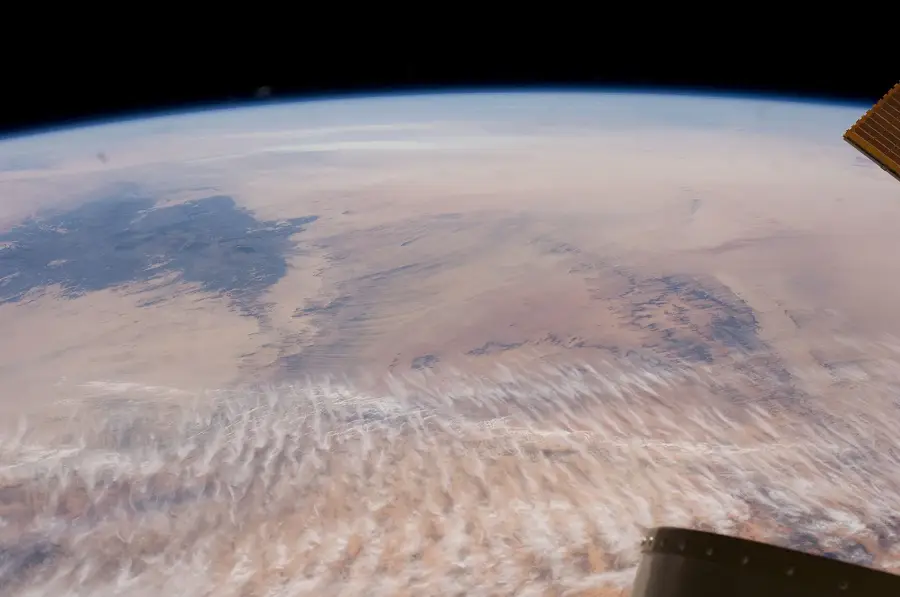
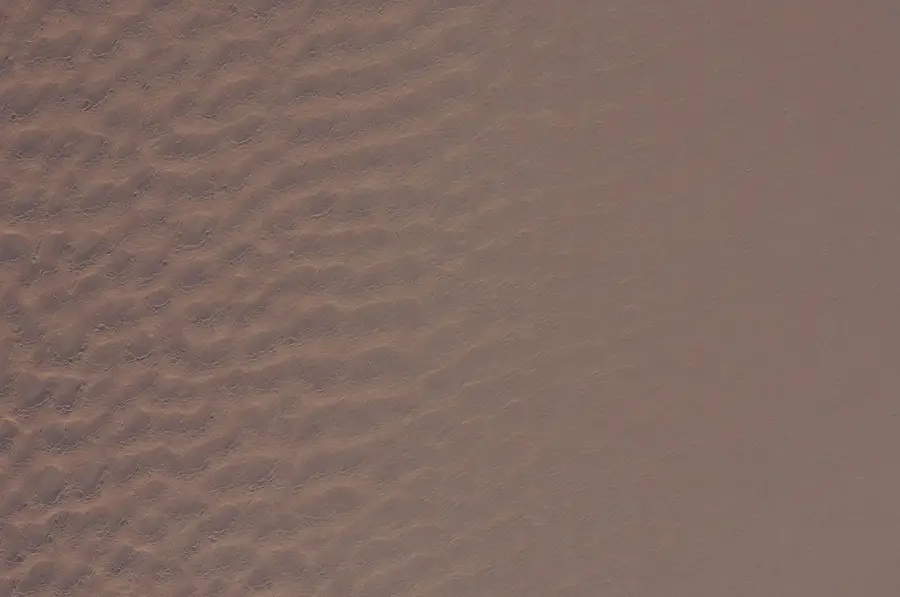
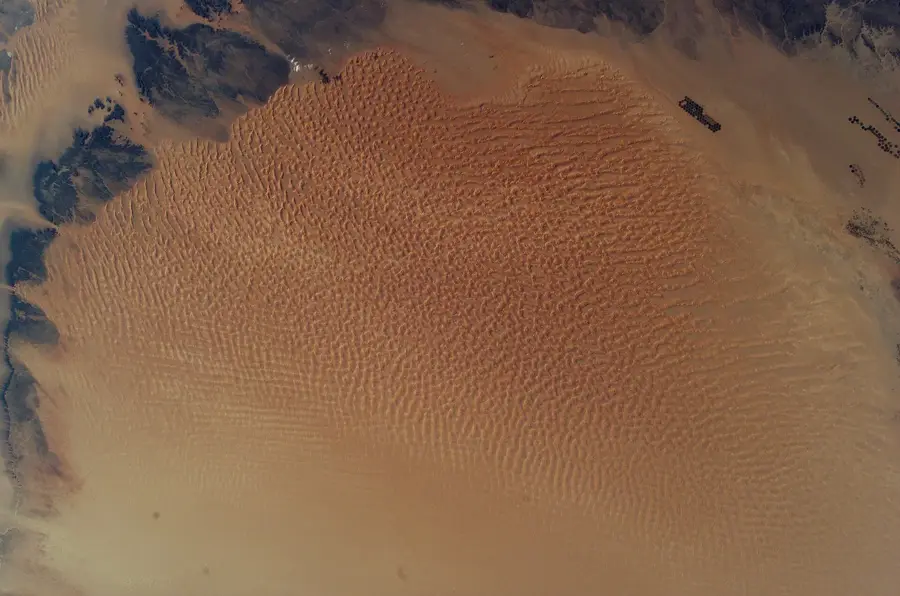
The Fezzan Desert in southwestern Libya is a diverse Saharan landscape encompassing vast sand seas, rugged mountain ranges, and vital oases. The region is defined by the massive Idehan Ubari and Idehan Murzuq ergs, where shifting sand dunes can rise to heights of 200 meters. Geologically, the area sits atop the Nubian Sandstone Aquifer System, which provides the life-sustaining groundwater for historic oases such as Sabha and Ubari. Historically, the Fezzan was the heartland of the Garamantes civilization, which developed sophisticated underground irrigation systems known as foggara over 2,000 years ago. The climate is hyper-arid, characterized by extreme summer heat and negligible rainfall, leading to a highly specialized ecosystem of desert flora and fauna. Beyond its harsh environment, the desert is a repository of prehistoric rock art and archaeological sites that reflect a much greener past. Today, the Fezzan remains strategically important for Libya due to its vast oil reserves and its role as a major hub for trans-Saharan migration and trade.

Best time to visit & climate

The most pleasant time to visit is Mar, Apr, Oct.

JanFebMarAprMayJunJulAugSepOctNovDec
Avg °C101318242831313129241712
Rain mm2210311002411

📋 Practical info

🧭
Getting there
Traveling to this expansive Saharan region usually involves starting from a major southern oasis town like Sabha, requiring robust 4x4 vehicles and experienced local guides. Independent travel is highly discouraged due to the extreme remoteness and vast distances without roads.
📅
Best season
The cooler winter months between November and February are generally the only safe and comfortable time to venture deep into the dunes. During the summer, daytime temperatures become lethally hot, making prolonged desert exploration practically impossible.
⛰️
Terrain & paths
The environment is a challenging mix of towering sand dunes, arid plains, and rocky plateaus, demanding specialized driving skills and equipment. There is no marked trail system, and the shifting sands completely erase any temporary vehicle tracks very quickly.
🎒
What to bring
Substantial emergency supplies, particularly vast quantities of drinking water, spare tires, and heavy-duty recovery gear, are strictly required for survival. Lightweight, breathable clothing combined with comprehensive sun protection will help manage the intense daytime radiation.
🅿️
Parking
Secure vehicle storage is typically arranged at specialized desert lodges or secure compounds within the gateway towns before embarking on a guided tour. Once out in the wilderness, vehicles are simply parked strategically around temporary bivouac sites.
⚠️
Safety
The risk of severe dehydration and becoming hopelessly lost is extreme, mandating travel only in multi-vehicle convoys equipped with reliable satellite communications. Visitors must also carefully verify the current security situation and rely heavily on vetted local expertise.
⏱️
Time needed
Proper exploration of these vast desert expanses usually demands expeditions lasting anywhere from four days to two full weeks. Day trips from the edges are technically possible but offer only a superficial glimpse of the true depth of the region.

Geography

Coordinates
26.00000, 13.00000

Facts

  • The Fezzan contains two of the largest sand seas in the Sahara: Idehan Ubari and Idehan Murzuq.
  • The region was the center of the Garamantian Empire around 2,000 years ago.
  • Sand dunes in the Idehan Ubari erg can reach heights exceeding 200 meters.
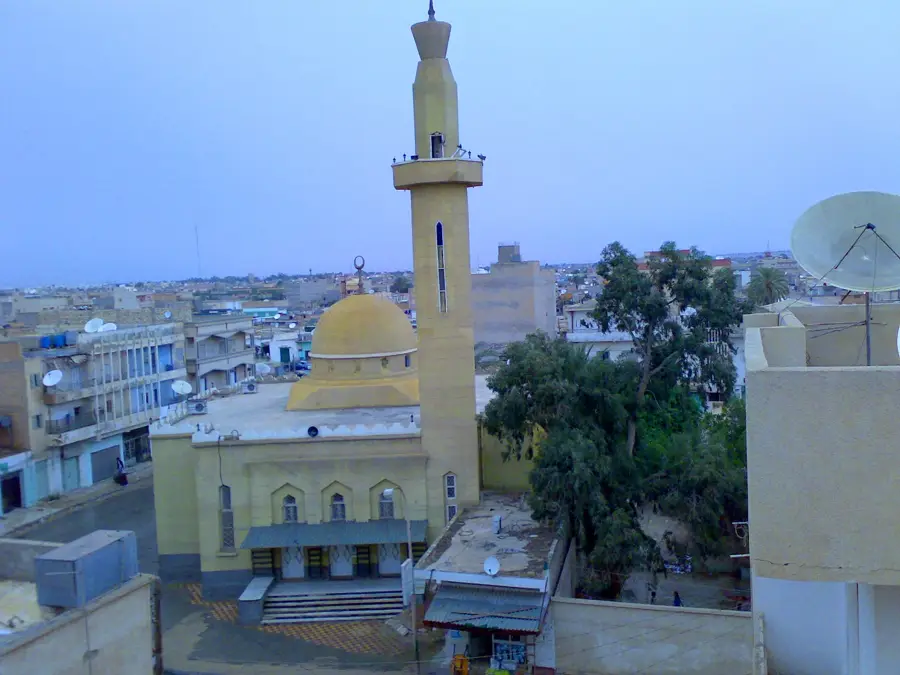
  • Sabha is the largest city and serves as the primary gateway to the Fezzan region.
  • The area is home to significant oil fields, contributing greatly to Libya's economy.
  • The Ubari Lakes are a series of salt lakes found deep within the sand dunes.

Explore nearby

Notable places around

Route planner — Car & Motorhome

Where do you start? We build the route here, with stops and country notes along the way.

Vehicle
Only stops with (optional):

© OpenStreetMap contributors · OpenRouteService

Sights nearby

Frequently asked questions

How high are the dunes in Fezzan?
They can reach heights of up to 200 meters in Idhan Murzuq. They are among the highest in the world.
Are there lakes in the Fezzan Desert?
Yes, the famous Mandara Lakes in the Ubari Sand Sea are located amidst massive dunes.
When should you plan a desert safari?
Between November and February, temperatures are moderate. However, nights can become very cold.
Do you need a guide for Fezzan?
Absolutely yes. Driving on the dunes requires great experience and precise local knowledge.
Which city is the best starting point?
Sebha is the gateway to Fezzan. Most expeditions into the sand seas start from there.
Fezzan Desert: where is it located?
Fezzan Desert is located in Libya.
Fezzan Desert: when is the best time to visit?
The most pleasant time to visit is Mar, Apr, Oct.
Fezzan Desert: why is it worth visiting?

The Fezzan Desert in southwestern Libya is a diverse Saharan landscape encompassing vast sand seas, rugged mountain ranges, and vital oases.
View on map → The Top 50 Attractions → OpenStreetMap →
Africa
Explore with Plizio Discover more places in Africa
More places in Libya →

Nearby cities

History & landmarks

Nature
More places