Plizio Visual Lab
Wadi Mathendous
Weather…
Water temperature…
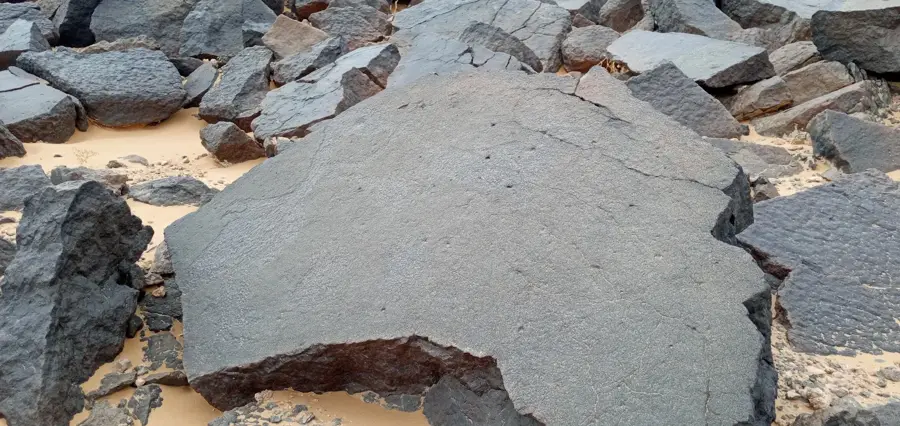
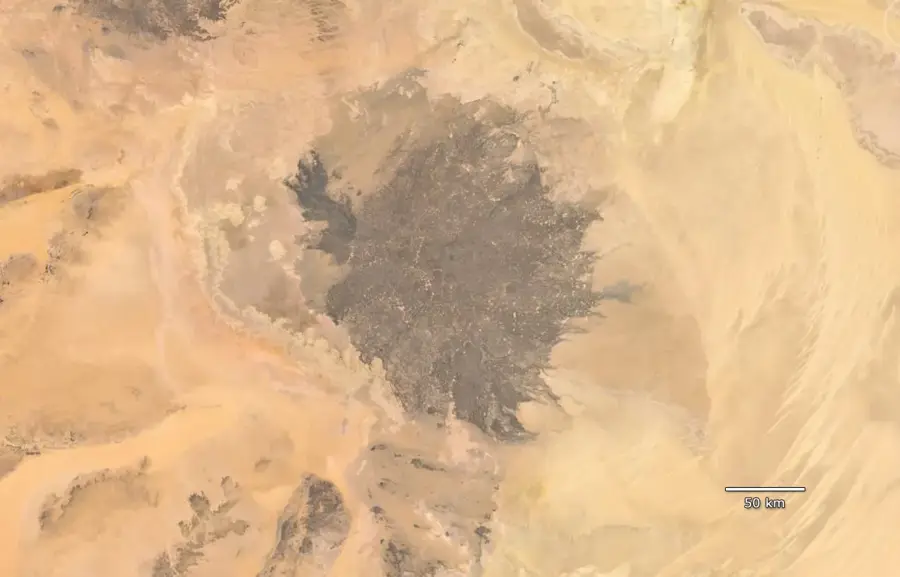
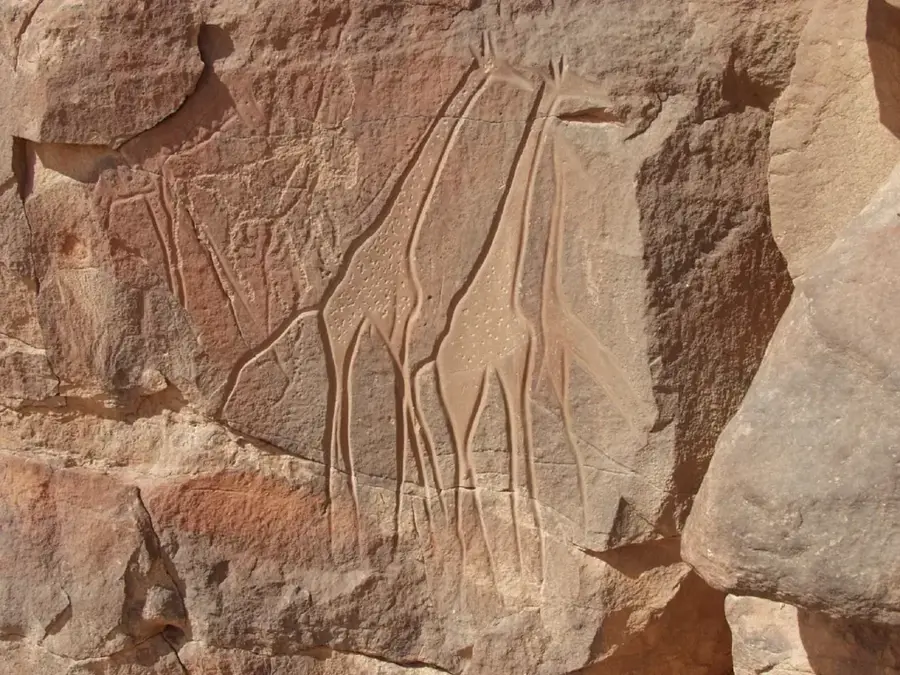
Wadi Mathendous is a world-renowned prehistoric rock art site located on the Messak Settafet plateau in southwestern Libya. The site features an extensive collection of petroglyphs dating back to the period between 8000 and 5000 BC, providing evidence of a much wetter Saharan climate during the Neolithic era. The engravings depict a variety of large animals that no longer inhabit the region, such as elephants, giraffes, crocodiles, and long-horned buffalo, carved with extraordinary detail into the sandstone cliffs. These artworks serve as a vital historical record of the environmental changes and the cultural development of the early inhabitants of North Africa. The isolation of the wadi has played a crucial role in preserving these ancient masterpieces from modern interference and erosion. Today, Wadi Mathendous remains a key site for archaeologists studying the Green Sahara period and the artistic expressions of ancient Saharan civilizations.
Best time to visit & climate
The most pleasant time to visit is Mar, Apr, Oct.
| Jan | Feb | Mar | Apr | May | Jun | Jul | Aug | Sep | Oct | Nov | Dec | |
|---|---|---|---|---|---|---|---|---|---|---|---|---|
| Avg °C | 9 | 12 | 17 | 23 | 27 | 30 | 30 | 30 | 28 | 23 | 17 | 11 |
| Rain mm | 2 | 3 | 1 | 1 | 9 | 7 | 0 | 1 | 1 | 5 | 1 | 1 |
📋 Practical info
Geography
Facts
- The petroglyphs date from 8000 to 5000 BC, reflecting a humid period in the Sahara.
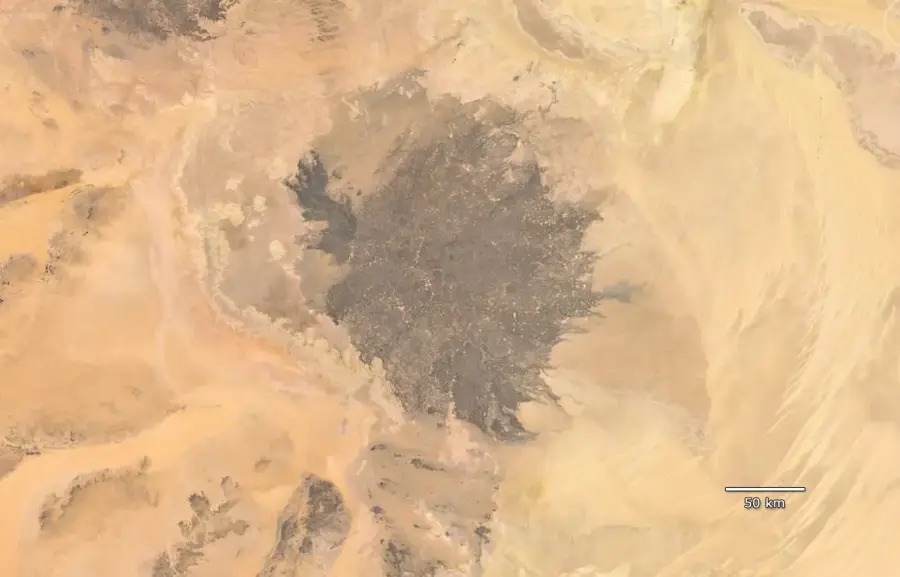
- The site is situated on the Messak Settafet plateau in southwestern Libya.
- Engravings include life-sized depictions of elephants, giraffes, and crocodiles.
- Wadi Mathendous is considered one of the most important open-air art galleries in Africa.
- Artists used deep incising techniques on the hard sandstone surfaces of the wadi.
- The animals depicted provide evidence of a past ecosystem rich in biodiversity.
Route planner — Car & Motorhome
Where do you start? We build the route here, with stops and country notes along the way.
© OpenStreetMap contributors · OpenRouteService
Sights nearby
Frequently asked questions
What is Wadi Mathendous known for?
How old are the engravings?
How do you reach the rock art?
Is photography allowed of the engravings?
Is there water available?
Wadi Mathendous: where is it located?
Wadi Mathendous: when is the best time to visit?
Wadi Mathendous: why is it worth visiting?