Plizio Visual Lab
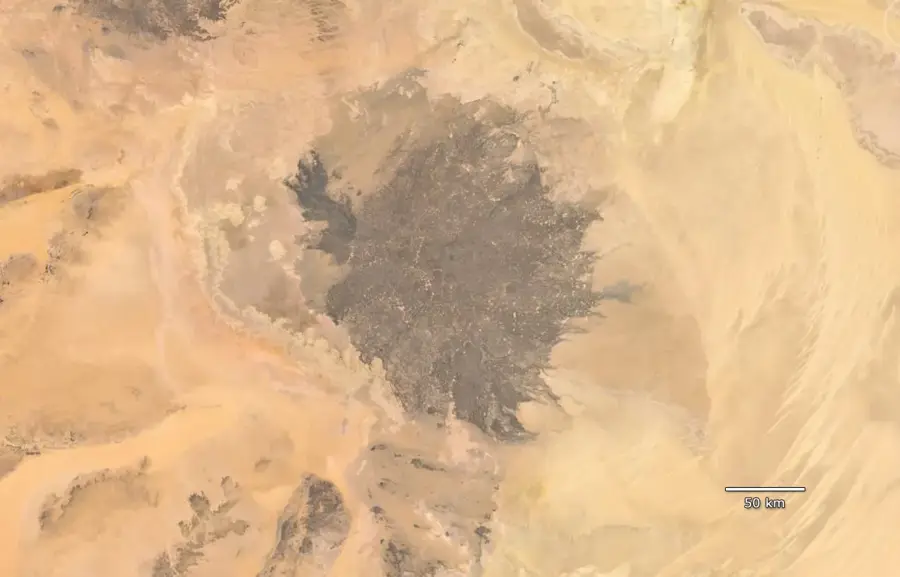
Jebel Aswad
Weather…
Water temperature…
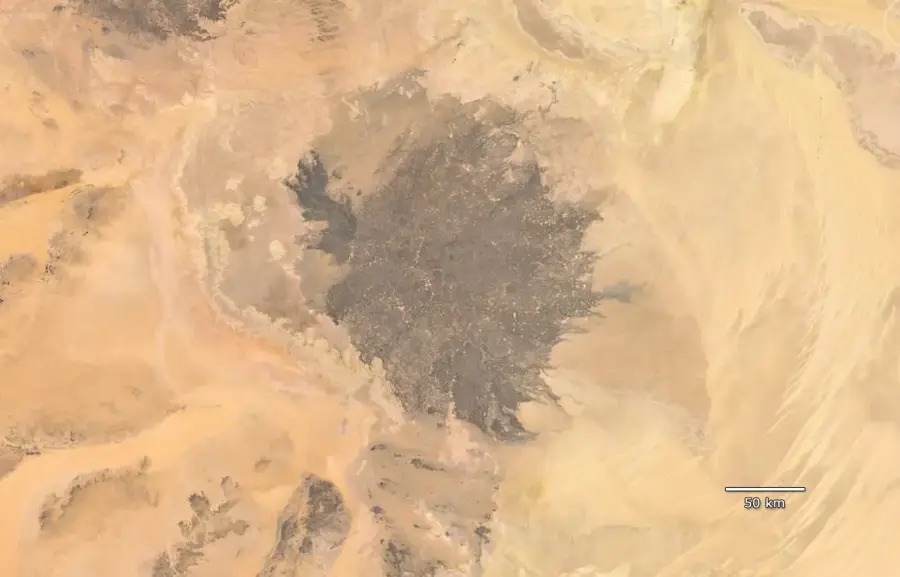
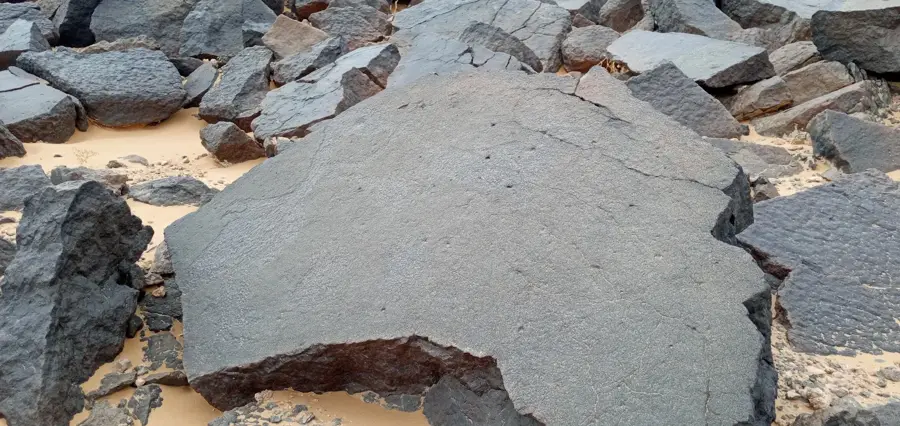
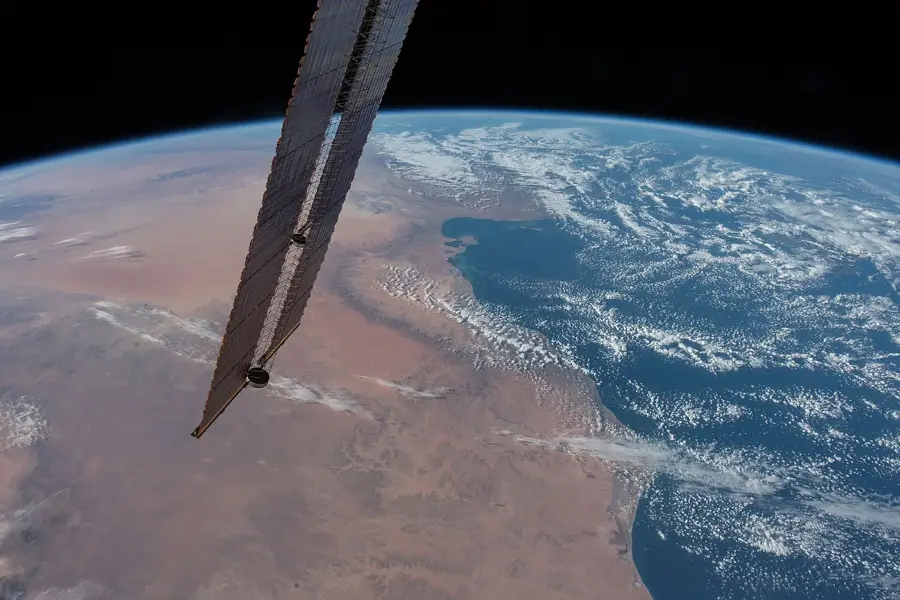
Jebel Aswad, literally the 'Black Mountain,' is a prominent volcanic massif in central Libya, geographically adjacent to the Al-Haruj field. Its dark appearance results from massive deposits of basaltic lava, creating a stark contrast with the surrounding orange desert sands. Geologically, Jebel Aswad is part of an extensive magmatic province formed through hotspot activity or lithospheric extension. The terrain is characterized by rugged plateaus, steep flanks, and isolated volcanic cones that can reach elevations of approximately 1,200 meters. This remote region is almost entirely devoid of vegetation and represents one of the country's most extreme desert environments. Nevertheless, Jebel Aswad is of great interest to geologists as it provides insights into the mantle composition beneath North Africa. Historically, the massif served as a distinctive waypoint for travelers and explorers traversing the interior of the Libyan Sahara. The almost pristine nature of the mountains makes them a valuable site for geomorphological studies on wind and heat erosion.
- Location: Libya
- Nearby: Hun (15 km)
Best time to visit & climate
The most pleasant time to visit is Apr, Oct, Nov.
| Jan | Feb | Mar | Apr | May | Jun | Jul | Aug | Sep | Oct | Nov | Dec | |
|---|---|---|---|---|---|---|---|---|---|---|---|---|
| Avg °C | 11 | 12 | 17 | 22 | 26 | 29 | 30 | 30 | 28 | 23 | 17 | 12 |
| Rain mm | 7 | 7 | 5 | 2 | 1 | 0 | 0 | 0 | 3 | 6 | 5 | 7 |
📋 Practical info
Geography
Facts
- The highest peak reaches an elevation of approximately 1,200 meters.
- The massif consists almost entirely of dark olivine basalt rocks.
- It belongs to one of the youngest volcanic complexes in central Libya.
- Due to its dark color, it absorbs up to 90% of incident solar radiation.
- Scientific expeditions use the area to conduct Mars-analogue studies.
- It is located south of the Djofra Basin within the Saharan desert.
Explore nearby
Notable places around


Route planner — Car & Motorhome
Where do you start? We build the route here, with stops and country notes along the way.
© OpenStreetMap contributors · OpenRouteService
Sights nearby
Frequently asked questions
Why is the mountain called Jebel Aswad?
Where is this mountain range located?
Is there any human life there?
What is the geological specialty?
Is there any mining activity?
Jebel Aswad: where is it located?
Jebel Aswad: when is the best time to visit?
Jebel Aswad: why is it worth visiting?