Plizio Visual Lab

Al-Haruj
Plizio editorial teamData Sources
Mountain
—°
Al-Haruj (Libya)

Weather…

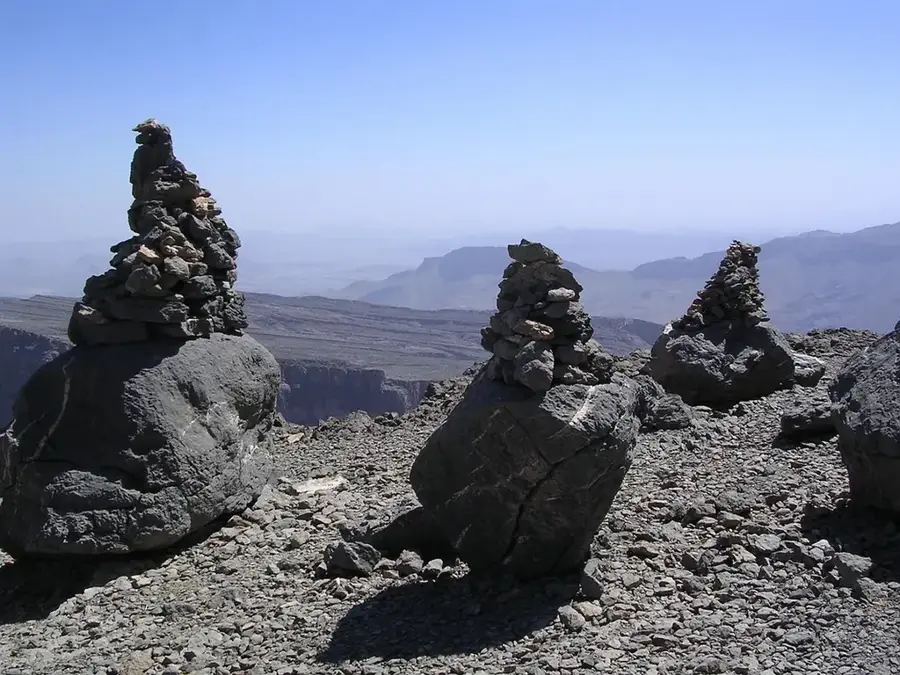
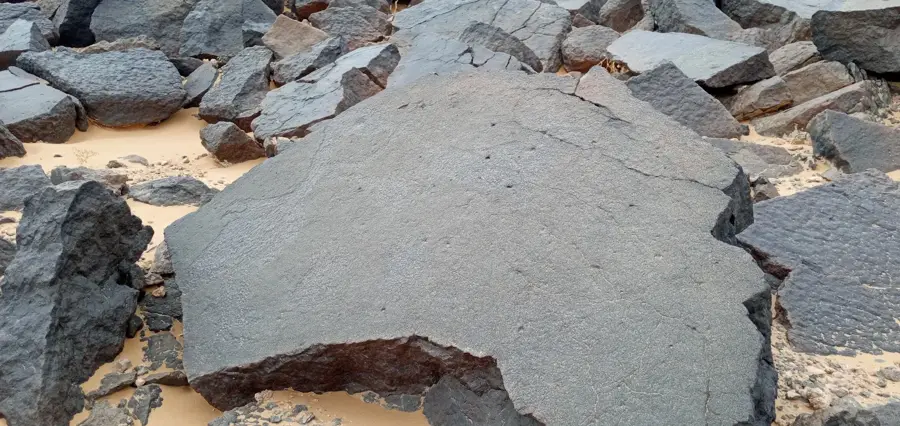
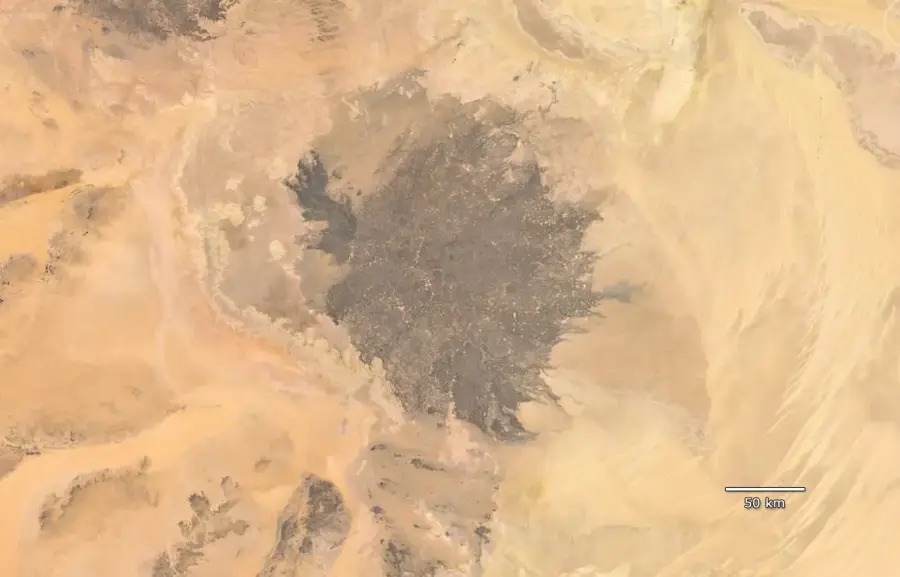
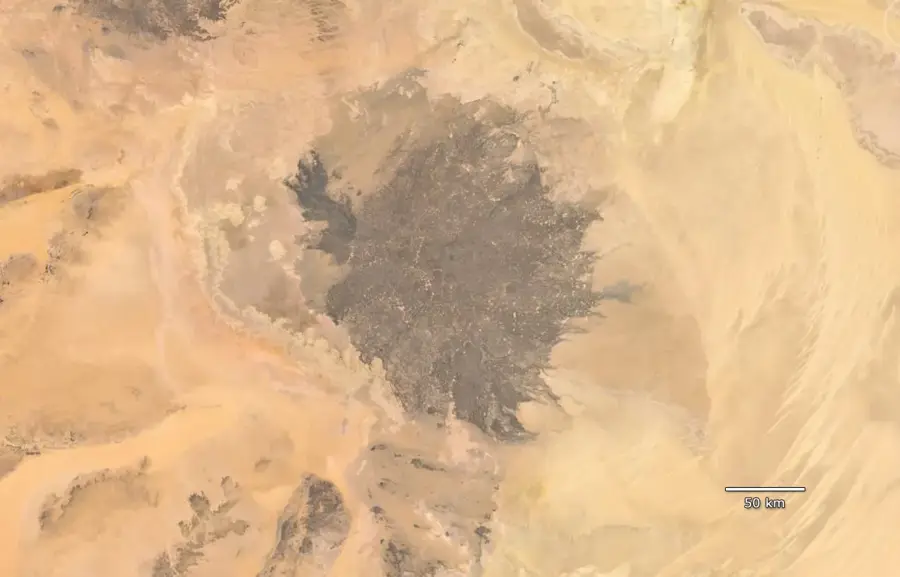
Al-Haruj is a massive volcanic field in central Libya, distinguished by its characteristic black basaltic landscapes. Spanning an area of approximately 45,000 square kilometers, it is one of the largest features of its kind in Africa, consisting of over 150 extinct volcanic cones. The region was formed by successive lava flows during the Pliocene and Pleistocene epochs, creating a rugged surface that often appears extraterrestrial. Its highest point, Jebel al-Haruj al-Aswad, reaches an elevation of about 1,200 meters above sea level. Despite the extreme aridity, the area contains scattered oases and seasonal watercourses that supported human life and wildlife in ancient times. The terrain is exceptionally difficult to traverse, which has kept it largely untouched by modern development. Scientifically, Al-Haruj is of great interest for studying intraplate volcanic activity within the Saharan shield. The dark coloration of the basalt absorbs massive amounts of solar heat during the day, resulting in extreme temperature fluctuations between day and night.

Best time to visit & climate

The most pleasant time to visit is Mar, Apr, Oct.

JanFebMarAprMayJunJulAugSepOctNovDec
Avg °C111317222629292928231712
Rain mm11742200166614

📋 Practical info

🧭
Getting there
Penetrating this massive volcanic field requires specialized 4x4 transport starting from the remote oasis towns of central Libya. The journey involves tracking through harsh desert before ascending into the dark, rugged basalt landscapes of the field.
📅
Best season
Mid-winter provides the only survivable climatic window to traverse the black volcanic rocks, which aggressively absorb and radiate the sun's heat. Traveling outside of the coolest months invites extreme risks of severe dehydration and rapid heat exhaustion.
⛰️
Terrain & paths
Expect a surreal, chaotic landscape dominated by sharp basalt boulders, ancient lava flows, and numerous dormant volcanic craters. Walking across this fragmented and incredibly abrasive surface is exhausting and highly detrimental to typical footwear.
🎒
What to bring
Thick-soled, heavy-duty hiking boots are mandatory to protect feet from the razor-sharp rocks covering the craters. Beyond immense water reserves, thick gloves are highly recommended if scrambling over the abrasive volcanic formations is anticipated.
🅿️
Parking
Parking involves carefully positioning vehicles on rare patches of flat, relatively rock-free terrain designated by expedition guides. Care must be taken not to slice off-road tires on the sharp basalt fragments hiding just beneath the surface.
⚠️
Safety
The combination of severe isolation, aggressively destructive terrain, and complete lack of water sources makes this one of the most hazardous environments. Engaging a fully equipped, professional local expedition crew with robust emergency protocols is vital.
⏱️
Time needed
Thoroughly experiencing the eerie, crater-pocked landscape of the volcanic plateau requires dedicating several days within a well-planned desert safari. A fleeting visit is logistically impossible given the sheer geographical remoteness of the site.

Geography

Coordinates
27.50000, 17.50000

Facts

  • Area of approximately 45,000 km²
  • Over 150 volcanic cones present
  • Highest point reaches about 1,200 m
  • Formed during Pliocene and Pleistocene
  • Composed mainly of basaltic rock
  • Largest volcanic field in North Africa

Explore nearby

Notable places around
Route planner — Car & Motorhome

Where do you start? We build the route here, with stops and country notes along the way.

Vehicle
Only stops with (optional):

© OpenStreetMap contributors · OpenRouteService

Sights nearby

Frequently asked questions

What is special about Al-Haruj?
It is a vast volcanic field with black basalt rocks, forming a surreal, moon-like landscape.
Is the area accessible by a normal car?
No, a 4x4 vehicle is mandatory. The sharp lava rocks can easily damage tires.
Is camping allowed on the volcanic fields?
Wild camping is possible but requires full self-sufficiency. There are no water sources or facilities on site.
Are there archaeological finds there?
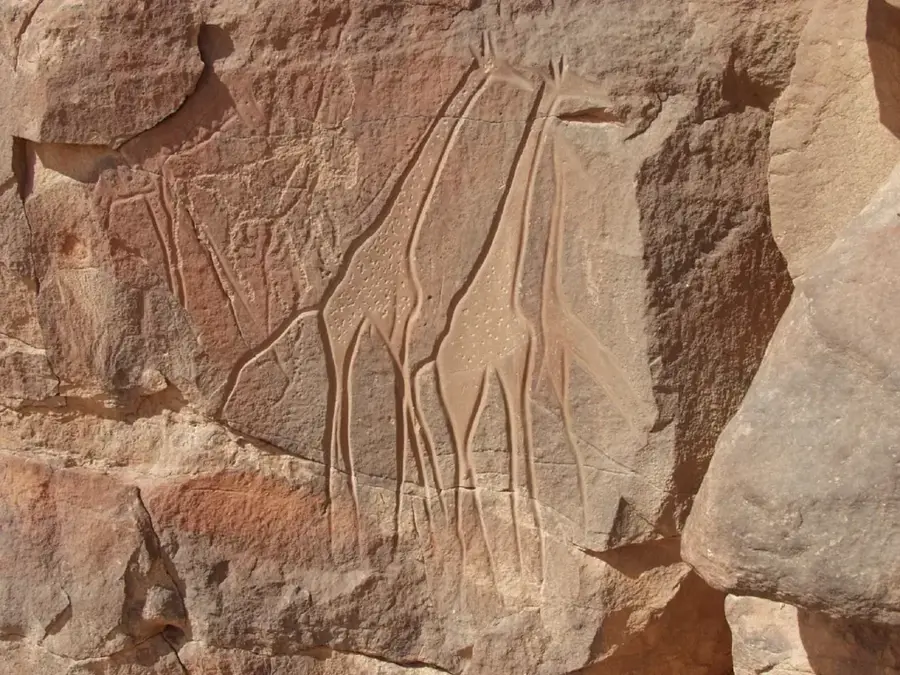
Yes, prehistoric stone tools and rock carvings can be found. Please leave all artifacts untouched on site.
How dangerous is the heat in summer?
Extremely dangerous. The black stones heat up massively; temperatures over 50 degrees are not uncommon.
Al-Haruj: where is it located?
Al-Haruj is located in Libya.
Al-Haruj: when is the best time to visit?
The most pleasant time to visit is Mar, Apr, Oct.
Al-Haruj: why is it worth visiting?
Al-Haruj is a massive volcanic field in central Libya, distinguished by its characteristic black basaltic landscapes.
View on map → The Top 50 Attractions → OpenStreetMap →
Africa
Explore with Plizio Discover more places in Africa
More places in Libya →

Nearby cities

Nature

More places