Plizio Visual Lab

Cavalla River Valley

Plizio editorial teamData Sources
valley
—°
Cavalla River Valley (Liberia)

Weather…

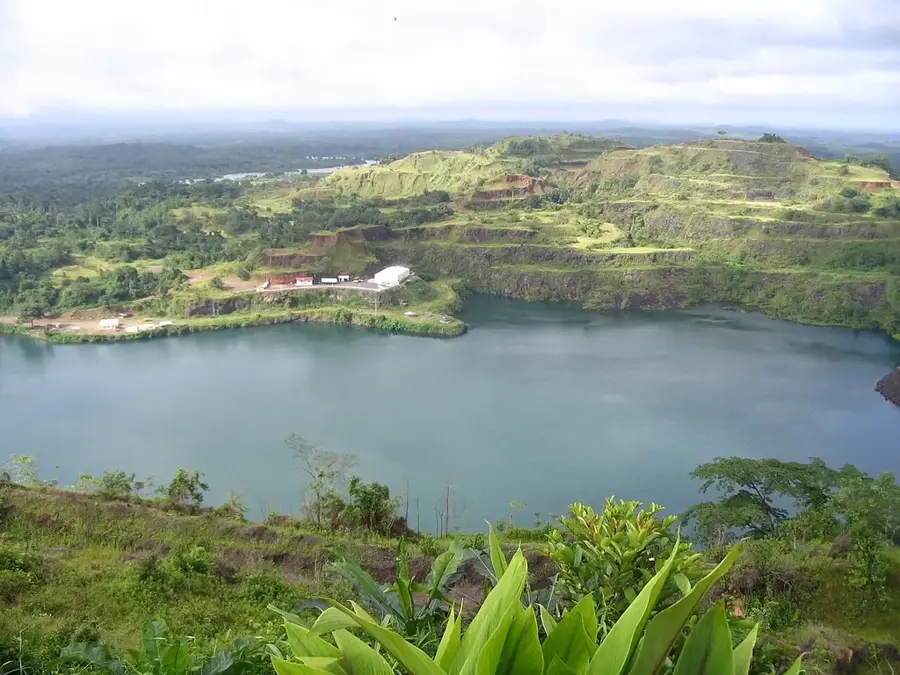
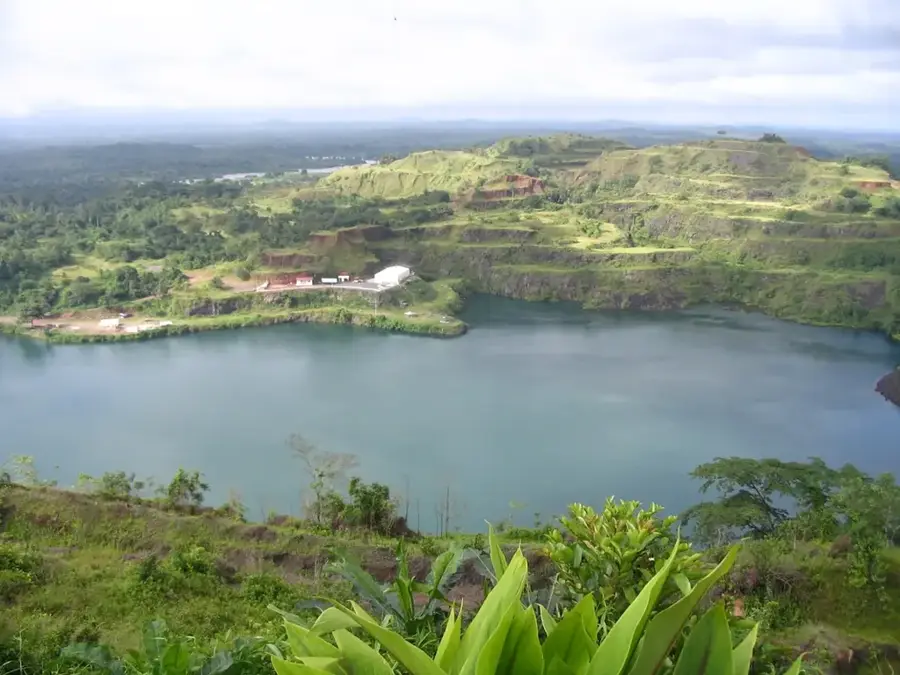
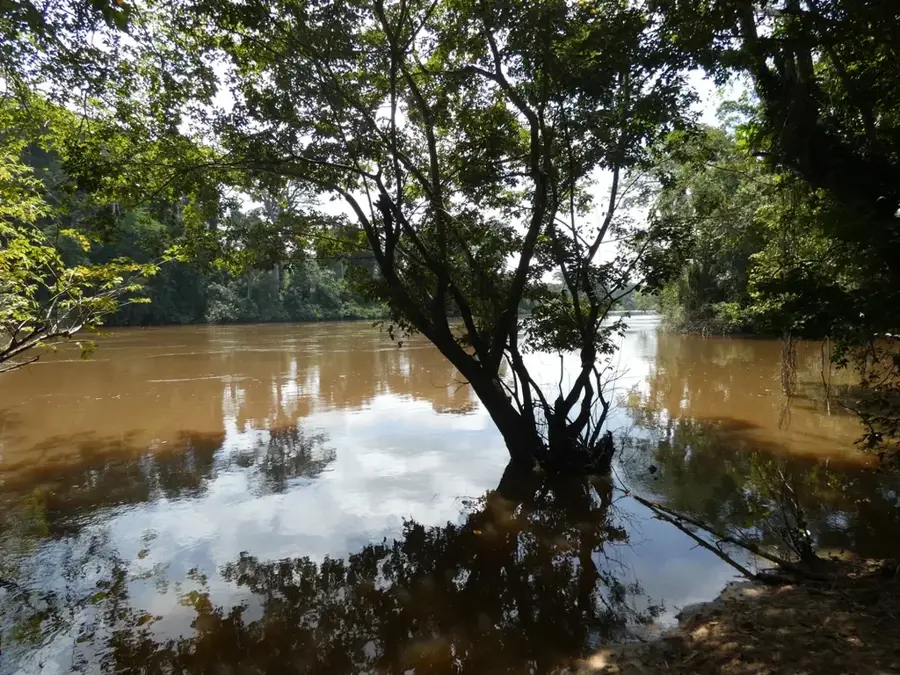
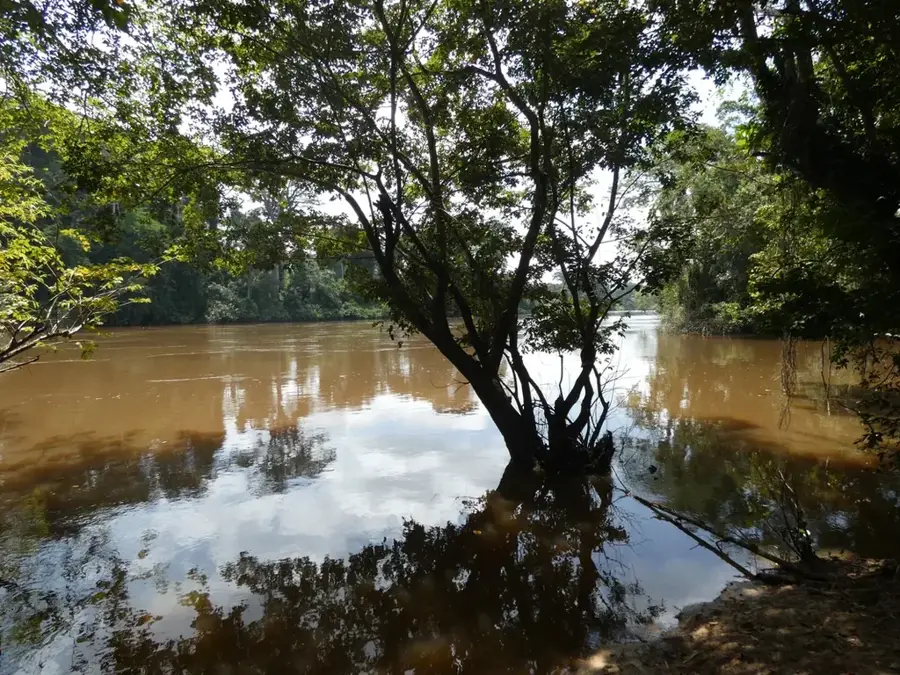
The Cavalla River Valley is defined by the winding course of the Cavalla River, which at 515 kilometers is the longest river in Liberia. It marks the sovereign border between Liberia and neighboring Ivory Coast, functioning as both a geographical barrier and a cultural bridge. The valley's terrain is predominantly low-lying and covered with fertile alluvial deposits, which have fostered the growth of massive rubber, coffee, and cocoa plantations. Historically, the river was the primary artery for trade in the southeastern provinces, with large canoes and small vessels transporting goods to the coast. The valley's ecosystem is exceptionally rich, comprising primary rainforest and seasonal wetlands that support diverse bird species and aquatic life. Cultural heritage remains strong in the valley, with indigenous Kru and Grebo communities maintaining traditional fishing practices and spiritual connections to the river. Navigation can be complex due to seasonal water level fluctuations, yet the river remains an essential lifeline for transport and commerce in this remote part of West Africa.

Best time to visit & climate

The most pleasant time to visit is Jan, Aug, Dec.

JanFebMarAprMayJunJulAugSepOctNovDec
Avg °C262727272726252425262626
Rain mm598712513924238917312719920111667

📋 Practical info

🧭
Getting there
This expansive, remote valley in southeastern Liberia is best reached by rugged off-road vehicles starting from major regional centers. Because of the vast distances and extremely poor road network, hiring an experienced local driver is crucial for access.
📅
Best season
The most favorable conditions are reliably found between December and April, when the valley floor is relatively dry and somewhat passable. Heavy seasonal rains can cause sudden, massive road washouts and turn the valley into a vast, muddy wetland.
⛰️
Terrain & paths
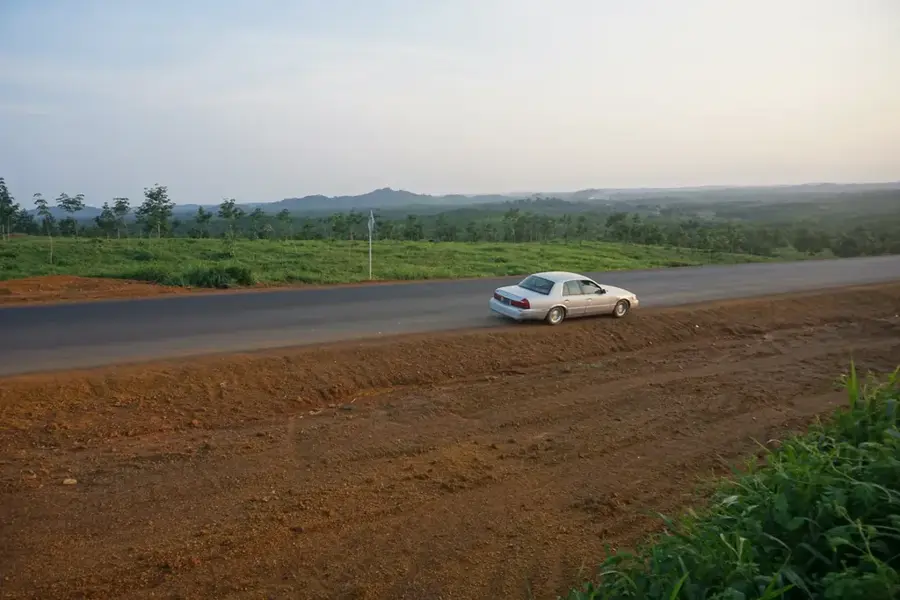
Visitors will encounter a diverse mixture of dense lowland forests, flat riverine plains, and gently undulating topographical features. The absolute lack of formal trails means you will largely rely on local dirt tracks and obscure, overgrown footpaths.
🎒
What to bring
Sturdy waterproof hiking boots, comprehensive insect protection, and lightweight, highly breathable clothing are absolute necessities in this climate. You must carry a comprehensive first-aid kit, extra fuel for vehicles, and ample filtered drinking water.
🅿️
Parking
Parking is strictly informal and should be arranged in the larger villages scattered throughout the valley, seeking direct permission from local chiefs. Always ensure your vehicle is parked on reasonably high ground during periods of potential sudden rain.
⚠️
Safety
The extreme remoteness means you must be entirely self-sufficient in case of vehicular breakdown, getting lost, or a medical emergency. Watch out for dangerous tropical wildlife and avoid walking near the unstable river edges during sudden water level rises.
⏱️
Time needed
Exploring the immense valley thoroughly usually demands a challenging multi-day overland expedition rather than a simple, casual day trip. A brief scenic stop to appreciate the river's shaping of the lush landscape will take at least a few solid hours.

Geography

Coordinates
4.50000, -7.50000

Facts

  • The Cavalla River is 515 km long.
  • The valley extends 200 km in length.
  • Valley width is 10-30 km.
  • Elevation ranges from 100 to 400 m.
  • Annual rainfall is 2,000 mm.
  • Gold reserves estimated at 50,000 ounces.

Explore nearby

Notable places around
Route planner — Car & Motorhome

Where do you start? We build the route here, with stops and country notes along the way.

Vehicle
Only stops with (optional):

© OpenStreetMap contributors · OpenRouteService

Sights nearby

Frequently asked questions

What is the Cavalla Valley?
It is the valley of the Cavalla River, which forms the border with Ivory Coast.
What is the valley known for?
It is famous for its rubber plantations and ecological diversity.
Can you travel by boat on the river in the valley?
Yes, the Cavalla is navigable in many parts and is used locally for trade.
How is the climate in the valley?
Very humid and hot, typical of the equatorial rainforest.
Are there border crossings in the valley?
There are some official crossings, mostly served by ferries.
Cavalla River Valley: where is it located?
Cavalla River Valley is located in Liberia.
Cavalla River Valley: when is the best time to visit?
The most pleasant time to visit is Jan, Aug, Dec.
Cavalla River Valley: why is it worth visiting?

The Cavalla River Valley is defined by the winding course of the Cavalla River, which at 515 kilometers is the longest river in Liberia.
View on map → The Top 50 Attractions → OpenStreetMap →
Africa
Explore with Plizio Discover more places in Africa
More places in Liberia →

Nearby cities

History & landmarks

Nature
More places