Plizio Visual Lab

Nam Ngum Reservoir Valley
Plizio editorial teamData Sources
valley
—°7
Nam Ngum Reservoir Valley (Laos)

Weather…

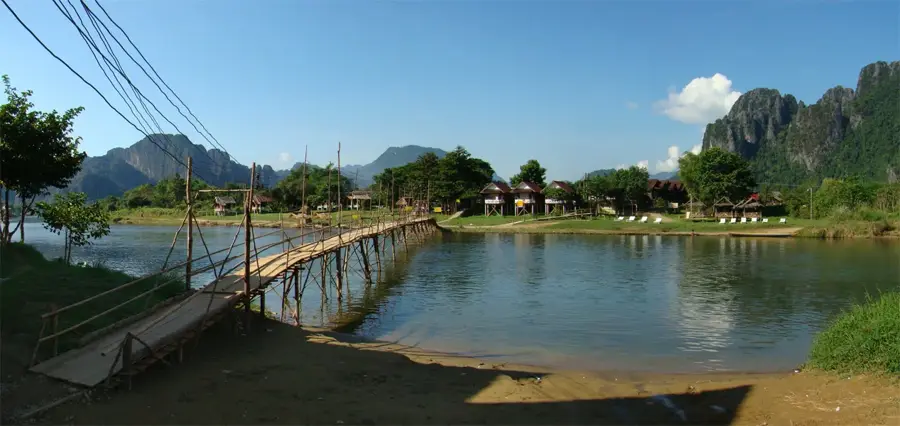
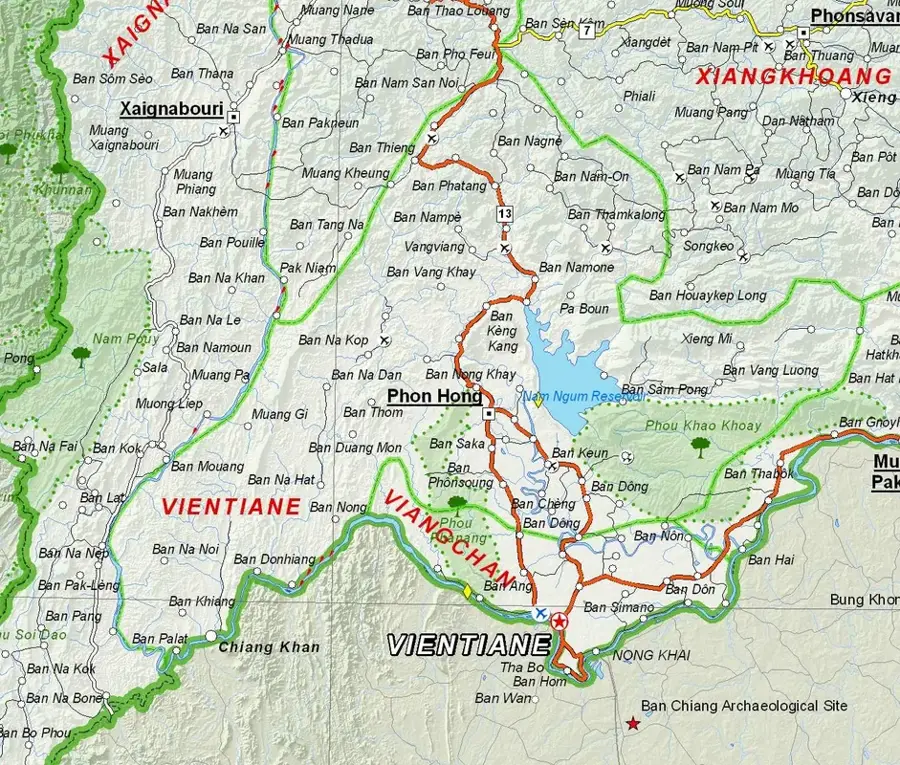
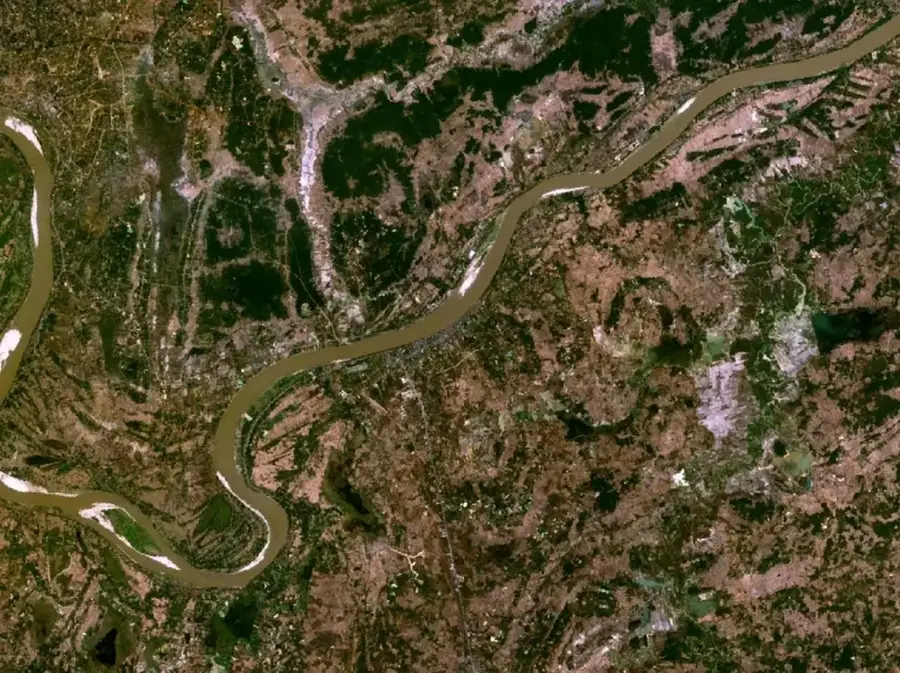
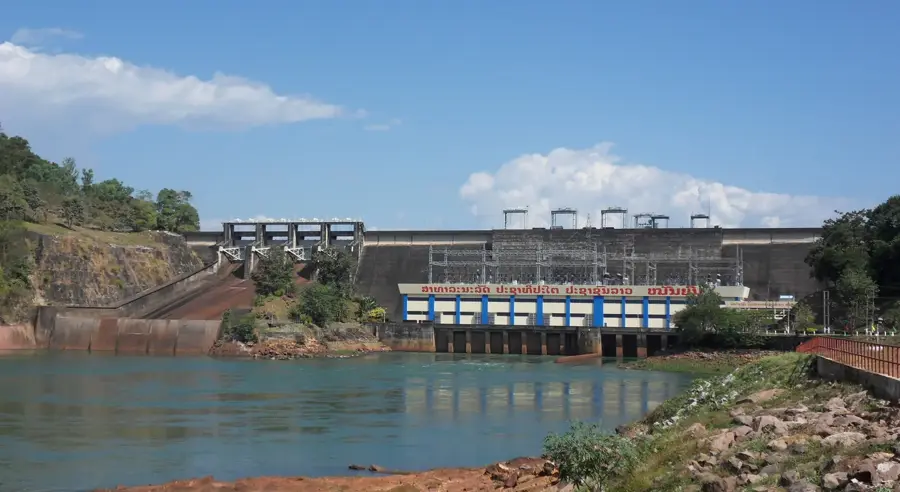
The Nam Ngum Reservoir Valley in central Laos was created following the completion of the country's first major hydroelectric dam in 1971. Spanning approximately 370 square kilometers, the reservoir is the largest man-made lake in Laos and serves as a vital component of the energy infrastructure for the Vientiane region. The flooding of the valley transformed former hilltops into hundreds of small islands, creating a scenic landscape that has become a popular destination for tourism. Beyond power generation, the lake supports a significant inland fishing industry, providing sustenance and livelihoods for surrounding communities. Ecologically, the reservoir has altered the local microclimate and created habitats for various waterfowl species. The surrounding area features dense tropical forests that transition into agricultural lands. While providing immense economic benefits, the reservoir stands as a prominent example of the large-scale environmental and landscape modifications associated with infrastructure development in Southeast Asia.

Best time to visit & climate

The most pleasant time to visit is Jan, Feb, Dec.

JanFebMarAprMayJunJulAugSepOctNovDec
Avg °C212427302928272727262421
Rain mm79305113614618822016364146

📋 Practical info

🧭
Getting there
The reservoir area is usually reached by private transport, buses, or minivans from the capital city. The main boat launch area serves as the primary gateway for exploring the scattered islands.
📅
Best season
The dry, cooler months between November and February provide the clearest skies and most comfortable boat trips. The wetter summer months can be hot, with heavy showers temporarily obscuring views.
⛰️
Terrain & paths
The environment consists of a massive artificial lake dotted with numerous small, forested islands. Visitors spend most of their time on boats, with very little rough walking required on the shores.
🎒
What to bring
Casual clothing and comfortable shoes are sufficient for boarding and disembarking vessels. Given the reflection off the large water body, sunglasses and strong sunscreen are highly recommended.
🅿️
Parking
There is typically a large, open parking area near the main docks where boat tours are chartered. This lot accommodates the buses and private vehicles of tourists visiting for the day.
⚠️
Safety
Ensure that the hired boat is equipped with a sufficient number of life jackets for all passengers on board. Avoid swimming in areas close to boat traffic or the active zones of the dam structure.
⏱️
Time needed
A standard boat cruise around the reservoir's scenic islands usually takes between one and three hours. Some visitors opt to stay overnight at local resorts to enjoy a full weekend retreat.

Geography

Coordinates
18.50000, 102.50000

Facts

  • Construction of the Nam Ngum Dam was completed in 1971
  • Largest artificial lake in Laos, covering 370 sq km
  • Features over 300 islands created by the valley flooding
  • Primary source of electricity for the capital, Vientiane
  • Popular destination for weekend tourism and boat trips
  • Supports a major fishing industry with over 50 fish species

Explore nearby

Notable places around
Route planner — Car & Motorhome

Where do you start? We build the route here, with stops and country notes along the way.

Vehicle
Only stops with (optional):

© OpenStreetMap contributors · OpenRouteService

Sights in the town Nam Ngum Reservoir Valley (7)

Vang Xang📍 landmark

An ancient Buddhist archaeological site featuring large Buddha statues carved directly into the rock face in the Nam Ngum valley.

Phonsavat Temple⛪ religious

A spiritual place of worship located in the scenic Nam Ngum reservoir valley, providing a quiet retreat for prayer and reflection.

Phra That Done Keo⛪ religious

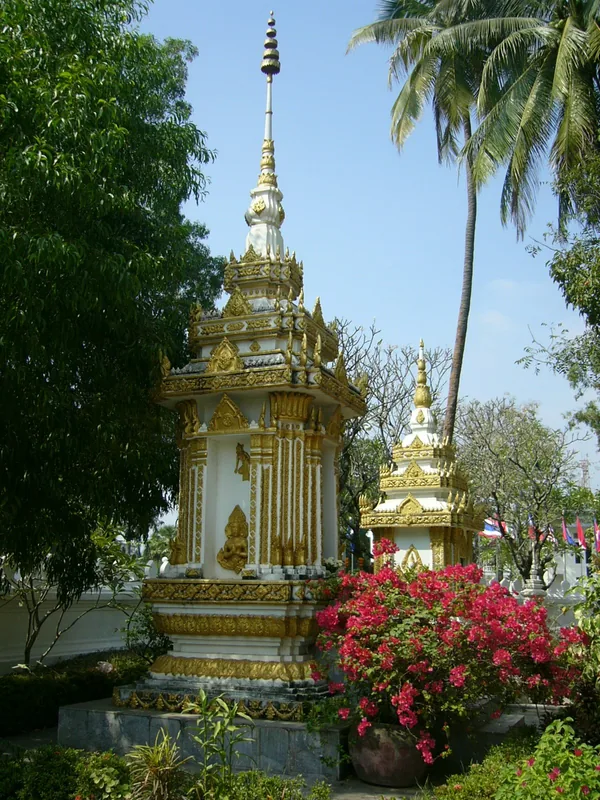
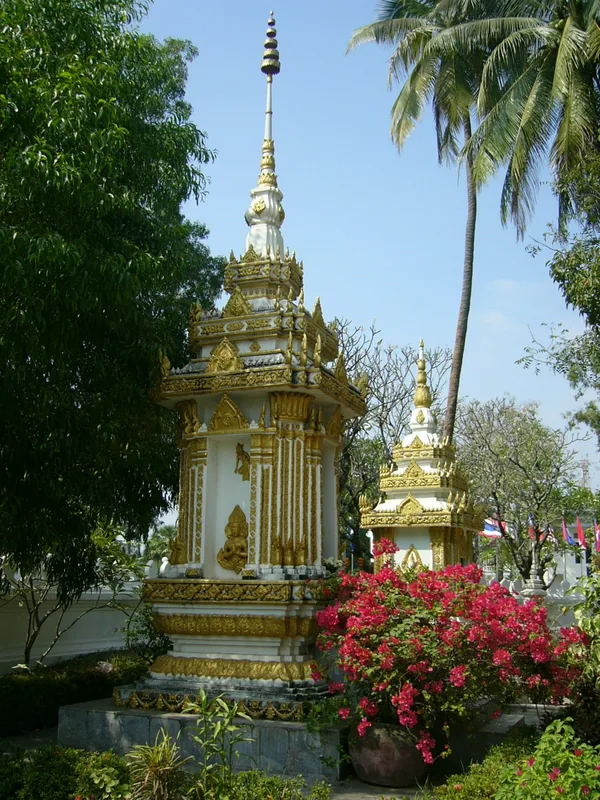
A revered religious stupa in the Nam Ngum region, housing sacred relics and serving as a focal point for local pilgrimages.

ວັດບ້ານເມືອງເກົ່າ📍 landmark

This traditional Buddhist temple complex lies in the old settlement area of the Nam Ngum valley, preserving local monastic heritage.

ວັດບ້ານທ່າໂພໄຊ📍 landmark

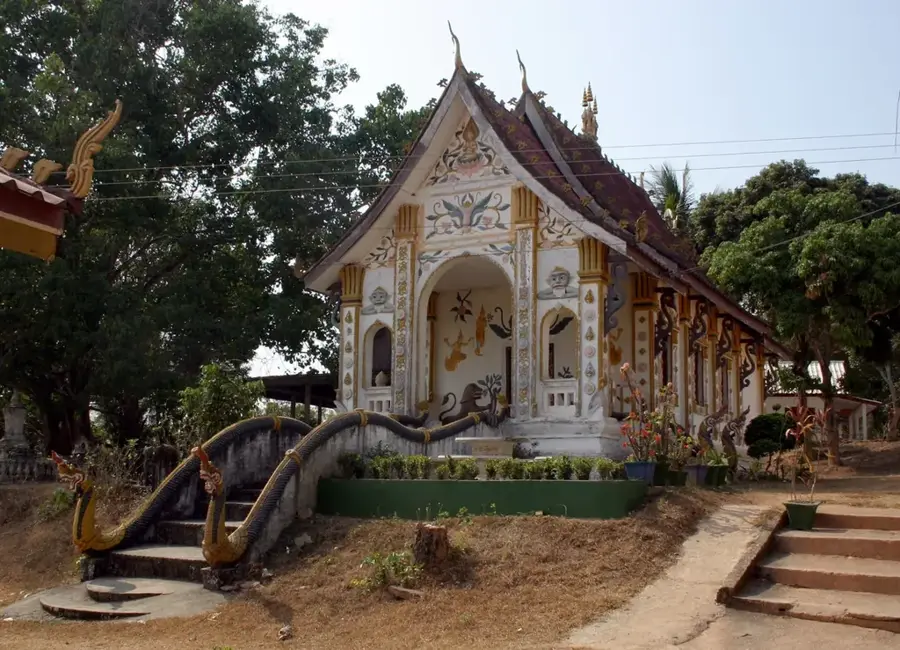
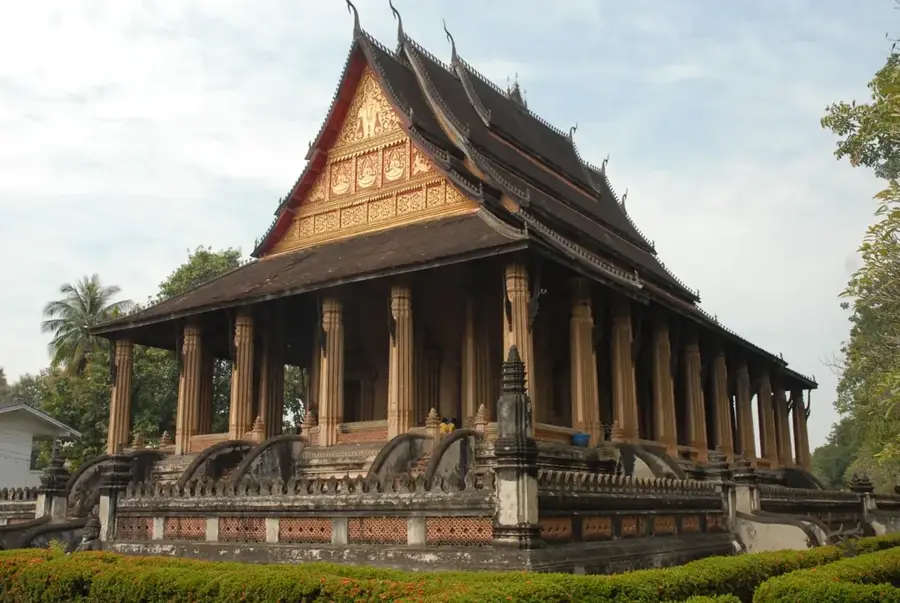
A village Buddhist temple near the Nam Ngum reservoir that features a distinctly decorated ordination hall for the local monastic community.

Thalad Public Market🎭 culture

A bustling community marketplace in Thalad offering freshly caught fish from the nearby Nam Ngum reservoir alongside local produce.

Phonmee Market🎭 culture

This local market near the Nam Ngum reservoir provides an authentic shopping experience with stalls full of spices, vegetables, and daily necessities.

🕒 24/7

Sights nearby

Frequently asked questions

What can you do at the Nam Ngum reservoir?
Popular activities include boat trips to the islands, lunch on floating restaurants, and fishing.
How far is the lake from Vientiane?
The drive takes about 1.5 to 2 hours (approx. 90 km), making it convenient for a day trip from the capital.
Can you swim in the reservoir?
Yes, the water is clean and calm, but you should be mindful of boat traffic and underwater obstacles.
Are there hotels to stay overnight?
There are some resorts right on the shore that offer a beautiful view of the water and tranquility.
Is the lake used for economic purposes?
Yes, the local hydroelectric power plant is one of the country's most important, producing electricity for export.
Nam Ngum Reservoir Valley: where is it located?
Nam Ngum Reservoir Valley is located in Laos.
Nam Ngum Reservoir Valley: what is there to see?
Highlights include Vang Xang, Phonsavat Temple, Phra That Done Keo.
Nam Ngum Reservoir Valley: when is the best time to visit?
The most pleasant time to visit is Jan, Feb, Dec.
Nam Ngum Reservoir Valley: why is it worth visiting?

The Nam Ngum Reservoir Valley in central Laos was created following the completion of the country's first major hydroelectric dam in 1971.
View on map → The Top 50 Attractions → OpenStreetMap →
Asia
Explore with Plizio Discover more places in Asia
More places in Laos →

Nearby cities

History & landmarks
More places