Plizio Visual Lab
Wat Si Saket
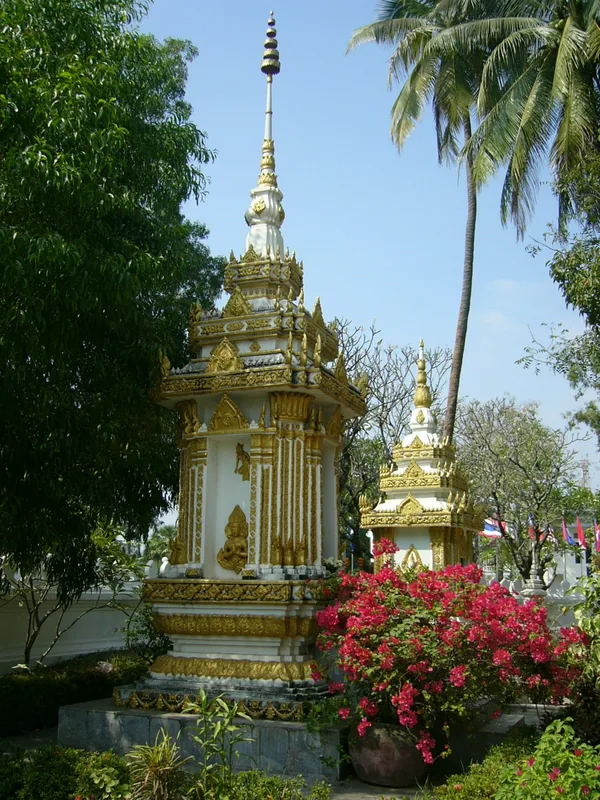
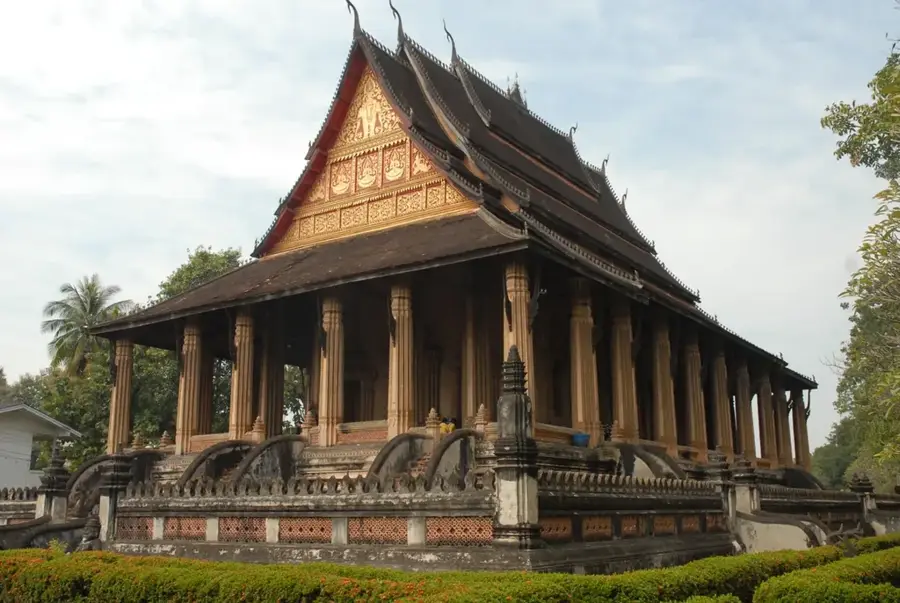
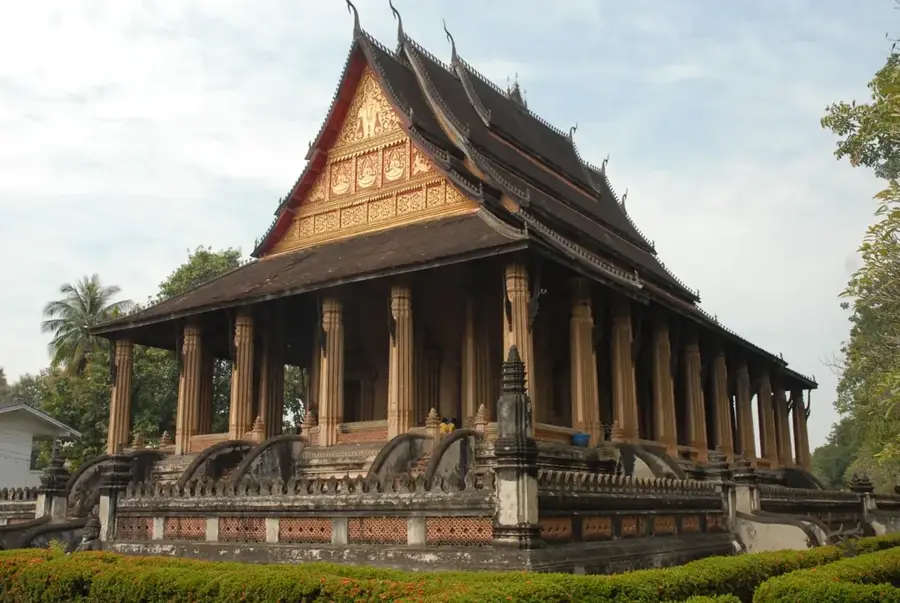
Wat Si Saket is the oldest temple in Vientiane still standing in its original form, making it a vital landmark of Lao history. It was built in 1818 by King Anouvong in the Siamese architectural style, which likely saved it from destruction during the Siamese invasion of 1828. While nearly every other structure in the city was leveled, Wat Si Saket was spared and used as a headquarters by the invaders. The temple is famous for its cloister walls, which contain over 6,800 Buddha images of various sizes made from bronze, stone, and ceramics. The main sanctuary (Sim) features a magnificent tiered roof and ornate murals depicting the life of the Buddha. The grounds also house a traditional library building with a Burmese-style roof. Today, the temple remains an active place of worship and a popular museum for tourists. Its design reflects the deep cultural and artistic ties between Laos and Thailand during the early 19th century.
- Location: Laos
- Nearby: Nam Ngum Reservoir (15 km)
Best time to visit & climate
The most pleasant time to visit is Jan, Nov, Dec.
| Jan | Feb | Mar | Apr | May | Jun | Jul | Aug | Sep | Oct | Nov | Dec | |
|---|---|---|---|---|---|---|---|---|---|---|---|---|
| Avg °C | 21 | 25 | 28 | 31 | 29 | 28 | 27 | 27 | 27 | 25 | 23 | 21 |
| Rain mm | 8 | 13 | 35 | 62 | 168 | 170 | 203 | 246 | 204 | 85 | 16 | 6 |
📋 Practical info
Geography
Facts
- Built in 1818 by King Anouvong, the last king of Vientiane.
- The only temple in Vientiane to survive the Siamese destruction of 1828.
- Contains exactly 6,840 Buddha images in its galleries.
- Features a distinctive Siamese-style five-tiered roof.
- The murals inside the Sim date back to the temple's foundation.
- Includes a historical library that once held sacred palm-leaf manuscripts.
Explore nearby
Notable places around

Route planner — Car & Motorhome
Where do you start? We build the route here, with stops and country notes along the way.
© OpenStreetMap contributors · OpenRouteService
Sights in the town Wat Si Saket (1)
Sights nearby
Frequently asked questions
What makes Wat Sisaket special?
How many Buddha statues are there?
How much is the entrance fee?
When can you visit the temple?
Is photography allowed in the temple?
Wat Si Saket: where is it located?
Wat Si Saket: when is the best time to visit?
Wat Si Saket: why is it worth visiting?

Nearby cities
History & landmarks
More places