Plizio Visual Lab

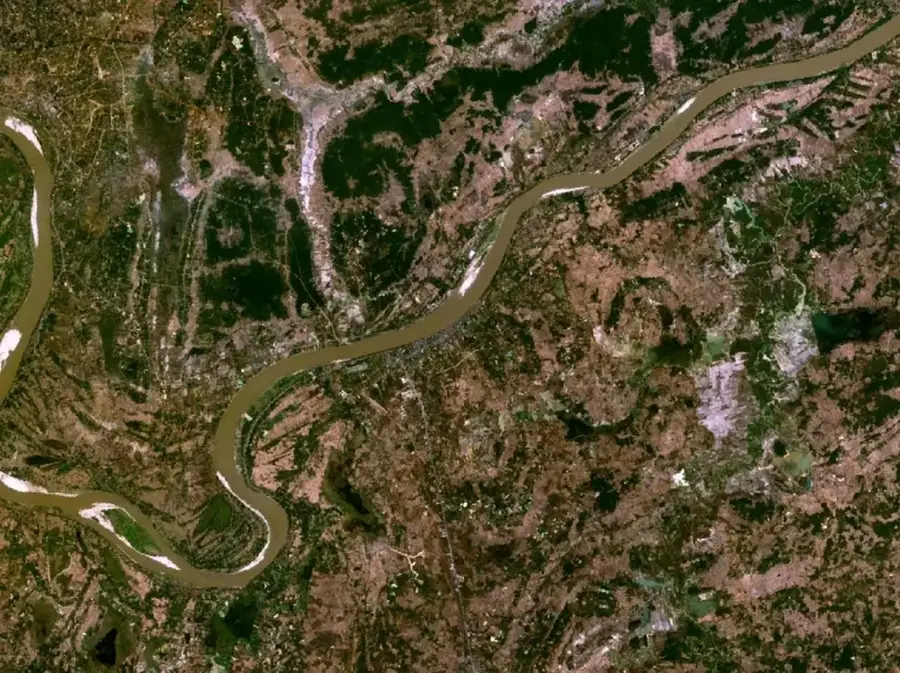
Mekong River Valley at Vientiane
Plizio editorial teamData Sources
valley
—°2
Mekong River Valley at Vientiane (Laos)

Weather…

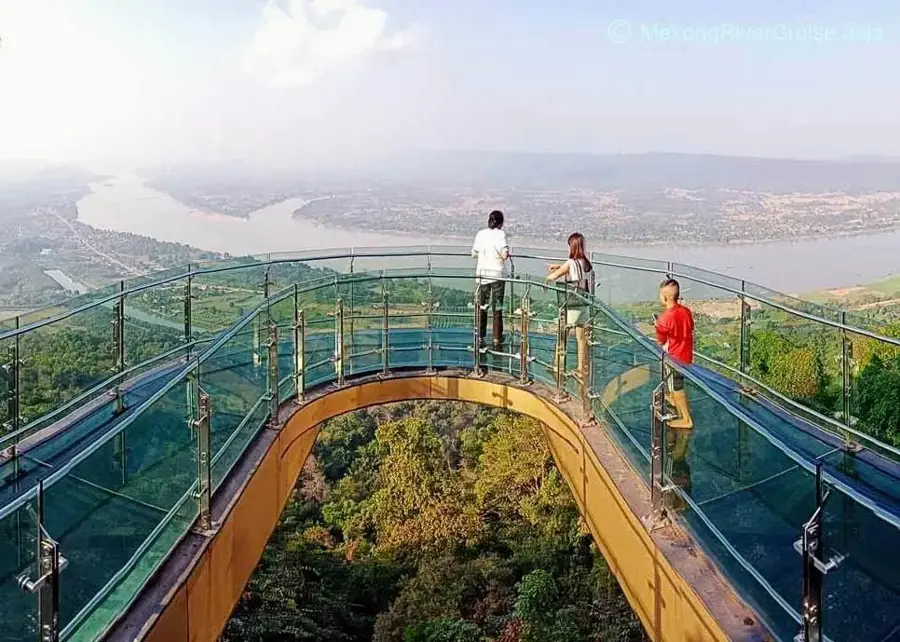
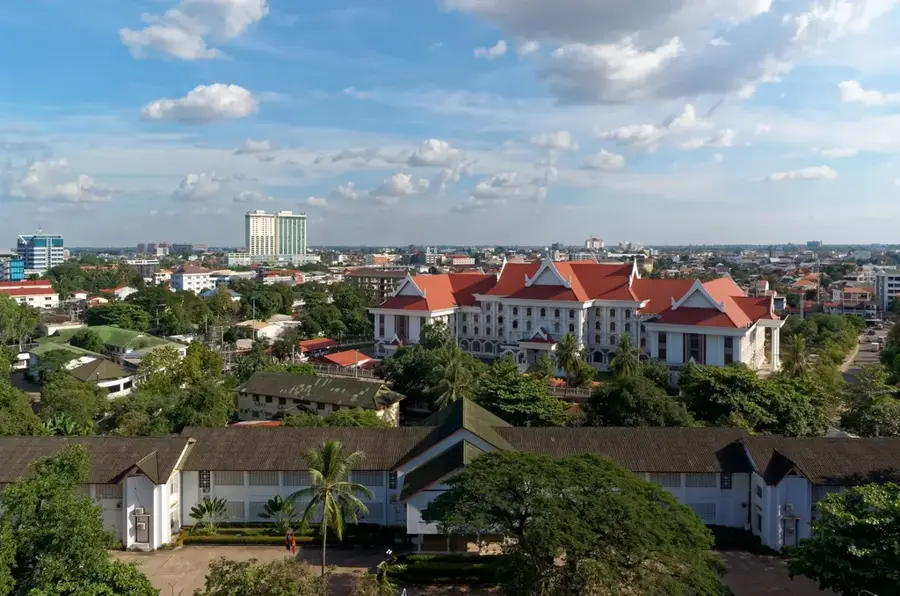
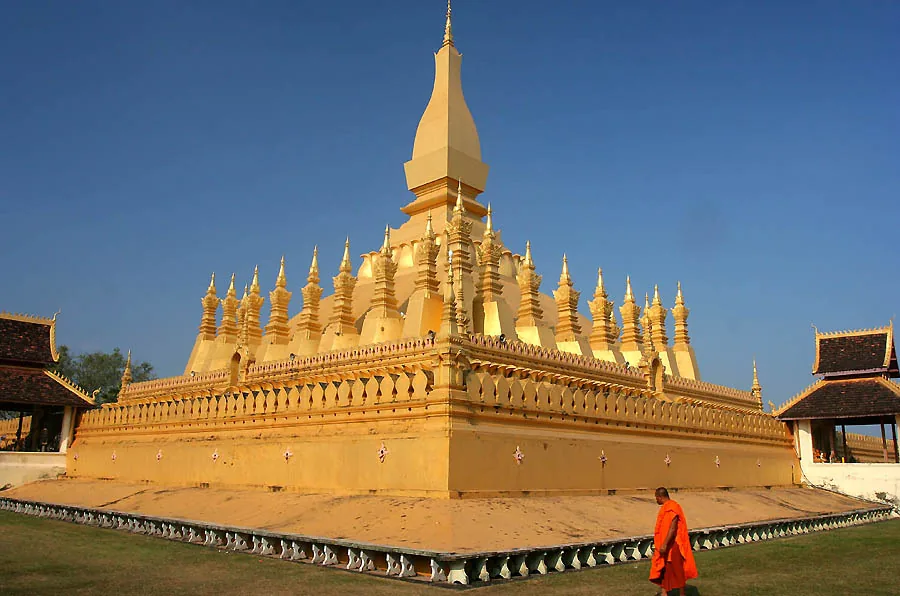
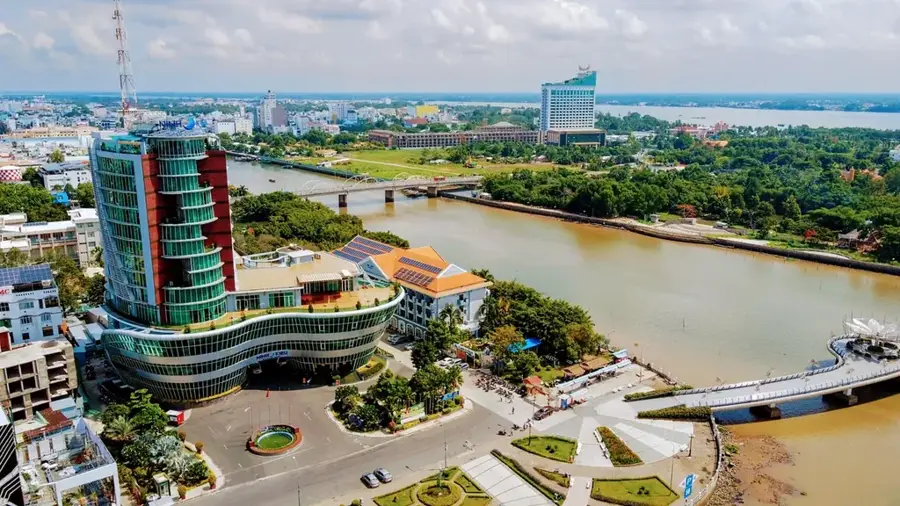
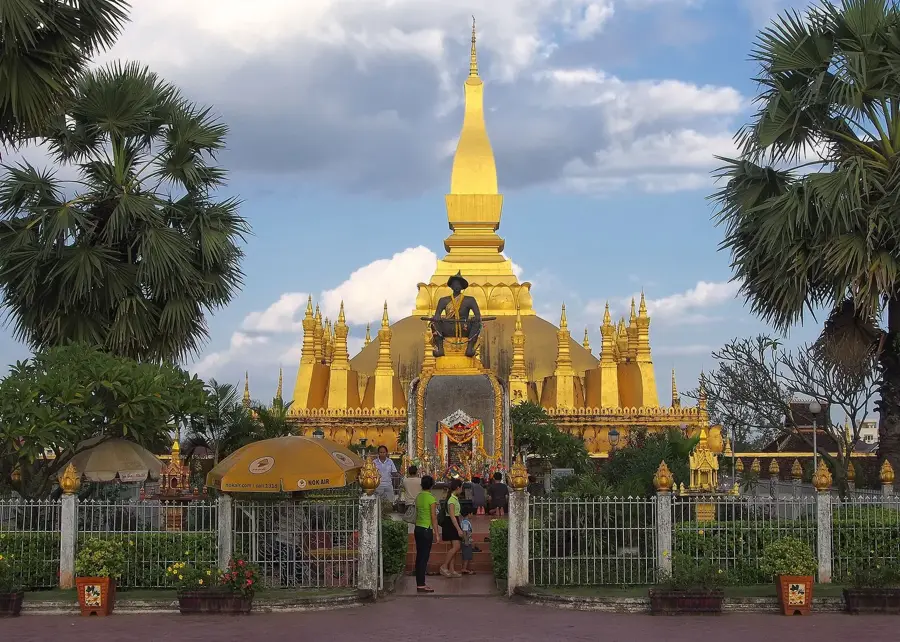
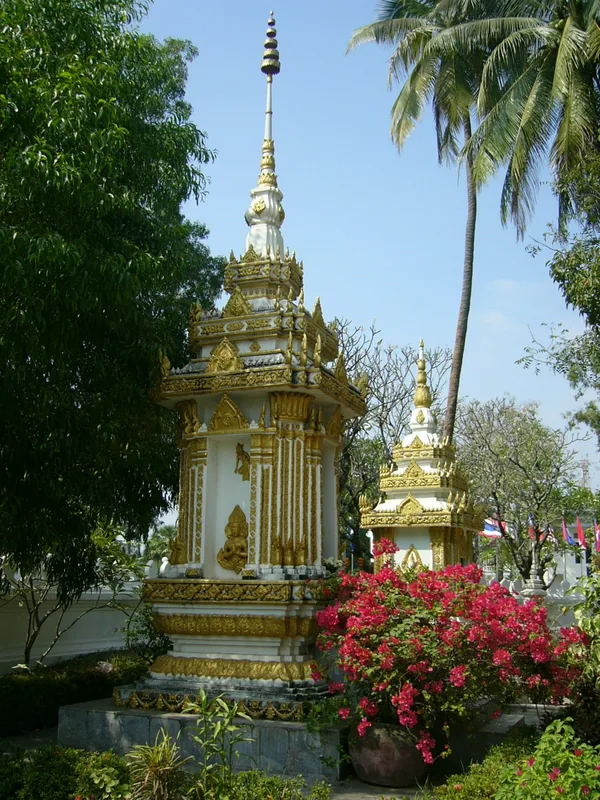
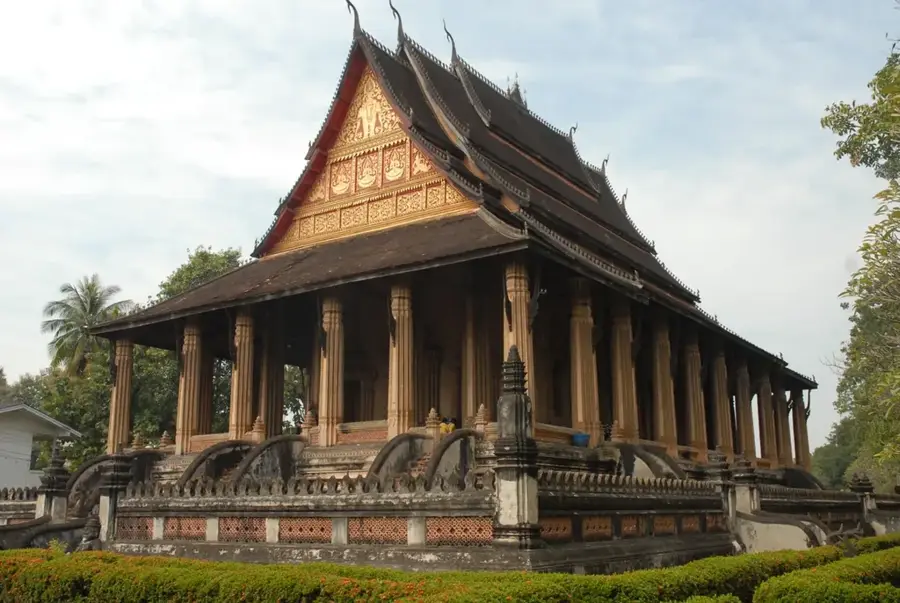
The Mekong River Valley at Vientiane is a vast, fertile alluvial plain that forms the economic and political heart of Laos. Geographically, this area is characterized by the massive sediment deposits of the Mekong River, which over millennia have created a good foundation for wet-rice cultivation. The river is several hundred meters wide here and marks the official border with neighboring Thailand, with the plain on both sides of the stream exhibiting similar ecological characteristics. The valley's flat topography has favored the emergence and growth of Vientiane, which stretches along the riverbanks. The climate is tropical monsoonal, leading to seasonal fluctuations in water level, with the river exposing wide sandbanks during the dry season. These sandbanks are often used by local farmers for vegetable cultivation, while the rainy season transforms the entire plain into a lush green. Historically, the valley was a significant settlement area and trade route, as illustrated by numerous temple complexes and the strategic location of the First Thai-Lao Friendship Bridge. The Mekong Valley is not only a lifeline for agriculture but also a central space for cultural interaction and cross-border trade.

Best time to visit & climate

The most pleasant time to visit is Jan, Nov, Dec.

JanFebMarAprMayJunJulAugSepOctNovDec
Avg °C212528312928272727252321
Rain mm813356216817020324620485166

📋 Practical info

🧭
Getting there
The prominent river valley forms the immediate western backdrop to the capital city, Vientiane, making it instantaneously accessible to anyone visiting the central urban area. The wide, paved riverside park provides effortless pedestrian access to expansive, unobstructed views.
📅
Best season
The distinctly dry months, particularly spanning from November to February, are universally considered well-suited, offering significantly cooler evenings great for strolling. During the humid rainy season, the river's volume increases dramatically, covering the expansive seasonal sandbanks.
⛰️
Terrain & paths
The primary visitor area in Vientiane is a vast, remarkably flat, heavily paved promenade designed specifically for pedestrians, evening joggers, and casual cyclists. During the low-water dry season, wide natural sandy floodplains are exposed below the concrete retaining walls.
🎒
What to bring
Comfortable, everyday urban walking shoes are absolutely convenient for navigating the extensive paved riverside parks and the nearby bustling night market areas. If deciding to venture down onto the exposed river sandbanks during the dry season, sandals are highly recommended.
🅿️
Parking
Extensive, highly visible parking areas are systematically available along the main roads running parallel to the riverside park, accommodating cars and many motorbikes. Finding a spot is usually very straightforward during the day, though it naturally becomes congested at sunset.
⚠️
Safety
The expansive paved urban promenade is extremely safe and heavily frequented by welcoming locals and tourists alike, though standard urban situational awareness is advised. Caution is needed if walking on the dry season sandbanks, as the loose sand can sometimes be quite deep.
⏱️
Time needed
Visitors frequently spend one to two relaxed hours in the late afternoon or early evening enjoying the majestic sunset views and the pleasant cooling river breeze. The experience is almost always extended into the night by exploring the bustling riverside market stalls.

Geography

Coordinates
17.96667, 102.60000

Facts

  • Vientiane is situated directly on the northern bank of the Mekong at 174 meters altitude.
  • The alluvial plain covers several thousand square kilometers.
  • The Mekong River reaches a width of nearly one kilometer here in the rainy season.
  • The First Thai-Lao Friendship Bridge was opened to traffic in 1994.
  • The region produces the majority of the sticky rice consumed in Laos.
  • The average annual precipitation in the valley is approximately 1,600 mm.

Explore nearby

Notable places around
Route planner — Car & Motorhome

Where do you start? We build the route here, with stops and country notes along the way.

Vehicle
Only stops with (optional):

© OpenStreetMap contributors · OpenRouteService

Sights in the town Mekong River Valley at Vientiane (2)

Naga Beach📍 landmark

Naga Beach is a photogenic sandy shoreline along the Mekong River near Vientiane.

Inpeng Temple⛪ religious

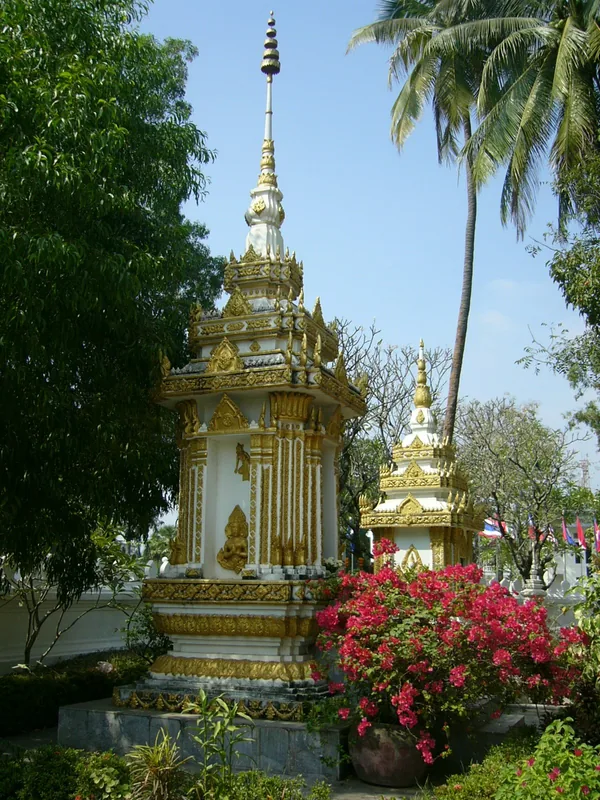
The Inpeng Temple is a historic place of worship located in the Mekong River valley near Vientiane.

Sights nearby

Frequently asked questions

When is the best time to visit the Mekong Valley near Vientiane?
The handy time is from November to February, when the weather is dry and temperatures are pleasantly cool.
Can you swim in the Mekong at Vientiane?
Due to strong currents and water quality, swimming is not recommended; boat trips are a better alternative.
Are there cycling paths along the river?
Yes, the riverside promenade in Vientiane features flat paths that are good for sunset cycling tours.
What local specialties should one try?
Try grilled Mekong fish (Pa Puk) and traditional sticky rice at the riverside food stalls.
Is the valley suitable for families with children?
Yes, especially the riverside parks offer plenty of space to play and are safe for relaxed family walks.
Mekong River Valley at Vientiane: where is it located?
Mekong River Valley at Vientiane is located in Laos.
Mekong River Valley at Vientiane: what is there to see?
Highlights include Naga Beach, Inpeng Temple.
Mekong River Valley at Vientiane: when is the best time to visit?
The most pleasant time to visit is Jan, Nov, Dec.
Mekong River Valley at Vientiane: why is it worth visiting?

The Mekong River Valley at Vientiane is a vast, fertile alluvial plain that forms the economic and political heart of Laos.
View on map → The Top 50 Attractions → OpenStreetMap →
Asia
Explore with Plizio Discover more places in Asia
More places in Laos →

Nearby cities

History & landmarks
More places