Plizio Visual Lab
Khabrat Al-Malha
Weather…
Water temperature…
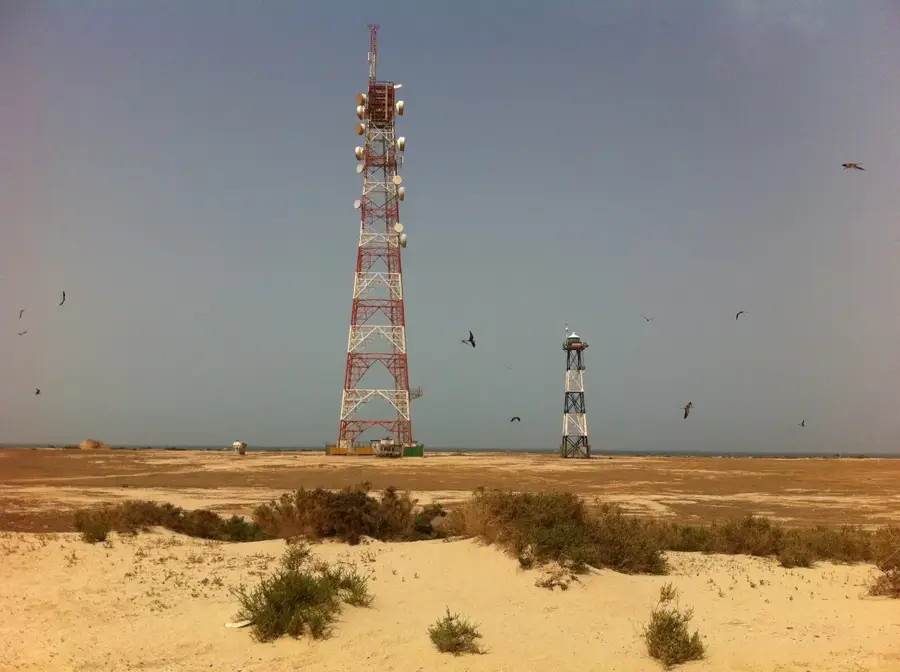
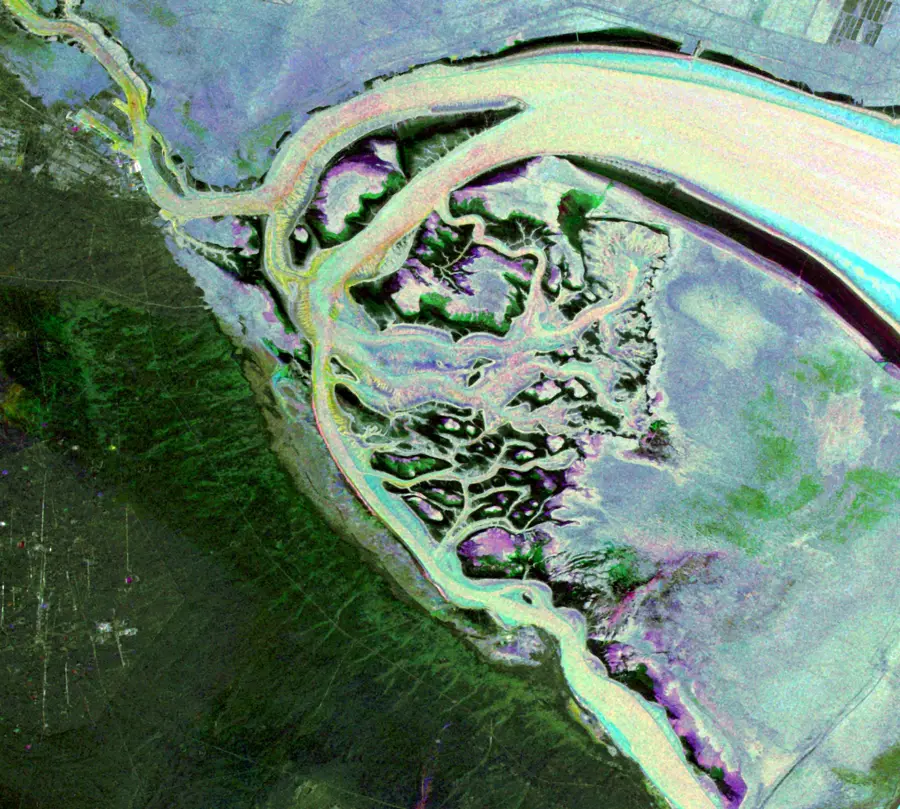
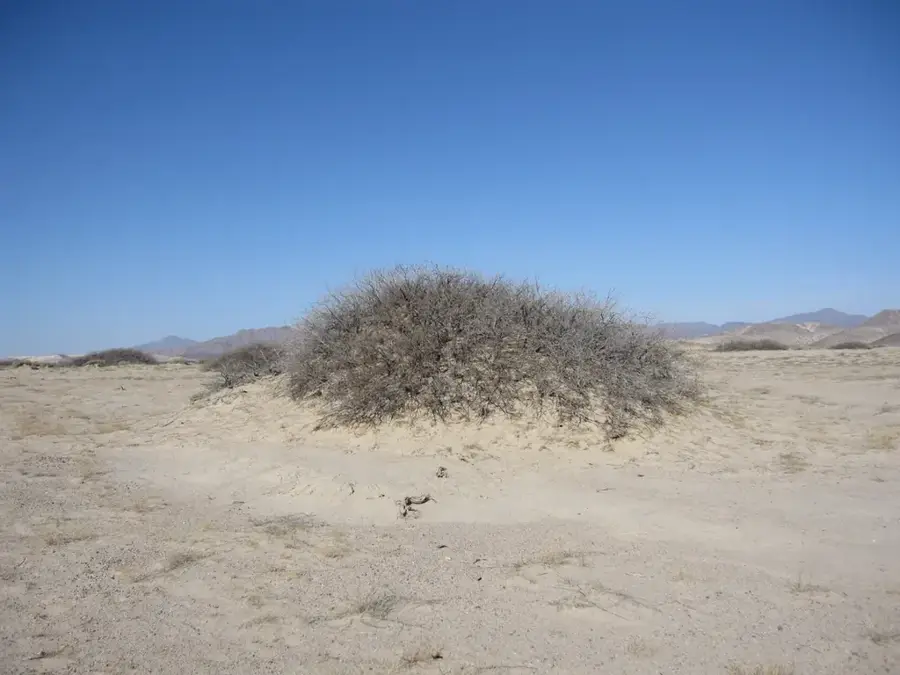
Khabrat Al-Malha is a significant salt pan located in the southern region of Kuwait, classified geologically as a sabkha. This natural depression acts as a catchment area for groundwater and occasional rainwater, which rapidly evaporates under the intense desert heat. This continuous cycle of flooding and evaporation leads to the buildup of a thick, brilliant white crust of salt and other minerals. The surface is often hard and cracked into polygonal patterns during the peak of summer, creating a blindingly bright landscape that contrasts sharply with the golden sands of the surrounding desert. However, following infrequent rain showers, the surface can become extremely soft and hazardous for vehicles. Due to the high salinity levels, the center of the pan is entirely barren, while only specialized salt-tolerant halophytic plants can survive on its fringes. Khabrat Al-Malha serves as an important site for studying the hydrological and evaporative processes typical of the Arabian Peninsula's arid interior.
- Location: Kuwait
- Nearby: Ali Sabah Al-Salem (14 km)
Best time to visit & climate
The most pleasant time to visit is Mar, Apr, Nov.
| Jan | Feb | Mar | Apr | May | Jun | Jul | Aug | Sep | Oct | Nov | Dec | |
|---|---|---|---|---|---|---|---|---|---|---|---|---|
| Avg °C | 14 | 16 | 20 | 25 | 31 | 36 | 37 | 37 | 34 | 29 | 22 | 16 |
| Rain mm | 12 | 14 | 4 | 8 | 1 | 0 | 0 | 0 | 0 | 0 | 3 | 7 |
📋 Practical info
Geography
Facts
- Area: approximately 10 km²
- Elevation: about 20 m below sea level
- Salt crust thickness: up to 30 cm
- Annual precipitation: less than 80 mm
- Dominant vegetation: Salsola imbricata and Suaeda aegyptiaca
- Maximum summer temperature: over 50°C
Explore nearby
Notable places around




Route planner — Car & Motorhome
Where do you start? We build the route here, with stops and country notes along the way.
© OpenStreetMap contributors · OpenRouteService
Sights nearby
Frequently asked questions
What is Khabrat al-Malha?
Can you walk on the salt crust?
Is the water in the Khabrat drinkable?
Is the location suitable for photography?
How far is it from Al Jahra?
Khabrat Al-Malha: where is it located?
Khabrat Al-Malha: when is the best time to visit?
Khabrat Al-Malha: why is it worth visiting?

History & landmarks
Nature
More places