Plizio Visual Lab
Nagasaki
ℹ️Practical info — Nagasaki
▾
🌤 Weather — 5 days
📍 Nearby
Sights nearby
💡 Tips
- Buy a one-day pass for the tram network; it's the cheapest and easiest way to navigate the city.
- Wear very comfortable walking shoes, as the city is built on steep hills with many stairs.
- Visit the Peace Park and Atomic Bomb Museum early in the day for a more reflective, quiet experience.
- The night view from Mount Inasa is spectacular; take the ropeway just before sunset.
🍽 Food
Very popular in the restaurants throughout Shinchi Chinatown.
Find it at historic bakeries like Fukusaya or Bunmeido in the city center.
A local fusion dish found in retro cafes around the shopping arcades.
🛍 Shopping · 🧘 Quiet spots
Great for Chinese-influenced souvenirs, snacks, and local crafts.
The main covered shopping street filled with local boutiques and stores.
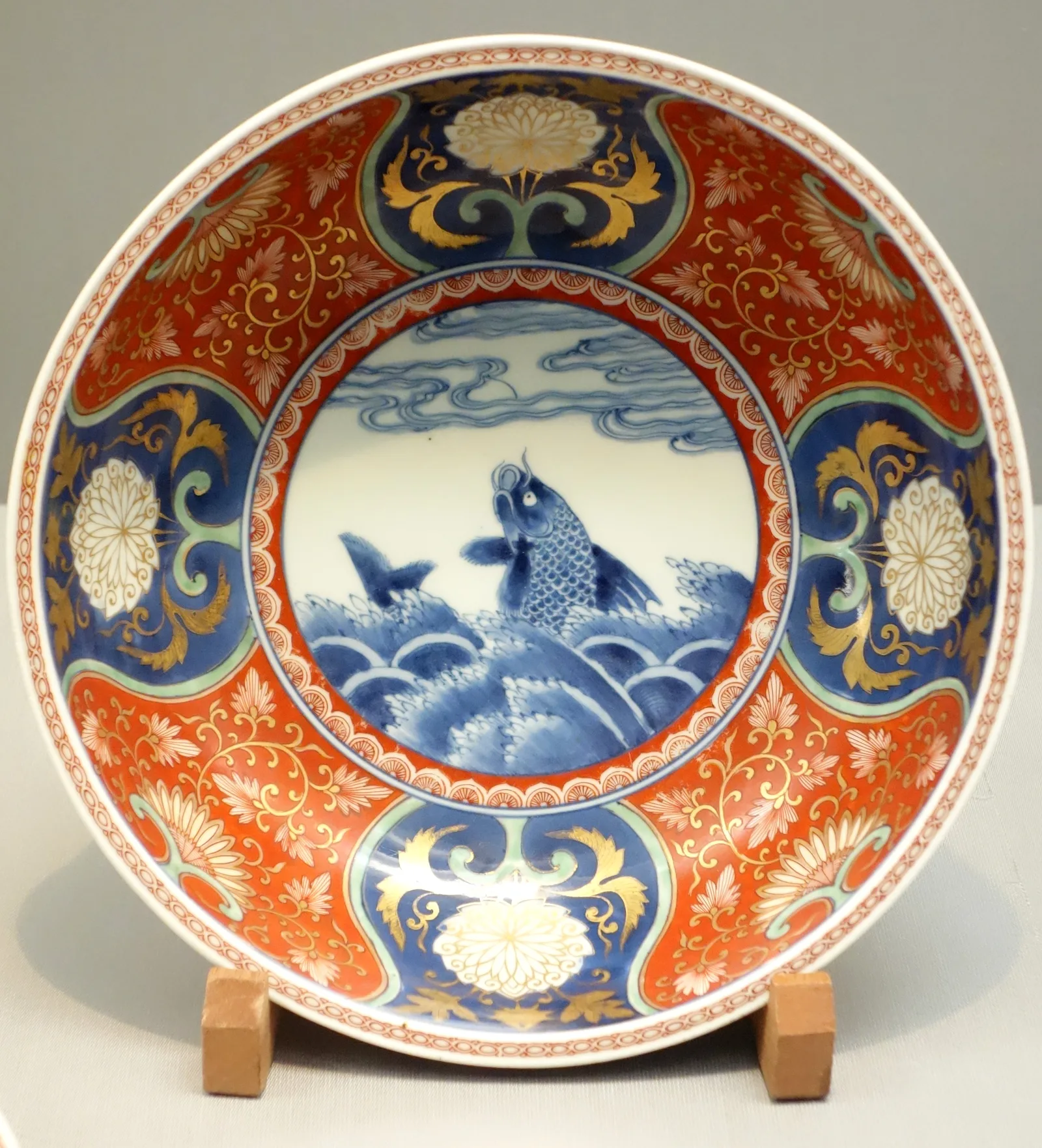
Specialty shops near the tourist areas sell these fine regional ceramics.
Gives serene, elevated views over the harbor amid historic Western-style homes.
A large, grassy park right by the water, first-rate for a relaxing stroll.
Enjoy quiet early mornings taking a walk down along the Nakashima River.
Water temperature…
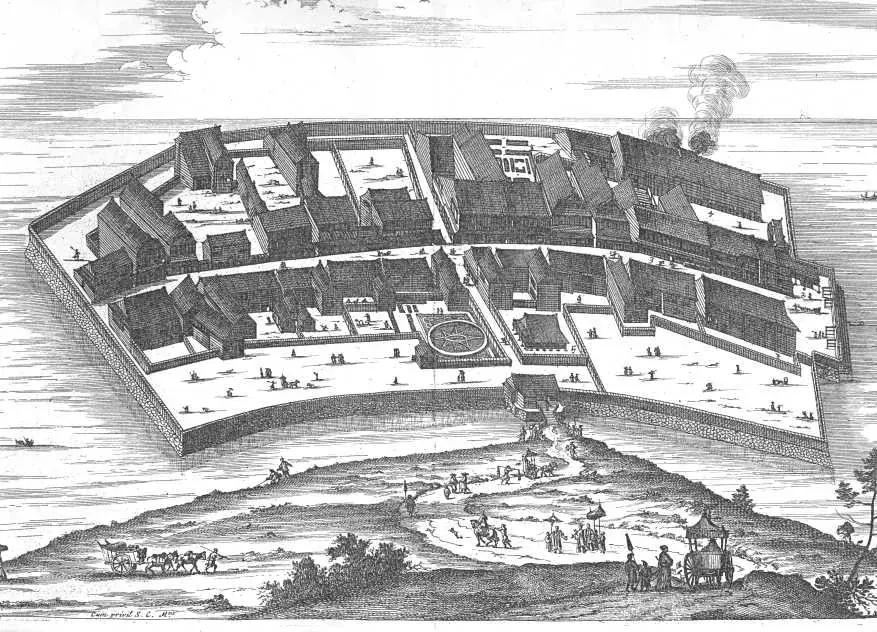
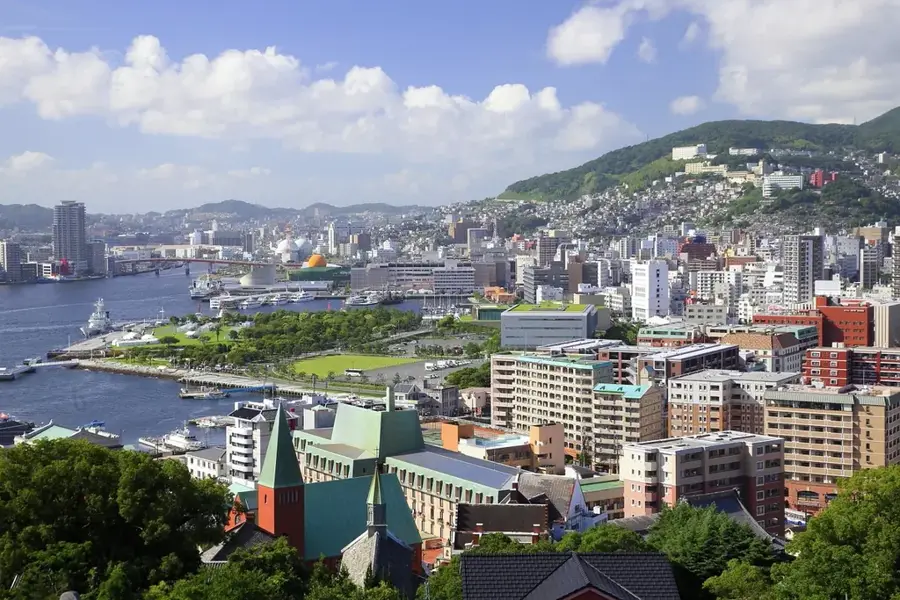
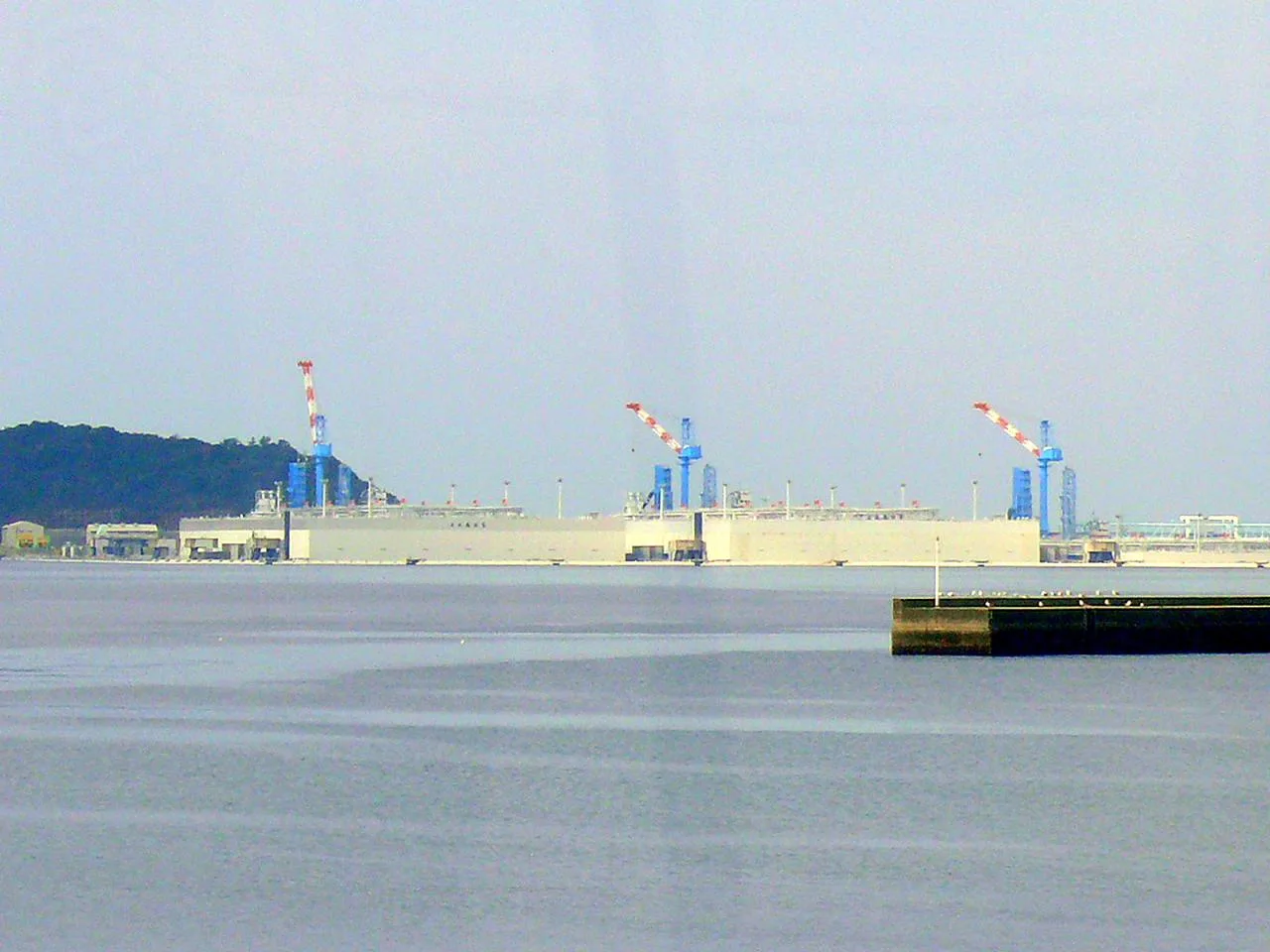
Nagasaki, the capital city of Nagasaki Prefecture on the island of Kyushu, stands as a testament to cultural exchange, resilience, and the pursuit of peace. Its geography is defined by a deep-water harbor flanked by steep hills, creating a scenic amphitheater that has earned it the nickname 'City of Slopes.' For 214 years during Japan's period of isolation, Nagasaki was the nation’s sole gateway to the West, with the fan-shaped artificial island of Dejima serving as a Dutch trading post. This history of internationalism fostered a unique blend of Japanese, Chinese, and European influences, visible today in the city’s eclectic architecture and religious diversity. Nagasaki has long been a center for Christianity in Japan, home to the Basilica of the Twenty-Six Holy Martyrs and the historic Oura Church. The tragic atomic bombing on August 9, 1945, forever altered the city’s trajectory; today, the Nagasaki Peace Park and Atomic Bomb Museum serve as solemn sites of remembrance and active centers for the global anti-nuclear movement. Economically, Nagasaki is a heavy industry powerhouse, particularly in shipbuilding, led by the expansive facilities of Mitsubishi Heavy Industries. The city is also a major fishing port and a burgeoning tourist destination, supported by its UNESCO World Heritage sites and the natural beauty of the Kujukushima Islands nearby. Culinary traditions are a highlight, featuring fusion dishes like Champon and Sara Udon, alongside the famous Castella sponge cake. The opening of the Nishi-Kyushu Shinkansen in 2022 has improved connectivity, while the iconic tram system remains a beloved mode of local transport. With its impressive night views from Mt. Inasa and its rich, multilayered history, Nagasaki remains one of Japan’s most fascinating and internationally-minded metropolises.
- Location: Japan
- Top sights: Habadake · Kameyama Shachu Museum · Nagasaki Penguin Aquarium
- Nearby: Omura (14 km)
- Population: ~409.118 (2024)
Best time to visit & climate
The most pleasant time to visit is May, Oct, Nov.
| Jan | Feb | Mar | Apr | May | Jun | Jul | Aug | Sep | Oct | Nov | Dec | |
|---|---|---|---|---|---|---|---|---|---|---|---|---|
| Avg °C | 6 | 7 | 10 | 14 | 19 | 22 | 26 | 27 | 24 | 18 | 13 | 8 |
| Rain mm | 71 | 99 | 131 | 167 | 186 | 333 | 352 | 225 | 201 | 117 | 103 | 92 |
Geography
Facts
- Nagasaki harbor is often called the 'Crane Harbor' due to its shape.
- The city’s total area is 405.86 square kilometers.
- The atomic bomb killed an estimated 74,000 people by the end of 1945.
- Nagasaki is the birthplace of the modern Japanese shipbuilding industry.
- The Meganebashi (Spectacles Bridge) was built in 1634 and is the oldest stone arch bridge in Japan.
- Suwa Shrine is the main Shinto shrine and host of the Kunchi festival.
- The city’s elevation ranges from sea level to 600 meters on surrounding peaks.
- Nagasaki was the only Japanese port open to Portuguese trade until 1587.
Explore nearby
Notable places around
Route planner — Car & Motorhome
Where do you start? We build the route here, with stops and country notes along the way.
© OpenStreetMap contributors · OpenRouteService
Sights in the town Nagasaki (14)
Nagasaki Penguin Aquarium🎡 recreation
The Nagasaki Penguin Aquarium is renowned for housing a wide and diverse variety of penguin species from around the world.
Kofukuji Temple⛪ religious
Kofukuji Temple in Nagasaki is Japan's oldest Ōbaku Zen Buddhist temple, originally founded by Chinese merchants in 1620.
Frequently asked questions
What is the significance of Nagasaki today?
What is a must-see?
Is there a good observation deck?
What is the typical food?
How many days are recommended?
Nagasaki: where is it located?
Nagasaki: what is there to see?
Nagasaki: when is the best time to visit?
Nagasaki: why is it worth visiting?

Nearby cities

Nature
More places