Plizio Visual Lab

Dejima Island
Plizio editorial teamData Sources
historical-site
—°12
Dejima Island (Japan)

Weather…

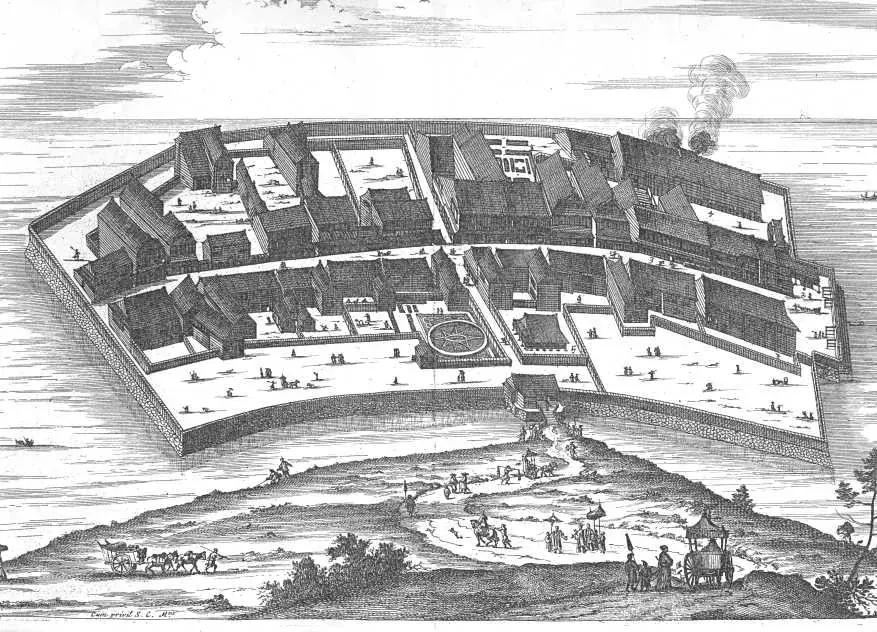
Dejima was a fan-shaped artificial island in Nagasaki Harbor that functioned as the sole direct trade link between Japan and the Western world during the Edo period. Originally constructed in 1634 to isolate Portuguese traders, it became the exclusive base for the Dutch East India Company (VOC) in 1641 after the Portuguese were expelled. Throughout Japan's more than two centuries of national isolation (Sakoku), Dejima remained the only 'window on the world' through which Western medicine, science, and technology entered the country. Life on the island was strictly regulated; Dutch officials were permitted to leave only on rare occasions, and Japanese visitors were closely monitored. Land reclamation projects in the 20th century caused Dejima to lose its island status, but since 1951, extensive restoration projects have been underway to faithfully recreate the 19th-century buildings and atmosphere.

Best time to visit & climate

The most pleasant time to visit is May, Oct, Nov.

JanFebMarAprMayJunJulAugSepOctNovDec
Avg °C91012162023262825211611
Rain mm7410513516520038434621221111711197

📋 Practical info

🚪
Visiting
This historically reconstructed artificial island in Nagasaki operates as an open-air museum, allowing visitors to explore both the grounds and the interiors of faithfully restored trading post buildings.
🕒
Typical hours
Typically open daily from morning until early evening, though last admission is usually around thirty minutes before closing time.
📷
Photography
Photography is highly encouraged throughout the site, as the meticulously recreated Dutch-style structures and Edo-period streetscapes offer excellent, unique historical compositions.
⏱️
Time needed
Set aside approximately one and a half to two hours to fully appreciate the various exhibits, walk through the reconstructed merchant houses, and read the historical displays.
Combine with
A visit here pairs perfectly with a stroll to the nearby Nagasaki Chinatown for lunch, or a trip to the Glover Garden to see more of the city's later international history.
🧭
Getting there
Easily accessible via the Nagasaki tram system; simply alight at the Dejima tram stop, which is located right next to the main entrance of the historical site.
💡
Insider tip
Consider renting a traditional kimono or a retro-style outfit near the entrance to enhance your immersive experience while walking through this Edo-period trading hub.

Geography

Coordinates
32.74400, 129.87300

Facts

  • The island was completed in 1634 after two years of construction.
  • Its original total area was approximately 1.5 hectares.
  • It housed the Dutch trading post from 1641 to 1854.
  • Key trade items included silk, sugar, and later Western books.
  • Rangaku, the study of Western sciences, originated here.
  • Dejima was designated a National Historic Site in 1922.

Explore nearby

Notable places around
Route planner — Car & Motorhome

Where do you start? We build the route here, with stops and country notes along the way.

Vehicle
Only stops with (optional):

© OpenStreetMap contributors · OpenRouteService

Sights in the town Dejima Island (12)

Kaminoshima Catholic Church⛪ religious

A stark white Catholic church standing prominently on a hillside overlooking the entrance to the harbor.

Nagasaki Harbor📍 landmark

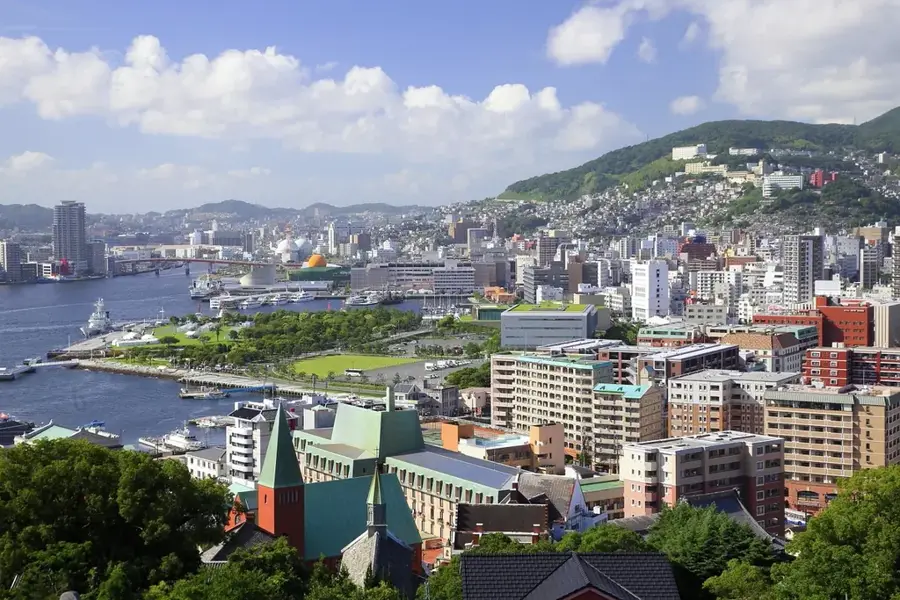
A natural bay surrounded by steep mountains that played a central role in Japan's early international trade.

Hachiro Dake🌿 nature

A prominent mountain peak offering scenic hiking trails and sweeping views over the surrounding coastal region.

Statue of Sakamoto Ryoma🏺 historical

A bronze monument honoring the visionary samurai, depicting him looking out towards the sea.

Heifuri Slope📍 landmark

A steep, stone-paved slope winding through the historic residential neighborhoods of the city.

🕒 24/7

Dejima Island📍 landmark

A fan-shaped artificial island constructed to isolate Dutch traders during Japan's period of national seclusion.

Dejima Museum🏛 museum

A museum housed within reconstructed traditional wooden buildings that displays artifacts from the Dutch trading era.

Nagasaki Prefectural Art Museum🏛 museum

A modern glass-walled art museum located near the waterfront, featuring a significant collection of Spanish art.

🕒 Mo-Su 10:00-20:00

Nagasakishi Noguchiyataro Memorial Museum🏛 museum

An art gallery dedicated to the bustling, Fauvism-inspired landscape paintings of Japanese artist Yataro Noguchi.

🕒 Tu-Su 09:00-17:00

Soufukuji Temple⛪ religious

A 17th-century Zen Buddhist temple distinguished by its vivid red Ming-dynasty architectural style.

🕒 Mo-Su 08:00-17:00

Kiyomizu Temple⛪ religious

A Buddhist temple founded on a hillside offering sweeping panoramic views of the city below.

Glover Hill🌿 nature

A scenic hillside viewpoint offering excellent photographic angles of the historic Western mansions and the harbor.

Sights nearby

Frequently asked questions

What was Dejima originally?
An artificial island that served as the sole trading post for the Dutch in Japan.
Is the island still surrounded by the sea today?
No, due to land reclamation, it is now located within the city area of Nagasaki.
What can you visit there?
Restored warehouses, residences, and the Dejima museum.
What are the opening hours?
Usually open daily from 8:00 AM to 9:00 PM.
Is there an entrance fee?
Yes, the entrance fee for adults is approximately 520 yen.
Dejima Island: where is it located?
Dejima Island is located in Japan.
Dejima Island: what is there to see?
Highlights include Kaminoshima Catholic Church, Nagasaki Harbor, Hachiro Dake.
Dejima Island: when is the best time to visit?
The most pleasant time to visit is May, Oct, Nov.
Dejima Island: why is it worth visiting?

Dejima was a fan-shaped artificial island in Nagasaki Harbor that functioned as the sole direct trade link between Japan and the Western world during the Edo period.
View on map → The Top 50 Attractions → OpenStreetMap →
Asia
Explore with Plizio Discover more places in Asia
More places in Japan →

Nearby cities

Nature

More places