Plizio Visual Lab

Yoshinogari Ruins
Plizio editorial teamData Sources
ruin
—°15
Yoshinogari Ruins (Japan)

Weather…

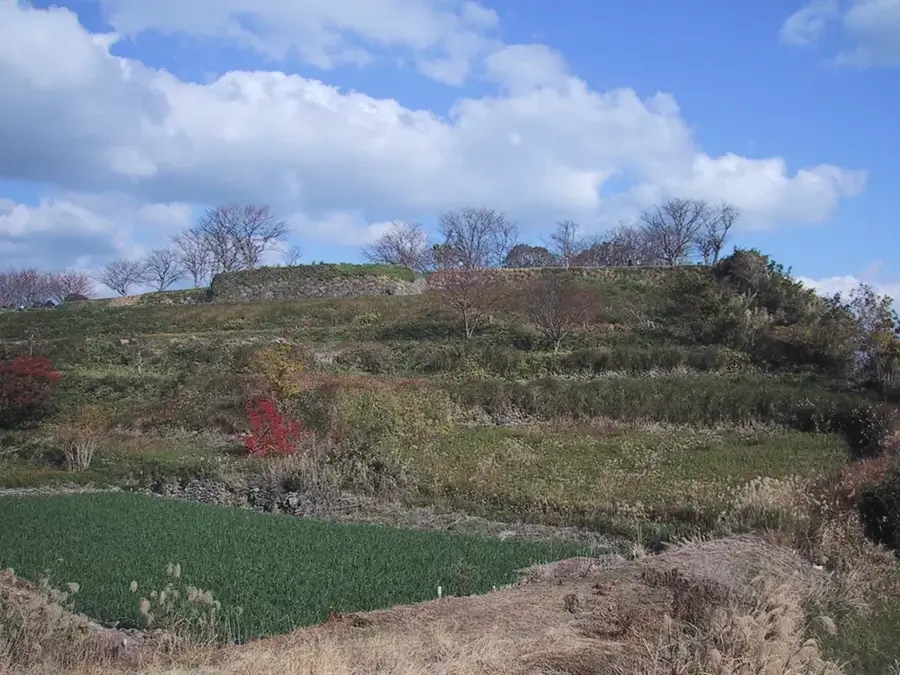
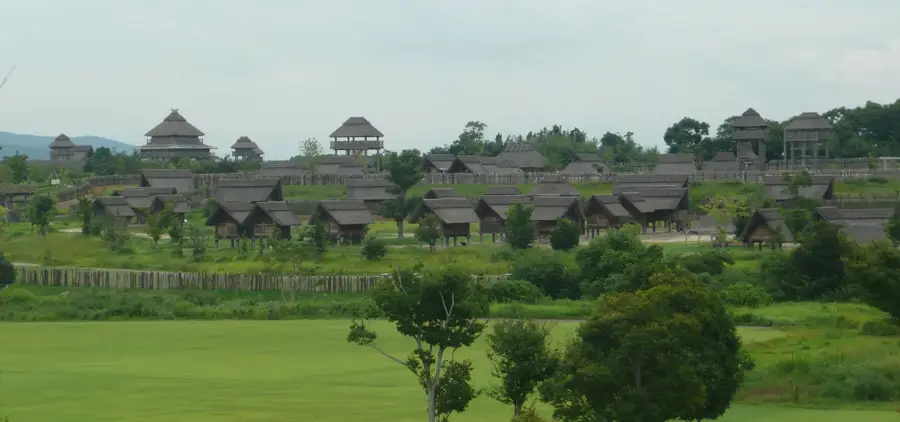
The Yoshinogari Ruins in Saga Prefecture represent one of Japan's most significant archaeological discoveries, offering unparalleled insights into the Yayoi Period (c. 300 BC, 300 AD). This vast moated settlement extends over 40 hectares and is considered a prototype of early Japanese city-states. Its discovery in 1986 caused a national sensation, as the finds seemed to corroborate descriptions of the legendary Queen Himiko and the Kingdom of Yamatai found in ancient Chinese chronicles. Archaeologists unearthed remains of pit dwellings, elevated granaries, watchtowers, and over 2,000 tombs, testifying to a highly developed social hierarchy. Today, Yoshinogari is designed as a historical park where numerous buildings have been faithfully reconstructed to bring the daily life of the Yayoi people to life. Excavated artifacts such as bronze mirrors, weapons, and intricate pottery demonstrate early cultural exchange with the Asian mainland. Particularly impressive are the defensive fortifications with their palisade-like enclosures, indicating an era of intense regional conflict. Yoshinogari is an essential site for understanding the origins of Japanese culture and the emergence of the Japanese state. Ongoing excavations continue to reveal new information about the lifestyles of people nearly 2,000 years ago.

Best time to visit & climate

The most pleasant time to visit is May, Sep, Oct.

JanFebMarAprMayJunJulAugSepOctNovDec
Avg °C45813182226262317126
Rain mm70881181401582993572041891098979

📋 Practical info

🚪
Visiting
The extensive archaeological park is fully accessible to the public, offering both outdoor exploration of the reconstructed settlement and indoor museum exhibits.
🕒
Typical hours
Typically open daily from morning until late afternoon, though exact closing times may vary slightly depending on the season and daylight hours.
📷
Photography
Photography is generally permitted throughout the expansive park, but the use of drones and tripods might be restricted in certain reconstructed areas.
⏱️
Time needed
Plan for at least two to three hours to thoroughly explore the vast grounds, view the ancient structures, and absorb the historical context of the Yayoi period.
Combine with
This site can easily be combined with a visit to the nearby historical city of Saga or a relaxing trip to the hot springs of Takeo Onsen.
🧭
Getting there
The ruins are conveniently located just a short walk from the nearest train station, making it highly accessible for visitors using public transportation.
💡
Insider tip
Wear comfortable walking shoes as the site is very large, and consider renting a bicycle at the park entrance if you want to cover more ground efficiently.

Geography

Coordinates
33.31300, 130.41200

Facts

  • The archaeological site covers an expansive area of approximately 40 hectares.
  • Discovered in 1986 during development work for an industrial park.
  • Home to more than 2,000 identified burials from the Yayoi period.
  • Features reconstructed watchtowers standing up to 12 meters in height.
  • Artifacts prove the use of silk and glass beads as early as 2,000 years ago.
  • Designated as a Special Historic Site of national importance in 1991.

Explore nearby

Notable places around
Route planner — Car & Motorhome

Where do you start? We build the route here, with stops and country notes along the way.

Vehicle
Only stops with (optional):

© OpenStreetMap contributors · OpenRouteService

Sights in the town Yoshinogari Ruins (15)

Mt. Hinokuma🌿 nature

Rising above the historic Yoshinogari area, this mountain peak provides a natural vantage point over the ancient plains of Saga.

Yoshinogari Site🏺 historical

This immense archaeological park features meticulously reconstructed stilt houses and watchtowers from Japan's Yayoi period.

Mt. Ishitaki🌿 nature

A prominent local hill in the region, offering forested trails and a peaceful retreat into nature away from the urban centers.

Mt. Asahi🌿 nature

This forested mountain peak in Saga Prefecture is known for the historical ruins of a castle that once stood at its summit.

Kurume Castle Ruins🏰 castle

Situated on a bluff above the Chikugo River, these historic ruins retain the imposing stone walls of the former Arima clan stronghold.

Chiriku Hachiman Shrine⛪ religious

This important Shinto shrine in Saga Prefecture was historically revered as the highest-ranked shrine in the ancient Buzen Province.

Naotori Castle Ruins🏰 castle

These medieval castle ruins are notable for their well-preserved moat system, offering a glimpse into feudal Japanese defensive architecture.

Kunen'an Garden🌳 park

Established in 1909, this exquisite private residence garden is famous for its impressive autumn foliage and traditional teahouse architecture.

Higashimyo Site🏺 historical

This significant Jomon-period archaeological site features exceptionally preserved shell mounds and woven baskets excavated from the wetland.

Tenkenji Bridge📍 landmark

This robust bridge spans the local waterway, connecting communities and providing essential infrastructure in the Yoshino area.

Ayabe Shrine⛪ religious

This venerable Shinto shrine in Miyaki is renowned for its unique wind-chime festival and centuries-old rituals praying for favorable weather.

Bairin-ji⛪ religious

Situated along the Chikugo River, this Rinzai Zen Buddhist temple is famed for its strict ascetic training and hundreds of blooming plum trees.

Nagatoishi Bridge📍 landmark

This vital concrete road bridge crosses the Chikugo River, serving as a major transportation artery for Kurume city.

Mamezu Bridge📍 landmark

Spanning the broad Chikugo River, this structural steel bridge facilitates regional travel and provides wide views of the riverbed.

PERSICA PANTRY🎭 culture

This specialty local market and pantry features a curated selection of regional delicacies and fresh produce.

Sights nearby

Frequently asked questions

From which period do the ruins date?
They date from the Yayoi period (approx. 300 BC to 300 AD).
What can you see at the site?
Reconstructed pit dwellings, watchtowers, and tombs of a fortified settlement.
Is the site family-friendly?
Yes, there are many interactive workshops like fire-making or stone carving.
Where are the Yoshinogari ruins located?
They are located in Saga Prefecture on Kyushu Island.
How long does a visit take?
You should allow at least 2 to 3 hours for the extensive grounds.
Yoshinogari Ruins: where is it located?
Yoshinogari Ruins is located in Japan.
Yoshinogari Ruins: what is there to see?
Highlights include Mt. Hinokuma, Yoshinogari Site, Mt. Ishitaki.
Yoshinogari Ruins: when is the best time to visit?
The most pleasant time to visit is May, Sep, Oct.
Yoshinogari Ruins: why is it worth visiting?

The Yoshinogari Ruins in Saga Prefecture represent one of Japan's most significant archaeological discoveries, offering unparalleled insights into the Yayoi Period (c.
View on map → The Top 50 Attractions → OpenStreetMap →
Asia
Explore with Plizio Discover more places in Asia
More places in Japan →

Nearby cities

History & landmarks

More places