Plizio Visual Lab

Dazaifu Tenmangū Shrine
Plizio editorial teamData Sources
monument
—°11
Dazaifu Tenmangū Shrine (Japan)

Weather…

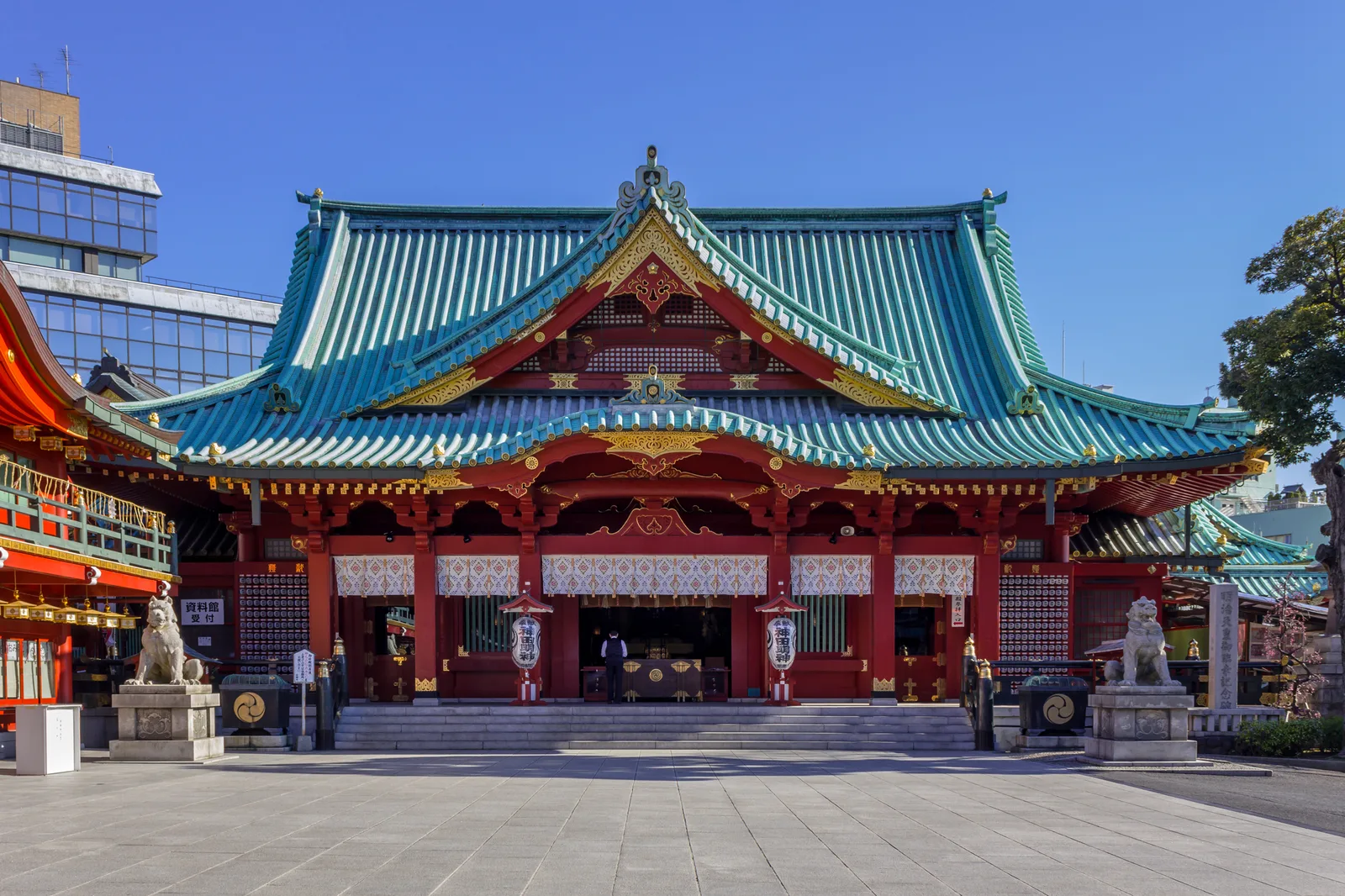
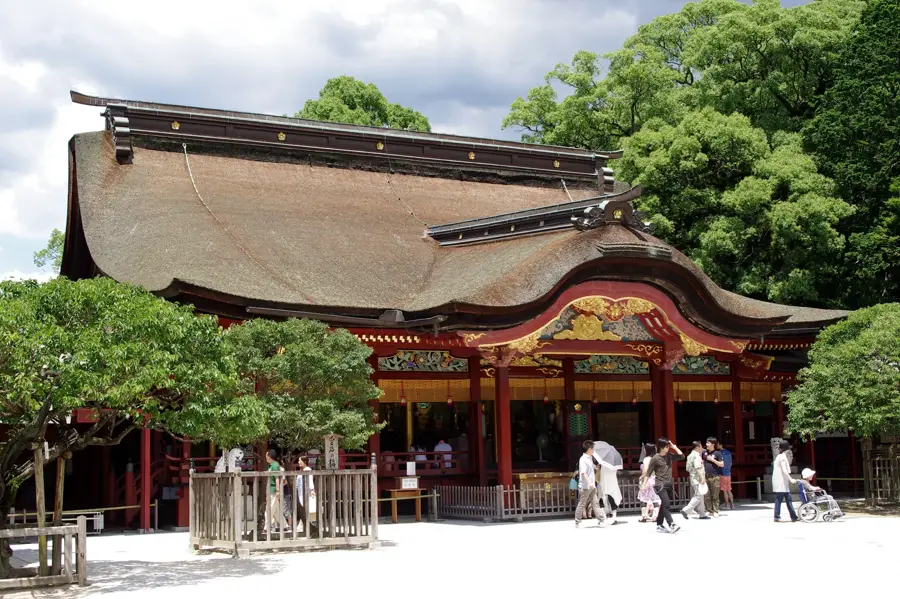
The Dazaifu Tenmangu Shrine in Fukuoka Prefecture is one of Japan's most important Shinto shrines, built directly over the grave of Sugawara no Michizane. Michizane was a high-ranking scholar and politician of the Heian period who was exiled following an intrigue and died there in 903. After his death, he was deified as Tenjin, the deity of learning, literature, and calligraphy. Today, the shrine is a major destination for millions of students who come to pray for success before exams. The shrine is particularly famous for its approximately 6,000 plum trees, including the legendary 'Tobiume' (Flying Plum Tree), which according to legend followed its master from Kyoto to Dazaifu. The main building (Honden) dates back to 1591 and is a magnificent example of Momoyama-period architecture. The approach to the shrine features three bridges representing the past, present, and future, ritually purifying the visitor.

Best time to visit & climate

The most pleasant time to visit is May, Sep, Oct.

JanFebMarAprMayJunJulAugSepOctNovDec
Avg °C45813182226262317126
Rain mm70881181401582993572041891098979

📋 Practical info

🚪
Visiting
Dazaifu Tenmangū is a major Shinto shrine that is freely visitable. You can see the main building and beautiful gardens, while the inner shrine is usually only viewable from outside.
🕒
Typical hours
The shrine grounds are typically open from sunrise to sunset. The shrine museum and sales stalls have their own hours, usually 9:00 AM to 5:00 PM.
📷
Photography
Photography is allowed throughout the grounds, but not inside the main prayer hall. Please respect local rules and avoid flash in sacred areas.
⏱️
Time needed
Allow about one hour for the shrine and gardens. If you also want to visit the museum, plan for an additional half hour.
Combine with
Combine the visit with the nearby Dazaifu Tenmangū Museum or traditional tea houses. A walk along the plum tree avenue is also recommended.
🧭
Getting there
The shrine is reachable by train from Hakata Station in Fukuoka; get off at Dazaifu Station. From there it is about a 10-minute walk.
💡
Insider tip
Visit during plum blossom season (February/March) when the garden is especially beautiful. Try local sweets like ume-mochi (plum mochi) at the stalls.

Geography

Coordinates
33.57100, 130.43500

Facts

  • Sugawara no Michizane died in exile in the year 903.
  • The current main hall was constructed in 1591.
  • There are approximately 6,000 plum trees on the grounds.
  • The Tobiume tree is usually the first to bloom each year.
  • The Dazaifu area was once the administrative center of Kyushu.
  • The annual Baika-sai (Plum Blossom Festival) is held on February 25.

Explore nearby

Notable places around

Route planner — Car & Motorhome

Where do you start? We build the route here, with stops and country notes along the way.

Vehicle
Only stops with (optional):

© OpenStreetMap contributors · OpenRouteService

Sights in the town Dazaifu Tenmangū Shrine (11)

Mt. Abura🌿 nature

Rising above the Fukuoka area, this notable mountain peak gives popular hiking trails and sweeping views of the city and Hakata Bay.

Tits rocks📍 landmark

This uniquely named natural attraction features curiously shaped rock formations that draw curious visitors to the local landscape.

Sakamoto Hachimangu Shrine⛪ religious

This historic Shinto shrine gained national attention for its connection to the Reiwa era name, which originated from poetry composed nearby.

Fureai Culture Museum🏛 museum

This cultural museum serves as a community space dedicated to displaying local historical artifacts and fostering regional arts and crafts.

The Cave Kannon (Koshuji temple)⛪ religious

Located within Koshuji temple, this serene Buddhist site features a revered Kannon statue enshrined inside a natural rock cave.

Noma Ooike Park🌳 park

Centered around a large scenic pond, this urban park provides walking paths and a tranquil green space for local residents.

Nakahie Park🌳 park

This neighborhood green space features recreational facilities and open lawns, making it a popular everyday gathering spot.

Shime Railway Memorial Park🌳 park

Built on the site of a former train station, this memorial park preserves the tracks and platforms of the old Katsuta Line.

Umi Hachimangu Shrine⛪ religious

Dedicated to Emperor Ojin, this ancient Shinto shrine is revered by expecting mothers who visit to pray for safe childbirth.

Hachimangu📍 landmark

This traditional Shinto sanctuary is dedicated to Hachiman, the syncretic divinity of archery and war, featuring classic wooden torii gates.

Hakata New Life Church📍 landmark

This modern Protestant church serves the local Christian community with regular worship services and community outreach programs.

Sights nearby

Frequently asked questions

Who was Sugawara no Michizane?
A scholar and politician now revered as the god of learning (Tenjin).
Why do students visit this shrine?
To pray for success in exams and academic luck.
When do the plum trees bloom?
From early February to mid-March; there are over 6,000 plum trees.
What is an 'Umegae Mochi'?
A grilled rice cake with bean filling, a local specialty of Dazaifu.
How far is the shrine from Fukuoka?
About 30 minutes by train from Nishitetsu Fukuoka (Tenjin) Station.
Dazaifu Tenmangū Shrine: where is it located?
Dazaifu Tenmangū Shrine is located in Japan.
Dazaifu Tenmangū Shrine: what is there to see?
Highlights include Mt. Abura, Tits rocks, Sakamoto Hachimangu Shrine.
Dazaifu Tenmangū Shrine: when is the best time to visit?
The most pleasant time to visit is May, Sep, Oct.
Dazaifu Tenmangū Shrine: why is it worth visiting?

The Dazaifu Tenmangu Shrine in Fukuoka Prefecture is one of Japan's most important Shinto shrines, built directly over the grave of Sugawara no Michizane.
View on map → The Top 50 Attractions → OpenStreetMap →
Asia
Explore with Plizio Discover more places in Asia
More places in Japan →

Nearby cities

History & landmarks
More places