Plizio Visual Lab
Tsumago-juku Post Town
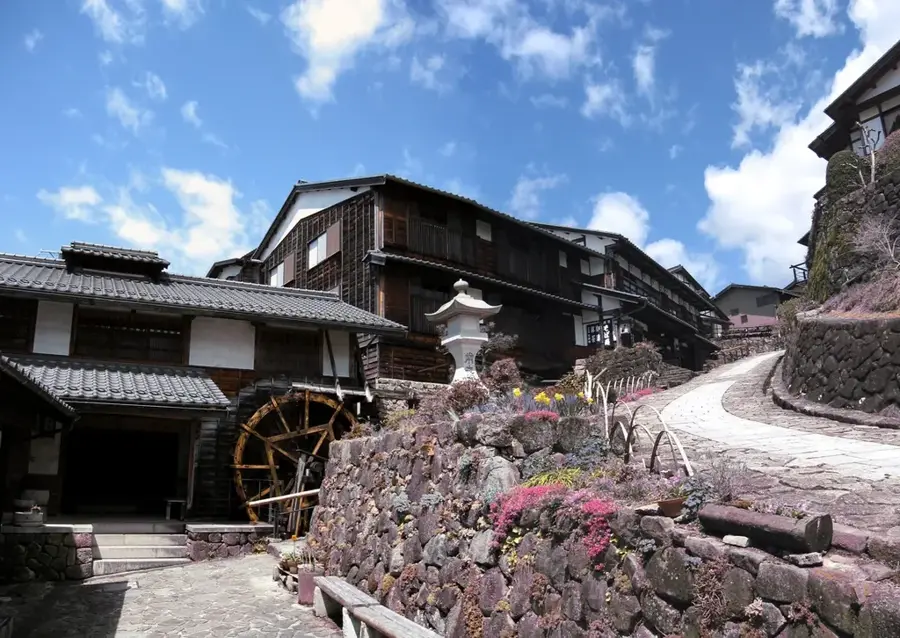
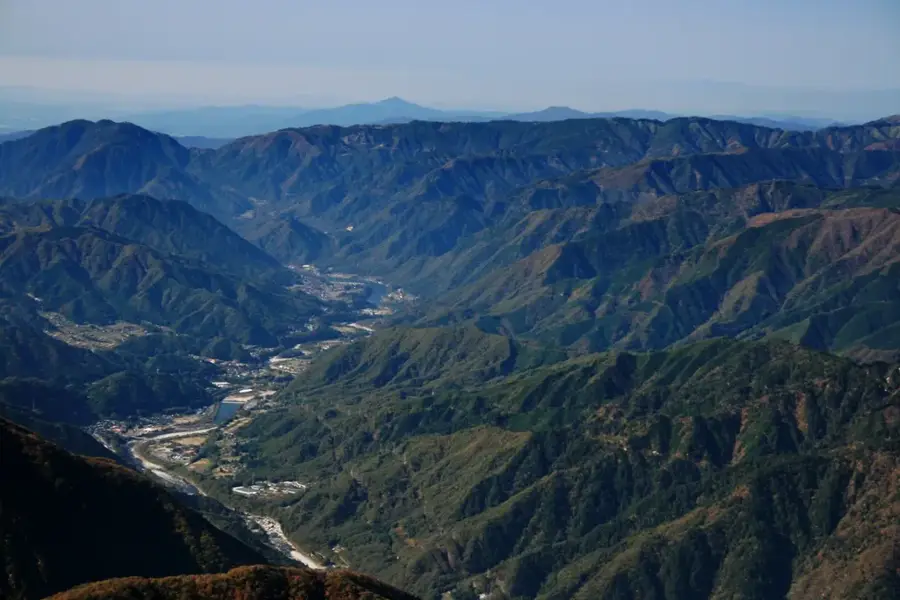
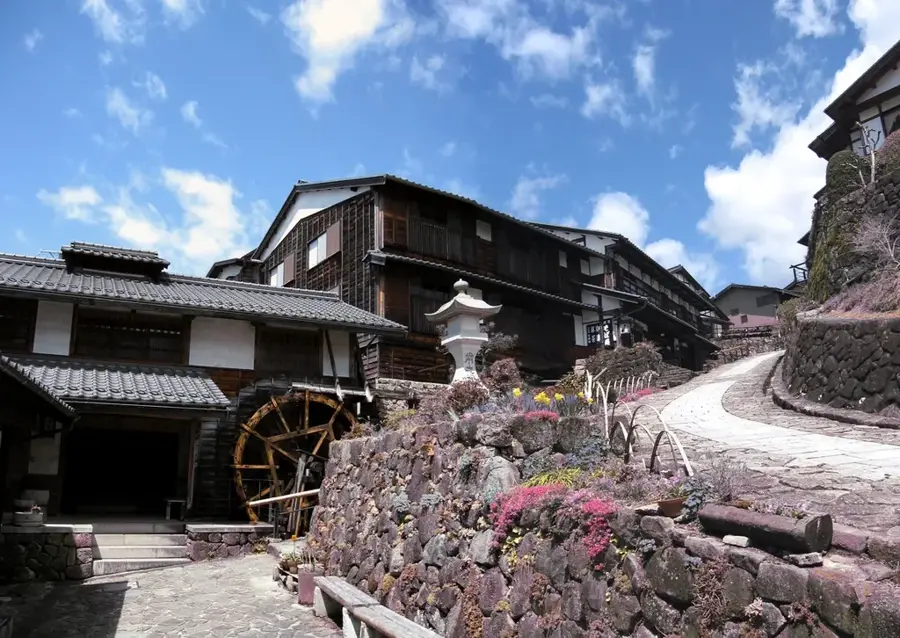
Tsumago-juku, located in the Kiso Valley of Nagano Prefecture, was the 42nd of the 69 stations along the Nakasendo, a major highway connecting Kyoto and Edo (modern-day Tokyo) during the Edo period. It is renowned for being one of the best-preserved post towns in Japan, thanks to a pioneering preservation movement that began in 1968. The residents established a charter of 'not selling, not renting, and not destroying' their historic properties to protect the townscape. The streets are characterized by dark wooden facades, stone pavements, and a complete absence of overhead power lines, maintaining an authentic 19th-century atmosphere. Key structures include the Honjin (official inn for high-ranking officials) and the Waki-honjin Okuya, which serves as a museum. Many visitors hike the scenic 8-kilometer stretch of the original Nakasendo trail between Tsumago and its neighboring post town, Magome. At night, the streets are often lit only by traditional lanterns, further enhancing the historical ambiance of the shogunate era.
- Location: Japan
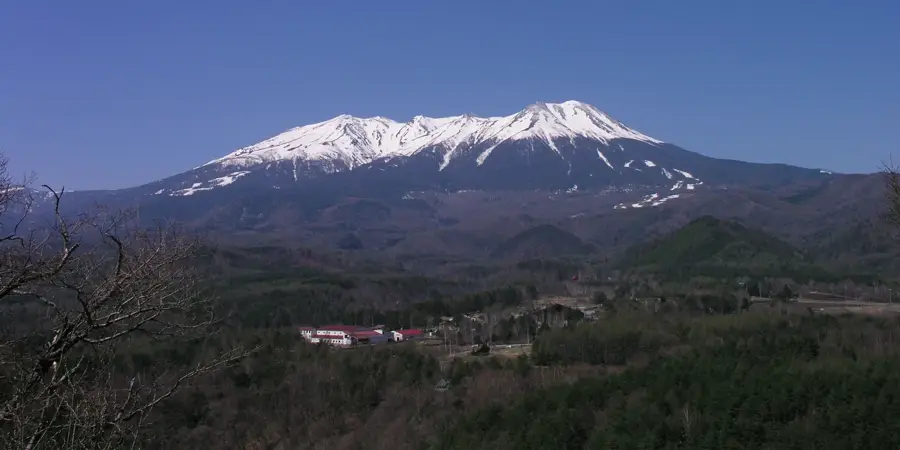
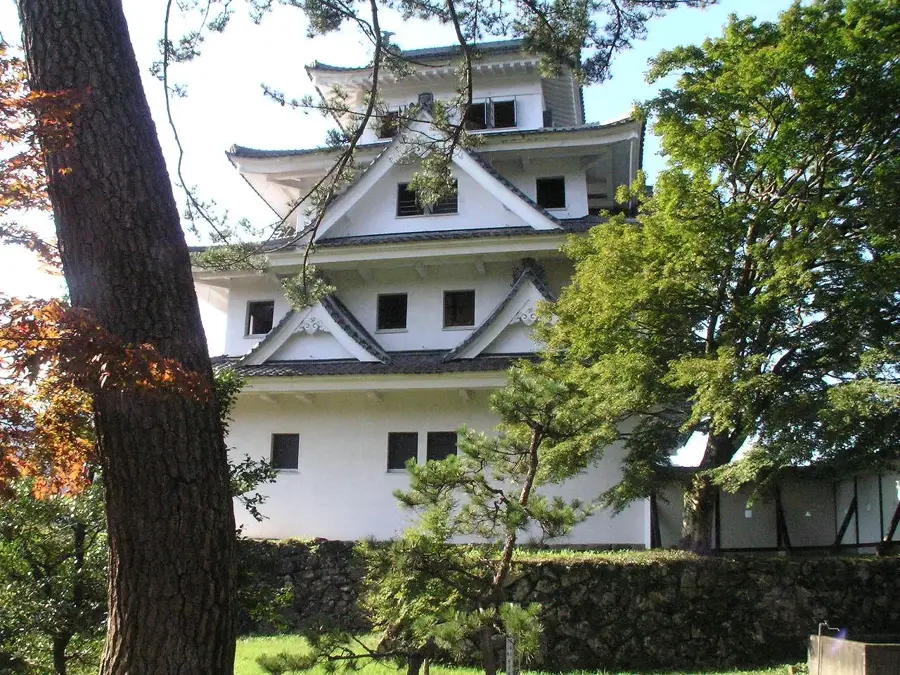
- Top sights: Mt. Nagiso · Kakizore Ravine · Tsumago Castle Ruins
- Nearby: Gero Onsen (43 km)
- Population: ~4.111 (2021)
Best time to visit & climate
The most pleasant time to visit is Jun, Aug, Sep.
| Jan | Feb | Mar | Apr | May | Jun | Jul | Aug | Sep | Oct | Nov | Dec | |
|---|---|---|---|---|---|---|---|---|---|---|---|---|
| Avg °C | -2 | -1 | 3 | 9 | 14 | 18 | 22 | 23 | 19 | 13 | 7 | 1 |
| Rain mm | 75 | 81 | 120 | 137 | 150 | 178 | 237 | 157 | 197 | 174 | 90 | 86 |
📋 Practical info
Geography
Facts
- Tsumago was the 42nd post station out of 69 on the Nakasendo road.
- The town's preservation movement officially began in 1968.
- Modern intrusive elements like power lines are hidden underground.
- The historic trail to Magome-juku is approximately 8 kilometers long.
- The Waki-honjin Okuya was reconstructed using high-quality hinoki wood in 1877.
- Tsumago is a nationally designated Preservation District for Groups of Historic Buildings.
Explore nearby
Notable places around
Route planner — Car & Motorhome
Where do you start? We build the route here, with stops and country notes along the way.
© OpenStreetMap contributors · OpenRouteService
Sights in the town Tsumago-juku Post Town (6)
Sights nearby
Frequently asked questions
What is Tsumago-juku?
How long is the hike to Magome?
Is there luggage transport between the towns?
Are cars allowed in the town?
Where can you eat there?
Tsumago-juku Post Town: where is it located?
Tsumago-juku Post Town: what is there to see?
Tsumago-juku Post Town: when is the best time to visit?
Tsumago-juku Post Town: why is it worth visiting?

Nearby cities


History & landmarks
More places