Plizio Visual Lab

Magome-juku Post Town
Plizio editorial teamData Sources
Historical site
—°12
Magome-juku Post Town (Japan)

Weather…

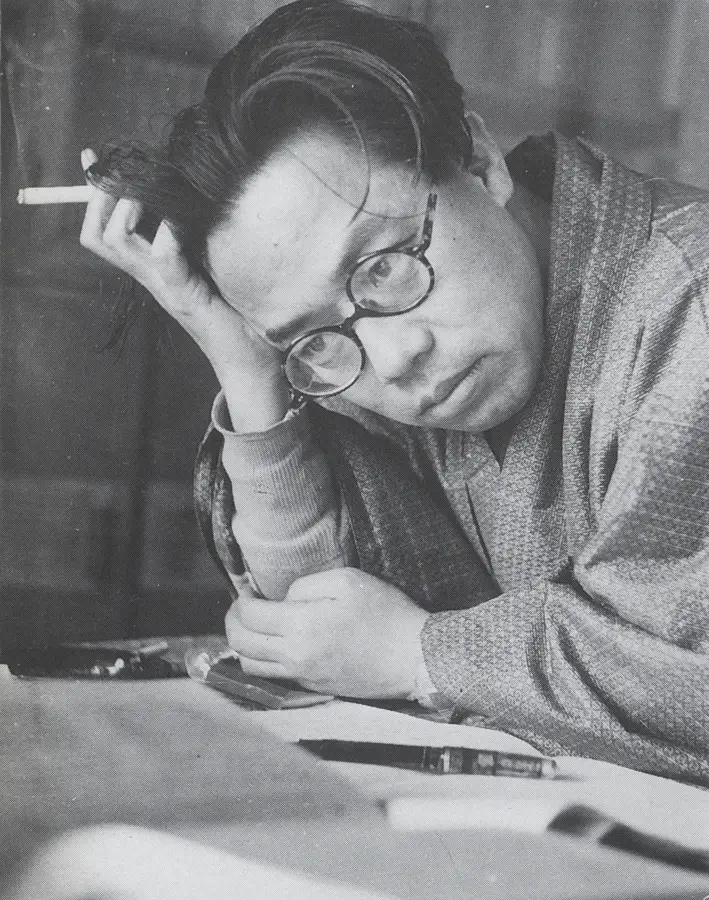
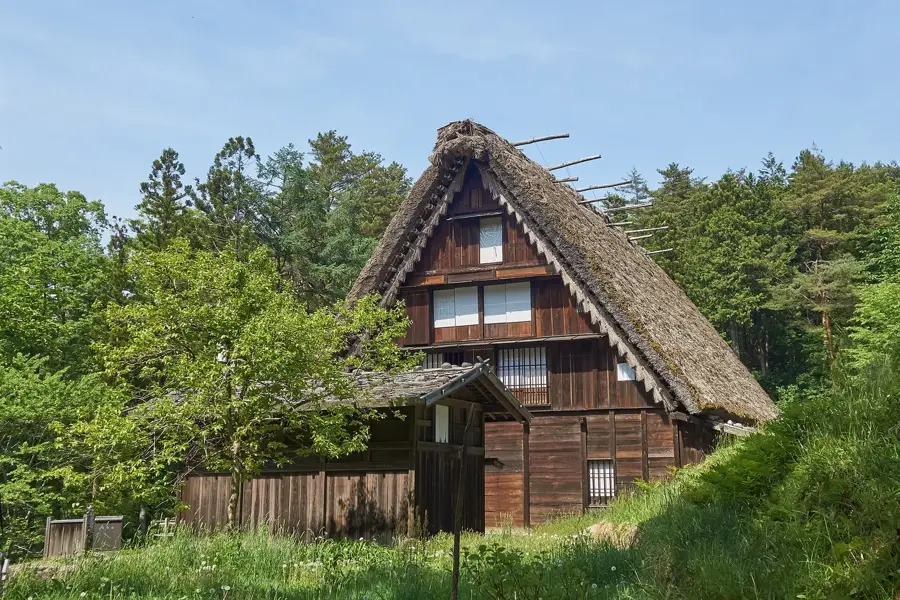
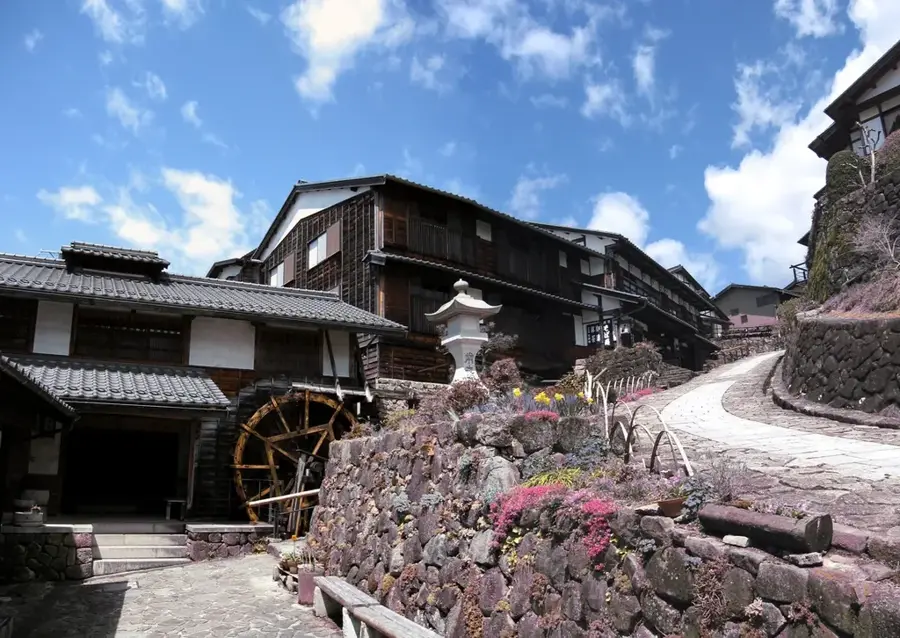
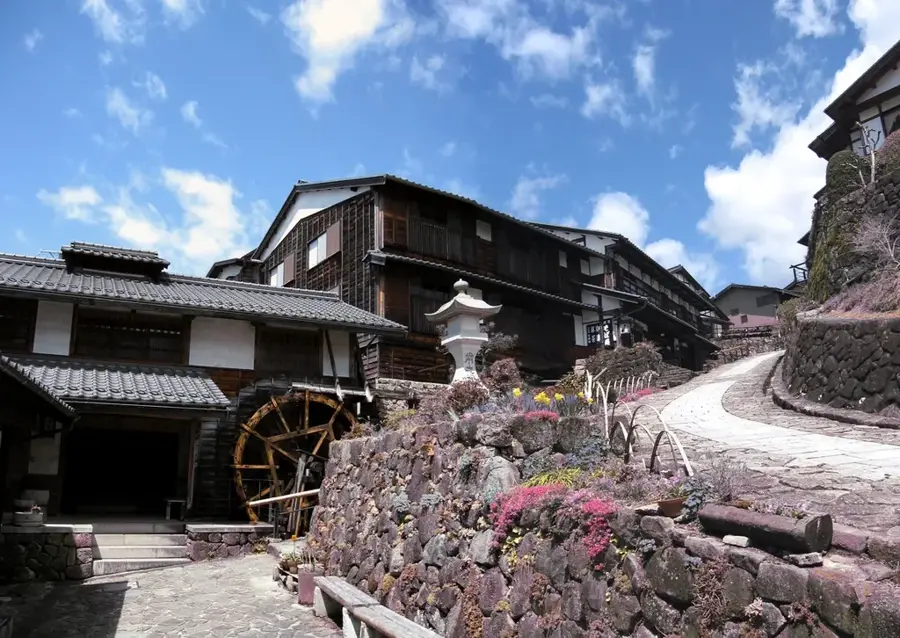
Magome-juku was the 43rd of the 69 post stations along the Nakasendo highway, a major trade route connecting Edo (modern-day Tokyo) and Kyoto during the Edo period. Located in the Kiso Valley of Gifu Prefecture, the town is famous for its steep, stone-paved main street lined with meticulously restored traditional wooden buildings. Unlike many other post towns, Magome was reconstructed following major fires in 1895 and 1915 to accurately preserve its 17th-century atmosphere. The town is the birthplace of Shimazaki Toson, a prominent figure in modern Japanese literature, and a museum dedicated to his life stands on the former site of the town's main inn. A popular 8-kilometer hiking trail connects Magome with the neighboring Tsumago-juku, offering a scenic walk through forests and farmlands. The town's architecture features distinctive lattice windows and functioning waterwheels that reflect its historical agrarian roots.

Best time to visit & climate

The most pleasant time to visit is Jun, Aug, Sep.

JanFebMarAprMayJunJulAugSepOctNovDec
Avg °C-2-13914182223191371
Rain mm75811201371501782371571971749086

📋 Practical info

🚪
Visiting
The beautifully restored historical post town is freely explored on foot, with its traditional wooden buildings lining the steep, stone-paved slope creating a deeply authentic atmosphere.
🕒
Typical hours
The town's photogenic streets are open continuously, though the small local museums, traditional souvenir shops, and cozy teahouses typically only operate during regular daytime hours.
📷
Photography
The traditional Edo-period architecture and striking mountain scenery provide exceptional photography opportunities; however, always remain mindful of the current local residents' privacy.
⏱️
Time needed
For a leisurely walk up and down the historic town's slopes and a brief rest at the traditional local eateries, visitors should generally plan to spend between two and three hours.
Combine with
Many enthusiastic visitors combine this destination with a scenic hike along the historical Nakasendo trail leading to the neighboring post town of Tsumago for a complete cultural experience.
🧭
Getting there
The most convenient access is typically by local bus from the nearest major railway stations, as parking spaces for private vehicles are quite limited in this preserved historical area.
💡
Insider tip
Make sure to try the delicious local snacks such as Gohei-Mochi, a renowned regional specialty of skewered grilled rice coated in a sweet walnut sauce sold by various street vendors.

Geography

Coordinates
35.52600, 137.56800

Facts

  • Magome-juku was the 43rd station on the 534-kilometer Nakasendo route.
  • The town is situated at an elevation of approximately 600 meters above sea level.
  • Renowned author Shimazaki Toson was born here in 1872.
  • The name Magome translates to horse and stop, due to the steep terrain.
  • Major fires in 1895 and 1915 necessitated a full reconstruction of the town.
  • The hiking trail to Tsumago-juku covers a distance of 8 kilometers.

Explore nearby

Notable places around

Route planner — Car & Motorhome

Where do you start? We build the route here, with stops and country notes along the way.

Vehicle
Only stops with (optional):

© OpenStreetMap contributors · OpenRouteService

Sights in the town Magome-juku Post Town (12)

Magome-tōge Pass Memorial📍 landmark

A stone monument at the summit of the Magome Pass, marking the highest point of the trail between Magome and Tsumago.

Shimizuya Museum🏛 museum

This museum in Magome-juku displays historical artifacts and documents of the Shimazaki family from the Edo period.

Zenshōji⛪ religious

A Buddhist temple in Magome that is closely associated with the Japanese novelist Shimazaki Tōson.

Ochiai-juku Kōsatsuba (historic public notice board)📍 landmark

This reconstructed wooden board along the Nakasendō was formerly used to publicly display official Shogunate decrees.

Ochiai-juku Honjin🏺 historical

A rare, originally preserved honjin manor that served as the primary lodging for high-ranking officials at Ochiai post station.

Mizuba (old watering hole for horses)🏺 historical

The stone remnants of a historical watering hole where horses were once watered along the Nakasendō trade route.

Kono Jizōdō Shidarezakura (weeping cherry tree)📍 landmark

This magnificent weeping cherry tree blooms in spring next to a small Jizo hall and is a popular photography spot.

Nakatsugawa City Nakasendō History Museum🏛 museum

This museum documents the development of Nakatsugawa post station and features exhibits on life along the Nakasendō trail.

Nakatsugawa City Hall🏺 historical

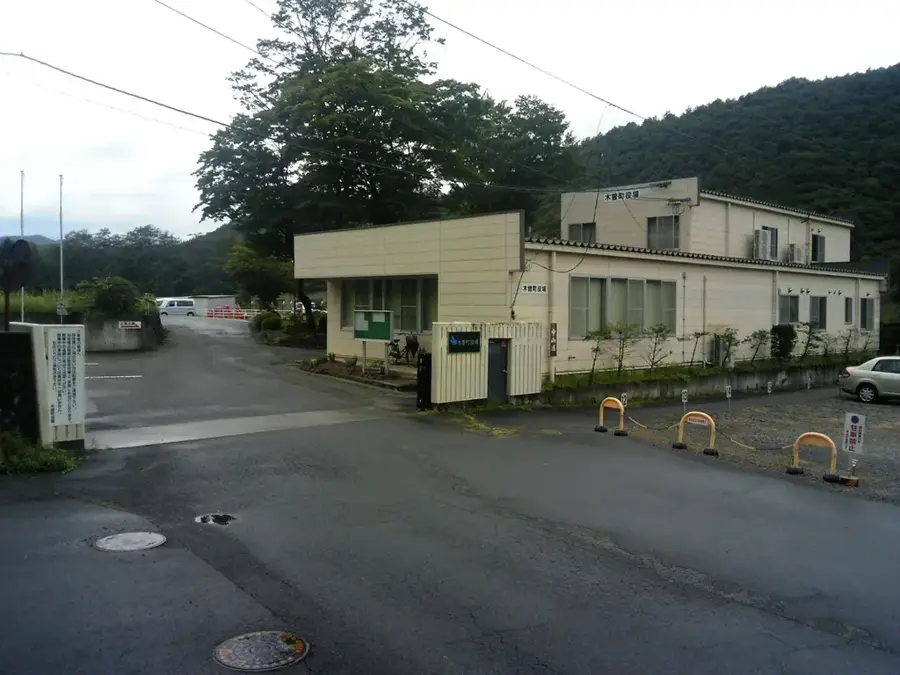
The administrative center of Nakatsugawa serves as a modern starting point for treks through the Kiso Valley.

Misaka-toge Pass Sunset Point (100 Selected Sunsets of Nagano)🌿 nature

A prominent viewpoint at the Misaka Pass famous for its wide panorama and easy on the eye sunsets over Nagano.

Mt. Ena🌿 nature

One of Japan's 100 Famous Mountains, known for its spiritual significance and challenging hiking trails.

Seinanomori Sauna🎡 recreation

A modern sauna facility located within the verdant surroundings of the Seinanomori forest park.

Sights nearby

Frequently asked questions

What is Magome-juku?
It is a restored post town on the old Nakasendo trade route, known for its steep cobblestone street.
Can you hike from Magome to Tsumago?
Yes, the approximately 8-kilometer hike over the Magome Pass is a highlight for visitors and takes about 2-3 hours.
Is there a luggage delivery service for hikers?
Yes, from April to November, a convenient luggage forwarding service is available between the Magome and Tsumago tourist offices.
What local specialty should you try?
Try Gohei-mochi (grilled rice balls with nut sauce) or chestnut specialties (Kurikinton).
How do you reach Magome by train?
Travel to Nakatsugawa Station and take a local bus from there directly to Magome.
Magome-juku Post Town: where is it located?
Magome-juku Post Town is located in Japan.
Magome-juku Post Town: what is there to see?
Highlights include Magome-tōge Pass Memorial, Shimizuya Museum, Zenshōji.
Magome-juku Post Town: when is the best time to visit?
The most pleasant time to visit is Jun, Aug, Sep.
Magome-juku Post Town: why is it worth visiting?

Magome-juku was the 43rd of the 69 post stations along the Nakasendo highway, a major trade route connecting Edo (modern-day Tokyo) and Kyoto during the Edo period.
View on map → The Top 50 Attractions → OpenStreetMap →
Asia
Explore with Plizio Discover more places in Asia
More places in Japan →

Nearby cities

History & landmarks
Nature
More places