Plizio Visual Lab

Chūbu-Sangaku National Park
Plizio editorial teamData Sources
national-park
—°6
Chūbu-Sangaku National Park (Japan)

Weather…

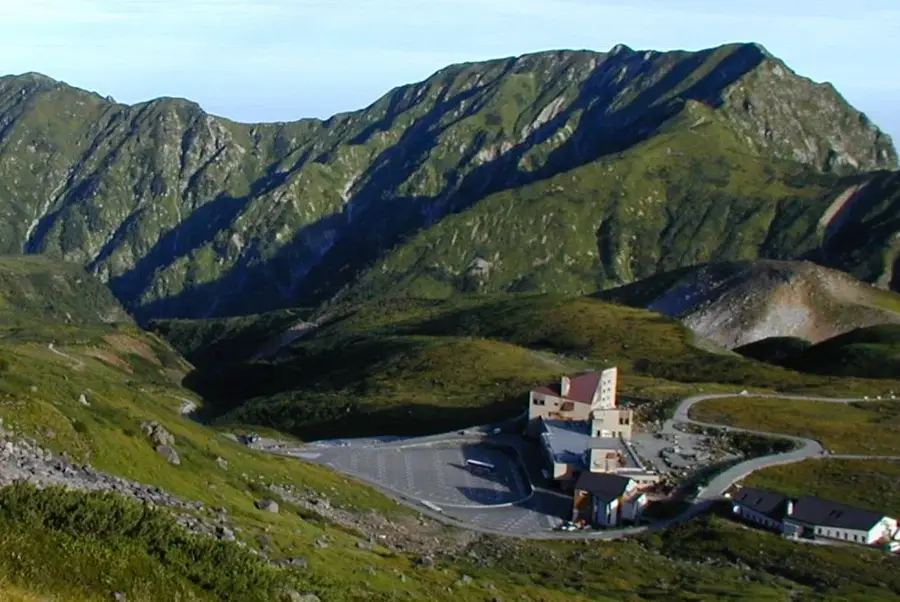
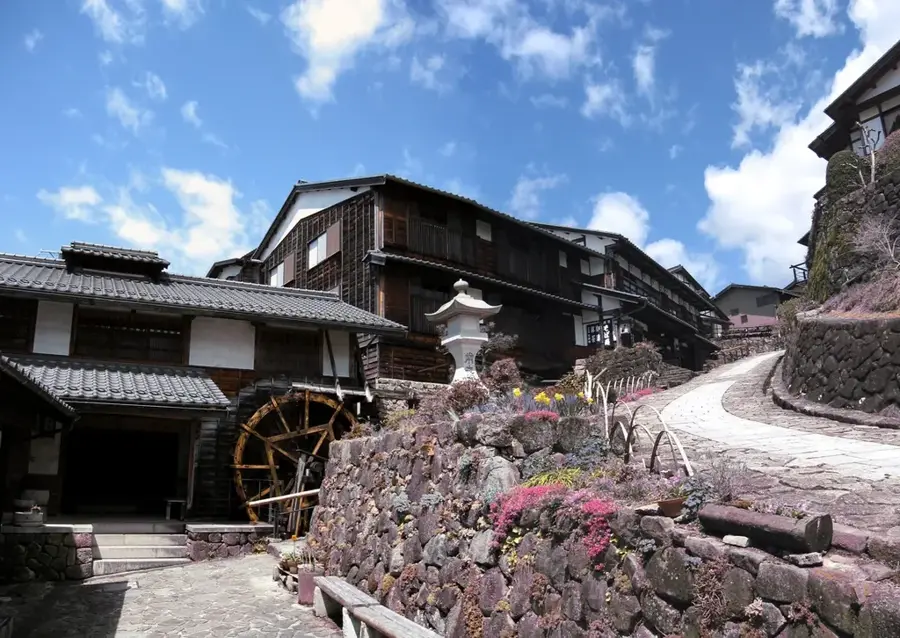
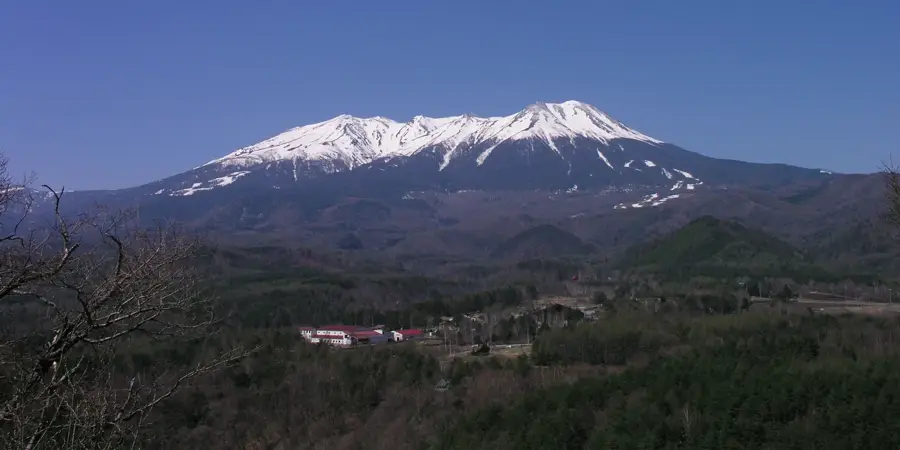
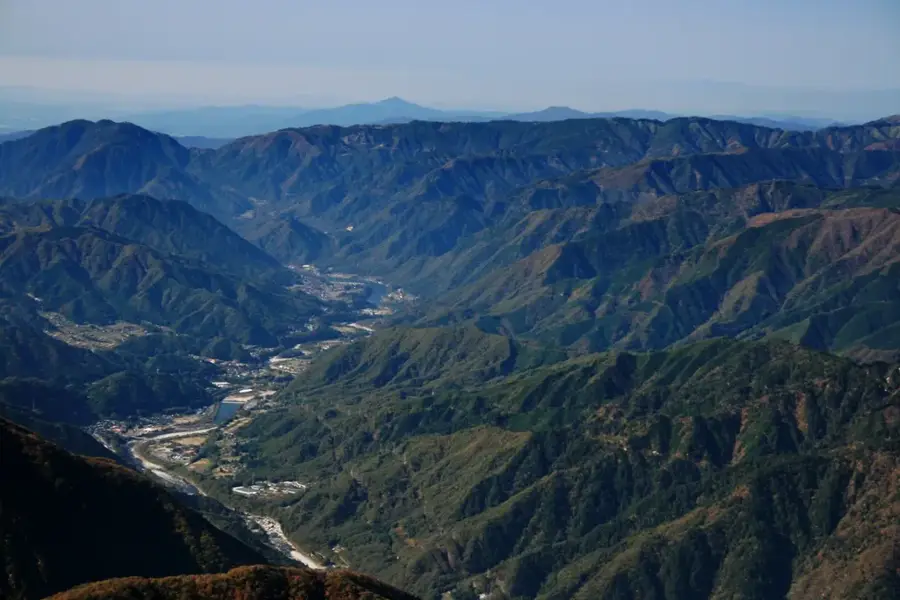
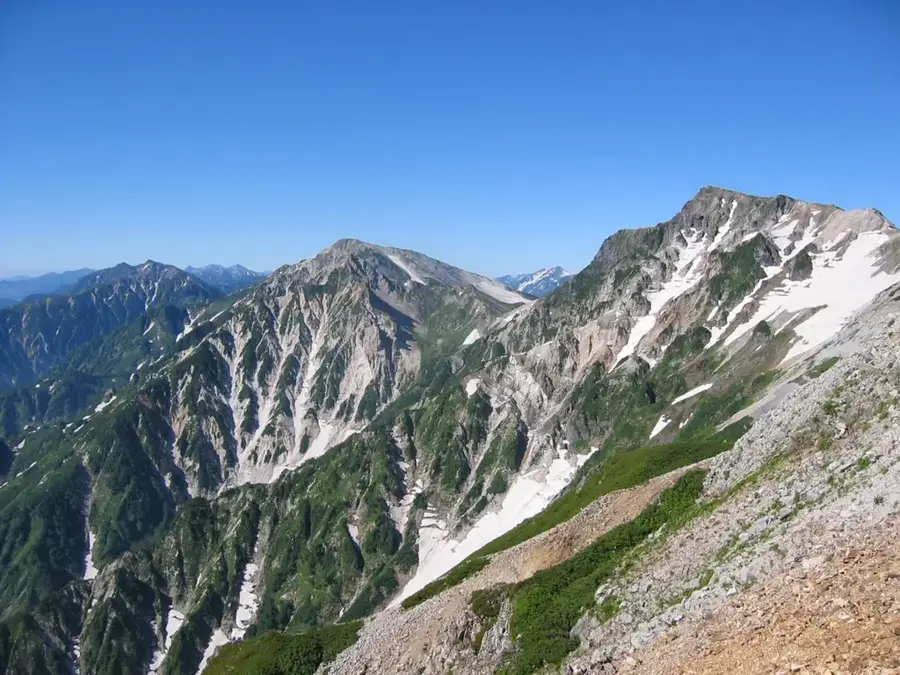
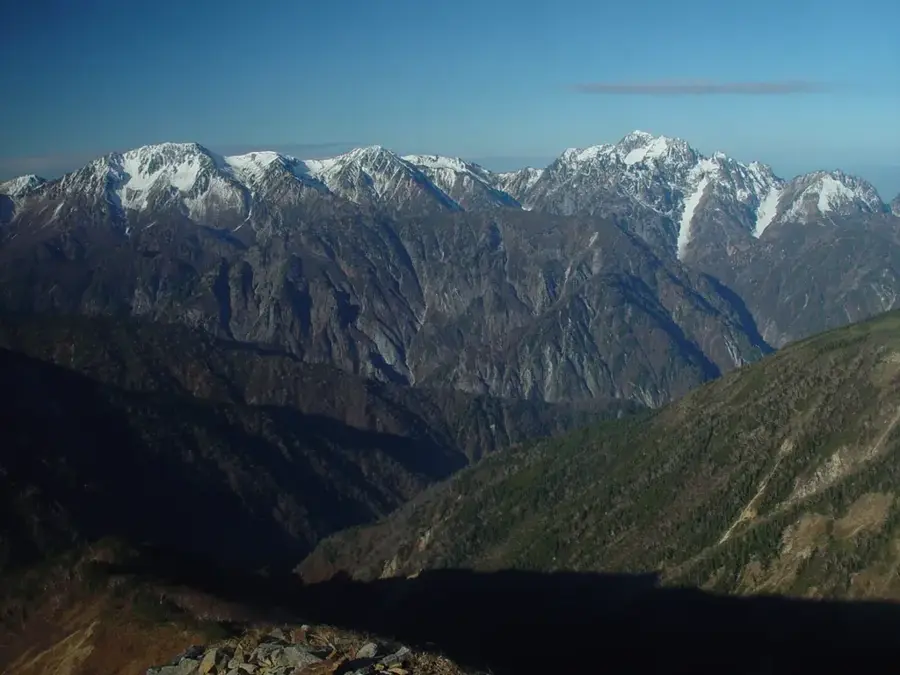
Chūbu-Sangaku National Park is a remarkable feature of the geography and culture of Japan. Encompasses the Hida Mountains, or Northern Alps, and is known for its dramatic peaks and valleys. Includes famous peaks like Mount Yari. A center for mountaineering in Japan. This natural area reflects the scenic diversity of Japan, from Mount Fuji and the Inland Sea to the Pacific coasts and volcanic island arcs. Like many notable places in Japan, it combines regional character with the legacy of the samurai tradition, Shinto and Buddhist heritage, and the modern industrial nation. Thus, this place contributes to the diverse profile of Japan, from Mount Fuji and Tokyo to the volcanic island arc along the Pacific.

Best time to visit & climate

The most pleasant time to visit is Jun–Aug.

JanFebMarAprMayJunJulAugSepOctNovDec
Avg °C-5-5-161216202117104-2
Rain mm158108121112110147226162181159143184

📋 Practical info

🧭
Getting there
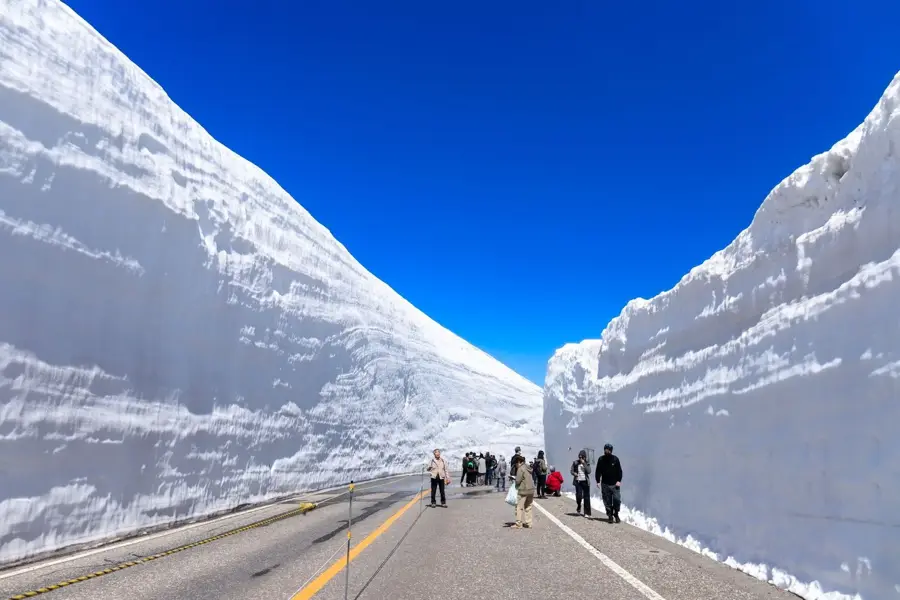
Common access points include buses or trains from regional hubs like Matsumoto, Takayama, or Toyama. The famous Tateyama Kurobe Alpine Route is a highly popular entry method utilizing various forms of transit.
📅
Best season
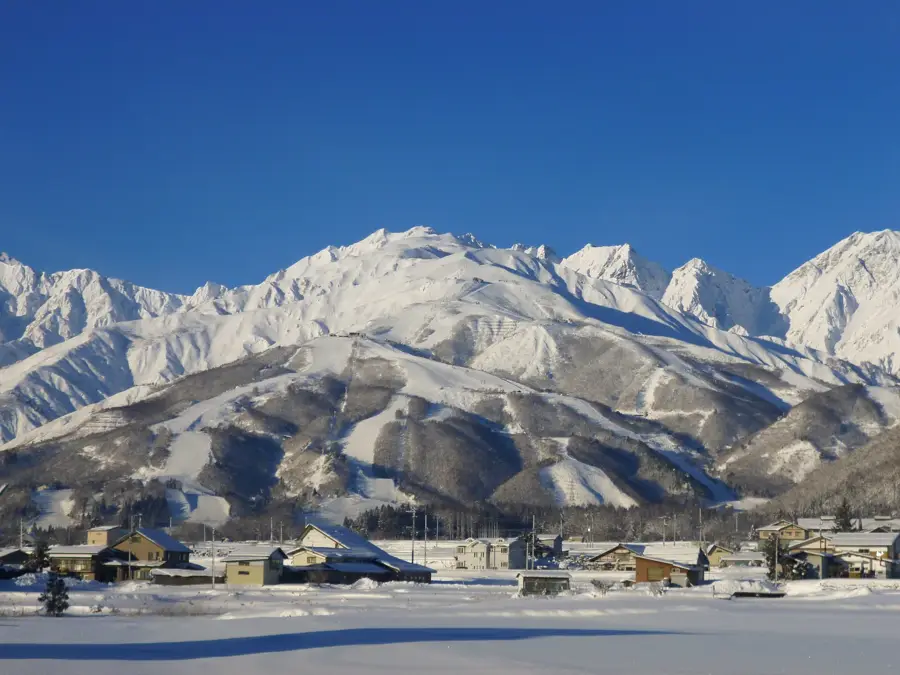
Late summer and early autumn are the preferred seasons for high-altitude hiking when paths are free of snow. Winter brings incredibly heavy snowfall, closing some mountain roads but opening excellent alpine ski areas.
⛰️
Terrain & paths
The terrain is rugged, steep, and famously mountainous, featuring sharp rocky ridges and deep, carved valleys. These dramatic Northern Alps demand good physical fitness and proper preparation for the higher alpine trails.
🎒
What to bring
High-quality alpine hiking gear, including layered insulation, waterproof shells, and sturdy hiking boots, is absolutely vital. Emergency supplies and detailed topographical maps are required for venturing into the high peaks.
🅿️
Parking
Parking is typically concentrated at major transit hubs and lower-elevation base areas surrounding the park. Private vehicles are strictly restricted on many high-altitude mountain roads to protect the fragile environment.
⚠️
Safety
Weather in the Northern Alps changes incredibly rapidly; hikers must always be prepared for sudden temperature drops. Strong winds and challenging trail conditions pose serious risks, so check forecasts and register your hike.
⏱️
Time needed
A visit can easily range from a half-day scenic transit along the Alpine Route to multi-day trekking expeditions. Serious climbers typically spend several days moving between the mountain huts across the high passes.

Geography

Coordinates
36.38000, 137.65000

Facts

  • Encompasses the Hida Mountains, or Northern Alps, and is known for its dramatic peaks and valleys.
  • Located within the island nation of Japan in the North Pacific.
  • Plays a role in the local identity of the region.
  • Known for its scenic or cultural significance.
  • Documented in local and regional studies.

Explore nearby

Notable places around

Route planner — Car & Motorhome

Where do you start? We build the route here, with stops and country notes along the way.

Vehicle
Only stops with (optional):

© OpenStreetMap contributors · OpenRouteService

Sights in the town Chūbu-Sangaku National Park (6)

Mount Higashitenjo🌿 nature

A peak on the Omote-Ginza hiking route known for its unique rock formations.

Mount Ohtensho🌿 nature

The highest point of the Omote-Ginza ridge, standing at 2,922 meters.

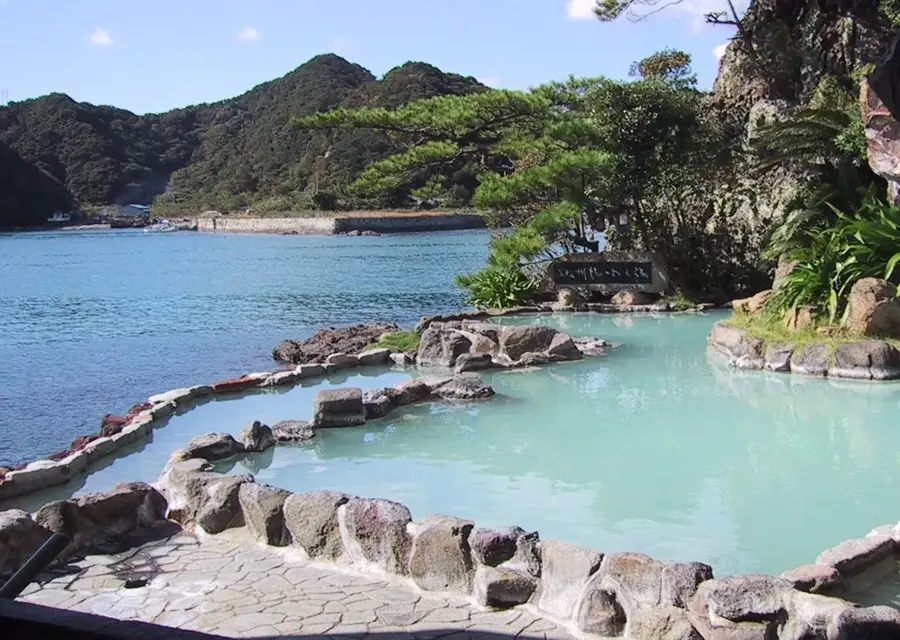
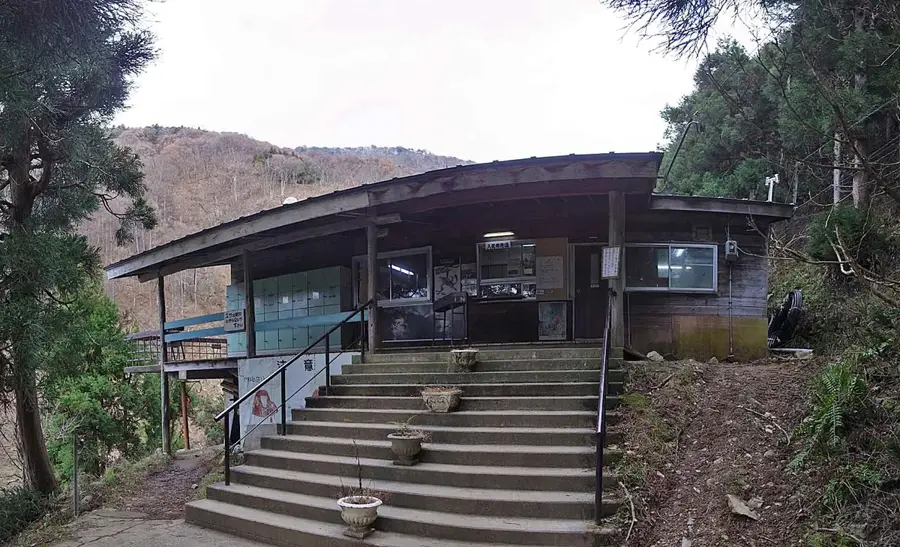
Nakabusa Onsen📍 landmark

A historic mountain hot spring resort serving as the main trailhead for Mount Tsubakuro.

Mt. Tsubakuro🌿 nature

Famed for its white granite sand and the iconic "Dolphin Rock" formation.

Mt. Sugoroku📍 landmark

Known for its wide alpine plateau and the reflective Sugoroku-ike pond.

Takamagahara Onsen📍 landmark

Japan's highest and most remote open-air hot spring, accessible only by a long hike.

Sights nearby

Frequently asked questions

Which mountains does the park cover?
It covers the northern part of the Japanese Alps (Hida Mountains).
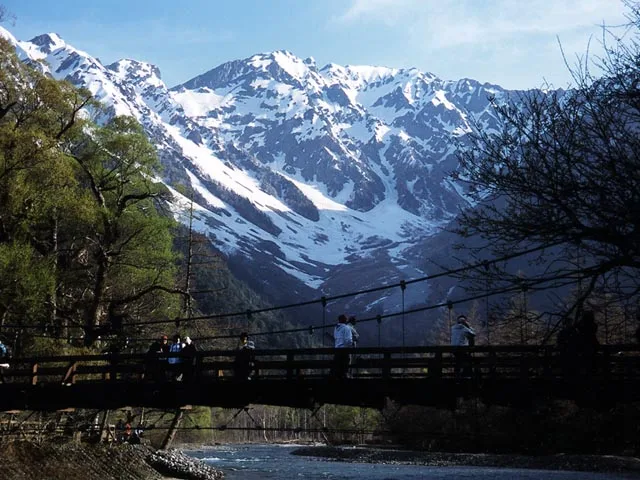
What is Kamikochi?
A high mountain valley in the park, regarded as one of Japan's most beautiful hiking areas.
How to get to Kamikochi?
Private cars are banned; you must take buses or taxis from Matsumoto or Takayama.
Is the park open in winter?
Most hiking trails and roads (like those to Kamikochi) are closed from mid-November to April.
Can you ski there?
Yes, areas like Hakuba on the edge of the park are world-famous for their ski resorts.
Chūbu-Sangaku National Park: where is it located?
Chūbu-Sangaku National Park is located in Japan.
Chūbu-Sangaku National Park: what is there to see?
Highlights include Mount Higashitenjo, Mount Ohtensho, Nakabusa Onsen.
Chūbu-Sangaku National Park: when is the best time to visit?
The most pleasant time to visit is Jun, Aug.
Chūbu-Sangaku National Park: why is it worth visiting?

Chūbu-Sangaku National Park is a remarkable feature of the geography and culture of Japan.
View on map → The Top 50 Attractions → OpenStreetMap →
Asia
Explore with Plizio Discover more places in Asia
More places in Japan →

Nearby cities

History & landmarks

More places