Plizio Visual Lab
Oumé
ℹ️Practical info — Oumé
▾
🌤 Weather — 5 days
📍 Nearby
Sights nearby
💡 Tips
- The town is surrounded by dense forests and plantations; hiring a local guide to tour a cocoa farm is highly recommended.
- Bring cash, as ATMs can be unreliable or empty, especially on weekends.
- The local Gouro culture is rich in dance and mask traditions; ask if any festivals are happening during your stay.
- Light rain gear is useful even in the dry season due to the humid forest microclimate.
🍽 Food
A thick, savory sauce made from palm nuts, usually eaten with rice or foutou at local maquis.
Banane braisée, a sweet and smoky street food often sold with roasted peanuts.
A regional specialty using seeds of the wild mango for a unique flavor.
🛍 Shopping · 🧘 Quiet spots
The best place to buy fresh cocoa beans, kola nuts, and locally grown fruits.
Look for artisans selling traditional Gouro masks or carved wooden stools in the town center.
A walk along the edge of the plantations provides a quiet, shaded retreat.
Usually open to the public, offering a peaceful garden environment.
Water temperature…
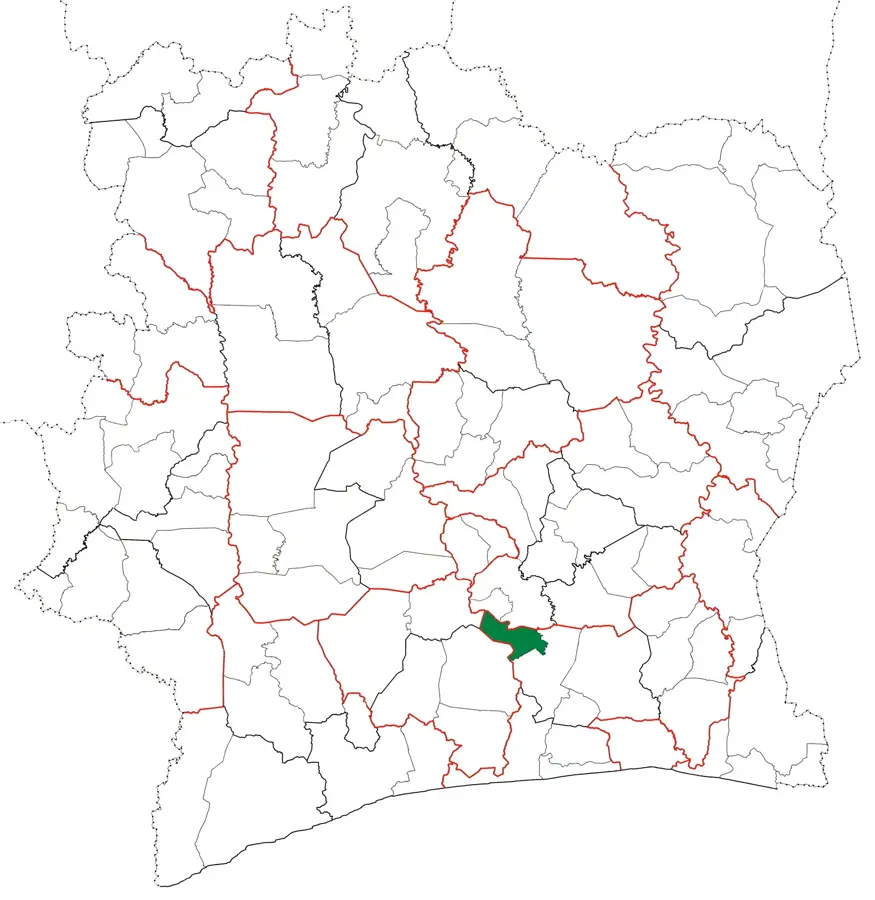
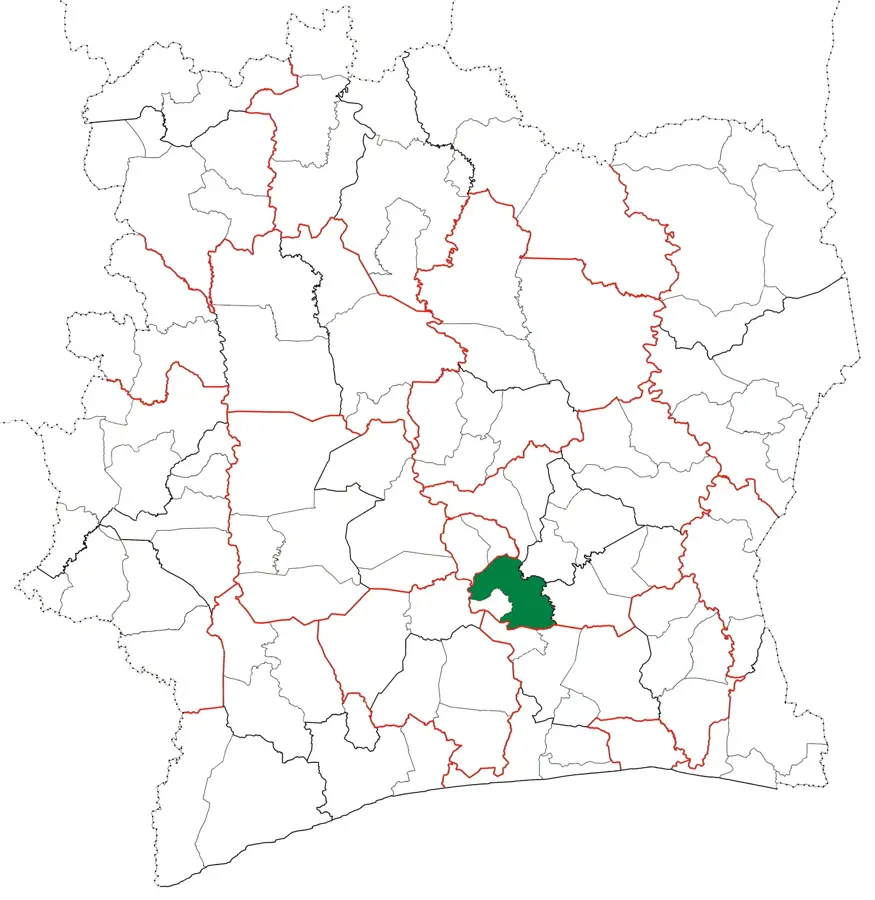
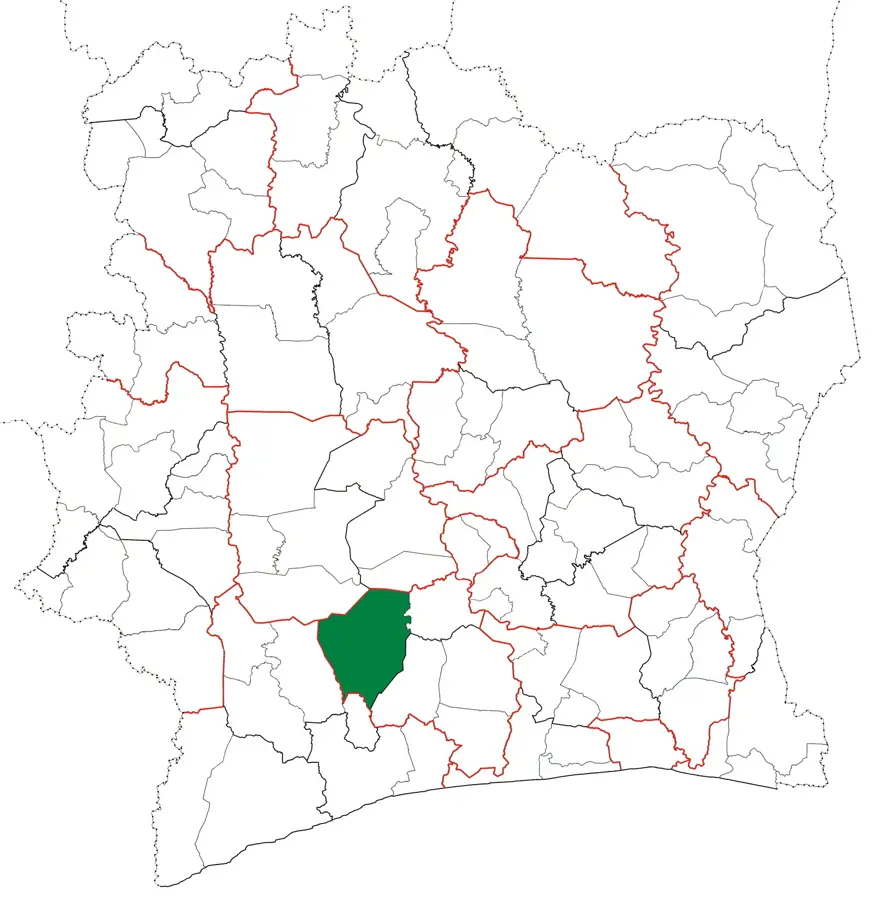
Oumé is a dynamic city in the Gôh-Djiboua region in south-central Ivory Coast, serving as an important agricultural administrative center. The city is located in a zone of lush vegetation, well-suited for the large-scale cultivation of cocoa and coffee, which are the cornerstones of the local economy. Historically, Oumé is closely linked to the Gban ethnic group, known for their rich artisanal traditions and deep-rooted cultural customs. Its geographical location between the larger centers of Gagnoa and Toumodi makes Oumé a key transit hub for transporting raw materials to the coast. In recent decades, the city has experienced significant population growth, leading to increased urbanization and the expansion of educational facilities. The markets of Oumé are renowned for their variety of local foods and handcrafted products, attracting traders from across the region. Despite its economic importance, the city maintains a strong sense of community, expressed through regular cultural events and traditional ceremonies. Current infrastructure development focuses on improving road connections to surrounding villages to optimize the flow of goods.
- Location: Côte d’Ivoire
- Nearby: Taabo (48 km)
- Population: ~58.606 (2023)
Best time to visit & climate
The most pleasant time to visit is Jan, Aug, Dec.
| Jan | Feb | Mar | Apr | May | Jun | Jul | Aug | Sep | Oct | Nov | Dec | |
|---|---|---|---|---|---|---|---|---|---|---|---|---|
| Avg °C | 27 | 28 | 27 | 27 | 26 | 25 | 25 | 25 | 25 | 26 | 26 | 26 |
| Rain mm | 17 | 65 | 118 | 138 | 161 | 209 | 113 | 90 | 135 | 152 | 84 | 33 |
Geography
Facts
- Oumé is the capital of the department of the same name in the Gôh region.
- The Gban (or Gagou) ethnic group is indigenous to this area.
- Cocoa and coffee account for over 80% of local agricultural production.
- The city is located approximately 240 kilometers northwest of Abidjan.
- Oumé has several renowned secondary schools serving the region.
- The local market is held weekly and is a significant economic driver.
Explore nearby
Notable places around



Route planner — Car & Motorhome
Where do you start? We build the route here, with stops and country notes along the way.
© OpenStreetMap contributors · OpenRouteService
Sights in the town Oumé (1)
Frequently asked questions
What is the economic basis of Oumé?
Can you visit the plantations?
How far is Oumé from Gagnoa?
Are there accommodations?
Which people live here?
Oumé: where is it located?
Oumé: when is the best time to visit?
Oumé: why is it worth visiting?

Nearby cities

History & landmarks
More places