Plizio Visual Lab

Sassandra Estuary
Plizio editorial teamData Sources
Sea
—°
Sassandra Estuary (Côte d’Ivoire)

Weather…

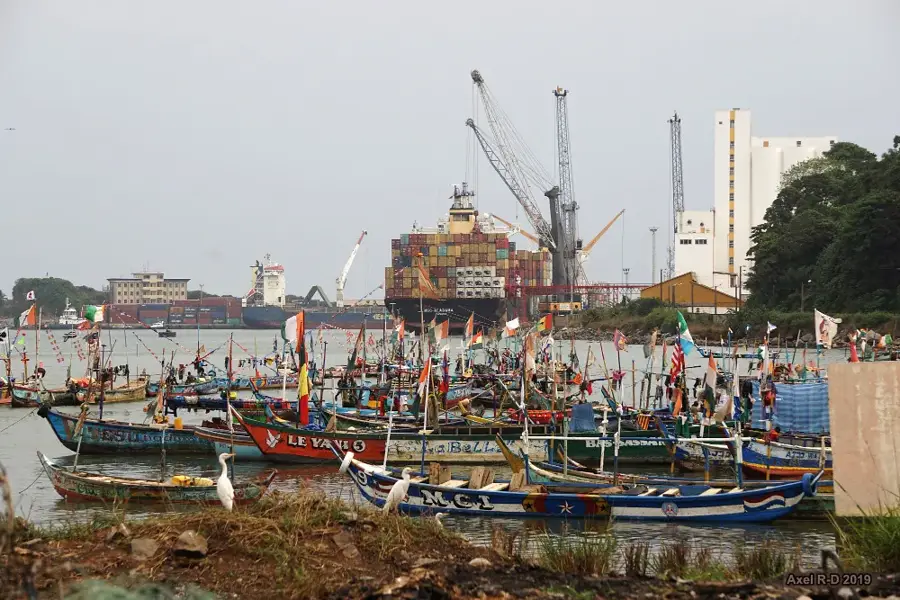
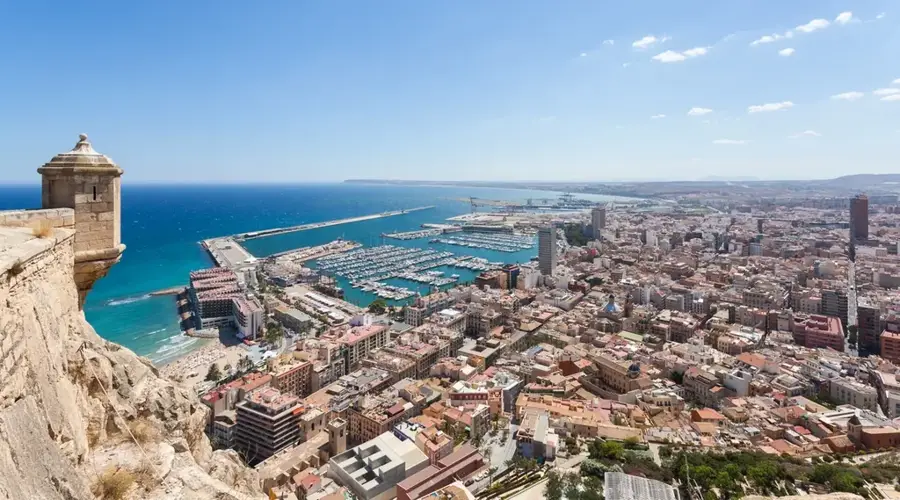
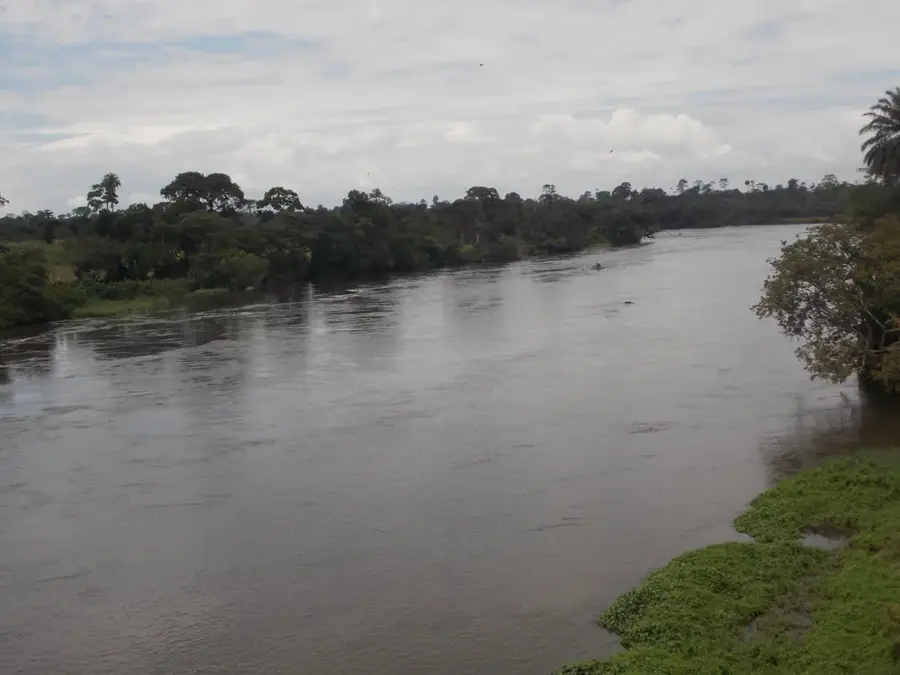
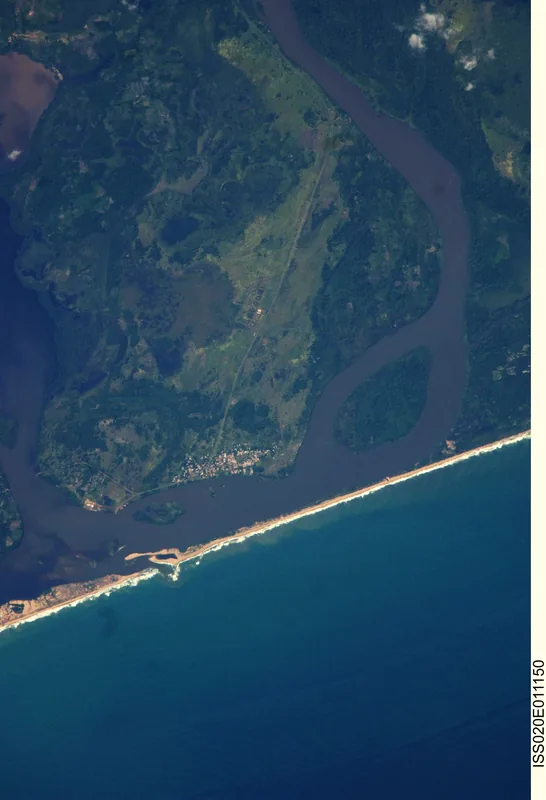
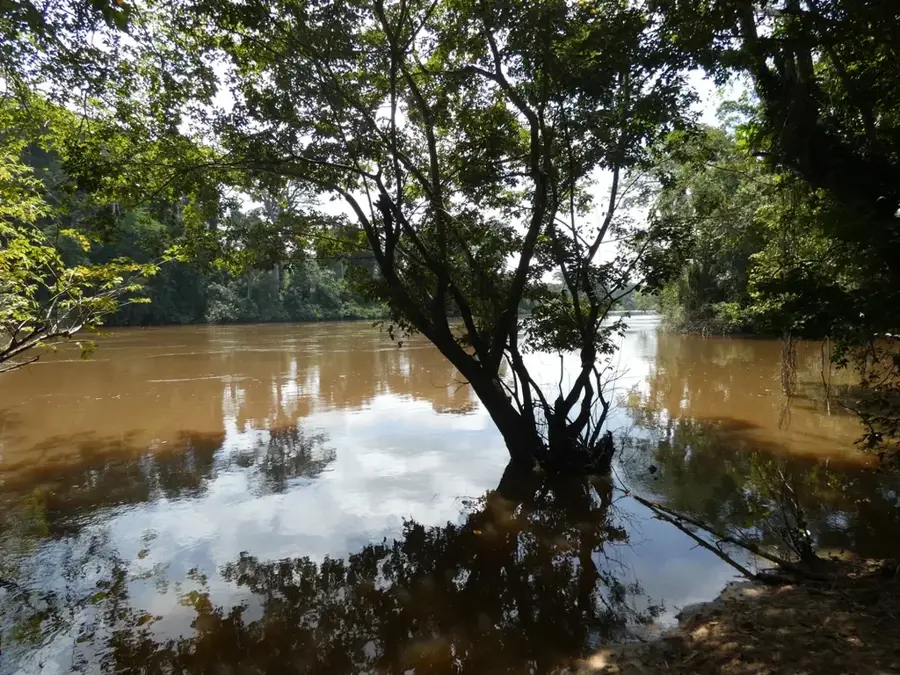
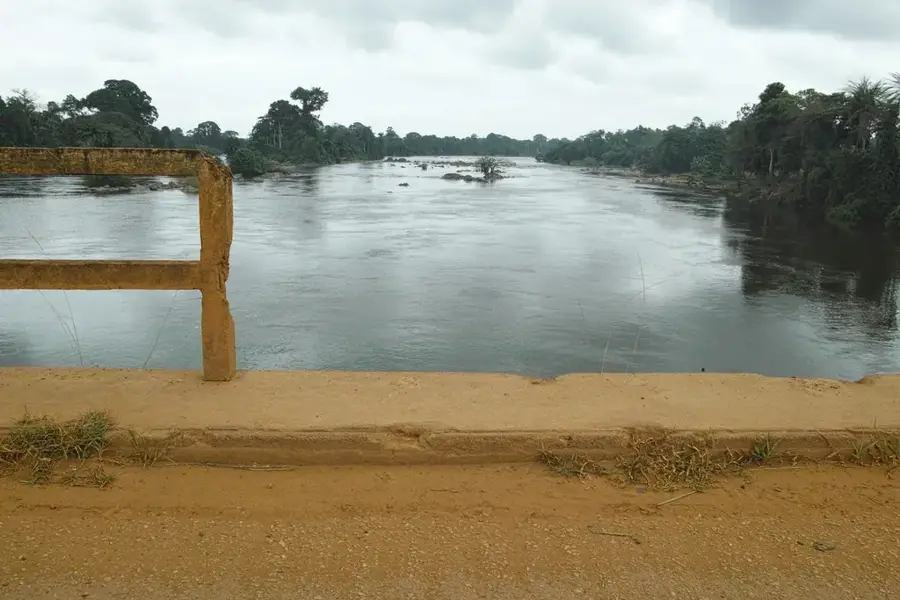
The Sassandra River estuary on the southwestern coast of Côte d'Ivoire marks the discharge point of one of the nation's most significant rivers into the Gulf of Guinea. The town of Sassandra, perched on cliffs overlooking the estuary, provides a strategic vantage point where freshwater meets the salt tides of the Atlantic. Originating in the highlands of Guinea, the river travels over 650 kilometers before forming a broad delta here, characterized by shifting sandbars and extensive mangrove forests. Historically, the estuary has been a landmark for Portuguese explorers since the 15th century and later became a focal point for colonial trade, evidenced today by the remains of the old Governor's House. Ecologically, the estuary serves as a vital corridor for migratory fish species and supports a wide array of waterfowl. The interplay between the river's powerful current and Atlantic tides creates a dynamic coastal landscape that faces significant challenges from coastal erosion. Currently, the area is known for its artisanal fishing industry and its emerging potential as an ecotourism destination.

Best time to visit & climate

The most pleasant time to visit is Jan, Aug, Dec.

JanFebMarAprMayJunJulAugSepOctNovDec
Avg °C272727272726252425262627
Rain mm34751161452183561619815817910758

📋 Practical info

🧭
Getting there
The estuary is generally accessed from the nearby town of Sassandra, where local paths lead towards the meeting point of the river and ocean. Renting a reliable vehicle or organizing transportation from the town center is the typical and most practical approach.
📅
Best season
Visiting during the typical dry season is usually recommended, as river water levels are lower and the ocean conditions tend to be much calmer. The months between November and early spring generally offer the most reliable weather for exploring the estuary safely.
⛰️
Terrain & paths
The landscape around the estuary features a dynamic combination of shifting sandbanks, muddy river edges, and flatter coastal ground. Visitors should be prepared for soft and potentially slippery surfaces near the direct intersection of the fresh water and the sea.
🎒
What to bring
Given the mixed environment, sturdy footwear suitable for muddy conditions and standard sun protection are highly recommended. Binoculars are also a typical addition for those hoping to spot local birdlife gathering where the freshwater meets the ocean.
🅿️
Parking
Visitors can generally find unofficial parking spots in the outskirts of Sassandra before proceeding on foot towards the estuary itself. It is always wise to leave vehicles in visible, somewhat populated areas rather than completely isolated coastal spots.
⚠️
Safety
Extreme caution is generally advised regarding the strong and unpredictable currents created where the river flows directly into the Atlantic. Swimming is typically discouraged in these transition zones, and visitors should closely watch for rapidly changing tide lines.
⏱️
Time needed
A typical visit lasts between one and three hours, which provides ample time to observe the changing landscape and the local bird species. Those interested in extended nature observation often plan a longer half-day excursion to fully appreciate the area.

Geography

Coordinates
4.90000, -5.90000

Facts

  • The Sassandra River spans roughly 650 km
  • First Portuguese contact recorded in 1471
  • Estuary features shifting sandbars and strong currents
  • Important port for timber and cocoa exports
  • Habitat for the rare West African manatee
  • Sassandra town is built on strategic coastal cliffs

Explore nearby

Notable places around
Route planner — Car & Motorhome

Where do you start? We build the route here, with stops and country notes along the way.

Vehicle
Only stops with (optional):

© OpenStreetMap contributors · OpenRouteService

Sights nearby

Frequently asked questions

What is special about the estuary?
The meeting of fresh water and the Atlantic is photogenic.
Can you fish there?
Yes, it is a very fish-rich location.
Are there boat trips?
Locals offer trips through the estuary.
Is the water calm?
In the estuary, it's often choppy due to the surf.
Can you see dolphins?
Occasionally, dolphins are spotted near the coast.
Sassandra Estuary: where is it located?
Sassandra Estuary is located in Côte d’Ivoire.
Sassandra Estuary: when is the best time to visit?
The most pleasant time to visit is Jan, Aug, Dec.
Sassandra Estuary: why is it worth visiting?

The Sassandra River estuary on the southwestern coast of Côte d'Ivoire marks the discharge point of one of the nation's most significant rivers into the Gulf of Guinea.
View on map → The Top 50 Attractions → OpenStreetMap →
Africa
Explore with Plizio Discover more places in Africa
More places in Côte d’Ivoire →

Nature

More places