Plizio Visual Lab
Capo Colonna
ℹ️Practical info — Capo Colonna
▾
🌤 Weather — 5 days
📍 Nearby
Sights nearby
💡 Tips
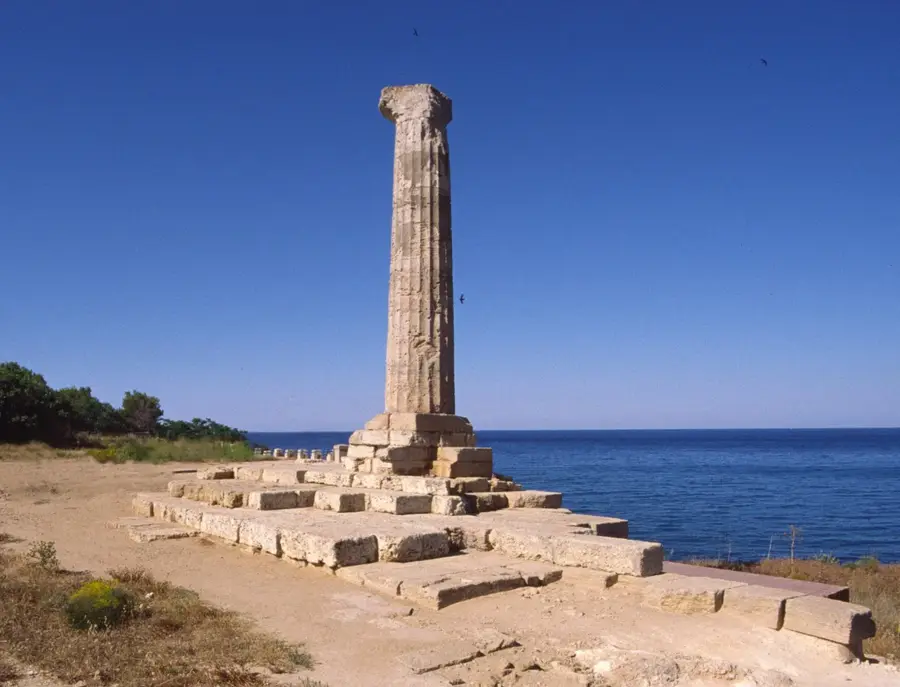
- Visit the Archaeological Park to see the solitary Doric column of the Temple of Hera Lacinia overlooking the sea.
- Time your visit for spring or autumn to avoid the intense summer heat and the largest crowds.
- Head to the National Archaeological Museum in Crotone to see the famous Golden Diadem of Hera.
- Rent a car in nearby Crotone, as public transport to the promontory is infrequent and unreliable.
- Check the opening times in advance, as the archaeological site is typically closed on Mondays.
🍽 Food
Known as the 'caviar of the south,' this spicy fish paste is best enjoyed spread on crusty bread in local trattorias.
A sharp, aged sheep's milk cheese local to this area. Look for it in the specialty food shops of Crotone's old town.
One of Italy's oldest wines, produced in the nearby hills. The robust red pair perfectly with spicy Calabrian meats.
🛍 Shopping · 🧘 Quiet spots
Visit the morning market at the harbor for the freshest catch and a slice of authentic Calabrian life.
Look for artisan shops in the old quarter selling terracotta and pottery inspired by ancient Magna Graecia designs.
Located within the archaeological park, this wooded area features peaceful shaded walks away from the main ruins.
A quieter coastal spot near the cape, known for its incredibly clear water and underwater archaeological remains.
Water temperature…
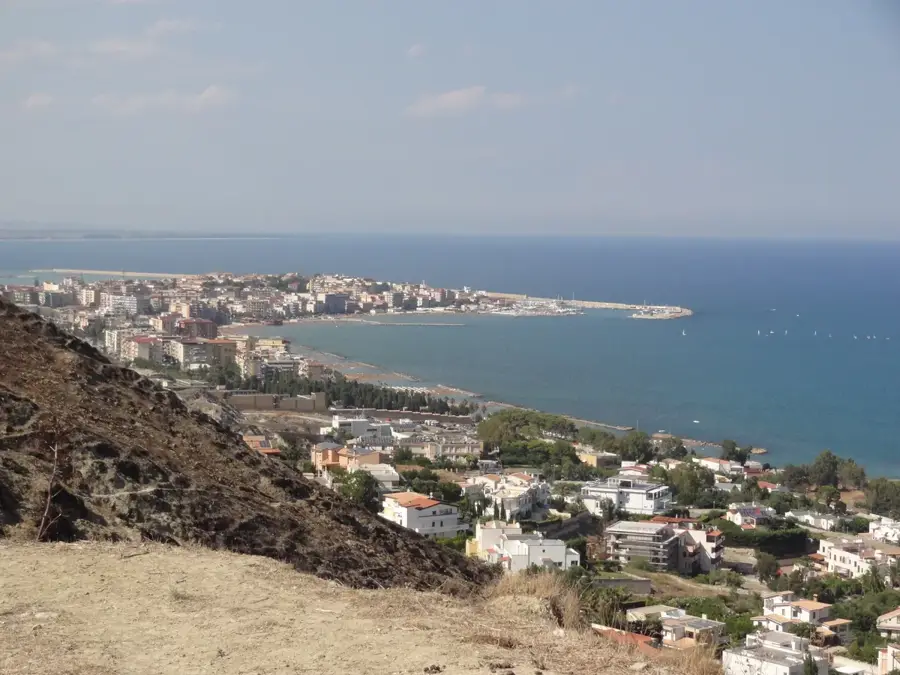
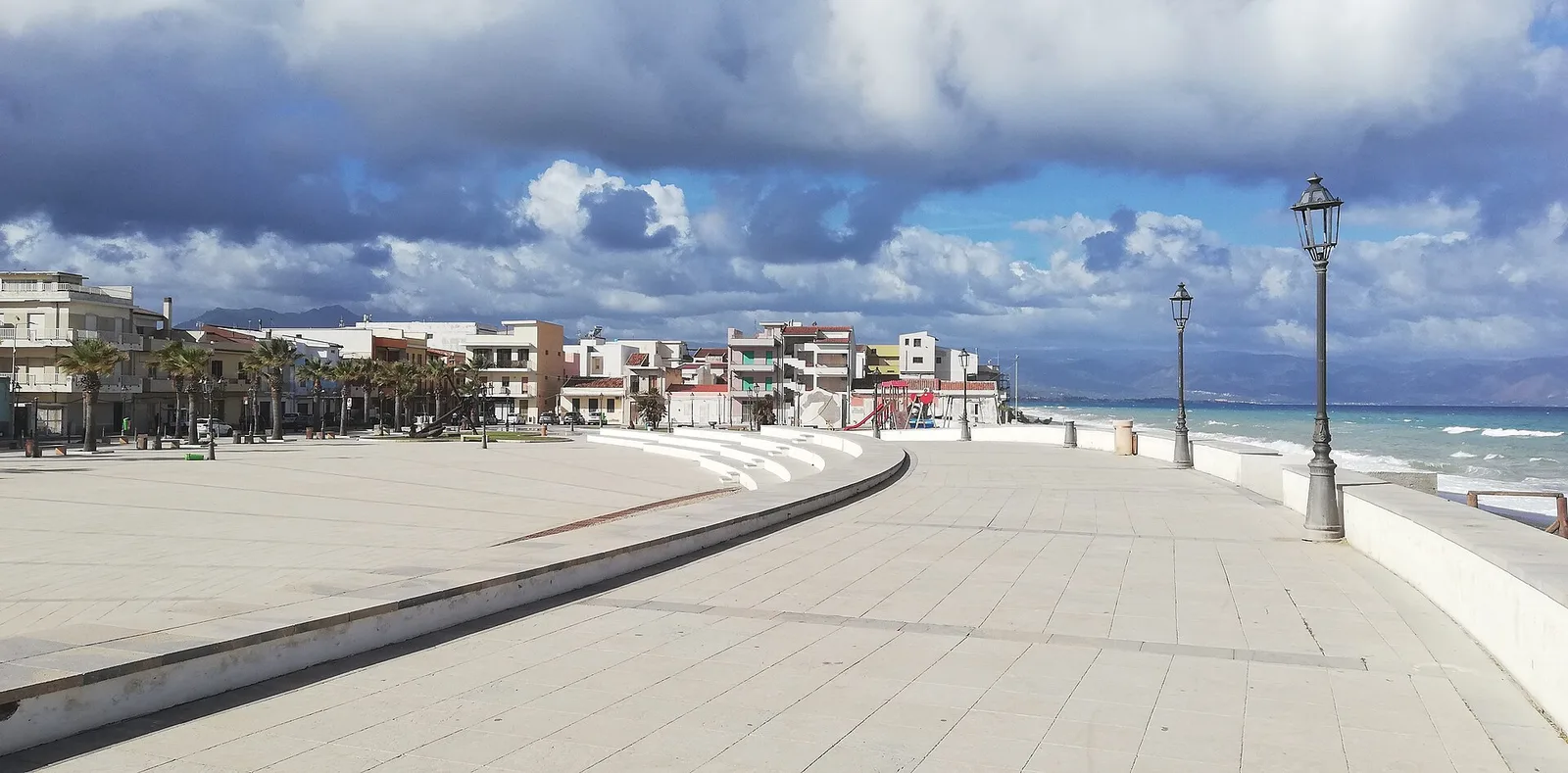
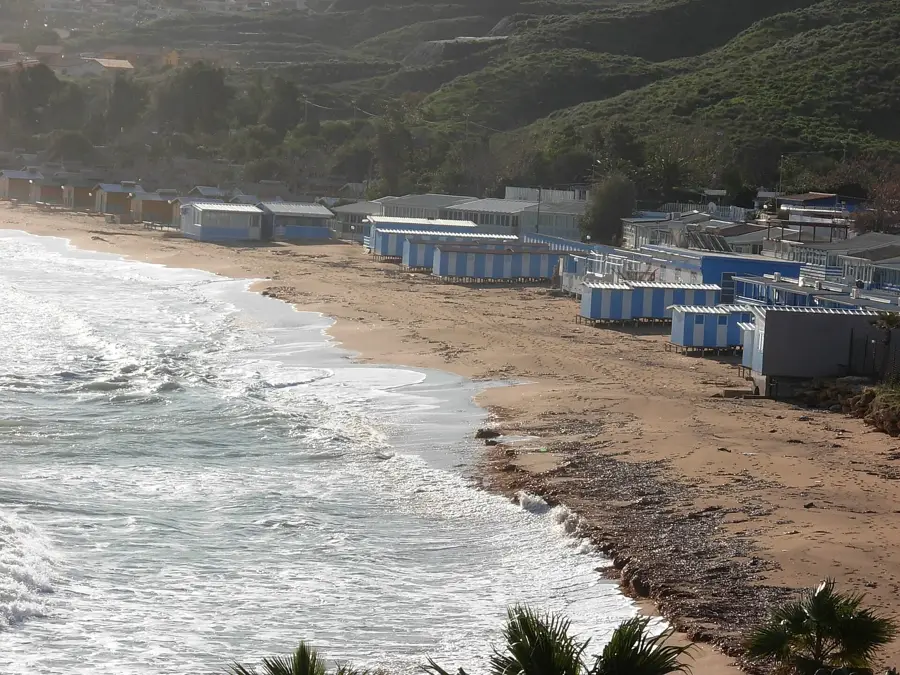
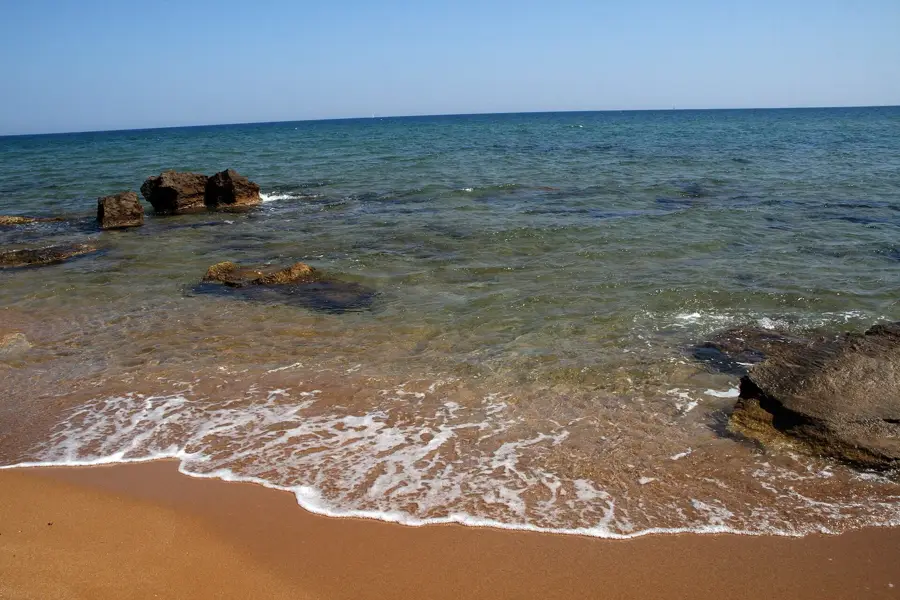
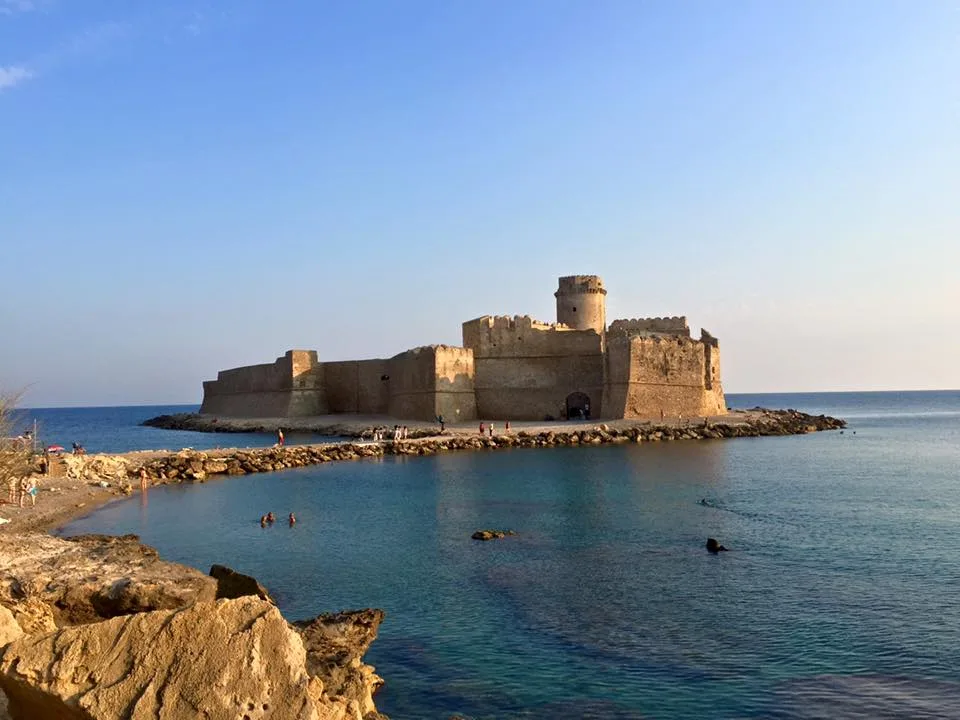
Capo Colonna is a sweeping promontory located on the Ionian coast of Calabria, just a short distance from the city of Crotone. This site is steeped in history and forms the centerpiece of a significant archaeological park. Its most iconic landmark is a solitary Doric column, the only surviving remnant of the grand Temple of Hera Lacinia from the era of Magna Graecia. Beyond the ancient ruins and medieval watchtower, the promontory has rugged Mediterranean beauty and a rich Southern Italian culinary tradition centered around fresh seafood and local olive oil. The coastal area surrounding the cape features wonderful opportunities for swimming in transparent, azure waters framed by striking rock formations. The beach known as Mare Pulito (Clean Sea) certainly lives up to its name, providing pristine conditions for bathers. Visitors can also relax at the beautiful Baia Alfieri or the pretty Baia di Scifo, both characterized by their reddish sand and tranquil isolation. For a more sheltered swimming and snorkeling experience, the cove at Porticciolo beach is an excellent choice, teeming with small marine life. The waters around Capo Colonna are part of a protected marine reserve, making the area a highly sought-after destination for scuba divers. The underwater landscape is not only rich in marine biodiversity but is also scattered with ancient submerged artifacts, offering a magical diving experience. Capo Colonna masterfully blends the echoes of ancient history with pristine natural landscapes and the soothing rhythms of the Calabrian sea.
- Location: Italy
- Top sights: Baia Alfieri · Tonnara Berlignieri · Torrazzo
- Nearby: Sanna Sannello (6 km)
- Population: ~58
Geography
Facts
- Located in Calabria
- Ionian Sea coastline
- Temple of Hera Lacinia
- Major archaeological park
- Protected marine reserve
- Close to Crotone city
- Historic coastal watchtower
- Excellent for snorkeling
Explore nearby
Notable places around

Route planner — Car & Motorhome
Where do you start? We build the route here, with stops and country notes along the way.
© OpenStreetMap contributors · OpenRouteService
Start your morning at the commanding Torrazzo tower, diving immediately into the area's rich history. Midday brings you to the ancient Anfiteatro and a relaxing pause by the small Porticciolo harbor. In the afternoon, you will explore the heart of the sanctuary, touching the stones of Edificio K and the famous Tempio. As evening approaches, reflect on your journey near the legendary Casa di Pitagora, bathed in golden sunlight.
Torrazzo
Anfiteatro di Capo Colonna
Porticciolo
Edificio K
Edificio A - Tempio
Casa di Pitagora
In the morning, the museum provides shelter as we explore the Torrazzo area. At noon, the small harbor takes on a dramatic mood under the gray sky. Afternoon finds the lonely temple column braving the elements; non-slip shoes are essential on the ancient paths. The evening ends at Casa di Pitagora, where the wet stones beautifully reflect the site's deep history.
Torrazzo
Anfiteatro di Capo Colonna
Porticciolo
Edificio K
Edificio A - Tempio
Casa di Pitagora
The crisp winter morning at Torrazzo is refreshing; a windproof jacket is essential against the sea breeze. At noon, the low sun pleasantly warms the amphitheater. In the afternoon, head to the temple column to catch the golden light before the 5 PM sunset. The day ends peacefully at Casa di Pitagora as the evening chill settles over the coast.
Torrazzo
Anfiteatro di Capo Colonna
Porticciolo
Edificio K
Edificio A - Tempio
Casa di Pitagora
Kick off your cycling adventure at the Anfiteatro, feeling the ancient energy before pedaling to the iconic Tempio column. Around noon, ride down towards the coast to admire the solitary Torre di Capo Pellegrino. Spend your afternoon investigating the fascinating historic stone Cave and taking a refreshing rest by the waters of Baia di Scifo. Conclude your active day by discovering the industrial heritage at Tonnara Berlignieri in the evening.
Anfiteatro di Capo Colonna
Edificio A - Tempio
Torre di Capo Pellegrino
Cave
Baia di Scifo
Tonnara Berlignieri
The cycling day starts cautiously at the amphitheater, using trees for shelter during showers. The ride to the temple covers slippery sections; braking requires full concentration. At noon, we find refuge near Capo Pellegrino while overlooking the gray coastline. The afternoon is spent between caves and the old Tonnara, always keeping an eye out for the next dry spot.
Anfiteatro di Capo Colonna
Edificio A - Tempio
Torre di Capo Pellegrino
Cave
Baia di Scifo
Tonnara Berlignieri
A winter bike tour requires warm gloves against the biting wind. In the morning, we glide past the amphitheater in the crisp air. At noon, the temple column provides a sunny spot for a break. The coastal road to Capo Pellegrino is almost empty now. In the afternoon, we explore the caves before the early dusk forces us back toward the Tonnara.
Anfiteatro di Capo Colonna
Edificio A - Tempio
Torre di Capo Pellegrino
Cave
Baia di Scifo
Tonnara Berlignieri
Your road trip begins with the historic Tonnara Berlignieri, setting a fascinating tone for the day. By midday, drive to the archaeological core to visit the impressive Anfiteatro, the iconic Tempio, and the detailed Area PM. As the afternoon unfolds, cruise towards the southern coastline, stopping at the towering Torre di Capo Pellegrino and the ancient Terrazzamenti. Wrap up your magnificent journey with a peaceful evening at Baia Alfieri.
Tonnara Berlignieri
Anfiteatro di Capo Colonna
Edificio A - Tempio
Area PM
Torre di Capo Pellegrino
Terrazzamenti
Baia Alfieri
By car, exploring the cape is a pleasure even in the rain. We start at the Tonnara, only stepping out during breaks. At noon, the car provides a dry sanctuary near the amphitheater. In the afternoon, we drive to the viewpoints at the temple and Capo Pellegrino, watching the stormy sea through the wipers. The day ends safely overlooking the Alfieri bays.
Tonnara Berlignieri
Anfiteatro di Capo Colonna
Edificio A - Tempio
Area PM
Torre di Capo Pellegrino
Terrazzamenti
Baia Alfieri
In winter, driving to the cape is especially relaxing with minimal traffic. We start the morning at Tonnara when frost still clings to the grass. At noon, we soak up the sun at the amphitheater. The coastal drive to the temple offers spectacular views in the clear light. Since it gets dark by 5 PM, we plan the day tightly, ending at Baia Alfieri.
Tonnara Berlignieri
Anfiteatro di Capo Colonna
Edificio A - Tempio
Area PM
Torre di Capo Pellegrino
Terrazzamenti
Baia Alfieri
Sights in the town Capo Colonna (8)
Frequently asked questions
Capo Colonna: where is it located?
Capo Colonna: what is there to see?
Capo Colonna: why is it worth visiting?

Nearby cities