Feast of Saint Lucy
Important religious celebrations for the patron saint of Syracuse.
PlizioGo
A classic Sicilian pasta dish made with eggplant, tomatoes, and salted ricotta cheese.
Fried rice balls, excellent for a quick snack while exploring the Ortigia market area.
The traditional breakfast; try almond or lemon flavors at a cafe in Piazza Duomo.
A sensory experience with fresh seafood, spices, and local cheeses (open mornings only).
Explore this area for artisan workshops selling ceramics and handmade leather goods.
Buy authentic papyrus paper, which is still produced in Syracuse using ancient methods.
The narrow backstreets of the old Jewish quarter are much quieter than the main tourist thoroughfares.
The fortress at the tip of Ortigia provides tranquility and refreshing sea breezes away from the crowds.
A walk along the eastern sea wall at sunrise is particularly peaceful and atmospheric.
Water temperature…
Important religious celebrations for the patron saint of Syracuse.
A traditional boat race between the historic quarters of Syracuse.
An important festival for independent cinema and Italian films on the island of Ortigia.
Performances of ancient Greek tragedies in the historic amphitheater.
Celebration of the beginning of spring with markets and local music.
Traditional religious procession and celebrations in January.
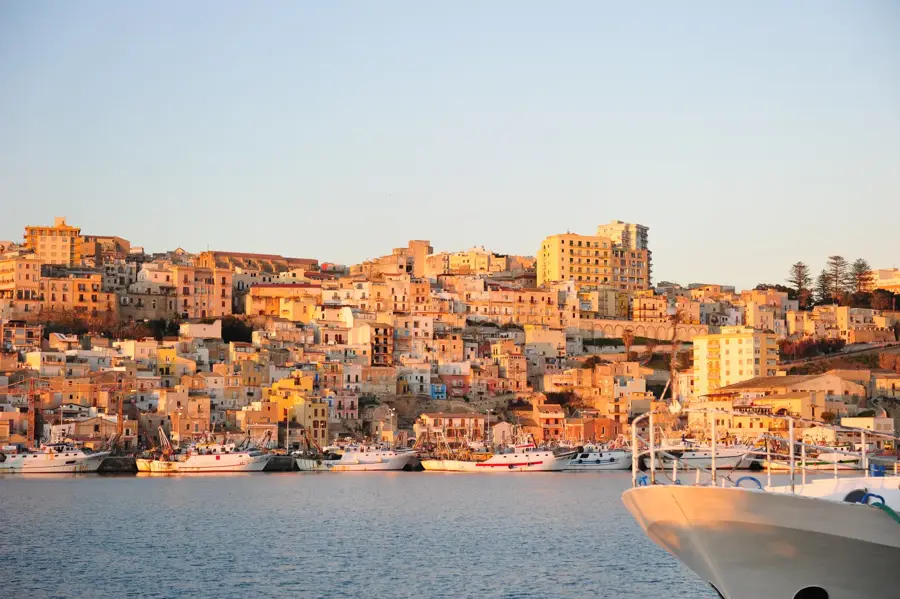
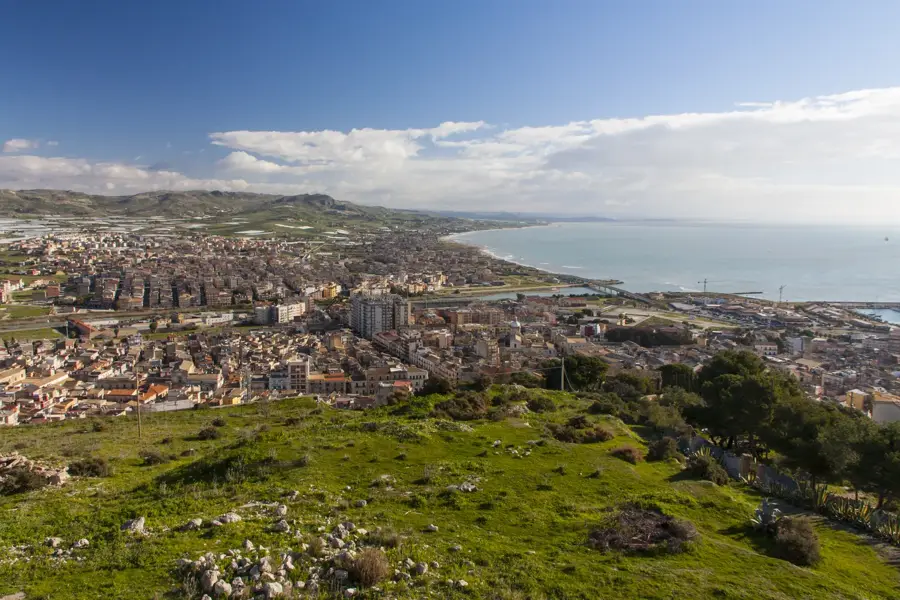
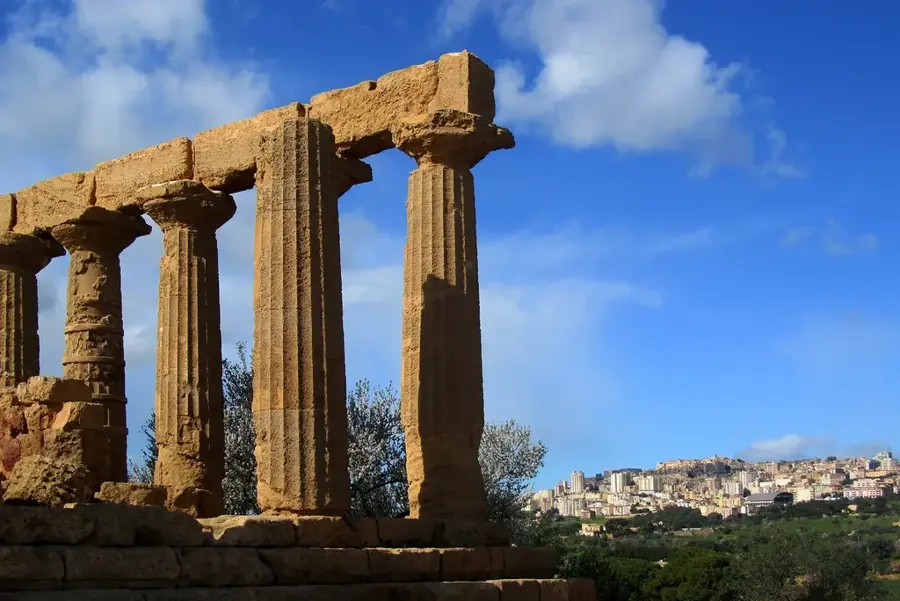
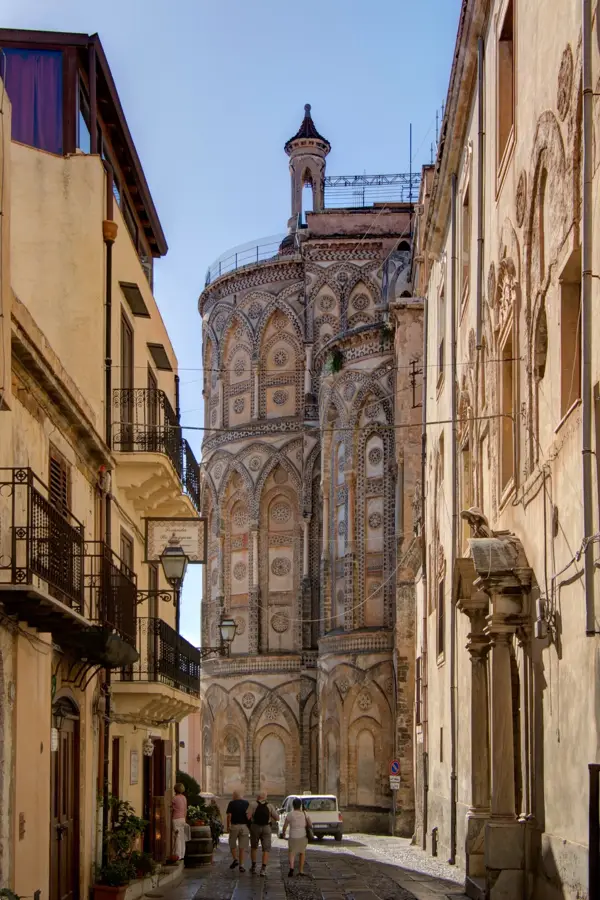
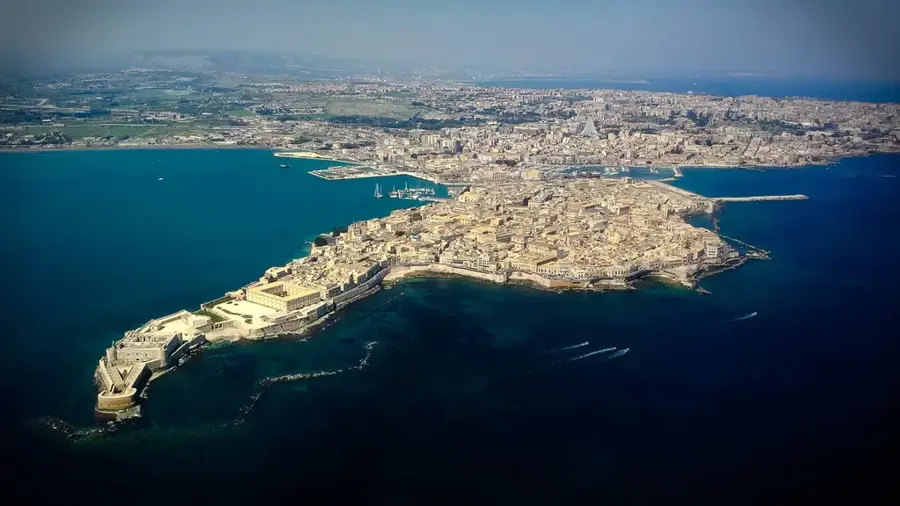
Syracuse is a timeless gem on Sicily's southeast coast, once the greatest of all Greek cities and a rival to Athens. The soul of the city lies on the island of Ortigia, where 2,500 years of history are layered in its stones. The Cathedral is a remarkable example of this, featuring the massive Doric columns of an ancient Temple of Athena embedded in its Baroque walls. In the Neapolis Archaeological Park, the Greek Theater, carved directly into the hillside, remains one of the largest ever built and still hosts performances today. Nearby, the 'Ear of Dionysius' quarry cave has legendary acoustics. Beyond its ruins, Syracuse enchants with the freshwater Arethusa Fountain, where wild papyrus grows, and an animated dining scene that celebrates the flavors of the Ionian Sea.
The most pleasant time to visit is May–Jul.
| Jan | Feb | Mar | Apr | May | Jun | Jul | Aug | Sep | Oct | Nov | Dec | |
|---|---|---|---|---|---|---|---|---|---|---|---|---|
| Avg °C | 14 | 14 | 15 | 16 | 19 | 23 | 26 | 27 | 25 | 22 | 19 | 16 |
| Rain mm | 70 | 60 | 49 | 31 | 16 | 9 | 6 | 11 | 58 | 75 | 90 | 88 |
Notable places around
Where do you start? We build the route here, with stops and country notes along the way.
© OpenStreetMap contributors · OpenRouteService
The day begins in the labyrinth of Ortigia, where history breathes at every corner. Admire the Temple of Apollo before reaching the magnificent Piazza Duomo. At noon, the market entices with Sicilian aromas and the scent of fresh herbs. After visiting the Maniace fortress at the southern tip, a stroll along the promenade leads to the patron saint's basilica. End the evening with a classic Sicilian granita by the shore.
Start your day under the arches of Ortigia, where the white limestone glistens in the rain. While Apollo's temple is exposed, the nearby Cathedral, built into a 5th-century BC Greek temple, provides a dry, majestic haven. At noon, head to the covered sections of the Ortigia Market. The papyrus of Fonte Aretusa looks mystical under grey skies. Enjoy local street food while the rain patters on the market stalls. In the afternoon, the Maniace Castle at the southern tip offers a dramatic view of the crashing Ionian waves. Later, find shelter in Santa Lucia al Sepolcro to admire Caravaggio's masterpiece in peace. End the evening in the cozy wine bars of the Jewish Quarter. The wet cobblestones reflect the warm streetlights, turning the narrow alleys into a shimmering, atmospheric labyrinth.
Winter in Syracuse is mild and exceptionally bright. Start in Ortigia, where the low winter sun warms the white stone facades. The walk to the Temple of Apollo is refreshing without the summer heat. At midday, enjoy the crisp air at the Ortigia Market, famous for its seasonal citrus and nuts. Fonte Aretusa provides a peaceful spot for reflection, undisturbed by the summer crowds. In the afternoon, the light at Castello Maniace is perfect for coastal photography. As sunset occurs around 17:00, make sure to reach Santa Lucia al Sepolcro before the dusk settles. Evenings cool down quickly. Find a cozy restaurant in the heart of Ortigia or enjoy the illuminated Piazza Duomo, which regains its quiet dignity during the winter months.
Explore Syracuse efficiently and flexibly by bike. From the ruins of the Temple of Apollo, ride along the coast of Ortigia down to the Maniace fortress. After a stop at the Duomo, head north towards the Neapolis Archaeological Park. Here, the ancient Greek theater and the famous Ear of Dionysius await. End the day at the renowned Paolo Orsi Museum before a leisurely ride back.
Cycling in the rain requires extra grip near the Apollo Temple. The ride to Castello Maniace is scenic but exposed to sea gusts. The Cathedral offers a much-needed dry interval mid-ride. The route to Neapolis Archaeological Park is short, but limestone roads are slippery. Once there, the dense vegetation and massive caves provide natural shelters from the downpours. The Ear of Dionysius is a massive cave, keeping you perfectly dry while exploring. Spend the rainy afternoon at the Paolo Orsi Museum to keep your gear and bikes out of the wet. Finish your tour in the modern part of Syracuse. The wider avenues are safer for cycling in the rain than the narrow, slick cobblestones of Ortigia before your final stop.
Winter cycling in Syracuse is a delight. The crisp morning air at the Temple of Apollo makes pedaling effortless. The coastal route to Castello Maniace is refreshing under the gentle winter sun. At midday, Piazza Duomo is wonderfully quiet. Use your bike to zip between Ortigia's landmarks before heading towards the archaeological areas on the mainland. Neapolis Park is lush and green in winter. The Ear of Dionysius maintains a steady temperature, feeling cozy compared to the outside breeze. Finish your day at the Paolo Orsi Museum. Wrap up your ride before the sun sets at 17:00. The clear winter atmosphere offers stunning sea views, but the temperature drops quickly once the dusk begins to settle.
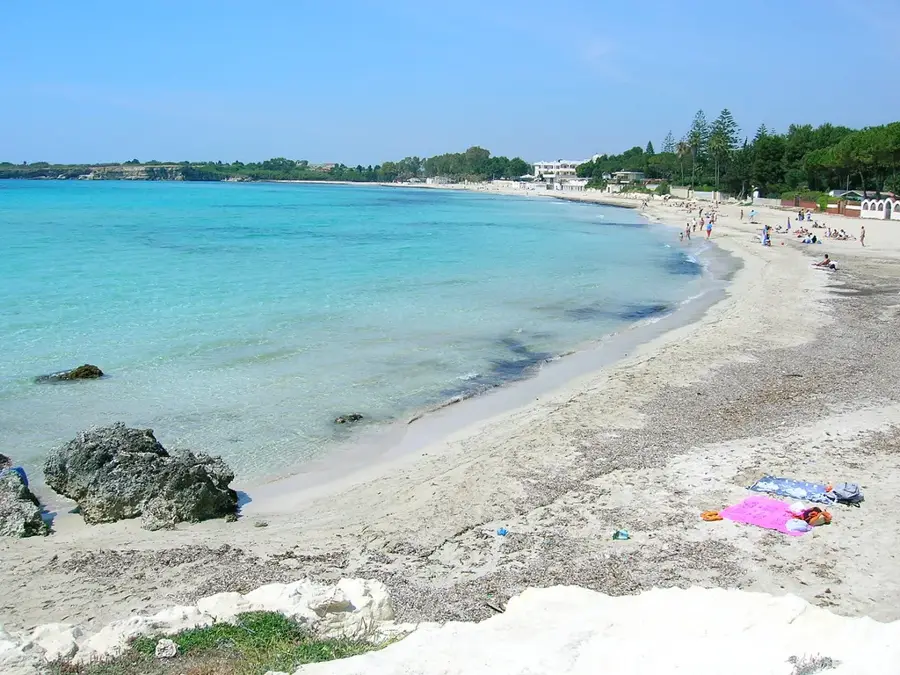
By car, combine the ancient treasures of Syracuse with a detour to the famous sandy beach of Fontane Bianche. Start at the Neapolis park and the Paolo Orsi Museum before enjoying a few hours of sun by the sea. In the afternoon, return to the city, park conveniently at the edge of Ortigia, and stroll to the Duomo and the Arethusa spring to unwind.
By car, start easily at Neapolis, where you can find parking close to the entrance. The Paolo Orsi Museum is just a short drive away, offering hours of dry exploration. At midday, drive south to Fontane Bianche. Even in the rain, the coastal drive offers atmospheric views of the wild Ionian Sea from the warmth of your vehicle. In the afternoon, park in the Talete covered parking garage in Ortigia. From there, it's a short walk to the Cathedral, which remains majestic despite the rain. Finish your evening in Ortigia. With your car secured in the garage, take a quick look at the illuminated Fonte Aretusa before heading into a nearby trattoria.
Winter driving in Syracuse is stress-free. Start at Neapolis, which is easily accessible during the quieter months. The cool air isn't an issue as you shuttle between the ruins and the museum. At midday, the drive to Fontane Bianche is a highlight. The coastal road is empty, and the views of the crystal-clear winter sea are soothing before you return to the city. In the afternoon, parking in Ortigia is much easier than in summer. Piazza Duomo is particularly photogenic in the crisp light. Use your car's flexibility to catch the seaside sunset. Finish your day in Ortigia. The car provides a warm retreat after your walk to Fonte Aretusa. With more parking spots available in the off-season, you can end your day without hassle.
Italian; tourism staff in Ortigia generally speak English.
Renowned for its striking natural beauty, Spiaggia della Pillirina presents a striking stretch of coastline in Syracuse. Nature enthusiasts will appreciate the untouched surroundings while swimming or resting by the sea. The captivating scenery makes it a wonderful spot for photography and leisurely exploration. It is advisable to bring your own essentials when planning a relaxing day here.
Tucked away on the captivating coast of Syracuse, Spiaggia del Minareto is a lovely haven for beachgoers. Visitors can spend their hours taking a dip in the sea or lounging comfortably on the shore. The location often provides a peaceful vibe compared to more crowded tourist hubs. A morning visit is good to fully appreciate the gentle seaside atmosphere.
Embracing the characterful coastline of Syracuse, Spiaggia di Punta Carrozza provides a pleasant environment for seaside relaxation. Those arriving here can look forward to unwinding by the water and enjoying the gentle sea breeze. It acts as an inviting space for both local residents and curious travelers to connect with nature. Warm, sunny afternoons are the great time to experience this coastal gem.