Plizio Visual Lab
Vibo Valentia
ℹ️Practical info — Vibo Valentia
▾
🌤 Weather — 5 days
📍 Nearby
Sights nearby
💡 Tips
- The Norman-Swabian Castle is, offering the best panoramic views of the coast and sea.
- The historic center (centro storico) features steep, cobbled streets; comfortable walking shoes are essential.
- Many shops and churches observe a siesta in the early afternoon, so plan your sightseeing for the morning or late afternoon.
- The local archaeological museum inside the castle is surprisingly rich in Magna Graecia artifacts.
🍽 Food
A spicy spreadable pork sausage; try it from a local salumeria or dotted on a pizza.
Traditional Calabrian curved pasta, typically served with a rich, slow-cooked meat ragù.
A famous chocolate and hazelnut ice cream dessert from nearby Pizzo, easy to find in local gelaterias.
🛍 Shopping · 🧘 Quiet spots
The main street for local boutiques and joining the evening stroll (passeggiata).
Pick up local chili peppers, extra virgin olive oil, and cured meats from delis.
The city park offering a green retreat and lovely views over the surrounding area.
The quiet and impressive interior of the main cathedral, excellent for a peaceful moment.
Water temperature…
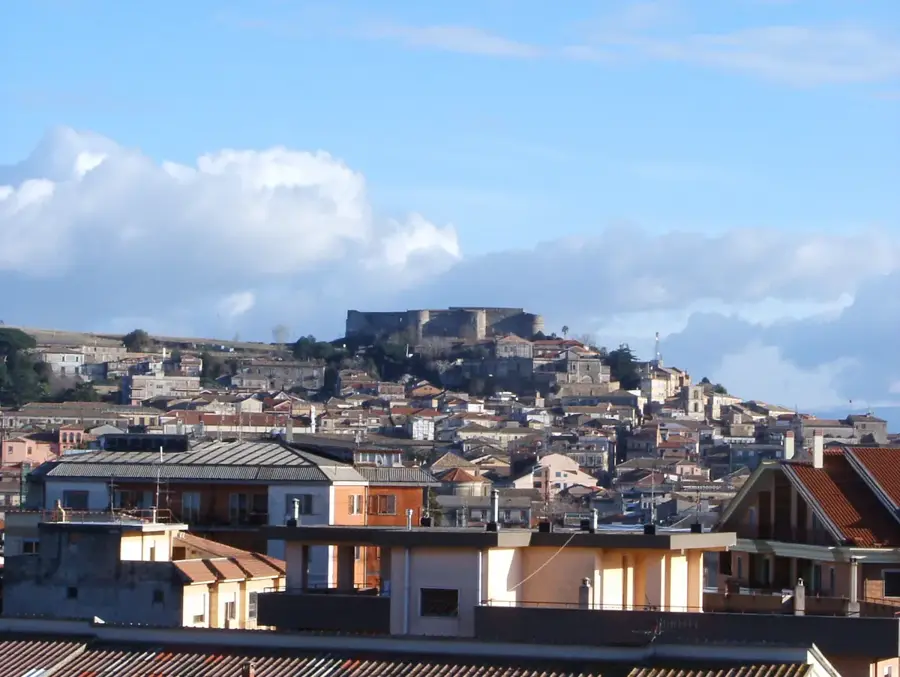
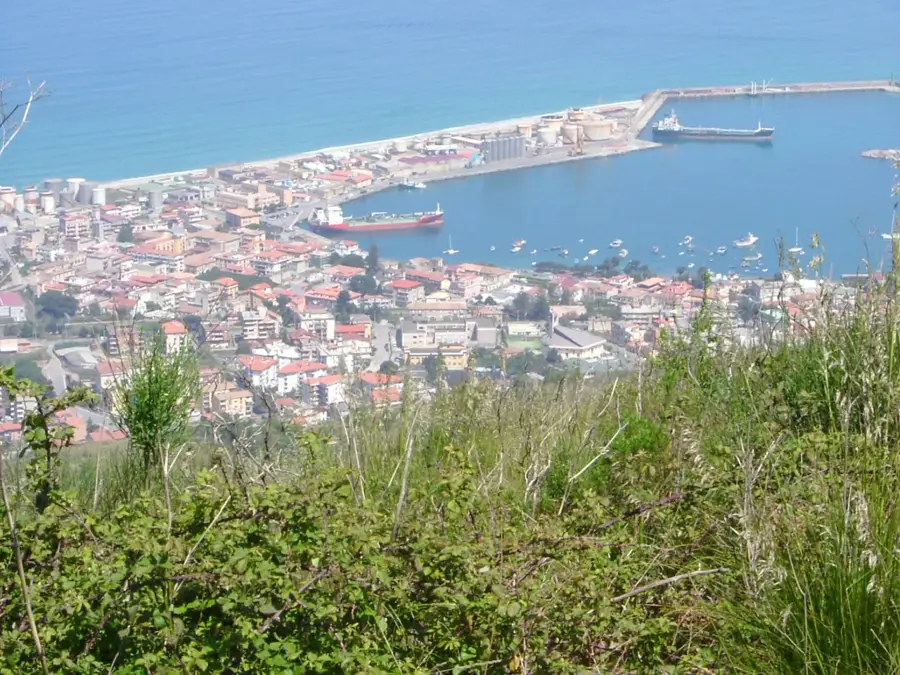
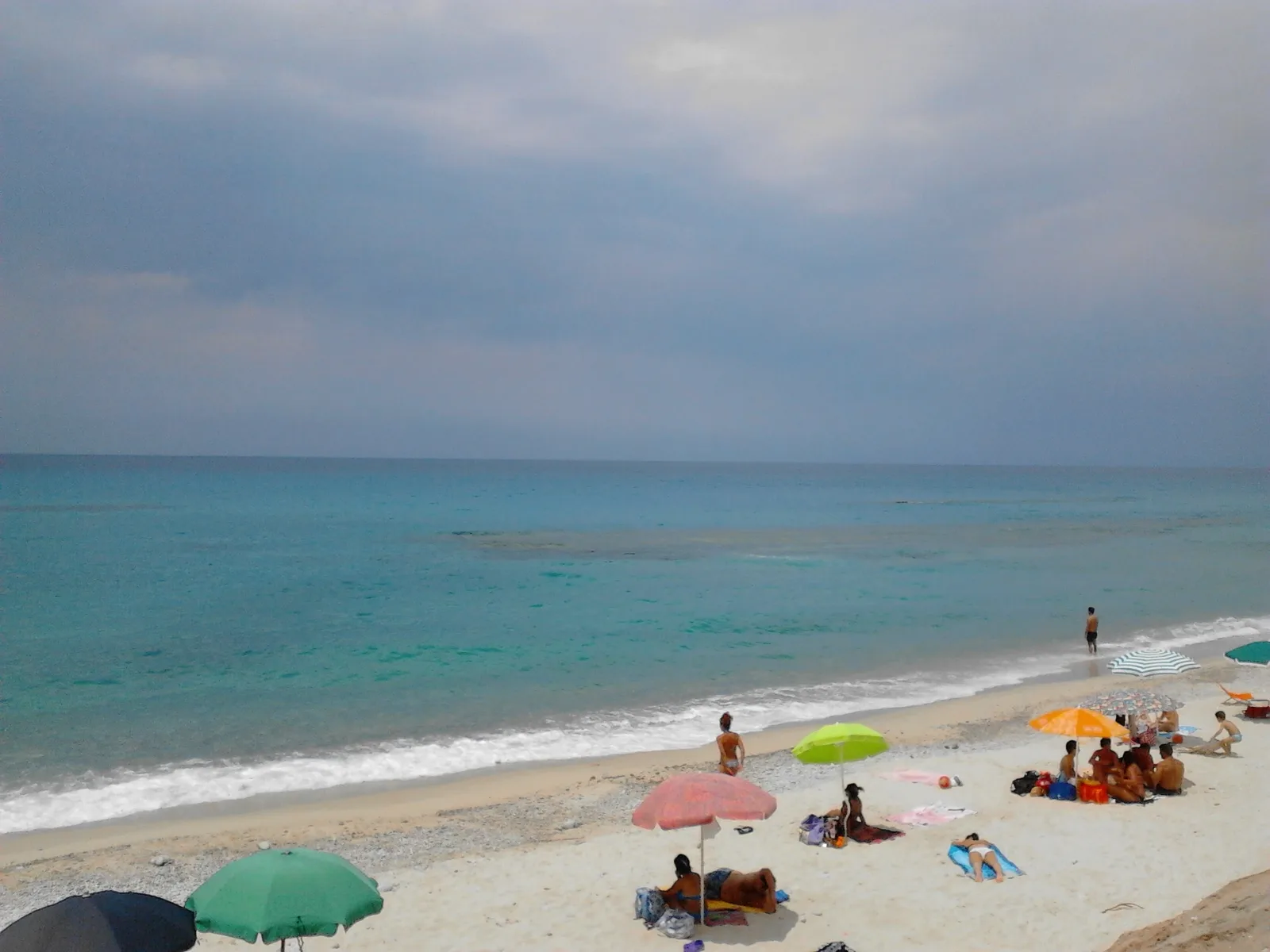
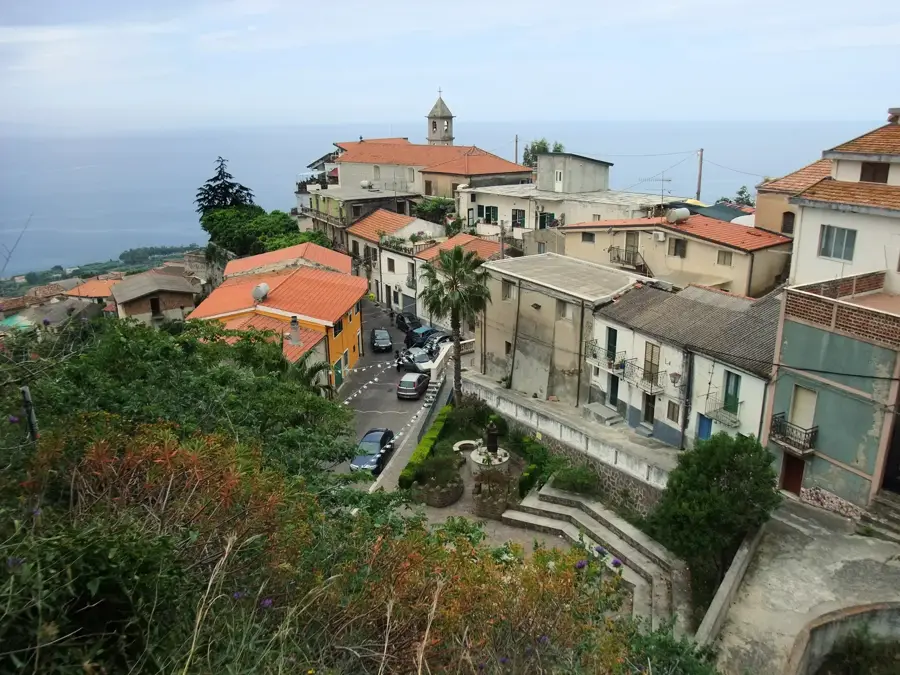
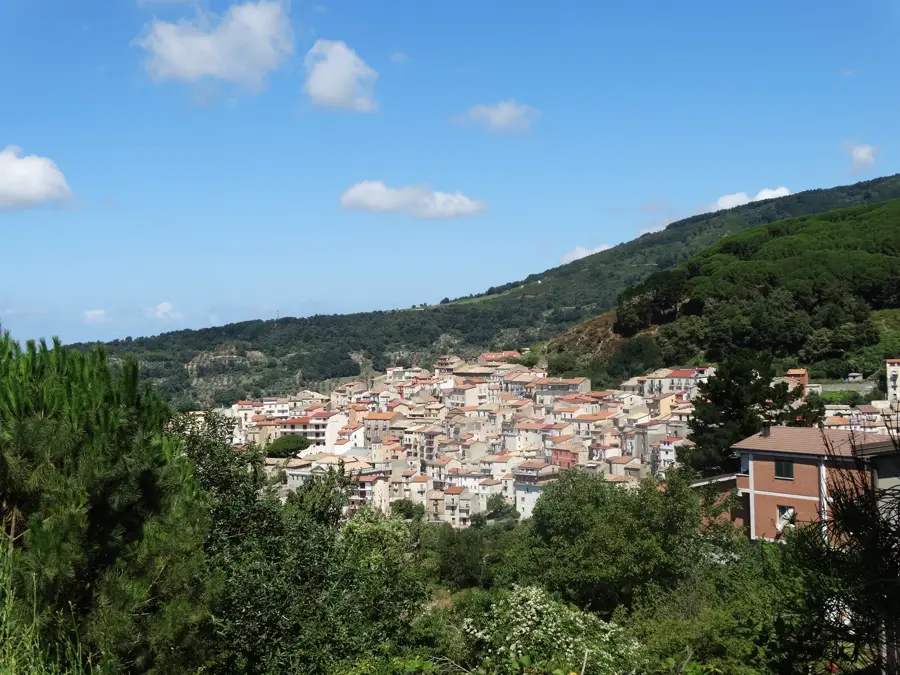
Vibo Valentia, the capital of the province of the same name in Calabria, is a city with a rich and layered history dating back to Magna Graecia. The city is perched on a hill overlooking the port of Vibo Marina, offering spectacular panoramic views. Its historic center is a labyrinth of narrow streets, noble palaces, and churches, dominated by the Norman-Swabian Castle, which now houses an important archaeological museum. Here, visitors can admire artifacts from the Greek colony of Hipponion, including the famous 'Laminetta Aurea,' a thin gold foil with an inscription in Doric Greek. The local gastronomy reflects the authentic flavors of Calabria. Be sure to try 'Fileja,' a typical homemade pasta, often served with a spicy sauce made from 'Nduja,' a soft, spreadable salami. Other specialties include fish dishes along the coast and cheeses like Pecorino del Monte Poro. The city is an excellent base for exploring the 'Coast of the Gods' (Costa degli Dei), with its famous resorts like Tropea and Pizzo. To reach Vibo Valentia, the nearest airport is Lamezia Terme (SUF), about a 45-minute drive away. The city also has a train station with connections to major Italian cities. By car, it is accessible via the A2 Salerno-Reggio Calabria motorway. The best time to visit is during spring and early autumn when the weather is pleasant and the tourist crowds are smaller, making it convenient for enjoying both the city and the region's beautiful beaches.
- Location: Italy
- Top sights: Teatro Comunale di Vibo · Targa a Nicholas Green · Museo archeologico nazionale Vito Capialbi
- Nearby: Vibo Marina (5 km)
- Population: ~19.263
Best time to visit & climate
The most pleasant time to visit is May, Jun, Oct.
| Jan | Feb | Mar | Apr | May | Jun | Jul | Aug | Sep | Oct | Nov | Dec | |
|---|---|---|---|---|---|---|---|---|---|---|---|---|
| Avg °C | 11 | 11 | 12 | 15 | 18 | 23 | 26 | 27 | 24 | 20 | 16 | 12 |
| Rain mm | 106 | 99 | 82 | 57 | 36 | 26 | 18 | 25 | 72 | 88 | 109 | 117 |
Geography
Facts
- Originally a Greek colony named Hipponion.
- Features a Norman-Swabian castle at the city's highest point.
- The archaeological museum displays the 'Laminetta Aurea'.
- Capital of the youngest province in Calabria.
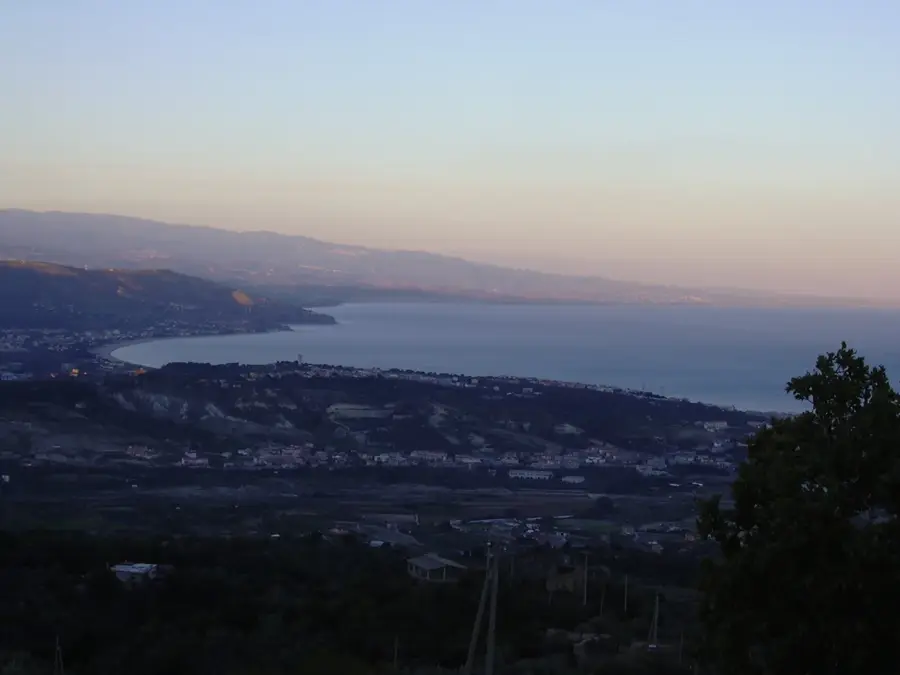
- Offers panoramic views of the Tyrrhenian Sea.
- Gateway to the famous 'Coast of the Gods'.
- Known for the spicy, spreadable 'Nduja' salami.
- Located near the seaside resort town of Tropea.
Explore nearby
Notable places around
Route planner — Car & Motorhome
Where do you start? We build the route here, with stops and country notes along the way.
© OpenStreetMap contributors · OpenRouteService
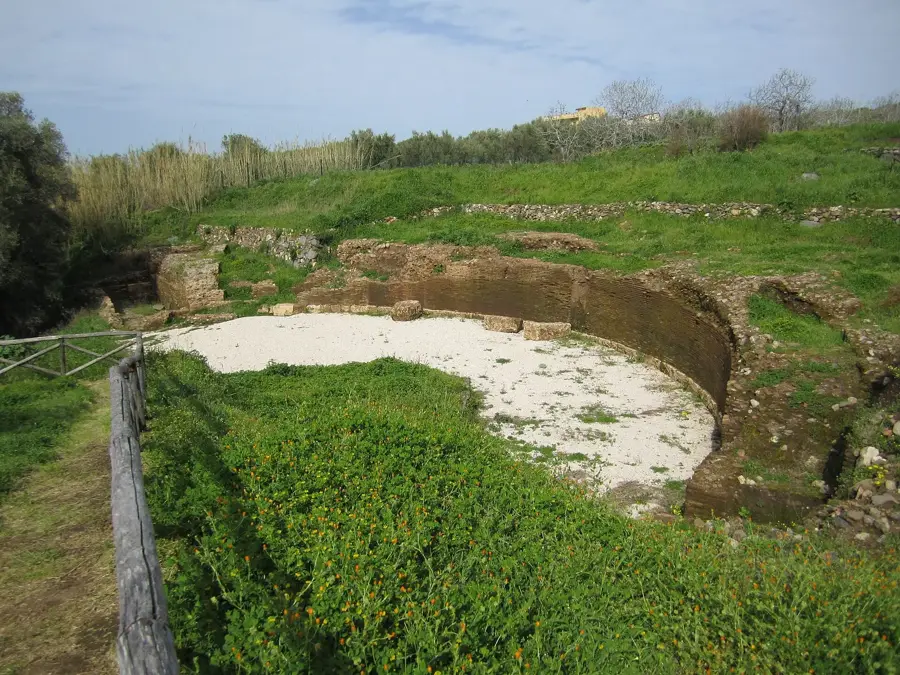
Start your morning at the Valentianum, immersing yourself in the rich local history before the midday heat. By noon, wander towards the Braille site for a moment of quiet historical reflection. The afternoon brings you to the fascinating Domus Nereide and adjacent archaeological area to explore. End your stroll at the Roman Baths as the evening light hits the ancient ruins.
Valentianum
Braille
Domus Nereide
Area Archeologica S. Aloe
Terme romane
In the morning, Valentianum provides shelter from the rain. At noon, we explore the historical center with umbrellas as the wet stones glisten. In the afternoon, we admire the mosaics under grey skies. The evening ends at the Roman baths, where the damp air enhances the ancient atmosphere. Watch out for slippery paths in the old town.
Valentianum
Braille
Domus Nereide
Area Archeologica S. Aloe
Terme romane
In the morning, the air is crisp and fresh in Vibo Valentia. At noon, we warm up in the museums while the winter sun stays low. In the afternoon, we use the last daylight for the archaeological sites. As it gets dark around 17:00, the day ends early in a cozy atmosphere. Dress in layers against the cool evening wind.
Valentianum
Braille
Domus Nereide
Area Archeologica S. Aloe
Terme romane
Kick off your ride at the National Archaeological Museum, absorbing the region's ancient artifacts. Midday, pedal to the Auditorium dello Spirito Santo and the Nicholas Green plaque. Your afternoon route climbs gently toward the Santuario del Còfino and Valentianum, revealing layers of culture. Conclude your cycling day at the historic Leone monument at dusk.
Museo archeologico nazionale Vito Capialbi
Auditorium dello Spirito Santo
Targa a Nicholas Green
Santuario del Còfino
Valentianum
Leone
A rainy bike tour through Vibo. In the morning, we visit the Capialbi Museum as a safe haven. At noon, we cycle carefully over wet streets to the Auditorium. In the afternoon, we explore the sanctuary despite the puddles. The evening reaches Valentianum for relaxation. Wear full rain gear and watch your braking distance on wet roads.
Museo archeologico nazionale Vito Capialbi
Auditorium dello Spirito Santo
Targa a Nicholas Green
Santuario del Còfino
Valentianum
Leone
Winter cycling in Vibo requires careful planning. In the morning, we start fresh at the castle museum. At noon, we use the warming sun for the ride to the Auditorium. In the afternoon, we reach the viewpoints before the early sunset. The evening warms us up at Valentianum. Protect your hands and face from the cold wind.
Museo archeologico nazionale Vito Capialbi
Auditorium dello Spirito Santo
Targa a Nicholas Green
Santuario del Còfino
Valentianum
Leone
Drive first to the E. Capialbi House of Culture, enjoying a quiet morning immersion into local arts. By lunchtime, visit the Sanctuary of Maria SS. della Salute and the elegant Teatro Comunale. The afternoon is dedicated to the treasures of the Vito Capialbi Museum and the War Memorial. Finish your scenic drive at the Santuario del Còfino, enjoying peaceful evening views.
Casa della Cultura "E. Capialbi"
Santuario Maria SS. della Salute
Teatro Comunale di Vibo
Museo archeologico nazionale Vito Capialbi
Monumento ai caduti
Santuario del Còfino
By car, Vibo is comfortable to explore even in the rain. In the morning, we visit the Casa della Cultura. At noon, we head to the sanctuary while staying dry. In the afternoon, we see the Capialbi castle, where parking is convenient. The evening ends at Còfino with a view of the rainy city. Watch out for aquaplaning on the steep roads.
Casa della Cultura "E. Capialbi"
Santuario Maria SS. della Salute
Teatro Comunale di Vibo
Museo archeologico nazionale Vito Capialbi
Monumento ai caduti
Santuario del Còfino
A winter car tour through hilly Vibo. In the morning, we use the heater on the way to Casa della Cultura. At noon, we visit the theater and Capialbi Museum in the warmth. In the afternoon, we see the monuments in the clear winter light. Since it gets dark at 17:00, the drive to Còfino offers a great view of the city lights.
Casa della Cultura "E. Capialbi"
Santuario Maria SS. della Salute
Teatro Comunale di Vibo
Museo archeologico nazionale Vito Capialbi
Monumento ai caduti
Santuario del Còfino
Sights in the town Vibo Valentia (10)
Museo archeologico nazionale Vito Capialbi🏛 museum
Museo archeologico nazionale Vito Capialbi is a significant state museum in Vibo Valentia housing ancient local artifacts.
Frequently asked questions
How long to stay?
When to visit?
How to travel?
What to eat?
Family-friendly?
Vibo Valentia: where is it located?
Vibo Valentia: what is there to see?
Vibo Valentia: when is the best time to visit?
Vibo Valentia: why is it worth visiting?

Nearby cities
History & landmarks
More places