Plizio Visual Lab
Kirkuk
ℹ️Practical info — Kirkuk
▾
🌤 Weather — 5 days
📍 Nearby
Sights nearby
💡 Tips
- The city has a diverse population (Arabs, Kurds, Turkmen); knowing a few greetings in Arabic and Kurdish goes a long way.
- Summers are intensely hot; schedule outdoor exploration for early mornings or late evenings.
- Dress conservatively and respectfully, particularly near religious and historic sites.
- Always carry your ID or passport, as security checkpoints are common in and around the city.
🍽 Food
Famous across Iraq, seek out traditional kebab houses in the city center.
Stuffed vegetables, a staple of local home-style cooking served in traditional restaurants.
Enjoy strong, sweet tea at a bustling local tea house (Chaikhana).
🛍 Shopping · 🧘 Quiet spots
Historic covered market offering spices, textiles, and traditional goods.
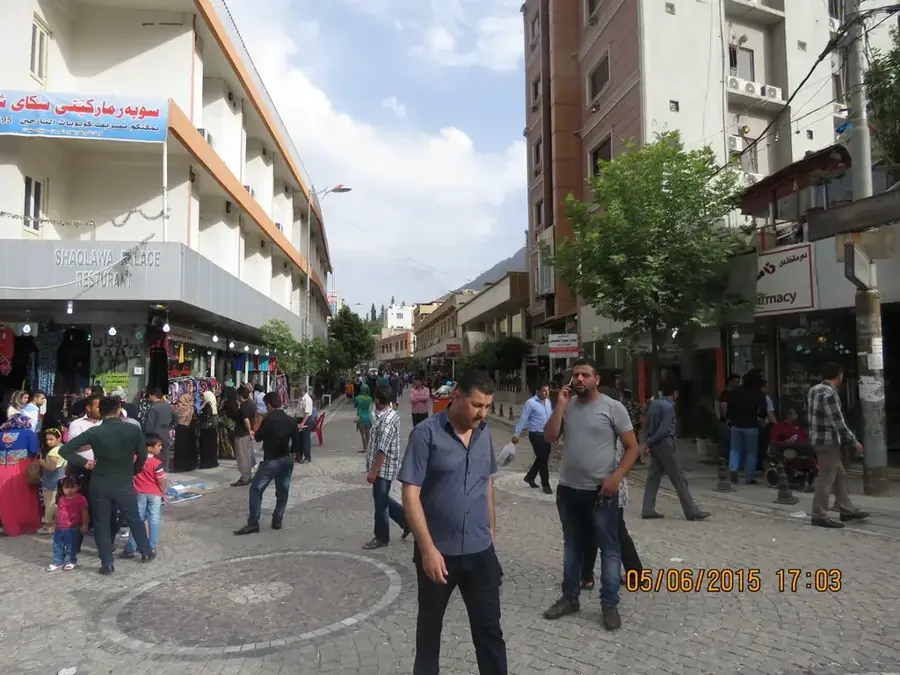
Bustling alleys filled with traditional jewelry and craftsmanship.
Historic elevated area offering peaceful views over the bustling city.
The ancient eternal fire site just outside the city, fascinating and quiet.
Water temperature…
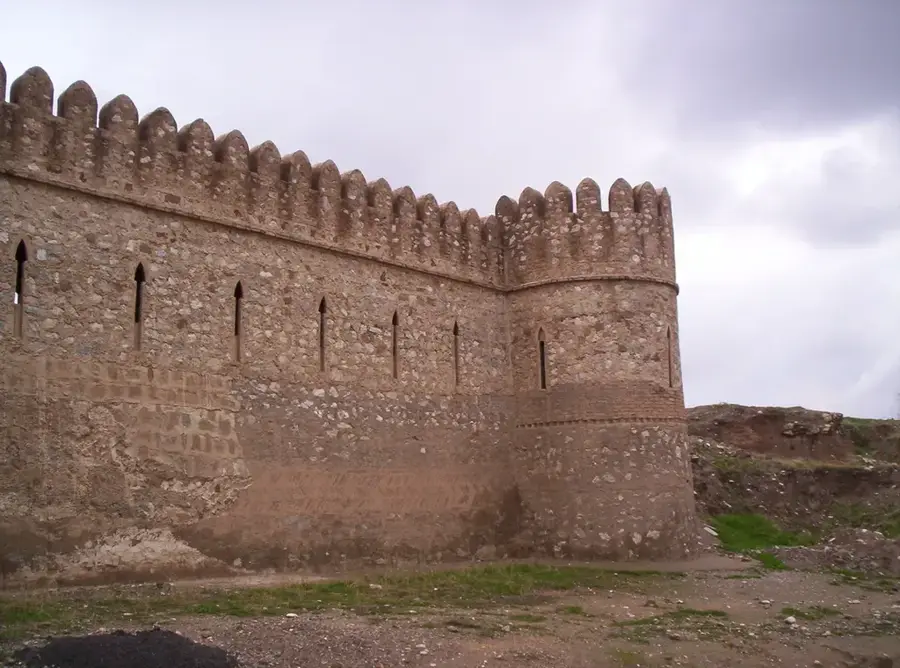
Kirkuk is a major city in northern Iraq, serving as the capital of the Kirkuk Governorate and standing as one of the most strategically significant urban centers in the country. Situated on the site of ancient Arrapha, the city is home to a documented history of over 5,000 years, bridging the gap between ancient Mesopotamian civilizations and the modern era. The Kirkuk Citadel, perched atop a massive tell, remains a testament to the city's endurance, housing remnants that date back to the Assyrian and Ottoman periods. The city is perhaps most famous globally for its vast oil reserves, discovered in 1927 at the Baba Gurgur field. This discovery initiated a period of rapid industrialization and made Kirkuk the heart of Iraq’s northern petroleum industry. The 'eternal fires' of Baba Gurgur, natural gas seeps that have burned for millennia, represent a unique geological and historical landmark. Demographically, Kirkuk is a bustling mosaic of Turkmens, Kurds, Arabs, and Assyrians, each contributing to a rich cultural tapestry that is evident in the city's architecture, music, and cuisine. This diversity has made the city a focal point of Iraqi social and political life. Beyond energy, the surrounding fertile plains support a robust agricultural sector, primarily focused on wheat and barley production. Kirkuk also serves as a vital transportation hub, connecting Baghdad with the autonomous Kurdistan Region. As the city moves into the future, it continues to balance its industrial prowess with the preservation of its diverse heritage and ancient monuments.
- Location: Iraq
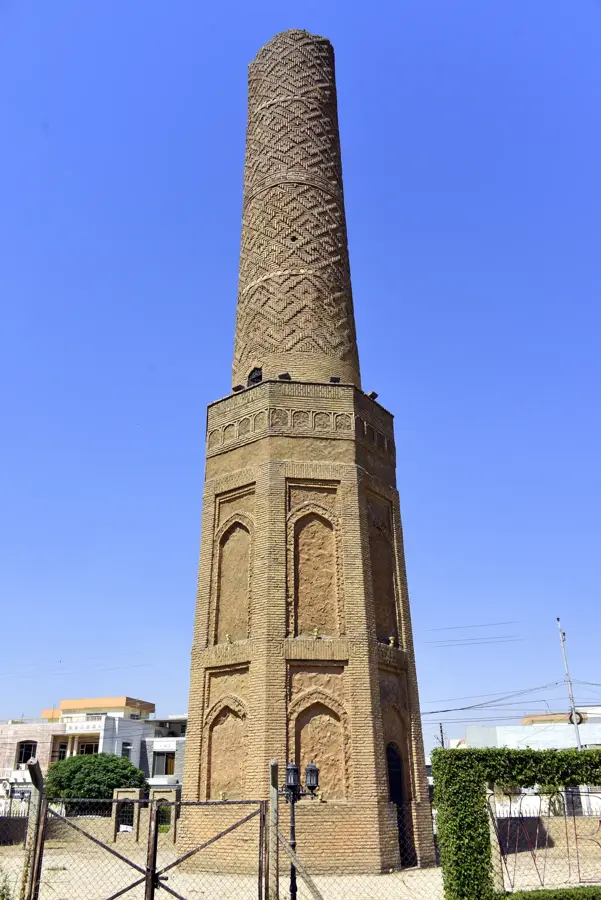
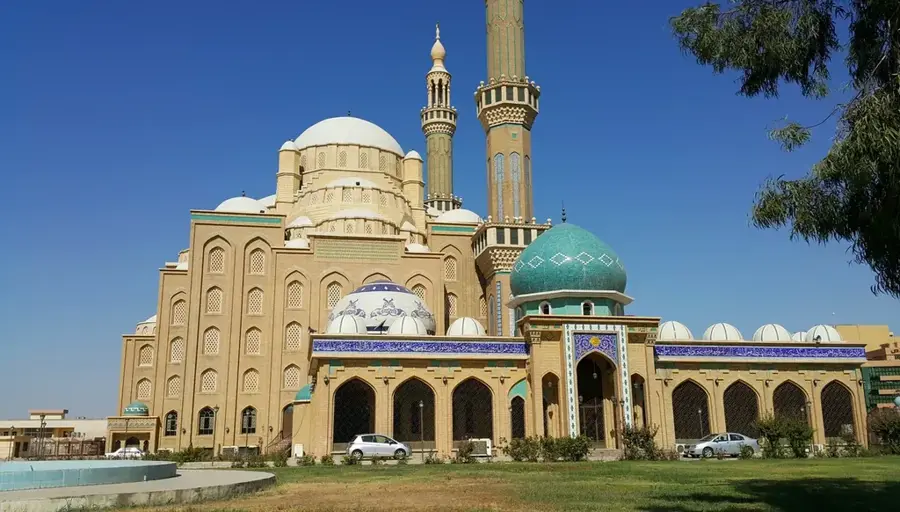
- Top sights: Imam Qasm mosque · Majidiya Mosque · Synagogue and shrine Prophet Daniel
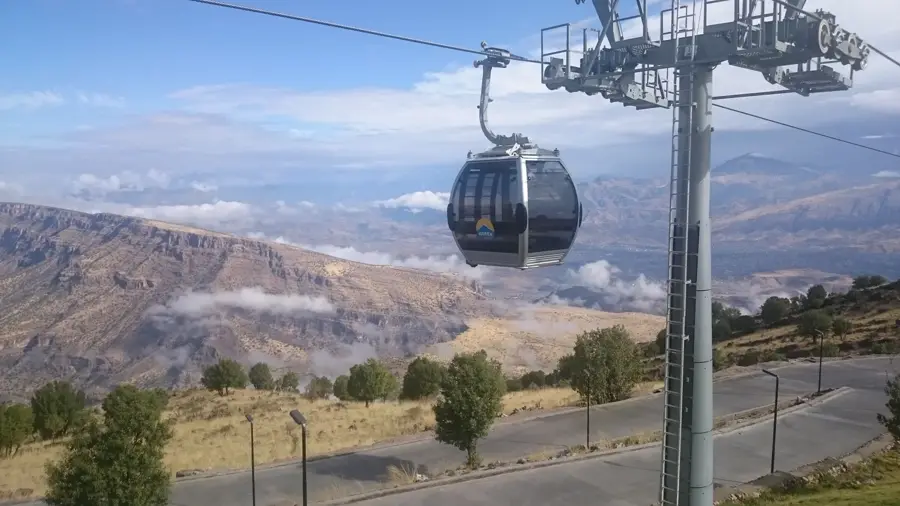
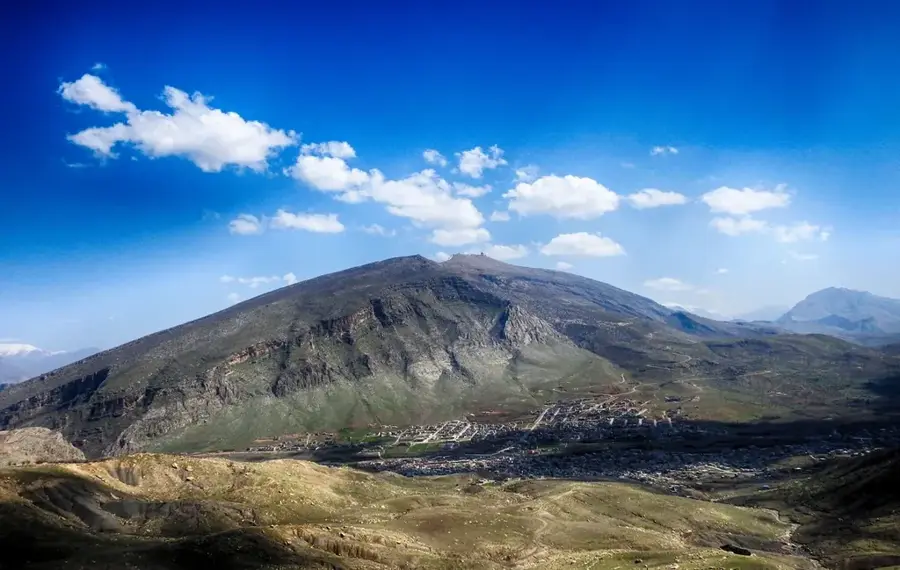
- Nearby: Korek Mountain (90 km)
- Population: ~1.031.000 (2026)
Best time to visit & climate
The most pleasant time to visit is Apr, May, Oct.
| Jan | Feb | Mar | Apr | May | Jun | Jul | Aug | Sep | Oct | Nov | Dec | |
|---|---|---|---|---|---|---|---|---|---|---|---|---|
| Avg °C | 7 | 9 | 14 | 19 | 26 | 32 | 36 | 35 | 30 | 24 | 14 | 9 |
| Rain mm | 40 | 40 | 48 | 39 | 16 | 2 | 1 | 1 | 1 | 17 | 35 | 41 |
Geography
Facts
- Capital of the Kirkuk Governorate in northern Iraq.
- Built on the site of ancient Arrapha, dating back to 3000 BCE.
- Home to the Baba Gurgur oil field, discovered in October 1927.
- The historic Citadel is a major landmark of ancient Mesopotamian origin.
- Features the 'eternal fire' caused by natural gas emissions.
- Strategically located 236 kilometers north of Baghdad.
- A multicultural hub with Turkmen, Kurdish, Arab, and Assyrian residents.
- Primary source of oil exported via the Kirkuk-Ceyhan pipeline.
Explore nearby
Notable places around
Route planner — Car & Motorhome
Where do you start? We build the route here, with stops and country notes along the way.
© OpenStreetMap contributors · OpenRouteService
Sights in the town Kirkuk (6)
Frequently asked questions
What is the Kirkuk Citadel?
What is the eternal fire of Baba Gurgur?
Is Kirkuk a multicultural city?
What food should I try in Kirkuk?
When is the best time to visit?
Kirkuk: where is it located?
Kirkuk: what is there to see?
Kirkuk: when is the best time to visit?
Kirkuk: why is it worth visiting?

History & landmarks
Nature
More places