Plizio Visual Lab
Khorasan Saffron Fields
Weather…
Water temperature…
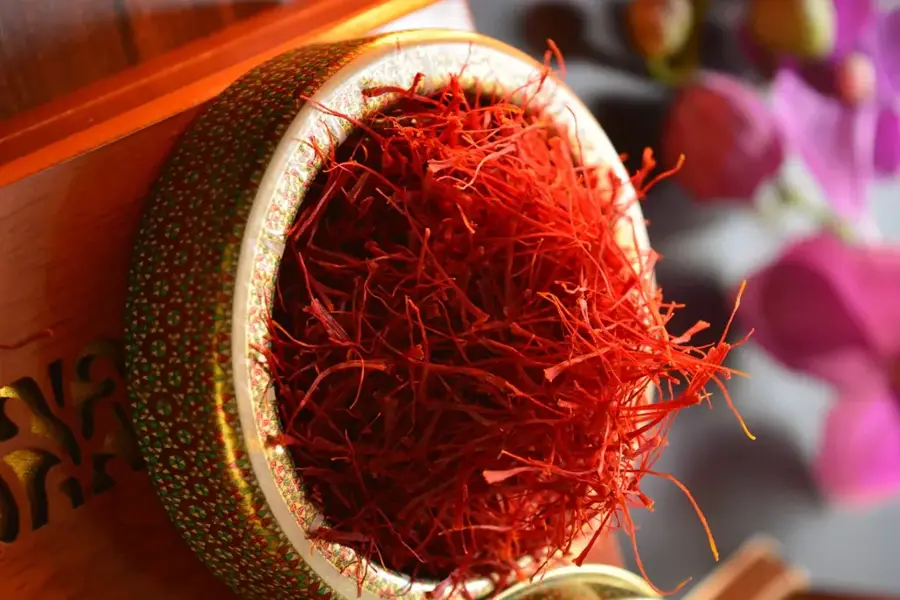
The Khorasan region in northeastern Iran is the absolute epicenter of global saffron production, where extensive crocus fields transform into sweeping purplish-red landscapes each autumn. Saffron, derived from the dried stigmas of the Crocus sativus flower, is the world's most valuable spice, and the Khorasan harvest supplies the vast majority of the global market. Cultivation and harvesting require intense manual labor: in late October and November, delicate flowers are hand-picked during the early morning hours before sunlight fully opens them to preserve their volatile oils. Following the harvest, the three tiny red stigmas are carefully separated by hand. The economies of cities like Torbat-e Heydarieh and Gonabad revolve almost entirely around this precious red gold.
- Location: Iran
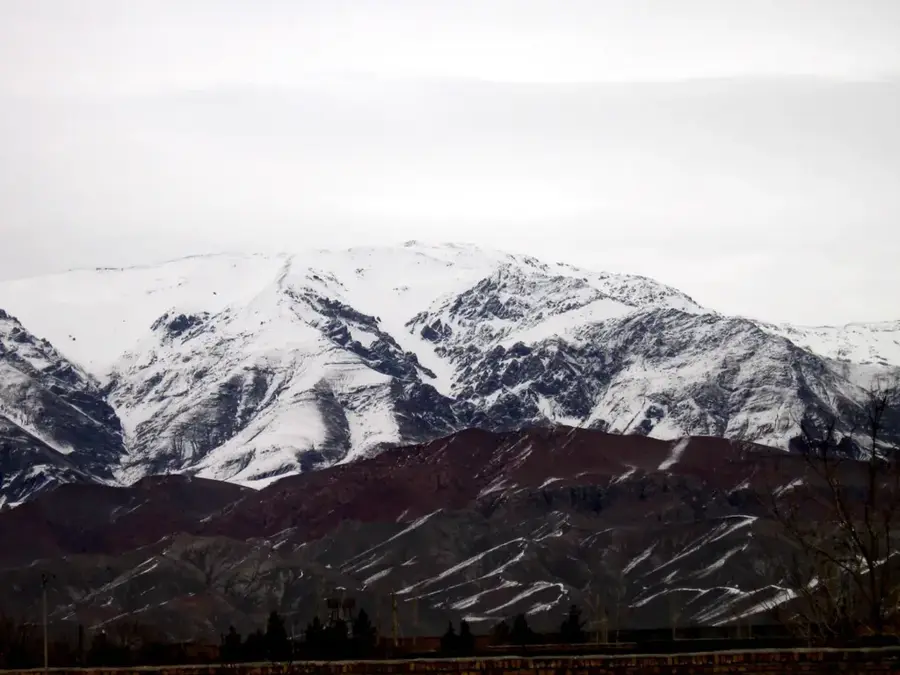
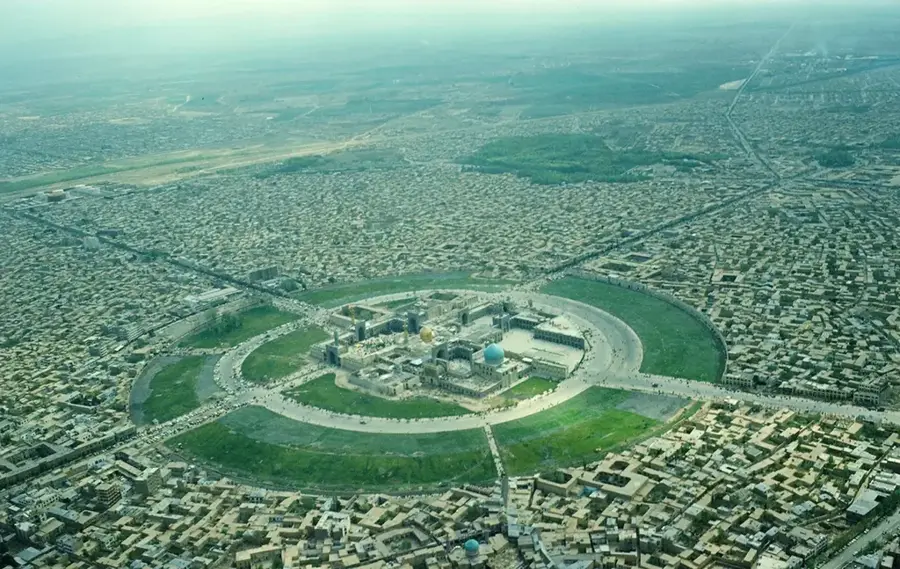
- Top sights: National Park · Ahmad Alreza Imamzadeh · Emam Hosein Mosque
- Nearby: Neyshabur (71 km)
Best time to visit & climate
The most pleasant time to visit is Jun–Aug.
| Jan | Feb | Mar | Apr | May | Jun | Jul | Aug | Sep | Oct | Nov | Dec | |
|---|---|---|---|---|---|---|---|---|---|---|---|---|
| Avg °C | -1 | 1 | 7 | 12 | 18 | 22 | 24 | 22 | 18 | 13 | 5 | 1 |
| Rain mm | 24 | 28 | 34 | 26 | 13 | 2 | 1 | 0 | 1 | 5 | 14 | 16 |
📋 Practical info
Geography
Facts
- Over 90 percent of the global saffron production originates from Iran.
- The saffron-producing lands in Khorasan cover an area of more than 100,000 hectares.
- Approximately 170,000 flowers are needed to produce a single kilogram of dried saffron.
- Every single crocus flower contains exactly three tiny red stigmas.
- The harvest period is extremely short, limited to just 2 to 3 weeks in autumn.
- The province's saffron industry is estimated to employ about 500,000 people.
Explore nearby
Notable places around
Route planner — Car & Motorhome
Where do you start? We build the route here, with stops and country notes along the way.
© OpenStreetMap contributors · OpenRouteService
Sights in the town Khorasan Saffron Fields (3)
Sights nearby
Frequently asked questions
When does saffron bloom in Khorasan?
Why is saffron harvested in the morning?
How much saffron does Iran produce?
How can you identify real saffron?
Can you help with the saffron harvest?
Khorasan Saffron Fields: where is it located?
Khorasan Saffron Fields: what is there to see?
Khorasan Saffron Fields: when is the best time to visit?
Khorasan Saffron Fields: why is it worth visiting?