Plizio Visual Lab
Urmia
ℹ️Practical info — Urmia
▾
🌤 Weather — 5 days
📍 Nearby
Sights nearby
💡 Tips
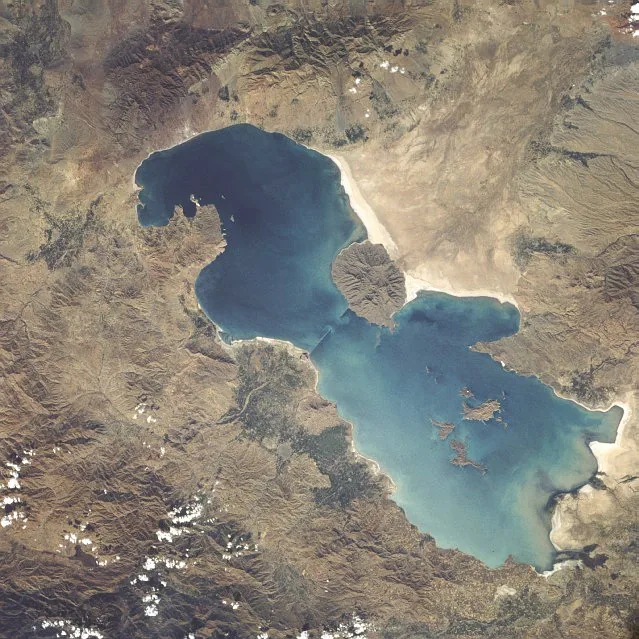
- Lake Urmia has receded, but visiting in spring when water levels are highest still has a unique sight.
- Visit the historical Grand Bazaar for an authentic, traditional shopping experience.
- Taxis (regular or apps like Snapp) are the easiest way to get around; agree on a price beforehand if not using an app.
- Respect local dress codes (hijab for women), especially in traditional neighborhoods.
🍽 Food
A traditional lamb and chickpea stew, best enjoyed in the small restaurants around the bazaar.
Candied almonds flavored with rosewater or cardamom, a famous sweet specialty of the city.
Freshly grilled meat skewers with oven-warm bread, served at traditional eateries in the center.
🛍 Shopping · 🧘 Quiet spots
A historical market for spices, carpets, and local handicrafts.
Buy fresh walnuts, raisins, and dried fruits at stalls in the city center.
A scenic riverside walkway just outside the city.
A quiet, historical spot in the city center away from the noise.
Water temperature…
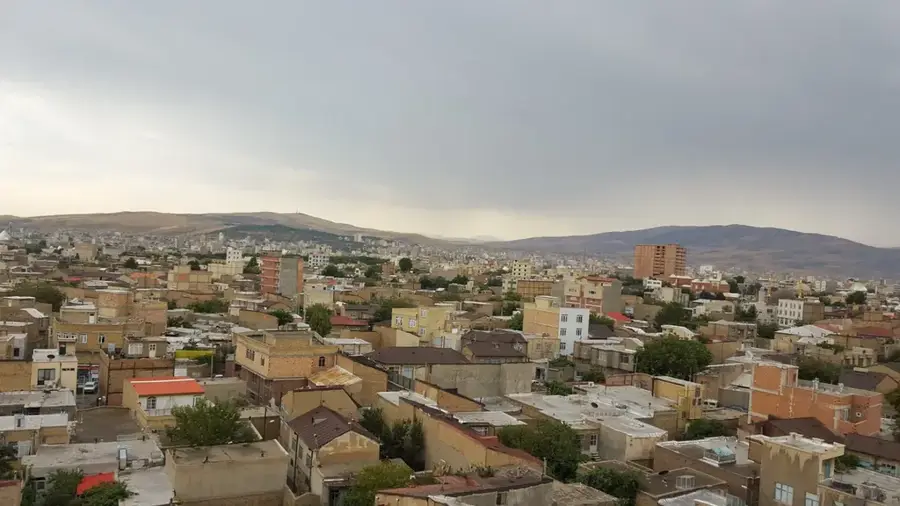
Urmia, the capital of West Azerbaijan Province in Iran, stands as a testament to the enduring history of the Iranian plateau, situated on the fertile plains to the west of Lake Urmia. Historically known as Rezayieh during the Pahlavi era, the city has a heritage that spans over three millennia, with archaeological sites nearby dating back to the Urartian period. Its geographic position at an elevation of 1,332 meters provides a relatively cool climate, making it a sanctuary from the intense heat of the central Iranian deserts. The city is world-renowned for its agricultural output, particularly its high-quality apples and grapes, which are exported throughout the region. Beyond agriculture, Urmia has emerged as a significant industrial hub, with sectors ranging from food processing to cement production contributing to its robust economy. The cultural fabric of Urmia is exceptionally diverse, characterized by a harmonious blend of Azerbaijani Turks, Kurds, and ancient Christian minorities. The Assyrian Church of St. Mary, believed to be one of the oldest churches in Christendom, highlights the city's long-standing religious pluralism. Throughout the centuries, Urmia has served as a bridge between the Iranian heartland and the neighboring regions of Anatolia and Mesopotamia, influencing its architecture, cuisine, and linguistic landscape. The city's bazaar is a focal point of traditional trade, offering everything from intricate handicrafts to local sweets like Noghl. In recent decades, the environmental degradation of Lake Urmia has become a central issue for the city, sparking international interest in its restoration and sustainable water management. Urmia is also an educational powerhouse in northwestern Iran, home to several prestigious universities and medical centers. The modern skyline of the city, with its contemporary parks and residential complexes, contrasts beautifully with the historic mosques and old quarters, reflecting a community that honors its ancient roots while embracing the future. As a gateway for trade with Turkey and Iraq, Urmia remains a vital geopolitical and economic asset for the nation.
- Location: Iran
- Top sights: Tanabi · Behnag park · Mar Sargiz
- Nearby: Urmia Lake (38 km)
- Population: ~577.307 (2024)
Best time to visit & climate
The most pleasant time to visit is Jun, Aug, Sep.
| Jan | Feb | Mar | Apr | May | Jun | Jul | Aug | Sep | Oct | Nov | Dec | |
|---|---|---|---|---|---|---|---|---|---|---|---|---|
| Avg °C | -3 | 0 | 4 | 9 | 15 | 21 | 24 | 24 | 19 | 13 | 4 | -1 |
| Rain mm | 29 | 27 | 45 | 52 | 33 | 9 | 4 | 4 | 3 | 28 | 36 | 31 |
Geography
Facts
- Urmia is situated at an elevation of 1,332 meters (4,370 feet).
- The city is a major center for Iran's Christian minorities, specifically Assyrians.
- Lake Urmia is designated as a RAMSAR site and a UNESCO Biosphere Reserve.
- The city's population reached approximately 800,000 in the 2016 census.
- Urmia is the capital of West Azerbaijan Province, bordering Turkey and Iraq.
- The Jameh Mosque of Urmia features a Mihrab from the year 1277 AD.
- Agriculture employs a significant portion of the local workforce in Urmia.
- The city was formerly named Rezayieh after Reza Shah Pahlavi until 1979.
Explore nearby
Notable places around
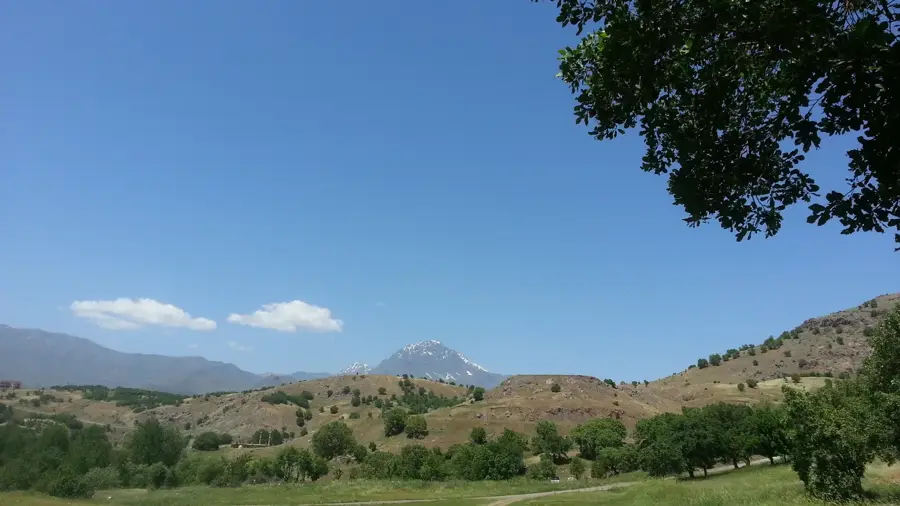
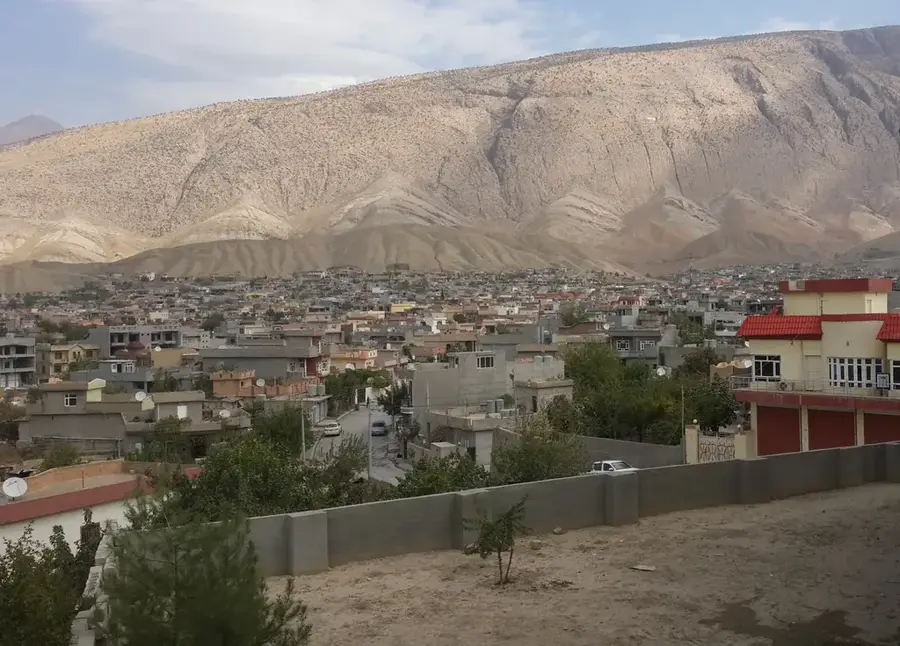
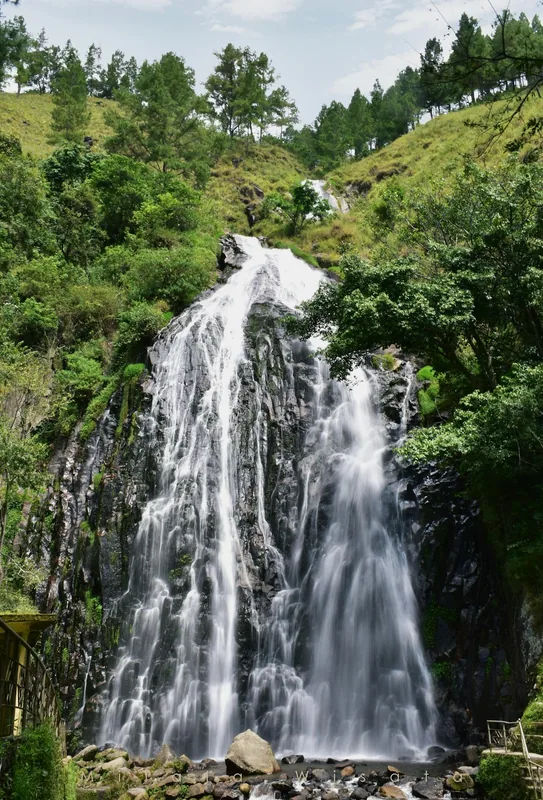
Route planner — Car & Motorhome
Where do you start? We build the route here, with stops and country notes along the way.
© OpenStreetMap contributors · OpenRouteService
Sights in the town Urmia (8)
Frequently asked questions
How many days should I spend in Urmia?
When is the best time to visit Urmia?
What local dish should I try in Urmia?
Is Urmia a family-friendly destination?
What is the most famous attraction in Urmia?
Urmia: where is it located?
Urmia: what is there to see?
Urmia: when is the best time to visit?
Urmia: why is it worth visiting?
Nearby cities
Nature
More places