Plizio Visual Lab

Pir Panjal Range
Plizio editorial teamData Sources
Mountain
—°1
Pir Panjal Range (India)

Weather…

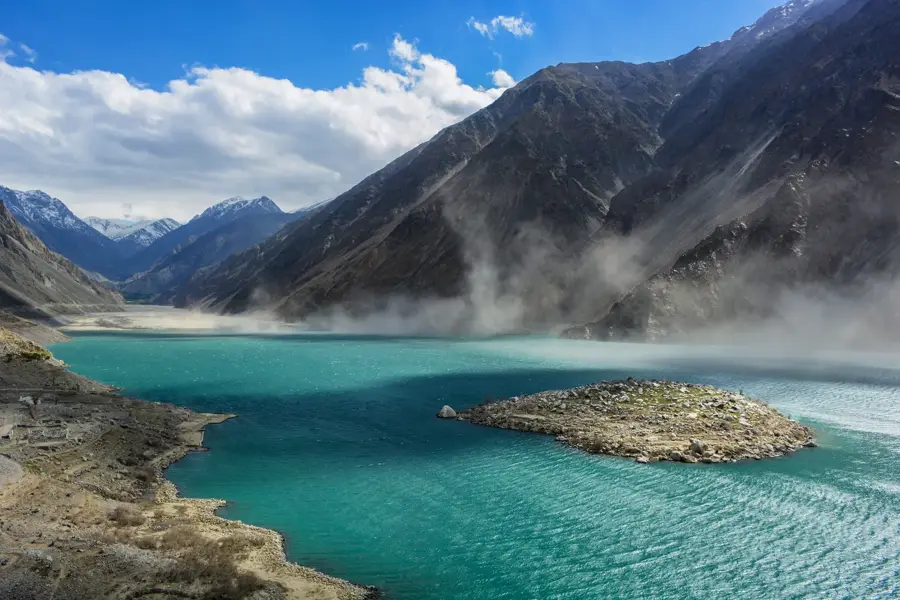
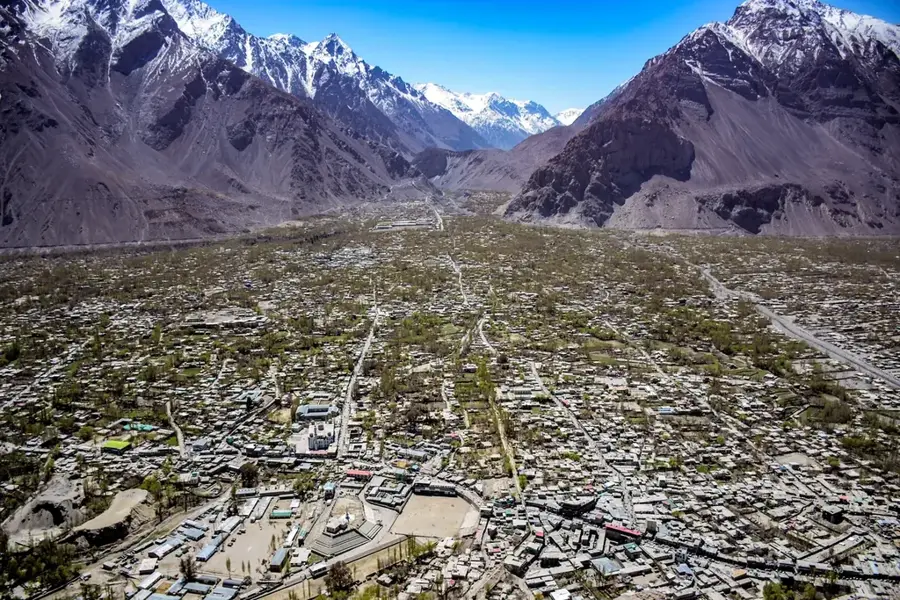
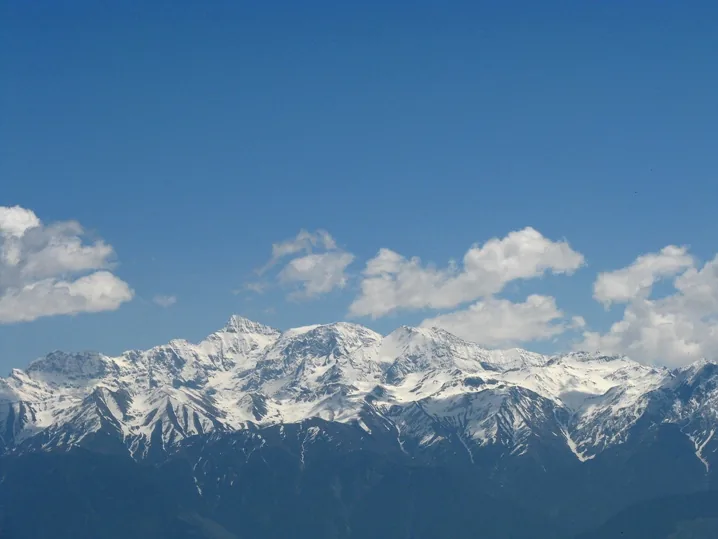
The Pir Panjal Range is the largest mountain chain of the Lesser Himalayas, stretching approximately 288 kilometers through Himachal Pradesh and Jammu & Kashmir, India. With peaks rising over 6,000 meters, such as Indrasan, the range forms a formidable barrier between the Kashmir Valley and the plains to the south. Geologically, it consists primarily of crystalline rocks and sedimentary formations uplifted during the Himalayan orogeny. The range is famous for its critical mountain passes, including the Banihal Pass and the Rohtang Pass, which serve as vital transportation corridors. The 1956-built Jawahar Tunnel under the Banihal Pass was a landmark engineering feat for year-round connectivity. The slopes are clad in dense forests of deodar and fir, home to the endangered Kashmir stag (Hangul). During winter, the range becomes a premier destination for snow sports, particularly at Gulmarg, known for its high-altitude slopes.

Best time to visit & climate

The most pleasant time to visit is May, Jun, Sep.

JanFebMarAprMayJunJulAugSepOctNovDec
Avg °C-7-5-148121313950-4
Rain mm49698257416615915676172326

📋 Practical info

🧭
Getting there
This expansive mountain range can be reached via major highways leading up from the Indian plains into the territory of Jammu and Kashmir. Travelers often use towns like Gulmarg or Pahalgam as established base camps to organize treks into the deeper alpine valleys.
📅
Best season
The summer months from late June to September offer the most favorable trekking conditions, featuring blooming alpine meadows and clear hiking trails. During the heavy winter, the region is blanketed in deep snow, shifting the focus entirely to skiing and winter sports in designated resorts.
⛰️
Terrain & paths
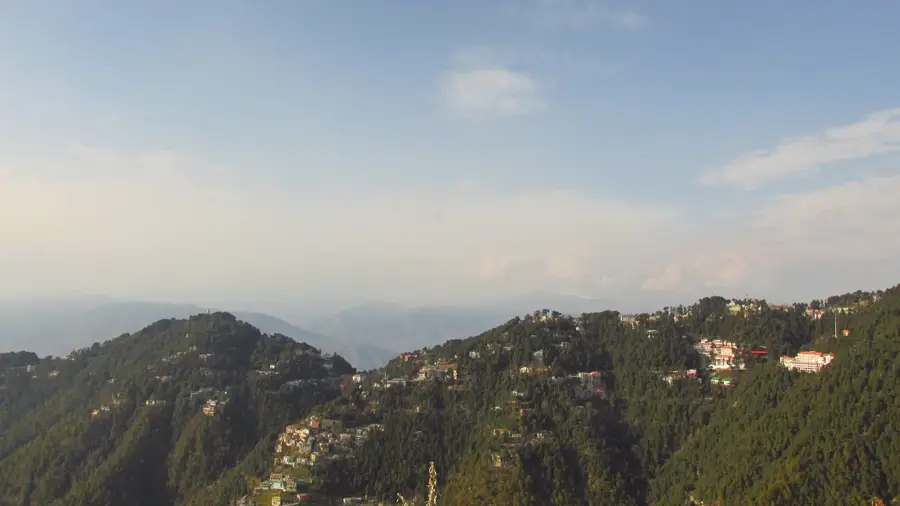
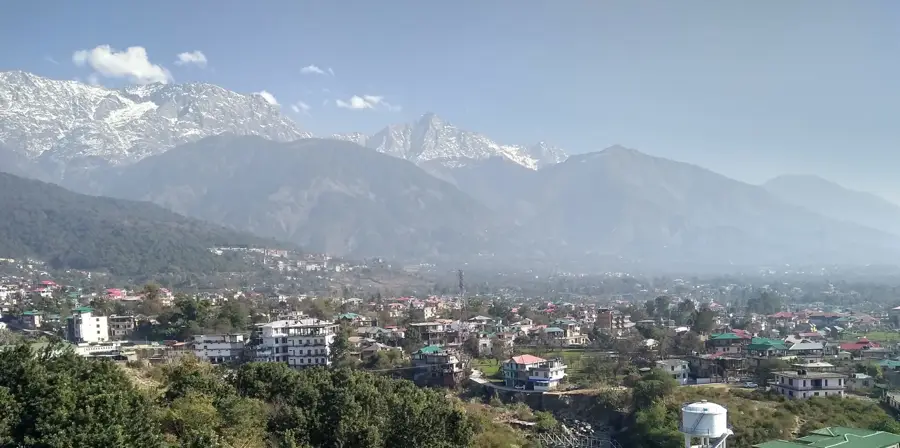
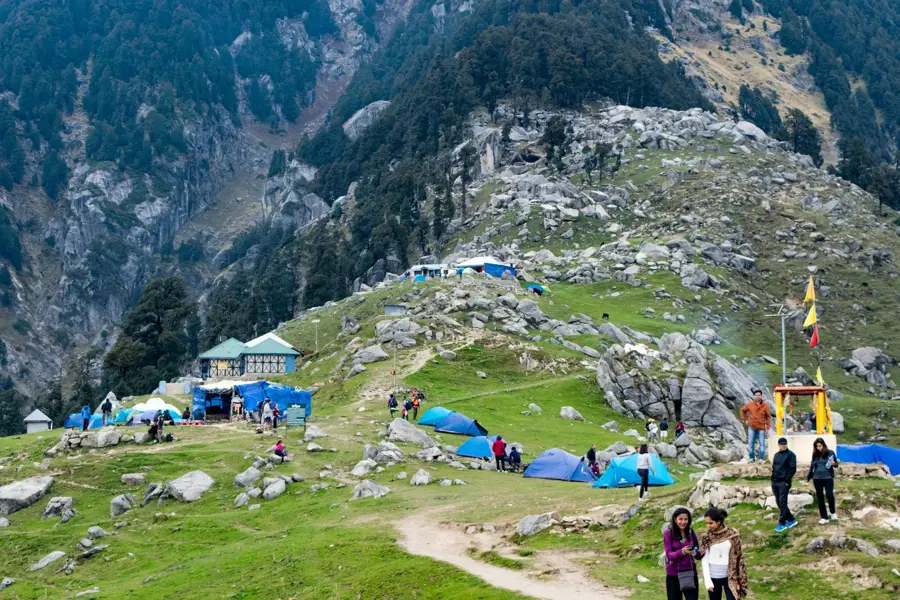
The landscape is characterized by a spectacular transition from dense, temperate forests on the lower slopes to jagged, snow-capped peaks above the treeline. Hikers will encounter a mix of gentle pastoral trails used by local shepherds and steep, challenging mountain passes.
🎒
What to bring
Preparing for variable weather is critical, requiring sturdy hiking boots, warm insulating layers, and dependable waterproof gear even during summer. If planning multi-day hikes away from the towns, carrying full camping equipment and a comprehensive first aid kit is strictly required.
🅿️
Parking
Secure parking is generally concentrated around the major tourist hubs, hotels, and the starting points of well-known trekking routes. Once you depart for the higher elevations, vehicles are typically left behind in the valley settlements for the duration of the expedition.
⚠️
Safety
Beyond the standard risks of high-altitude trekking such as rapid weather changes, visitors must stay updated on the regional geopolitical situation. It is highly advisable to trek only on established paths and, if possible, hire an experienced local guide to navigate safely.
⏱️
Time needed
Exploring the foothills or completing a short scenic day hike generally takes about five to eight hours. For those aiming to cross significant mountain passes or reach remote alpine lakes, an immersive journey usually demands anywhere from four days to a full week.

Geography

Coordinates
33.00000, 76.00000

Facts

  • Indrasan is the highest peak in the Pir Panjal Range at 6,221 meters.
  • The Pir Panjal Railway Tunnel is India's longest transport tunnel at 11.2 km.
  • The range hosts the Rohtang Pass, a high-altitude gateway to Lahaul and Spiti.
  • The Jawahar Tunnel, built in 1956, ensures winter access to Srinagar.
  • Gulmarg's cable car is one of the highest in the world, reaching nearly 4,000m.
  • The range is composed of ancient igneous rocks as well as younger sediments.

Explore nearby

Notable places around
Route planner — Car & Motorhome

Where do you start? We build the route here, with stops and country notes along the way.

Vehicle
Only stops with (optional):

© OpenStreetMap contributors · OpenRouteService

Sights in the town Pir Panjal Range (1)

Mashid📍 landmark

Situated amidst the rugged terrain of the Pir Panjal Range, this mountain shrine is a remote focal point for Hindu worship.

Sights nearby

Frequently asked questions

Where is the Pir Panjal Range located?
In the Western Himalayas, spanning Himachal Pradesh and Jammu & Kashmir.
Can you go skiing there?
Yes, Gulmarg, located in this range, is a world-famous skiing destination.
What is the Rohtang Pass?
A high mountain pass connecting Kullu Valley with Lahaul and Spiti Valleys.
Which tunnel passes through the range?
The Atal Tunnel is a major engineering feat that shortens travel time significantly.
When is there snow on the range?
Higher reaches have snow nearly year-round; skiing is best from Dec to March.
Pir Panjal Range: where is it located?
Pir Panjal Range is located in India.
Pir Panjal Range: when is the best time to visit?
The most pleasant time to visit is May, Jun, Sep.
Pir Panjal Range: why is it worth visiting?

The Pir Panjal Range is the largest mountain chain of the Lesser Himalayas, stretching approximately 288 kilometers through Himachal Pradesh and Jammu & Kashmir, India.
View on map → The Top 50 Attractions → OpenStreetMap →
Asia
Explore with Plizio Discover more places in Asia
More places in India →

Nearby cities

History & landmarks

Nature

More places