Plizio Visual Lab

Parvati Valley
Plizio editorial teamData Sources
valley
—°5
Parvati Valley (India)

Weather…

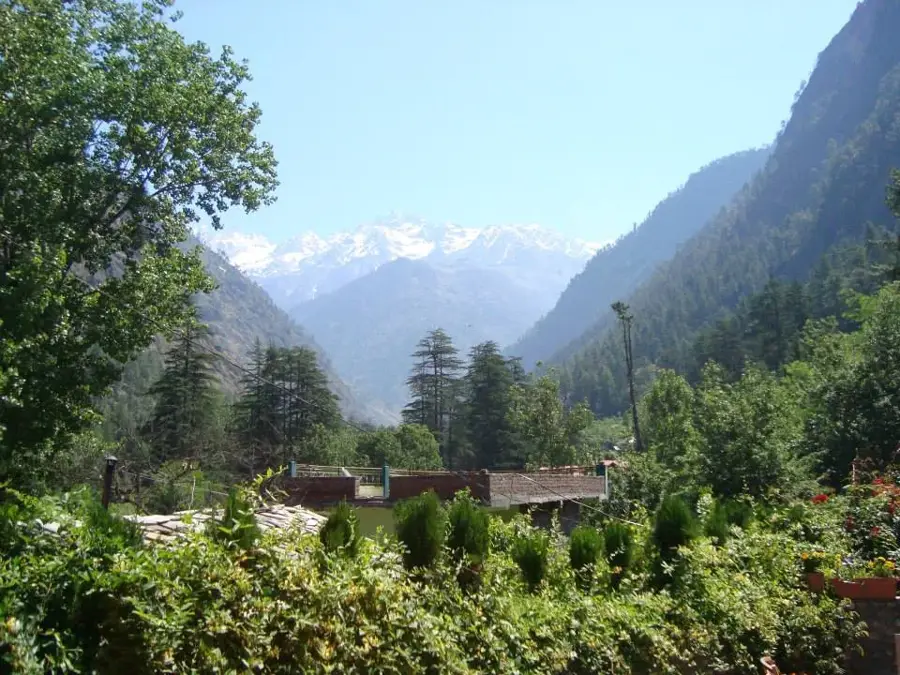
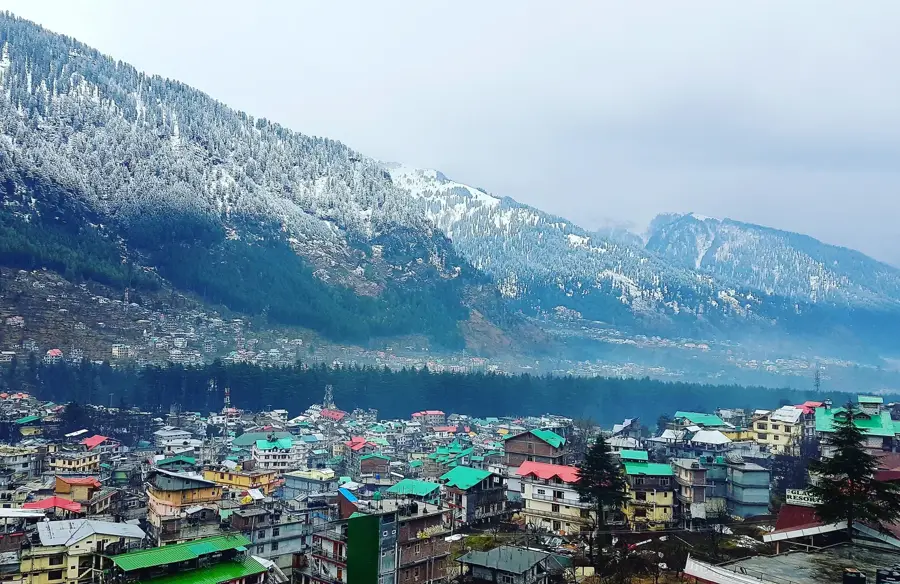
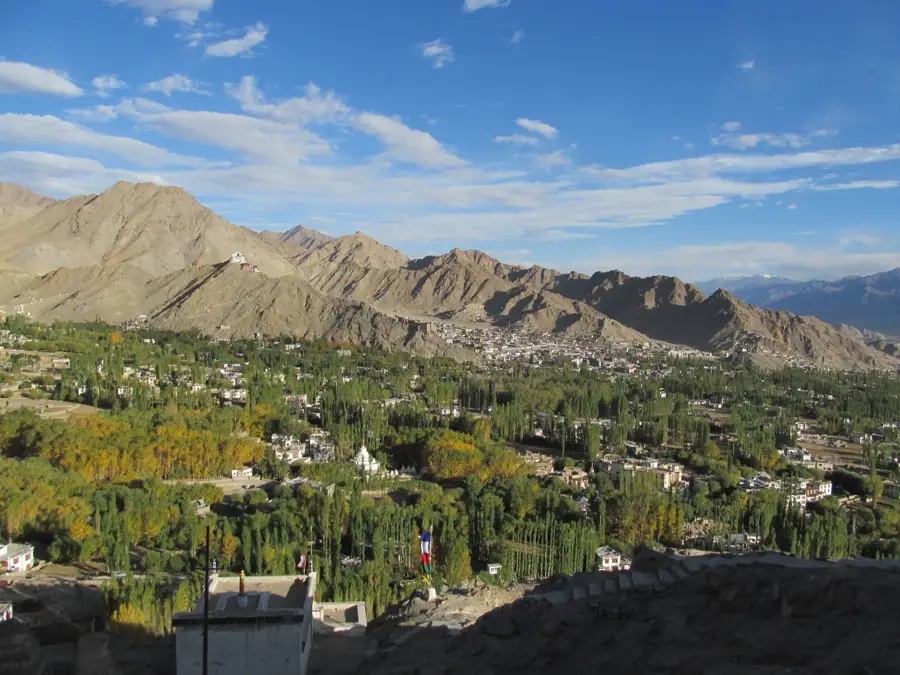
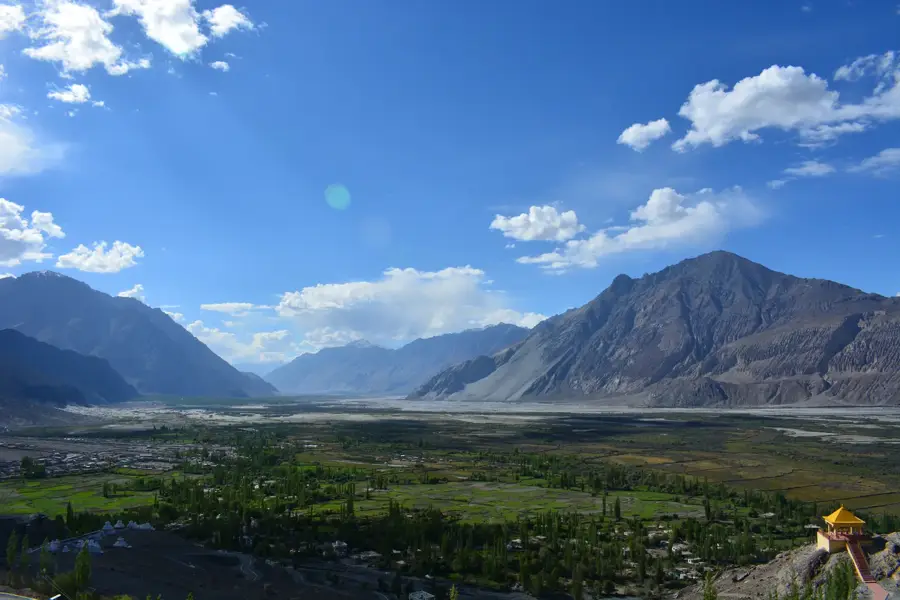
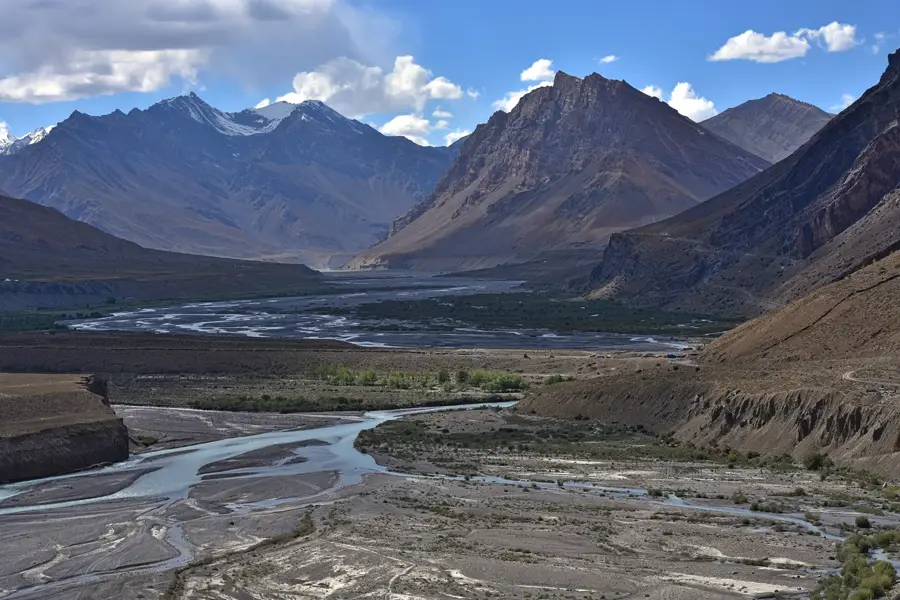
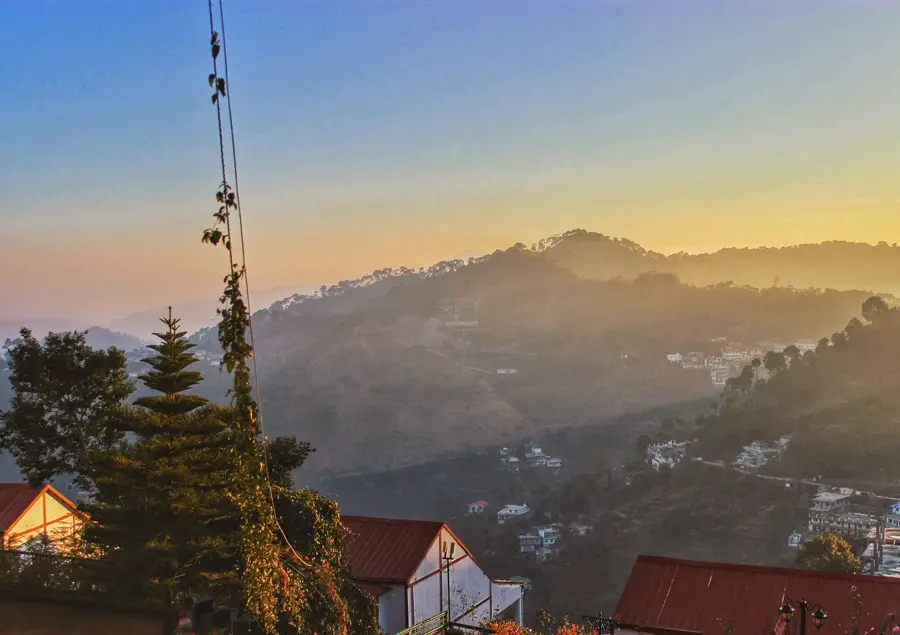
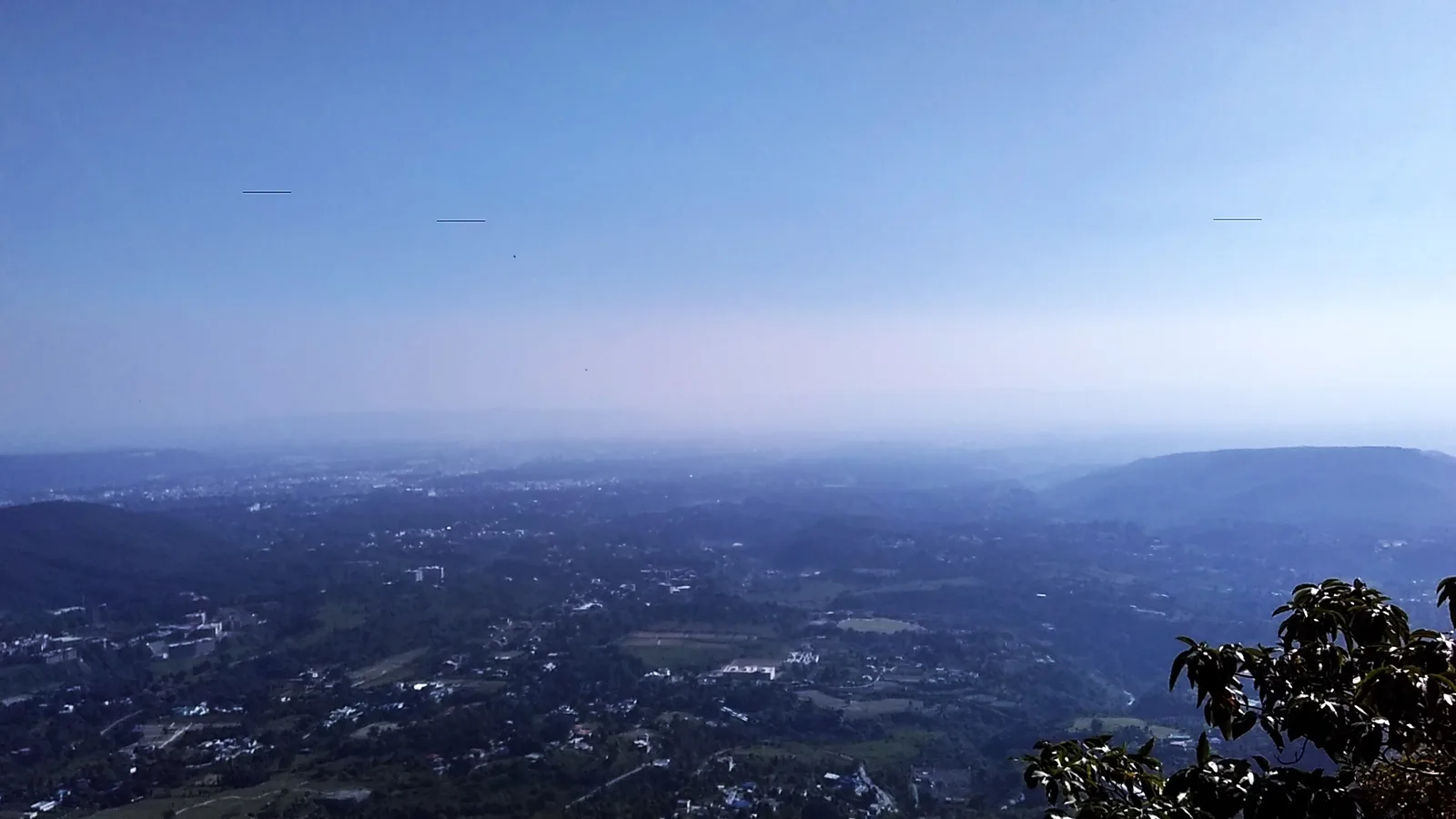
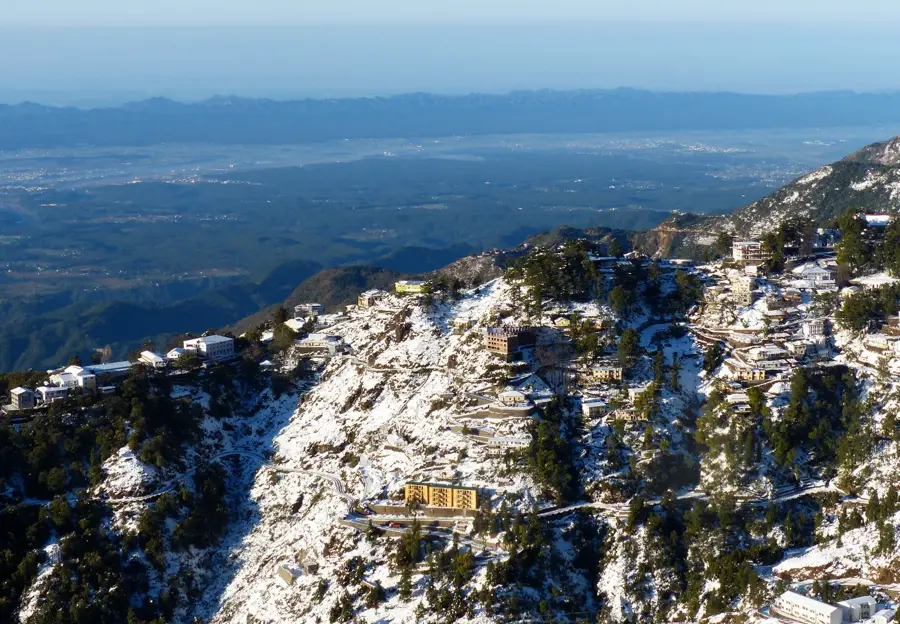
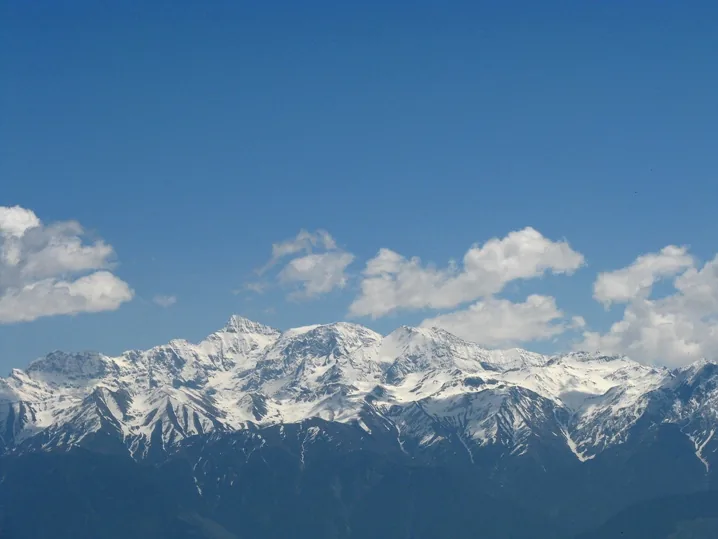
Parvati Valley in the Indian state of Himachal Pradesh is one of the most impressive glacial valleys in the Western Himalayas. It stretches along the Parvati River from its confluence with the Beas River at Bhuntar up to the high-altitude Pin Parvati Pass at 5,319 meters. The valley is characterized by dense coniferous forests, rushing mountain streams, and steep cliffs overlooked by snow-capped peaks. The region is famous for its geothermal activity, particularly the hot sulfur springs at Manikaran, which hold immense religious significance for both Hindus and Sikhs. The valley is home to isolated mountain villages like Malana, which claims to be one of the oldest democracies in the world and maintains its own unique language. For trekkers, routes to the Kheerganga meadows and Mantalai Lake, the source of the river, offer challenging and scenic adventures. Over the years, Kasol has emerged as a major international hub for travelers, blending local traditions with a spirited backpacker culture.

Best time to visit & climate

The most pleasant time to visit is May, Jun, Oct.

JanFebMarAprMayJunJulAugSepOctNovDec
Avg °C-11-10-5-1379850-4-8
Rain mm3642403035105217226115111112

📋 Practical info

🧭
Getting there
Travel typically routes through Bhuntar, home to the nearest airport and major bus connections. From there, most visitors take local taxis or regional buses to transport them deeper into the scenic and winding mountain valley.
📅
Best season
The best time to visit is often during the months from March to June, when the weather is pleasantly warm. The post-monsoon period in autumn also usually has clear views, while the heavy summer rains should generally be avoided.
⛰️
Terrain & paths
The terrain is highly varied, ranging from paved village streets to steep, rocky, and sometimes narrow paths along the mountain slopes. Trekking routes require a decent level of fitness to tackle the steep, prolonged ascents.
🎒
What to bring
Comfortable, well-broken-in footwear is highly important for the rocky paths. Given the large temperature differences between sunny days and cool nights, layered clothing, along with a good sun hat, is generally considered essential.
🅿️
Parking
In the larger villages of the valley, you can find designated parking options or spots at accommodations. Because the roads are often quite narrow, many travelers prefer to rely on local buses rather than driving themselves up.
⚠️
Safety
Hikers should always check the current weather conditions beforehand, as landslides are not uncommon during the rainy season. Respect local customs and strictly avoid venturing out alone into remote areas without a knowledgeable guide.
⏱️
Time needed
Short trips to the healing hot springs or easy on the eye villages can easily be done in a single day. However, many trekking enthusiasts typically choose to stay for several days or weeks to fully experience the extensive mountain trails.

Geography

Coordinates
32.00000, 77.50000

Facts

  • The Pin Parvati Pass at 5,319 meters connects the lush valley to the Spiti desert.
  • Manikaran's hot springs are so hot that pilgrims cook rice and dal in the water.
  • The village of Malana has its own distinct social structure and ancient taboos.
  • Mantalai Lake, at 4,116 meters, marks the snout of the glacier feeding the river.
  • The valley is a gateway to the Great Himalayan National Park, a UNESCO site.
  • The Parvati River falls nearly 4,000 meters from its source to its mouth at Bhuntar.

Explore nearby

Notable places around

Route planner — Car & Motorhome

Where do you start? We build the route here, with stops and country notes along the way.

Vehicle
Only stops with (optional):

© OpenStreetMap contributors · OpenRouteService

Sights in the town Parvati Valley (5)

topa thach🌿 nature

A high-altitude alpine meadow in the Parvati Valley, offering trekkers a wide view of the snow-capped peaks.

waterfall viewpoint🌿 nature

A viewpoint offering a spectacular look at a thundering waterfall in the wild nature.

misora thach🌿 nature

A lonely mountain meadow serving as a well-suited resting spot for hikers headed into the high Himalayas.

Fairy Forest📍 landmark

A dense pine forest near Pulga, known for its moss-covered trees and an almost mystical silence.

Rudranag Shiva Temple📍 landmark

A sacred site near a serpent-shaped waterfall, where Lord Shiva is said to have meditated.

Sights nearby

Frequently asked questions

What is Parvati Valley famous for?
Famous for its scenic beauty, hippie culture, and as a trekking hub.
Which town is the main hub?
Kasol is the most famous town and a popular base for backpackers.
Are there hot springs there?
Yes, Manikaran is famous for its natural hot springs and religious sites.
What is the most popular trek?
The trek to Kheerganga is highly popular for its hot springs at the summit.
When should you avoid the valley?
During the monsoon season (July-August) due to the risk of landslides.
Parvati Valley: where is it located?
Parvati Valley is located in India.
Parvati Valley: what is there to see?
Highlights include topa thach, waterfall viewpoint, misora thach.
Parvati Valley: when is the best time to visit?
The most pleasant time to visit is May, Jun, Oct.
Parvati Valley: why is it worth visiting?

Parvati Valley in the Indian state of Himachal Pradesh is one of the most impressive glacial valleys in the Western Himalayas.
View on map → The Top 50 Attractions → OpenStreetMap →
Asia
Explore with Plizio Discover more places in Asia
More places in India →

Nearby cities

More places