Plizio Visual Lab

Drangajökull
Plizio editorial teamData Sources
Mountain
—°1
Drangajökull (Iceland)

Weather…

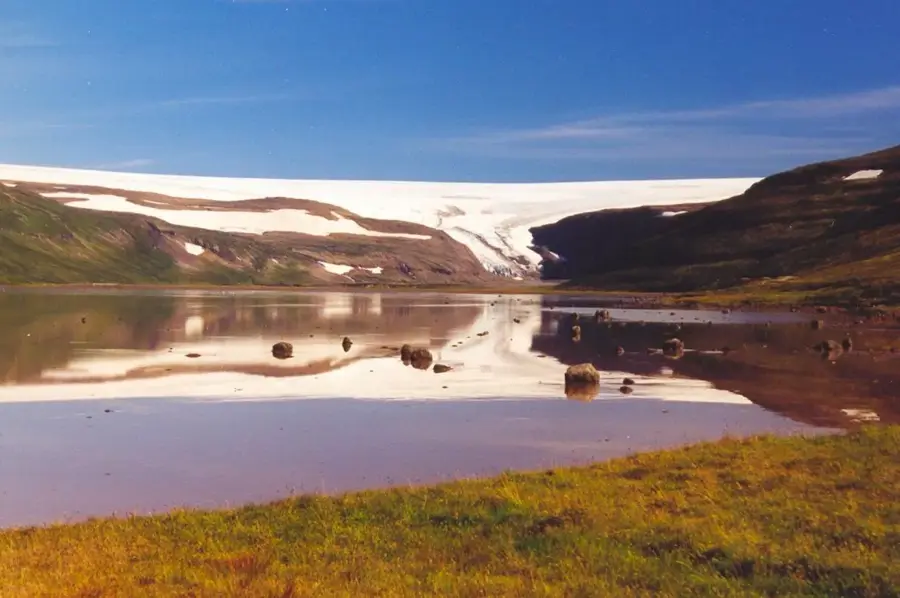
Drangajökull is the northernmost glacier in Iceland and the only major ice cap in the Westfjords region. Spanning an area of approximately 160 square kilometers, it is the country's fifth largest glacier. A distinctive feature of Drangajökull is that it is the only Icelandic glacier situated entirely below an altitude of 1,000 meters, with its peak reaching about 925 meters. Unlike many other glaciers in Iceland that are shrinking significantly due to climate change, Drangajökull has shown a relatively stable mass balance in recent decades, which researchers attribute to local climatic conditions and high precipitation rates. It covers a rugged plateau and feeds several rivers that drain into the surrounding fjords. The remoteness of the Westfjords makes this glacier one of the least visited areas on the island, preserving its pristine wilderness character. Scientific investigations here primarily focus on the resilience of smaller ice masses to rising temperatures in Arctic latitudes.

Best time to visit & climate

The most pleasant time to visit is Jun–Aug.

JanFebMarAprMayJunJulAugSepOctNovDec
Avg °C-2-3-2-1268752-1-2
Rain mm157139134114936493109140165143165

📋 Practical info

🧭
Getting there
Accessing this low-lying glacier involves a challenging drive into the remote northern Westfjords region. The approach is usually via rough coastal and mountain roads, requiring a sturdy 4x4 vehicle to reach the nearest starting points.
📅
Best season
The short summer period is the only practical time to visit this remote region, as winter snows render the roads completely impassable. Even in mid-summer, visitors must be prepared for cold temperatures and lingering snowfields.
⛰️
Terrain & paths
The terrain surrounding the glacier is characterized by marshy ground, rocky moraines, and icy streams that must be crossed. Traveling on the glacier itself involves navigating a relatively flat but unpredictable ice cap surface.
🎒
What to bring
Waterproof hiking boots are crucial for crossing wet terrain and streams near the glacier's edge. Anyone venturing onto the ice must carry specialized glacier equipment, including crampons, and wear heavily insulated, waterproof clothing.
🅿️
Parking
There are no formal facilities; vehicles are typically parked at the end of remote tracks as far as the terrain allows. From these isolated spots, a significant hike is usually required just to reach the edge of the glacial ice.
⚠️
Safety
The extreme isolation of the Westfjords means that help is far away, making self-sufficiency and careful planning essential. Venturing onto the ice cap without expert knowledge or a guide is dangerous due to hidden crevasses.
⏱️
Time needed
A journey to explore the edges of this unique glacier is a demanding full-day expedition due to the difficult access. The driving time alone from the nearest settlements takes several hours, leaving the rest of the day for the hike.

Geography

Coordinates
66.15000, -22.25000

Facts

  • The northernmost glacier in Iceland, located in the Westfjords.
  • The only glacier in the country situated entirely below 1,000m.
  • Iceland's fifth largest glacier, covering about 160 km².
  • Has maintained a relatively stable mass balance recently.
  • Reaches a maximum altitude of approximately 925 meters.
  • One of the least visited and most remote glaciers on the island.

Explore nearby

Notable places around

Route planner — Car & Motorhome

Where do you start? We build the route here, with stops and country notes along the way.

Vehicle
Only stops with (optional):

© OpenStreetMap contributors · OpenRouteService

Sights in the town Drangajökull (1)

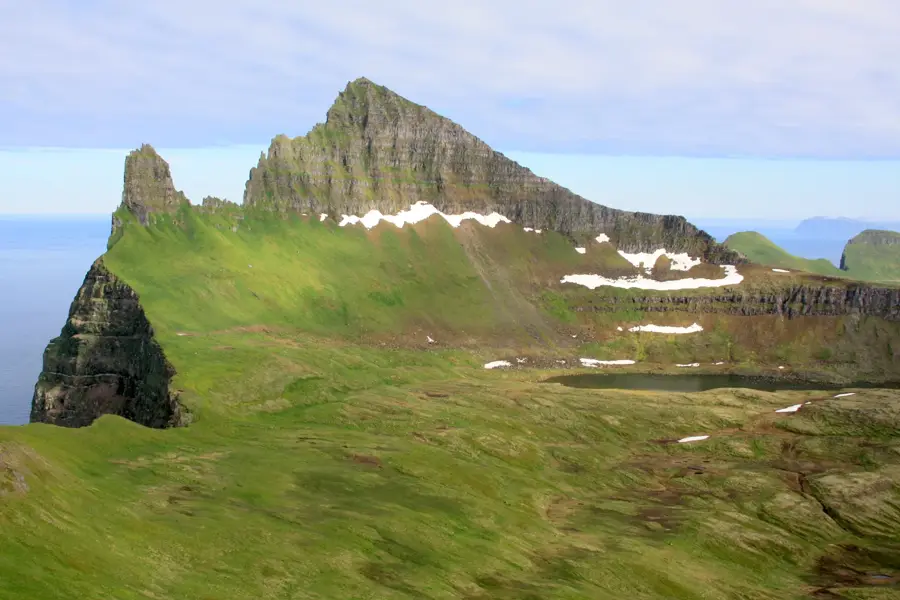
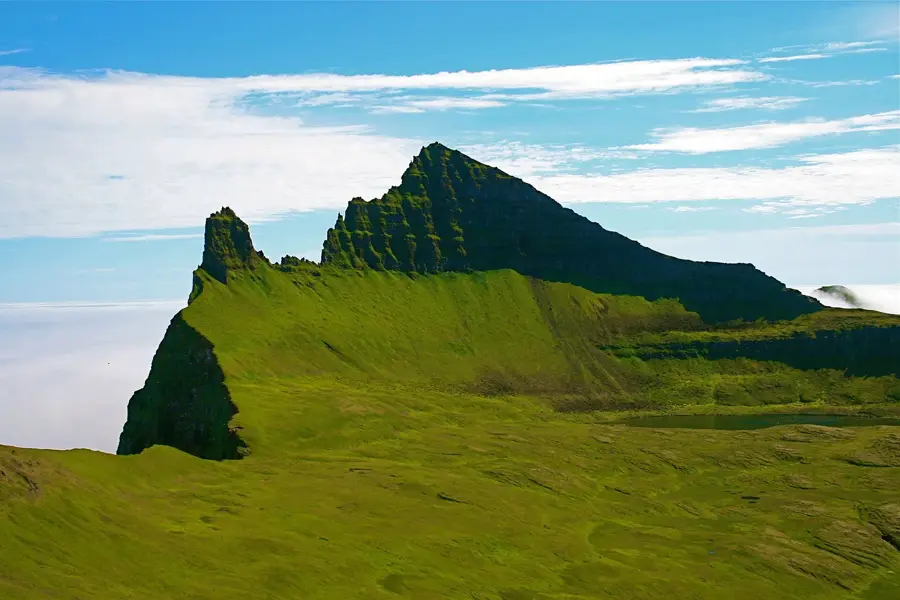
Hrolleifsborg📍 landmark

A mountain peak in Iceland located near the Drangajökull glacier.

Sights nearby

Frequently asked questions

Where is Drangajökull located?
It is the only glacier located in the Westfjords of Iceland.
What is unique about this glacier?
It is the only Icelandic glacier that has not significantly receded in recent years.
What is its altitude?
Its maximum altitude is only about 925 meters, which is low for an Icelandic glacier.
Is it easy to visit?
It is very remote and accessible only through challenging hikes or in winter.
Are there guided tours available?
There are only a few specialized tour operators, mostly departing from Ísafjörður.
Drangajökull: where is it located?
Drangajökull is located in Iceland.
Drangajökull: when is the best time to visit?
The most pleasant time to visit is Jun, Aug.
Drangajökull: why is it worth visiting?

Drangajökull is the northernmost glacier in Iceland and the only major ice cap in the Westfjords region.
View on map → The Top 50 Attractions → OpenStreetMap →
Europe
Explore with Plizio Discover more places in Europe
More places in Iceland →

Nearby cities

History & landmarks