Plizio Visual Lab
Bácsalmás
ℹ️Practical info — Bácsalmás
▾
🌤 Weather — 5 days
📍 Nearby
Sights nearby
💡 Tips
- A well-suited destination to experience the quiet, agricultural small-town life of the Great Hungarian Plain.
- Since the Serbian border is very close, keep an eye on your mobile roaming settings to avoid extra charges.
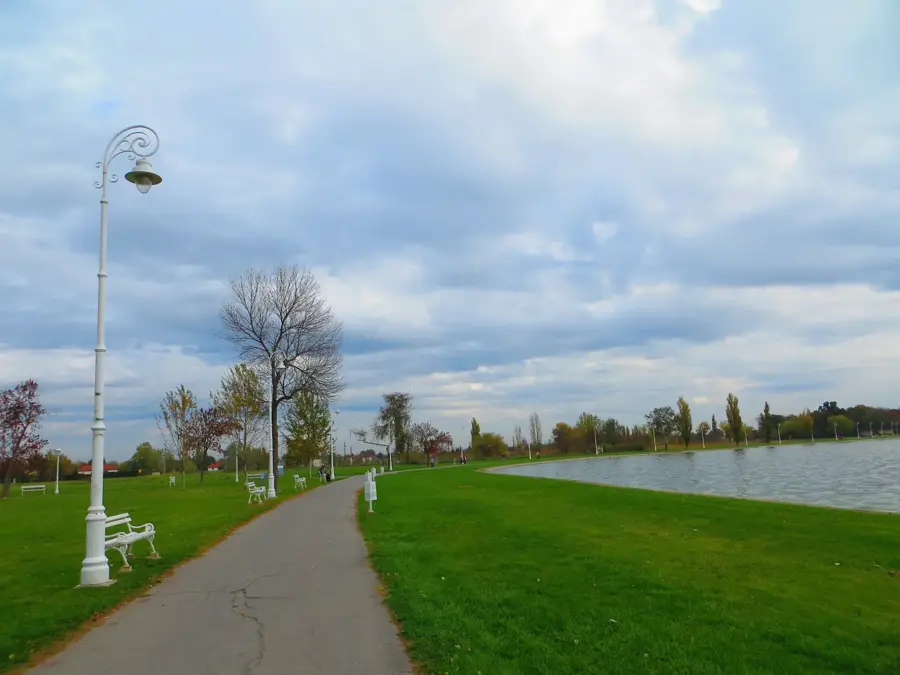
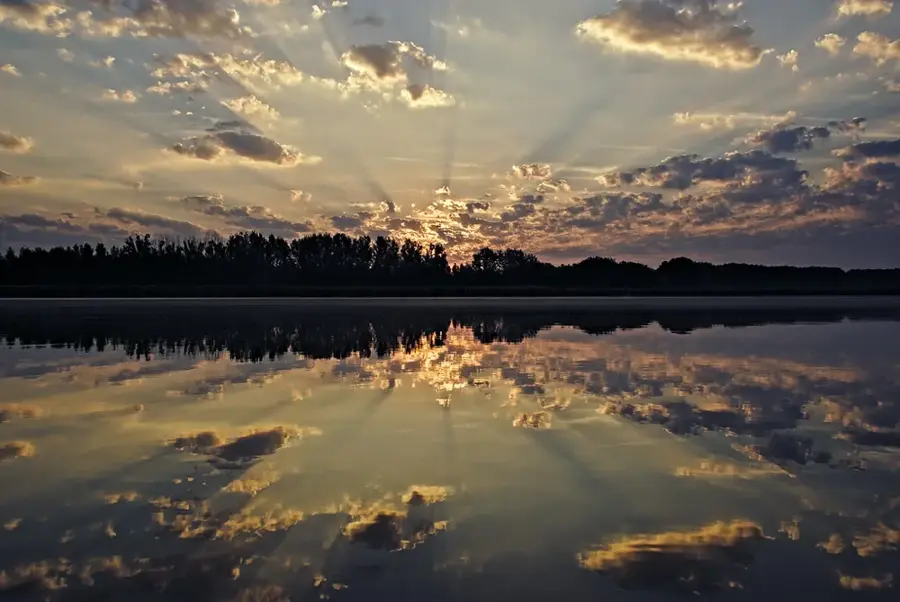
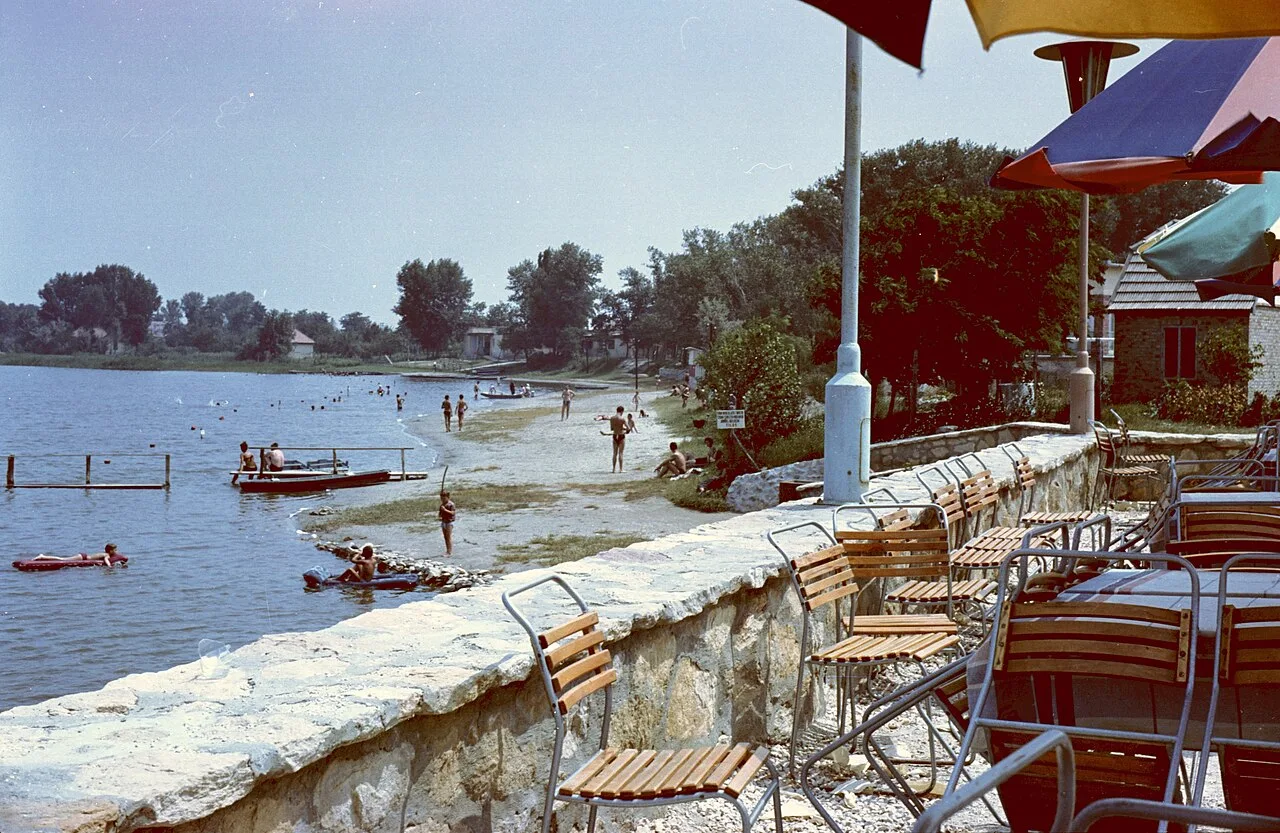
- Take a walk around the Sóstó (Salt Lake) on the outskirts for a relaxing nature escape.
- Have some cash handy, as smaller local vendors may not accept credit cards.
🍽 Food
Try the traditional sausages available at the local butcher shops.
Visit a local traditional tavern (csárda) for a bowl of hearty fish soup.
Look for a local lángos stand at the market and order it with garlic, cheese, and sour cream.
🛍 Shopping · 🧘 Quiet spots
Buy fresh vegetables, authentic paprika powder, and regional honey.
Stroll through the center and discover the independent, small local stores.
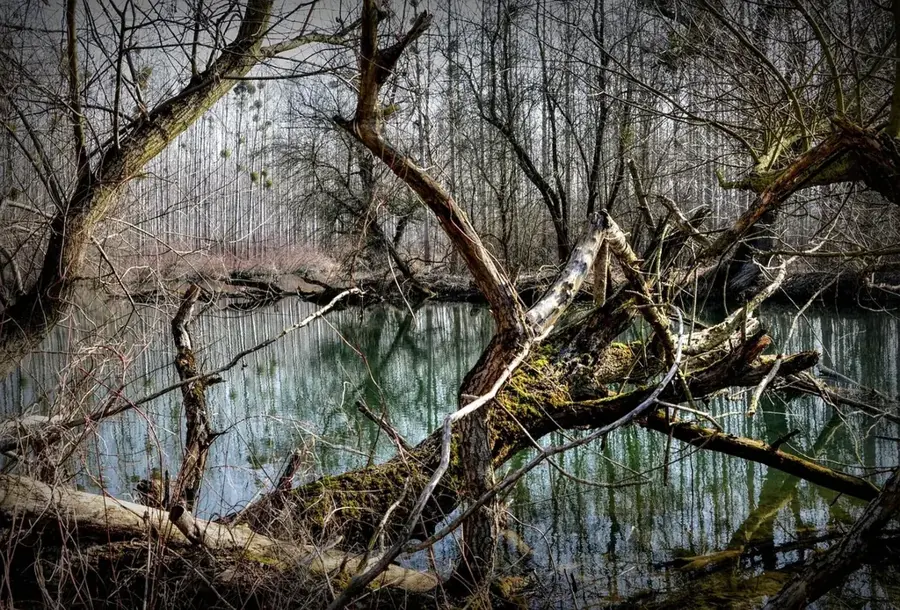
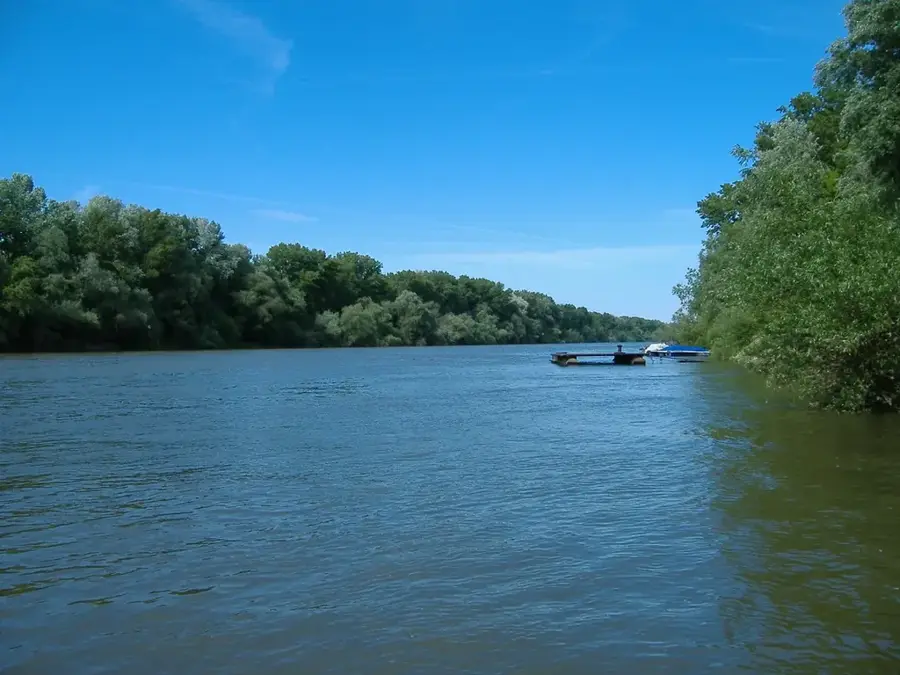
A quiet natural environment that is well-suited for a peaceful afternoon walk.
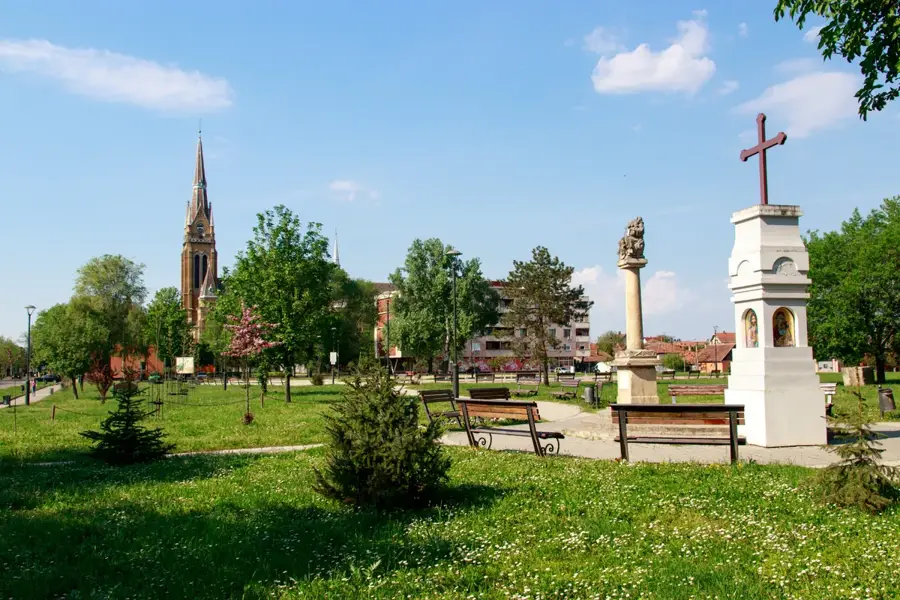
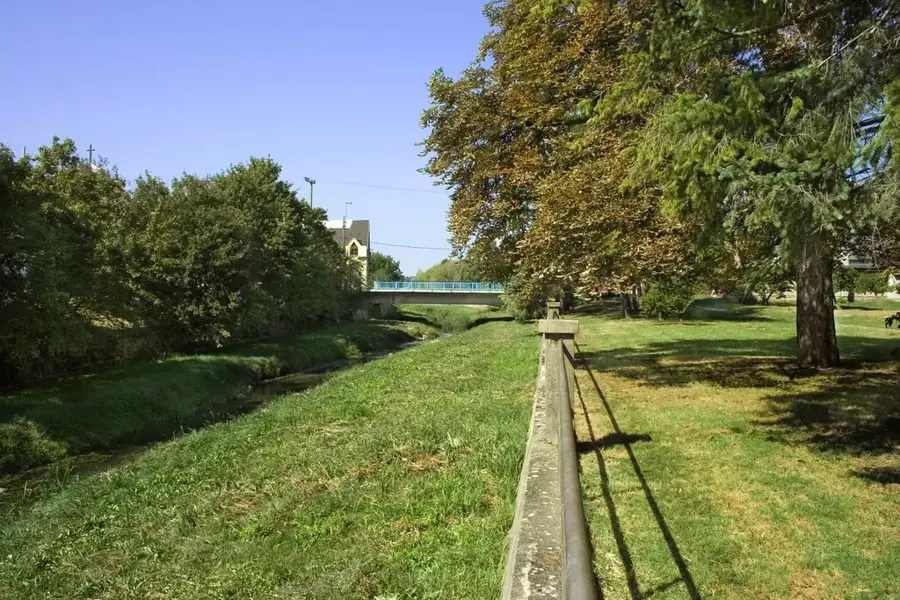
Relax on the benches of this green park located right in the city center.
Water temperature…
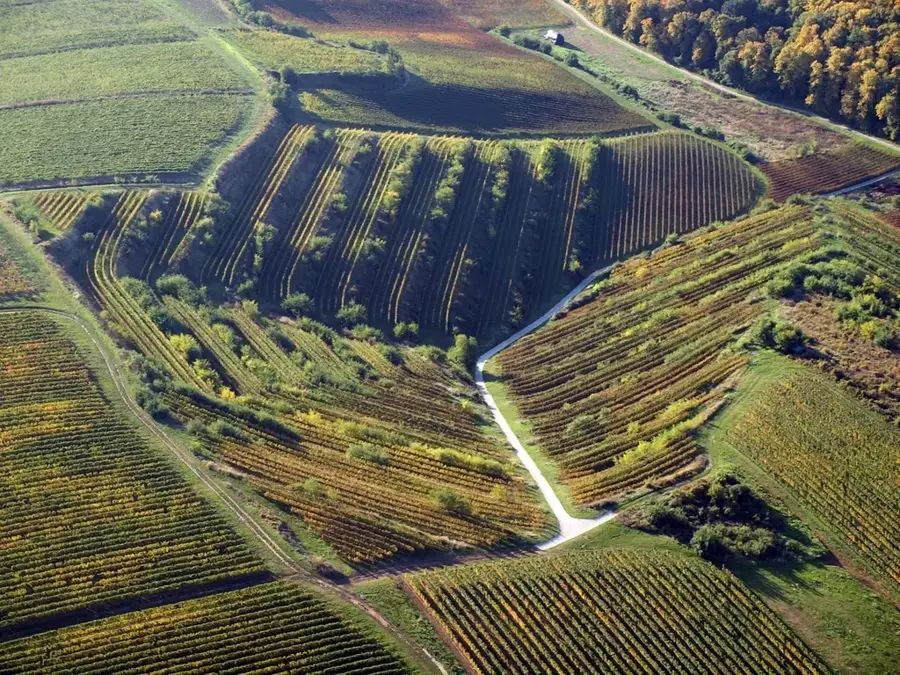
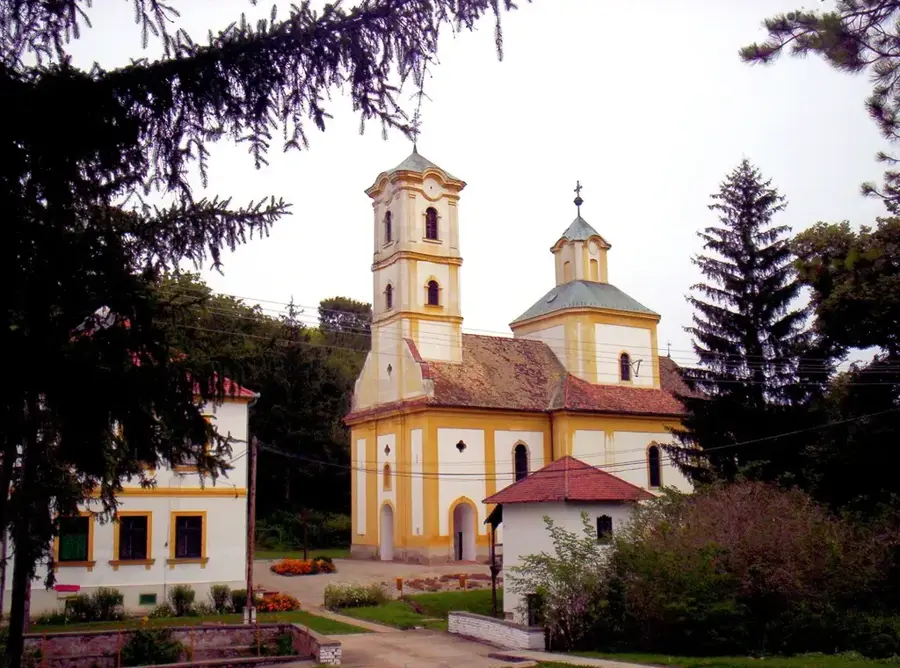
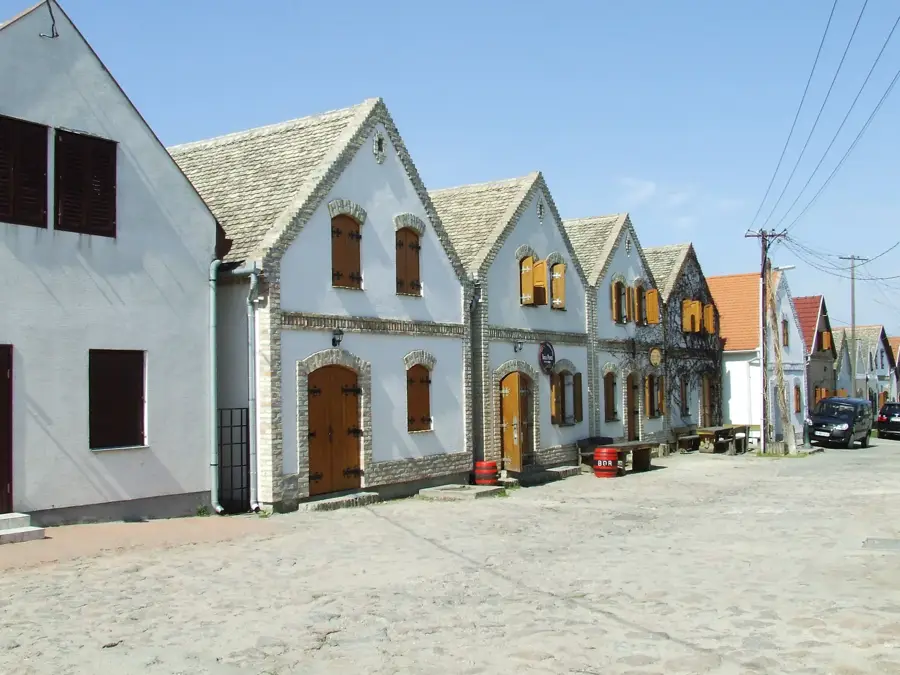
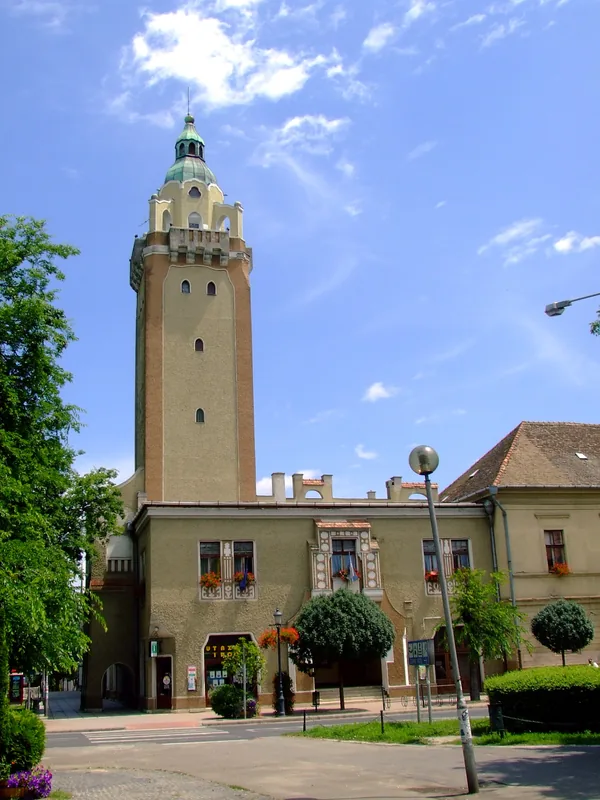
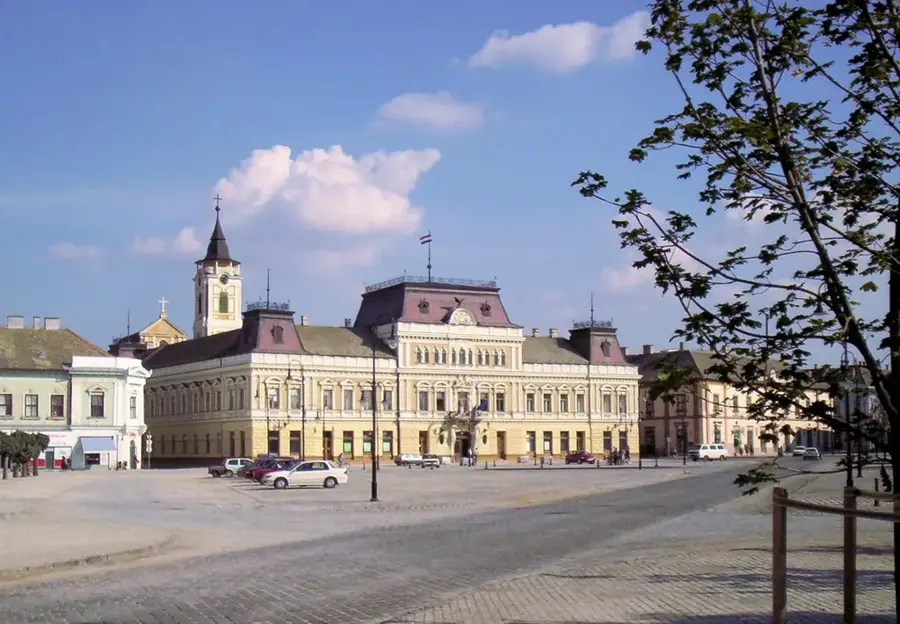
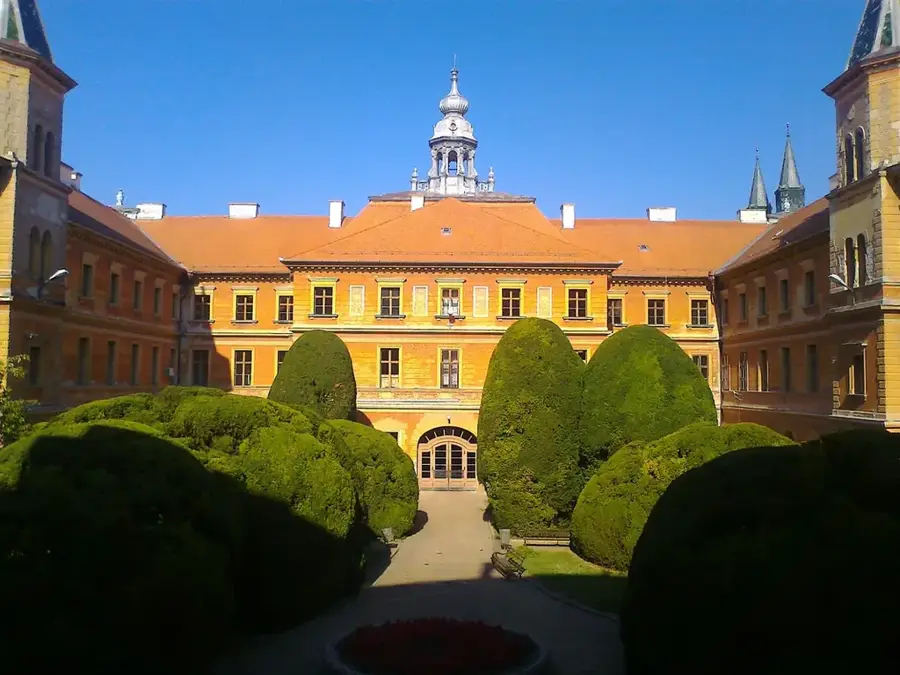
Bácsalmás, located in the southern part of Bács-Kiskun County near the Serbian border, is a town defined by centuries of multi-ethnic coexistence and agricultural excellence. Its history flourished in the 18th century after the Ottoman occupation, when Hungarians, Germans (Danube Swabians), and Bunjevci settled in the area, creating a unique cultural mosaic that still influences the town's architectural character and social fabric. As the center of the Bácska loess plateau, Bácsalmás benefits from exceptionally fertile soil, which established it as a hub for high-quality grain production, viticulture, and fruit farming. The town's landmarks include the impressive Baroque Roman Catholic Church and several noble residences that reflect the prosperity of former centuries. The 20th century brought significant challenges, particularly the forced displacement of the German population, an event that reshaped the local community but also sparked a strong commitment to preserving its diverse heritage. Today, Bácsalmás is known for its bustling local markets and festivals that celebrate its tri-cultural roots through music and gastronomy. The nearby Bácsalmás Lake and surrounding protected natural areas offer a peaceful retreat for nature enthusiasts, while the town continues to play a vital role as a cross-border link between Hungary and Serbia, fostering economic cooperation.
- Location: Hungary
- Top sights: Jewish Cemetery · Lajos Kossuth Statue · Backhausz Mansion
- Population: ~5.963
Best time to visit & climate
The most pleasant time to visit is Jun, Aug, Sep.
| Jan | Feb | Mar | Apr | May | Jun | Jul | Aug | Sep | Oct | Nov | Dec | |
|---|---|---|---|---|---|---|---|---|---|---|---|---|
| Avg °C | -1 | 1 | 6 | 12 | 17 | 22 | 24 | 24 | 18 | 12 | 6 | 1 |
| Rain mm | 39 | 44 | 41 | 40 | 73 | 80 | 58 | 51 | 55 | 52 | 43 | 41 |
Geography
Facts
- Holy Cross church dates back to 1823.
- First mentioned as Almás in the year 1433.
- German settlers began arriving in 1720.
- Famous for the Bácsalmási Blue dye tradition.
- Current population is approximately 6,500.
- Elevation is 125 meters above sea level.
Explore nearby
Notable places around

Route planner — Car & Motorhome
Where do you start? We build the route here, with stops and country notes along the way.
© OpenStreetMap contributors · OpenRouteService
Sights in the town Bácsalmás (5)
Frequently asked questions
What is the cultural uniqueness of Bácsalmás?
What natural sights are there?
What can you see in the town museum?
Where is Bácsalmás located?
Are there local wines?
Bácsalmás: where is it located?
Bácsalmás: what is there to see?
Bácsalmás: when is the best time to visit?
Bácsalmás: why is it worth visiting?

Nearby cities
History & landmarks
Nature
More places