Plizio Visual Lab
Thermopylae Battlefield
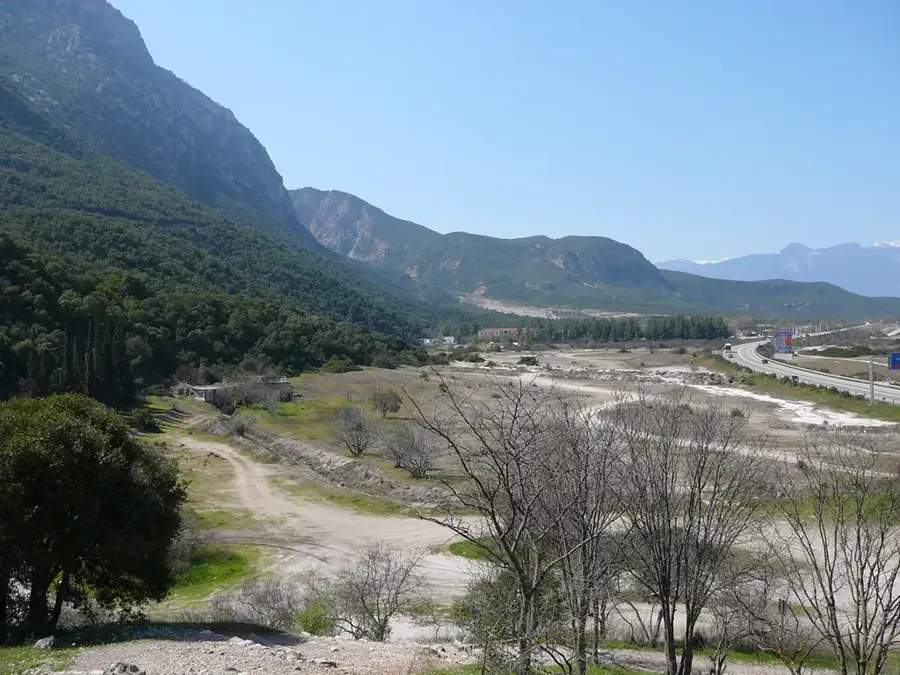
Thermopylae is a strategically vital mountain pass in Greece, world-famous for the battle fought there in 480 BC between an alliance of Greek city-states and the Persian Empire. The name translates to 'hot gates', derived from the local sulfurous thermal springs that have been active since ancient times. In the iconic conflict, King Leonidas of Sparta led a small force of 300 Spartans and several thousand allies against the massive invading army of Persian King Xerxes I. The narrowness of the pass, which at the time squeezed between steep mountains and the sea, allowed the Greeks to hold off the Persian advance for three days. Although the Greeks were eventually defeated following a betrayal, the battle became an enduring symbol of heroic resistance and self-sacrifice in Western culture. A modern monument featuring a bronze statue of Leonidas with the inscription 'Molon Labe' (Come and take them) marks the site. Due to alluvial deposits over millennia, the coastline has shifted, and the once-narrow pass is now several kilometers wide.
- Location: Greece
- Top sights: Battle of Thermopylae · Fortified Hill of Kolonos · Thermopylae, Anthele
- Nearby: Lamia (15 km)
Best time to visit & climate
The most pleasant time to visit is May, Jun, Sep.
| Jan | Feb | Mar | Apr | May | Jun | Jul | Aug | Sep | Oct | Nov | Dec | |
|---|---|---|---|---|---|---|---|---|---|---|---|---|
| Avg °C | 5 | 6 | 9 | 13 | 18 | 24 | 27 | 26 | 21 | 16 | 11 | 6 |
| Rain mm | 59 | 53 | 57 | 34 | 32 | 25 | 29 | 22 | 46 | 55 | 59 | 65 |
📋 Practical info
Geography
Facts
- The Battle of Thermopylae took place in August or September of 480 BC.
- In antiquity, the pass was only about 15 meters wide at its narrowest point.
- King Leonidas I was approximately 60 years old at the time of the battle.
- In addition to the 300 Spartans, about 700 Thespians also fought to the death.
- The phrase 'Molon Labe' was Leonidas' defiant response to the Persian demand for weapons.
- The coastline has receded by about 5 kilometers since ancient times due to siltation.
Explore nearby
Notable places around
Route planner — Car & Motorhome
Where do you start? We build the route here, with stops and country notes along the way.
© OpenStreetMap contributors · OpenRouteService
Sights in the town Thermopylae Battlefield (3)
Thermopylae, Anthele
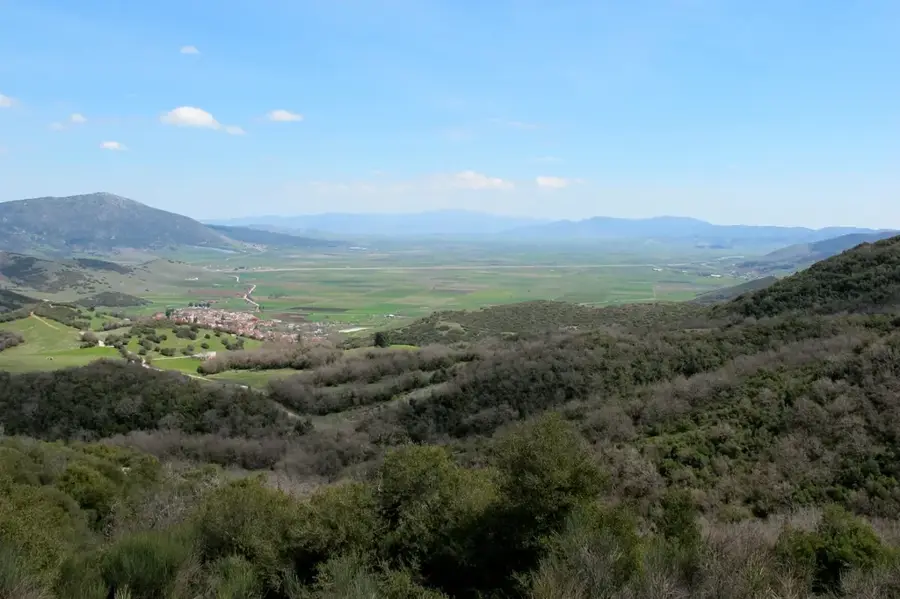
Anthele was an ancient village near Thermopylae, known for its sanctuary of Demeter.
Sights nearby
Frequently asked questions
What can you see at Thermopylae?
Are there really hot springs there?
How far is it from Athens?
Does visiting the monument cost an entrance fee?
When did the famous battle take place?
Thermopylae Battlefield: where is it located?
Thermopylae Battlefield: what is there to see?
Thermopylae Battlefield: when is the best time to visit?
Thermopylae Battlefield: why is it worth visiting?

Nearby cities