Sitia Sultanina Festival
Three-day feast in mid-August celebrating the start of the grape harvest and the region's famous sultanas, as well as the wine made from them.
PlizioGo
A traditional local dish of pork intestines stuffed with rice, liver, and spices, found in authentic Cretan tavernas.
Try these delicious sweet or savory cheese pastries, a staple of Cretan baking available at local bakeries.
Head to the traditional fish tavernas near the marina for the catch of the day from the Mirabello or Sitia bay.
Sitia produces a world-renowned PDO extra virgin olive oil; pick up a bottle at a local grocery store or cooperative.
Local beekeepers produce exceptional thyme honey, available in small markets along the main streets.
The area around the old Venetian fortress features a quiet retreat with striking sea views.
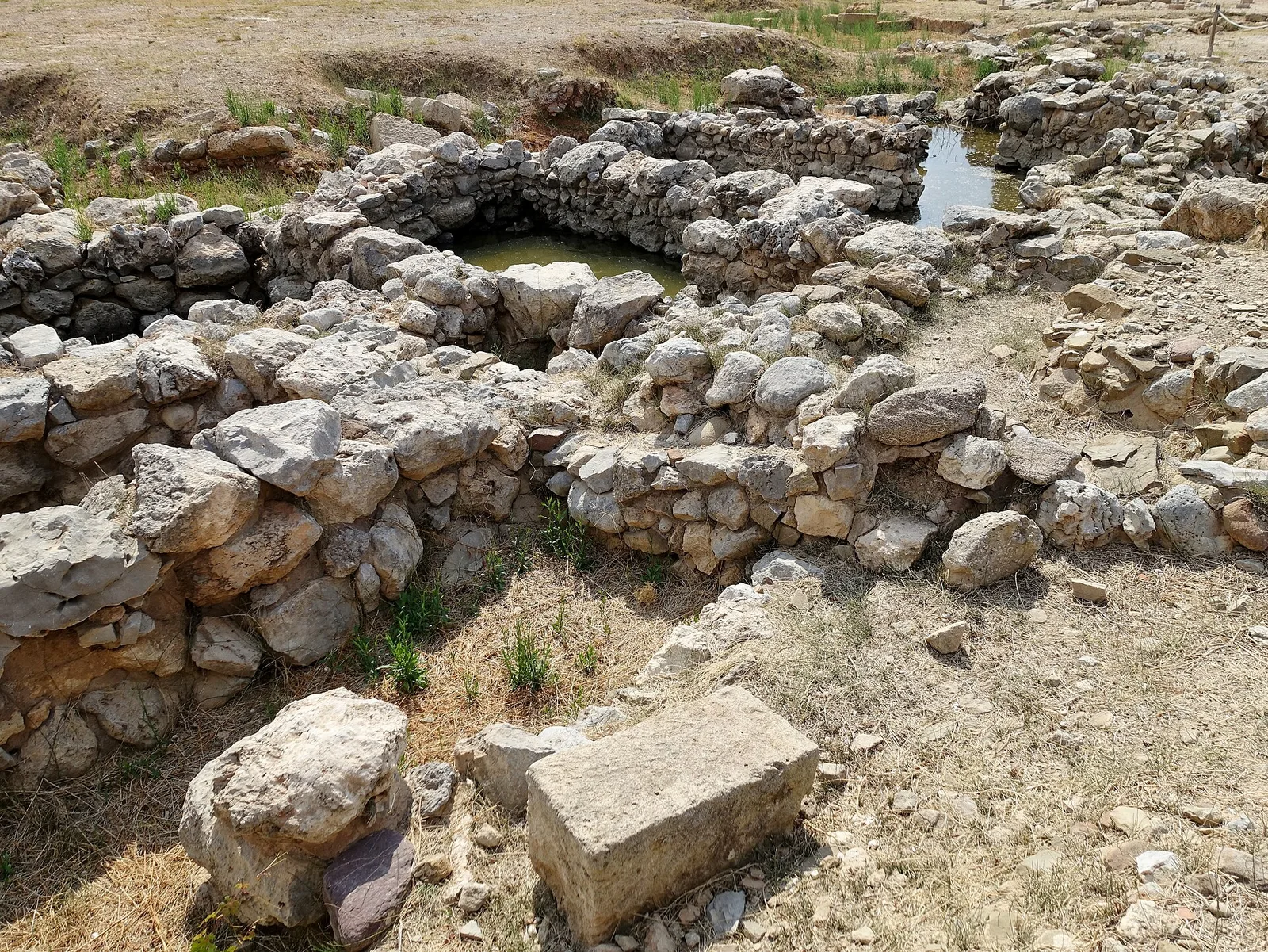
Located slightly east of town, this ancient Minoan settlement provides a peaceful, historical walk.
Water temperature…
Three-day feast in mid-August celebrating the start of the grape harvest and the region's famous sultanas, as well as the wine made from them.
Cultural festival in Sitia from early June to late August honoring the Cretan poet Vikentios Kornaros, with music, theatre, dance, lectures and exhibitions at the Venetian fortress of Kazarma.
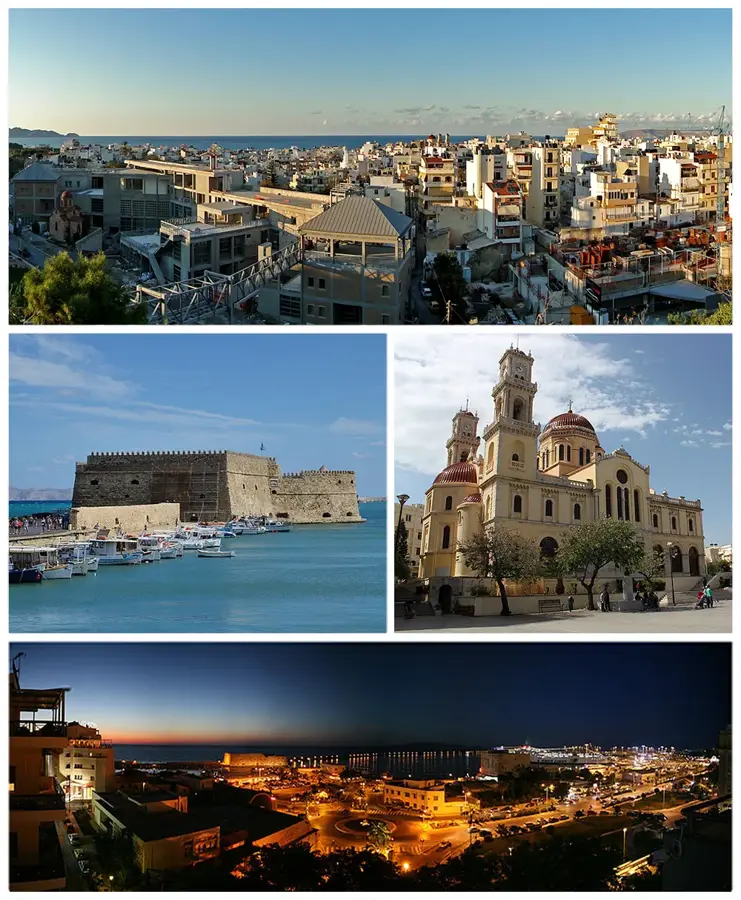
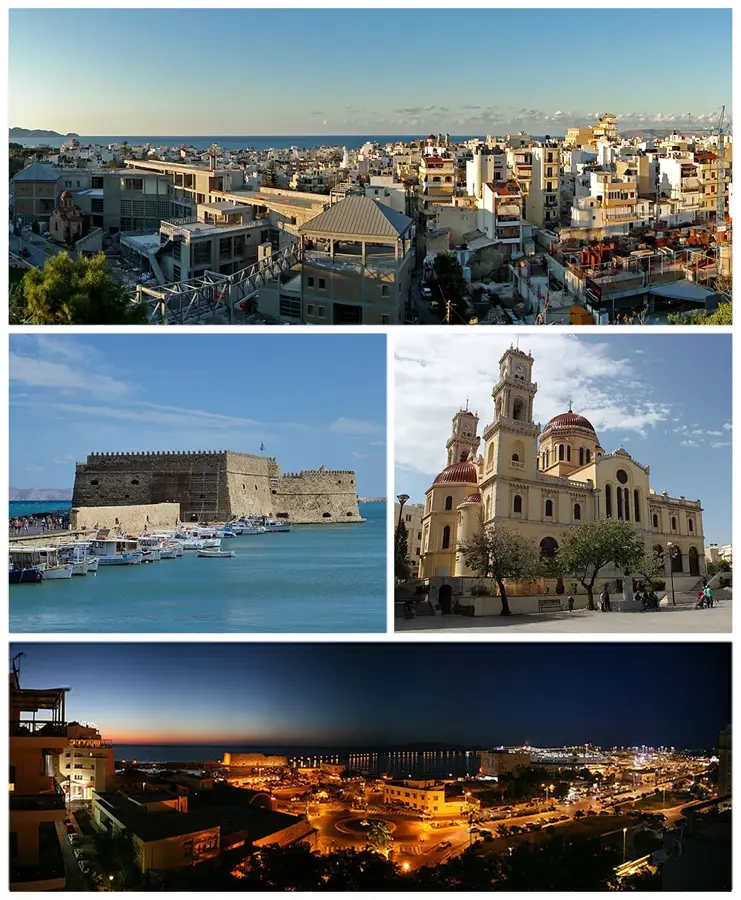
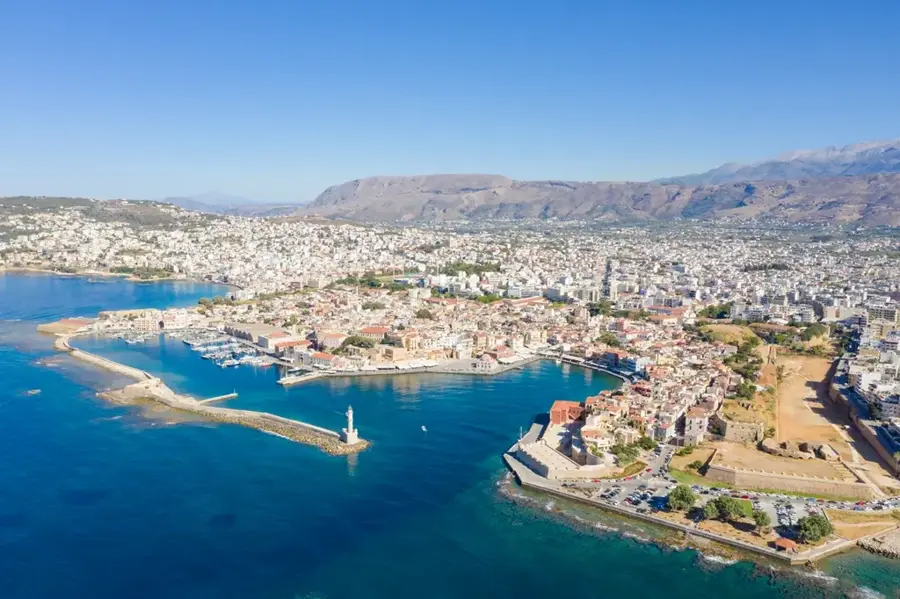
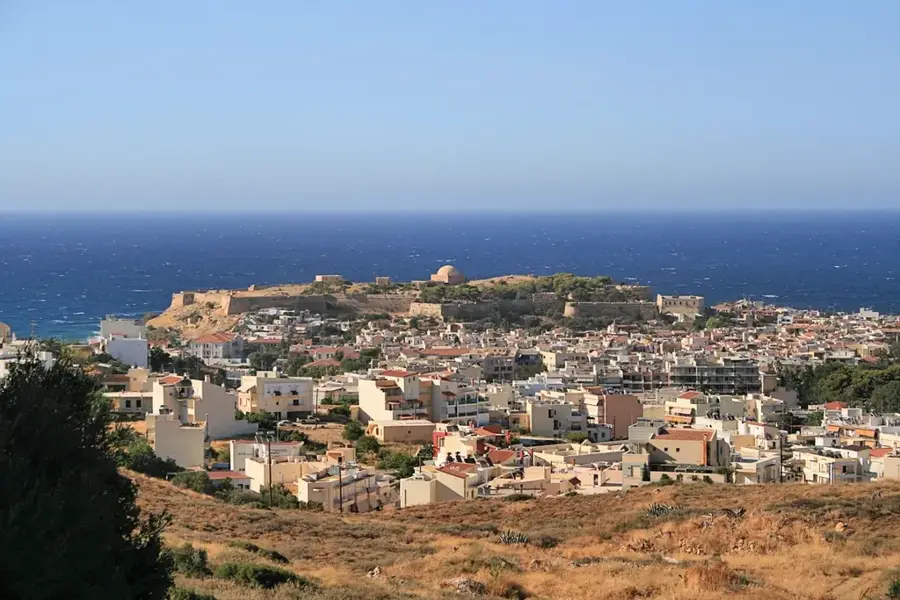
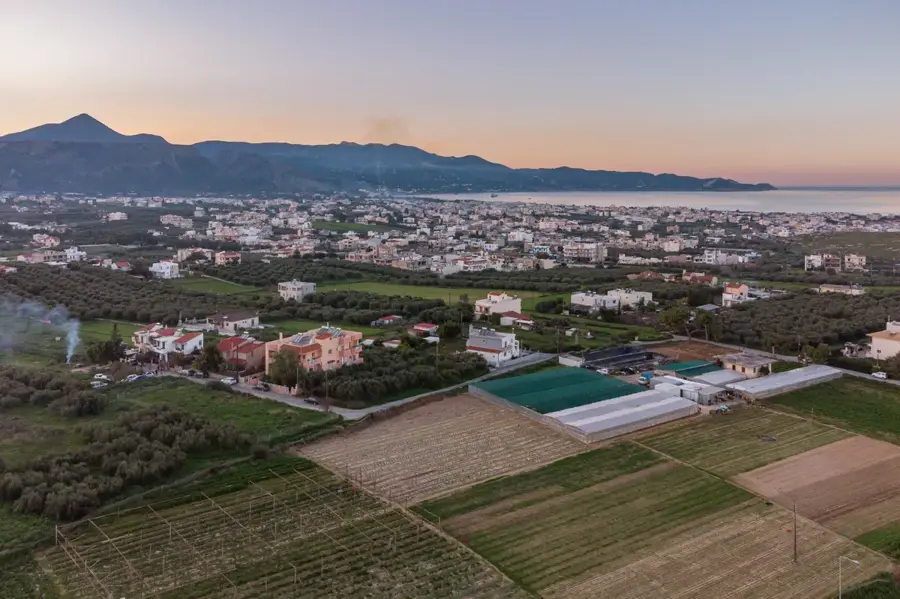
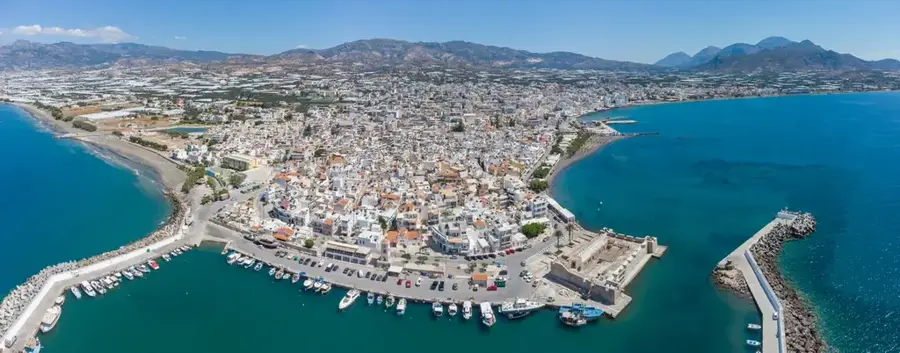
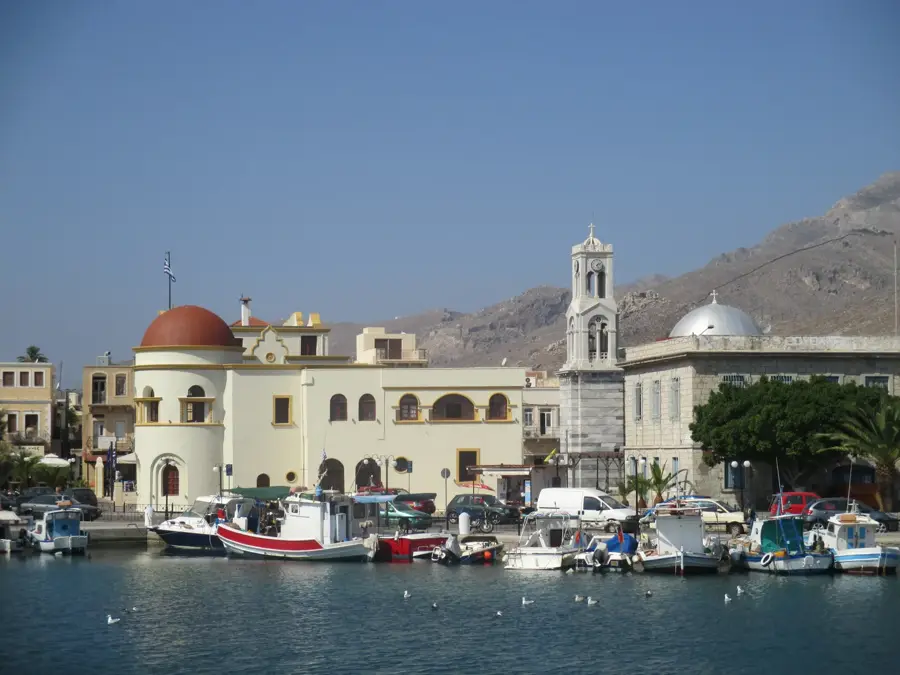
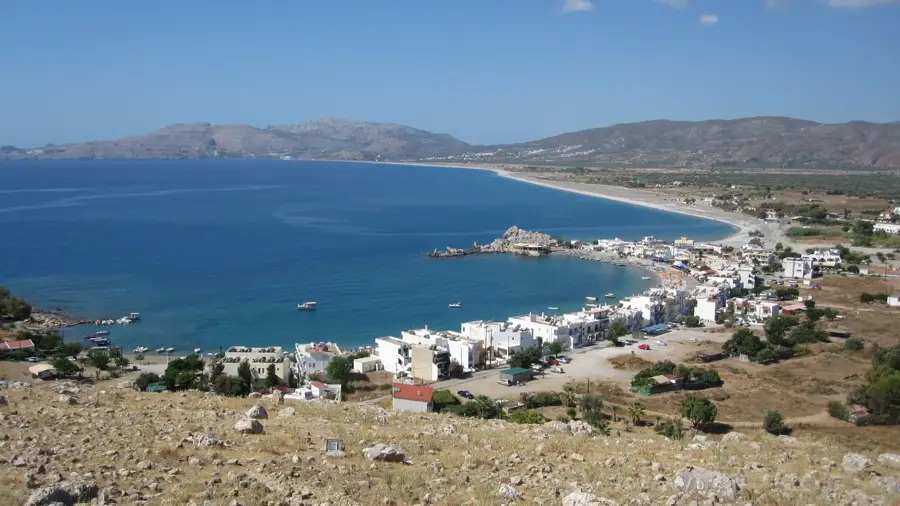
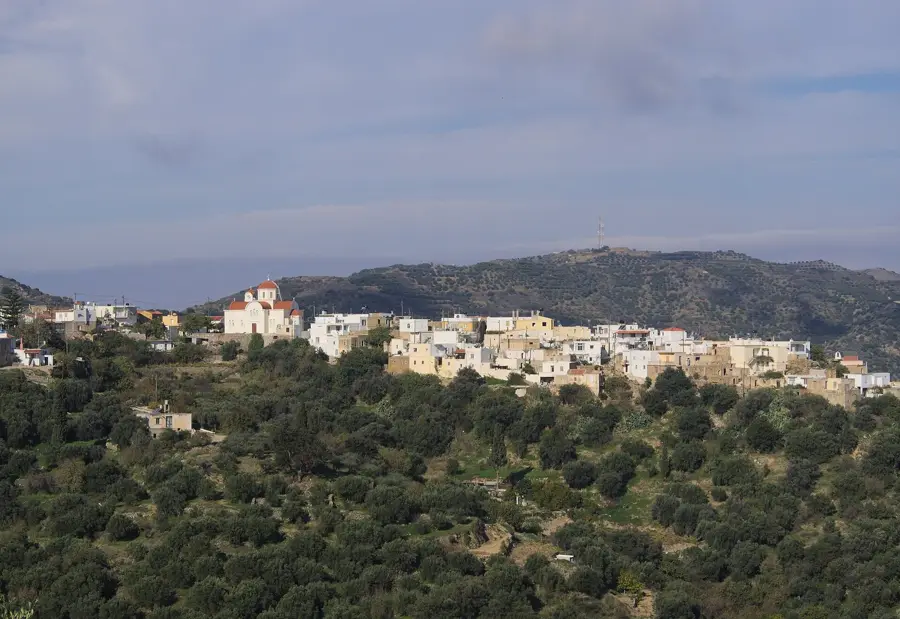
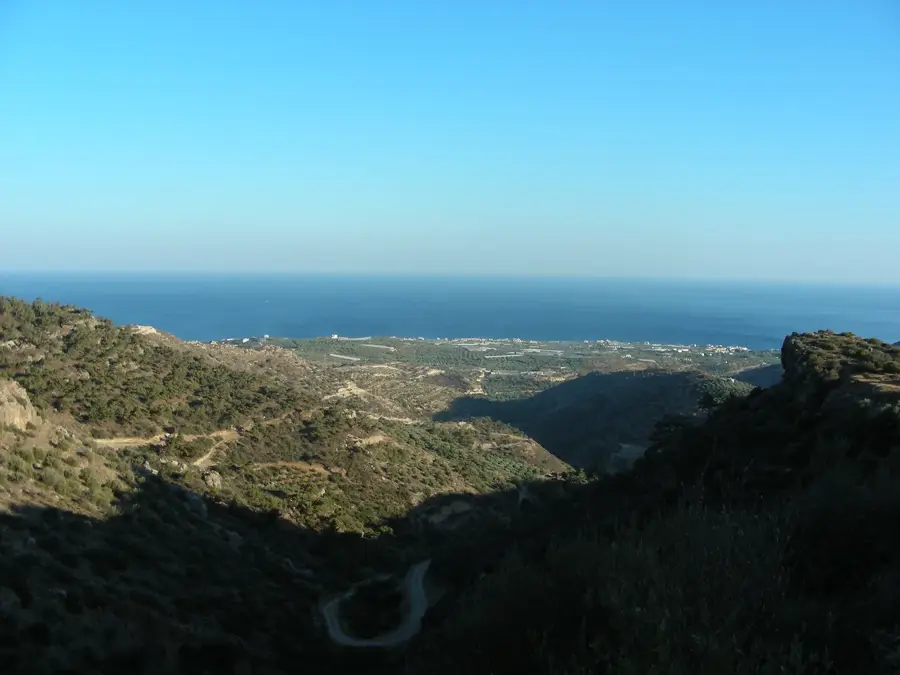
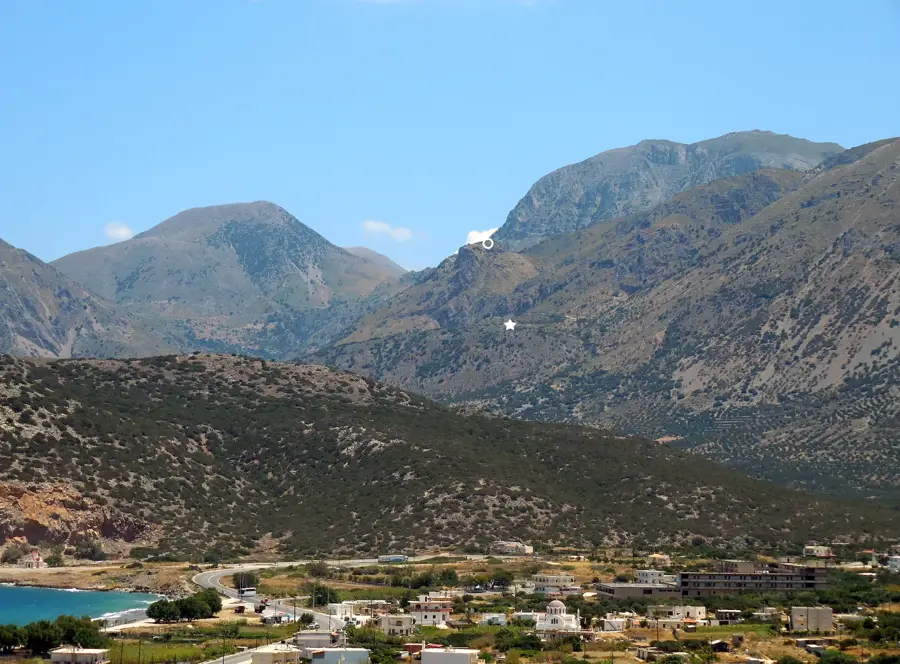
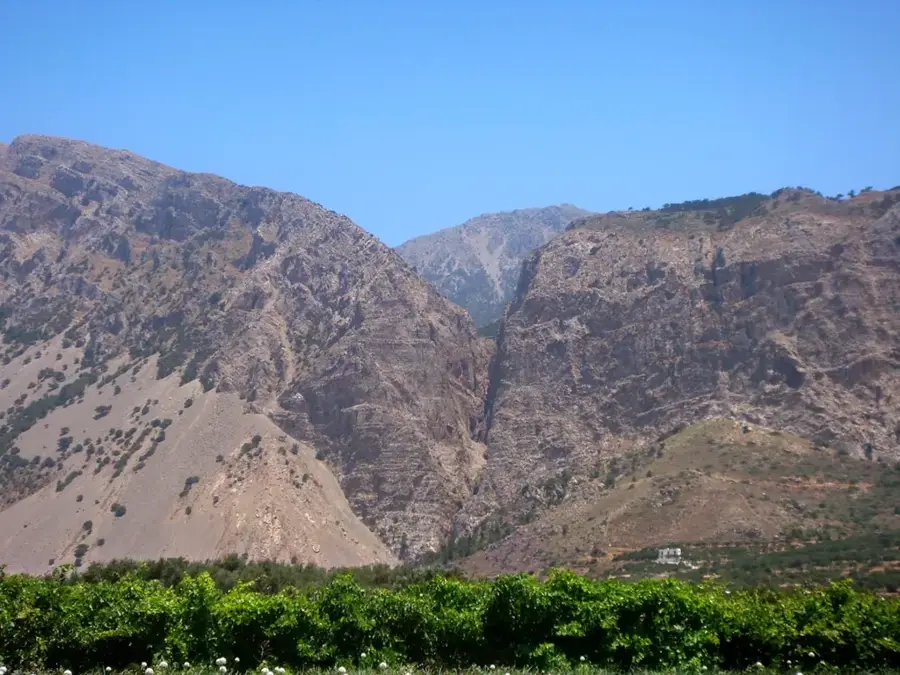
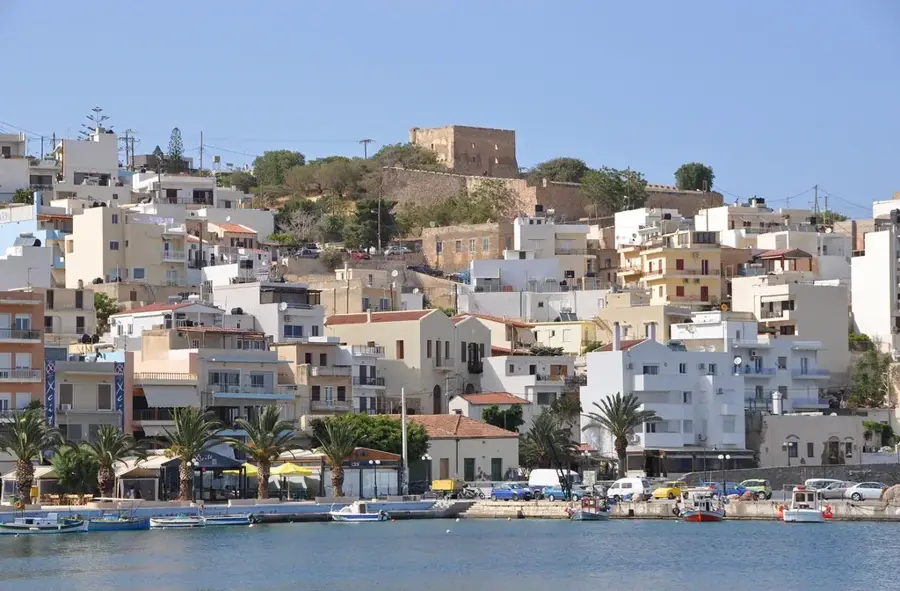
Sitia is a serene coastal town located on the northeastern shores of Crete, serving as a key cultural and economic hub for the Lasithi region. The town's origins trace back to the Minoan civilization, and it is widely believed to occupy the site of ancient Itia. During the Venetian era, Sitia was a strategic maritime outpost, a legacy preserved in the formidable Kazarma fortress that overlooks the harbor. Sitia is celebrated as the birthplace of Vitsentzos Kornaros, the 17th-century poet who wrote 'Erotokritos,' a cornerstone of modern Greek literature. The town is characterized by its relaxed pace of life and traditional Cretan hospitality, standing apart from the more commercialized areas of the island. Its economy is deeply tied to the land, specifically the production of PDO-certified olive oil and high-quality sultanas. The surrounding landscape features rugged mountains, traditional villages, and the iconic Vai palm forest, the largest of its kind in Europe.
The most pleasant time to visit is May, Jun, Oct.
| Jan | Feb | Mar | Apr | May | Jun | Jul | Aug | Sep | Oct | Nov | Dec | |
|---|---|---|---|---|---|---|---|---|---|---|---|---|
| Avg °C | 14 | 14 | 15 | 17 | 20 | 24 | 26 | 27 | 25 | 22 | 19 | 16 |
| Rain mm | 87 | 72 | 38 | 29 | 17 | 5 | 2 | 3 | 17 | 44 | 54 | 91 |
Notable places around
Where do you start? We build the route here, with stops and country notes along the way.
© OpenStreetMap contributors · OpenRouteService
The day begins at the idyllic Venetian harbor, followed by a visit to the Kornaros monument and the lush city garden. Around midday, we explore Agia Ekaterini and climb to the Kazarma Fortress for sweeping views. The afternoon is dedicated to Minoan history at the Archaeological Museum. The walk concludes along the lively waterfront promenade with the sound of the sea.
A rainy morning at the harbor begins with the scent of damp salt air. We find shelter under the nearby arcades and the dense city garden. At noon, the thick walls of the Kazarma fortress provide solid cover from the showers. The afternoon museum visit is the perfect dry retreat to explore history. We finish the day in a cozy waterfront tavern, watching the rain dance on the waves.
A winter morning in Sitia is crisp and clear. We enjoy the peaceful harbor without the summer crowds. At noon, the low winter sun warms the city garden before our church visit. The Kazarma fortress offers sweeping views over the wintry Libyan Sea. Since it gets dark early, we spend the afternoon in the museum and end the day with a glass of local wine in a cozy indoor tavern.
The bike tour starts flat and relaxed at the harbor and continues along the waterfront promenade. We then cycle slightly inland to the Archaeological Museum. At midday, we take a refreshing break in the city garden. The afternoon brings a more challenging climb to the Kazarma Fortress, rewarded by a great view. We finish up at the Folklore Museum downtown.
Cycling in Sitia during rain requires caution on the slick streets. We start at the harbor and use the promenade for a quick ride between showers. Museums provide long breaks to wait out the rain fronts. At noon, the city garden trees offer brief cover. We spend the afternoon in the folklore museum before safely parking the bikes for the evening.
A winter day on the bike starts with a fresh sea breeze at the harbor. The flat promenade is ideal for warming up. At noon, we soak up the sun in the city garden before climbing the hill to Kazarma. The cool air makes the ascent pleasant. In the afternoon, the museums offer a warm break. We finish the tour well before the early winter sunset.
This car trip is divided into three small clusters. We park centrally in the morning and walk through the harbor, promenade, and to the Kornaros Monument. Then, we drive comfortably up the steep hill to the Kazarma Fortress for the view. In the afternoon, we drive to the southern part of the city to explore the fascinating museums on foot.
Exploring Sitia by car is very comfortable during the rain. We park right at the harbor and enjoy the views from the dry interior. Short sprints take us to the promenade and statue. At noon, we drive up to Kazarma where we can park close to the entrance. We spend a long afternoon at the Archaeological Museum, the best spot for foul weather.
A clear winter day in Sitia is perfect for exploring by car. We start at the quiet harbor and drive along the coast. At noon, we visit the fortress; the road is empty in winter. Since days are short, we use the car to switch quickly between sites. We devote the late afternoon to the museum before heading into the warm atmosphere of the old town.