Plizio Visual Lab
Ano Potamos
ℹ️Practical info — Ano Potamos
▾
🌤 Weather — 5 days
📍 Nearby
Sights nearby
💡 Tips
- The village's narrow, winding alleys are only accessible on foot; you must leave your car or scooter in the parking area at the entrance.
- Due to the hillside location, comfortable flat shoes are essential for navigating the stone steps and uneven paths.
- Bring cash, as small local cafes or traditional shops might not accept credit cards.
- The bright white cycladic architecture reflects the sun intensely; sunglasses and a hat are a must during the day.
- Respect the traditional afternoon quiet hours (siesta) from around 3 PM to 5 PM, when many locals rest.
🍽 Food
The signature Amorgian liqueur made with raki, honey, and spices, traditionally served as a welcome drink or after a meal.
A creamy puree made from yellow split peas, typically garnished with olive oil, onions, and capers at local tavernas.
Thin, crispy fried dough strips drizzled generously with local honey and sprinkled with sesame seeds.
🛍 Shopping · 🧘 Quiet spots
Bundles of dried wild oregano, thyme, and sage gathered from the Amorgian hillsides.
Traditional pottery items painted with Aegean motifs, available in small artisanal shops.
A shady, peaceful spot under a tree to read a book and escape the midday heat.
Follow the ancient donkey paths leading out of the village for memorable, solitary views over the Aegean Sea.
Water temperature…
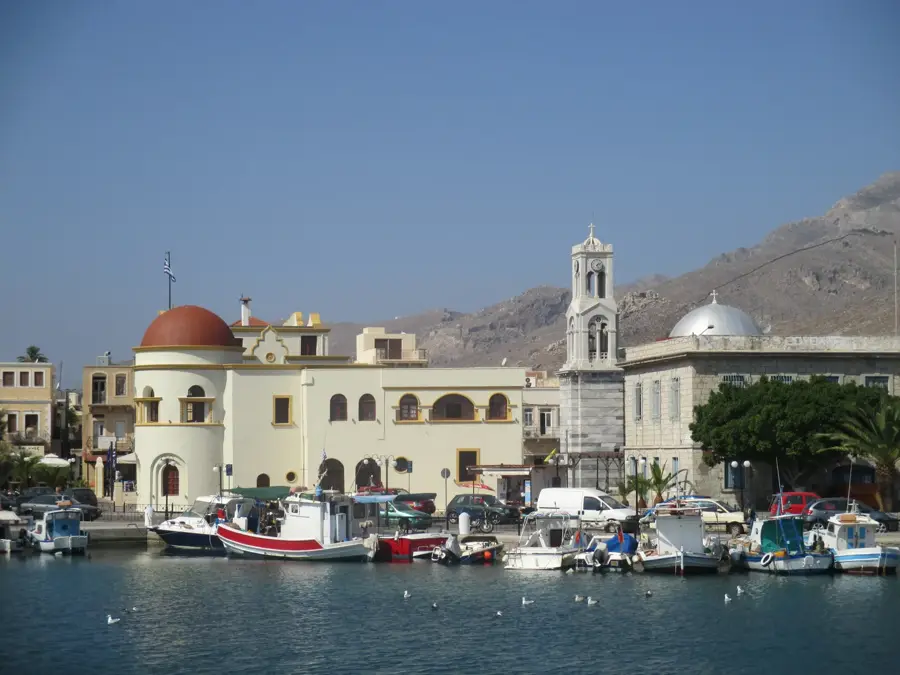
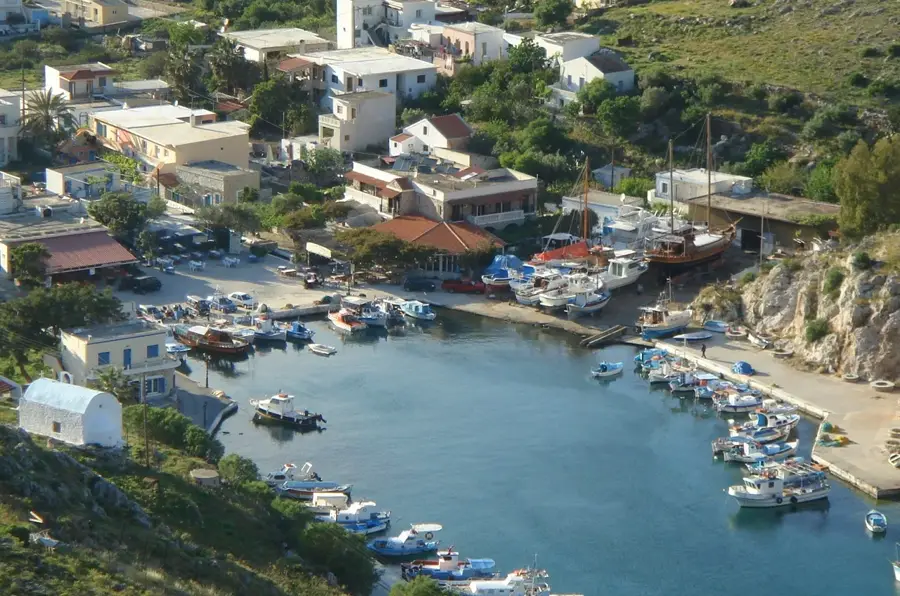
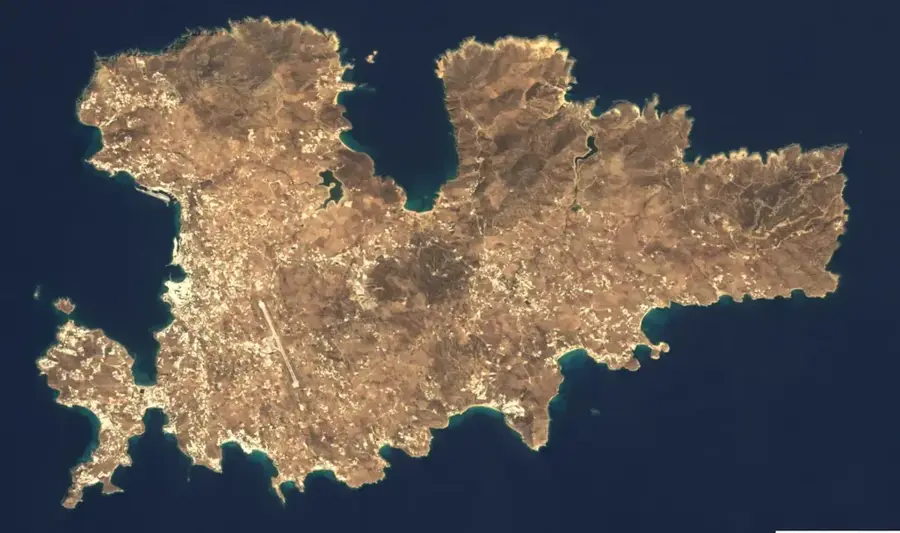
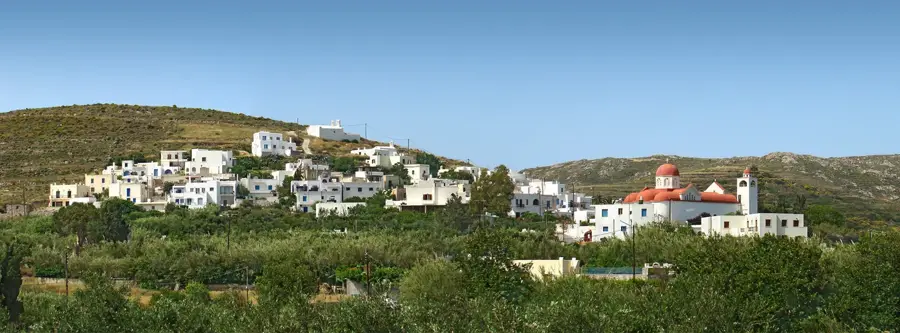
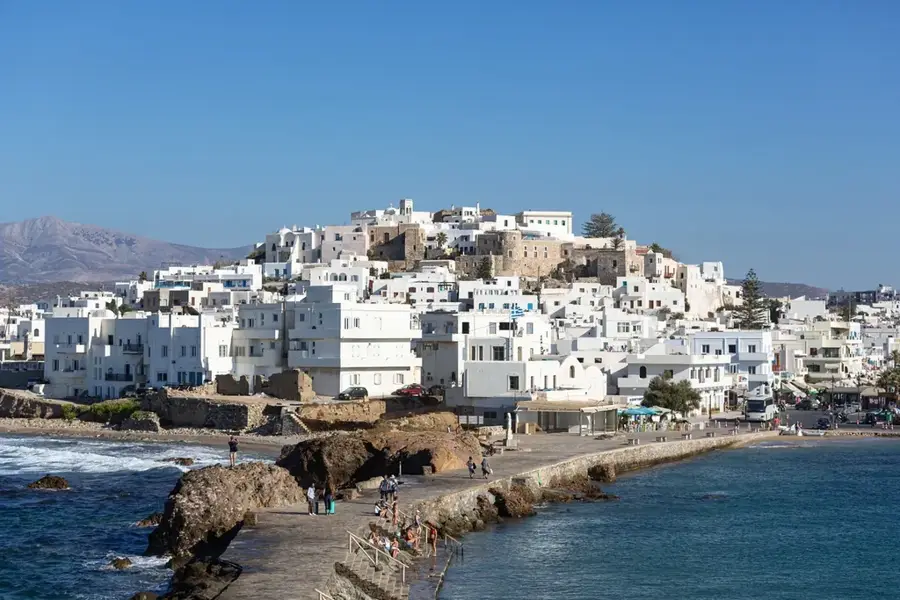
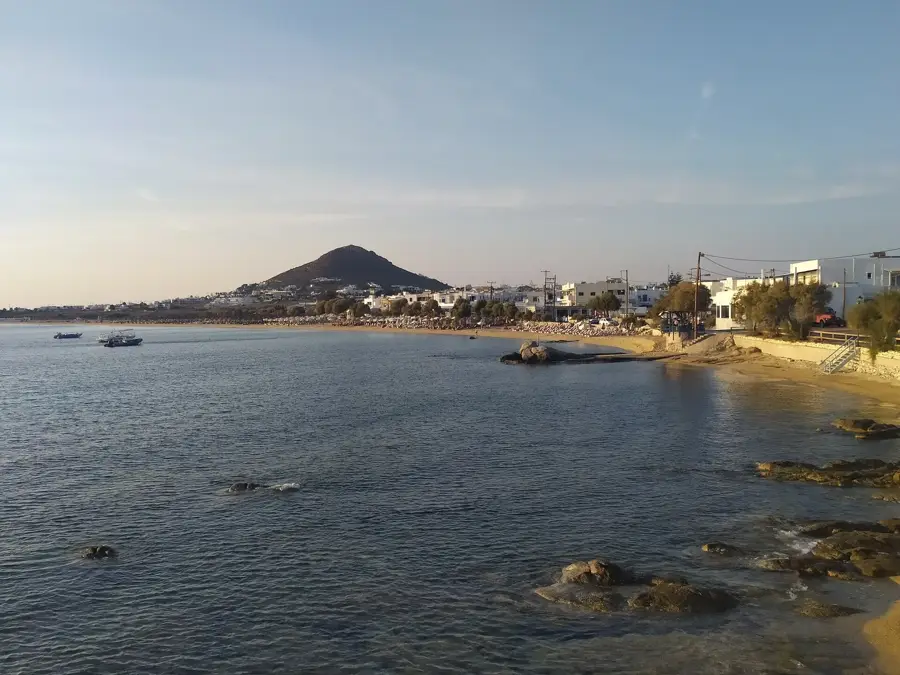
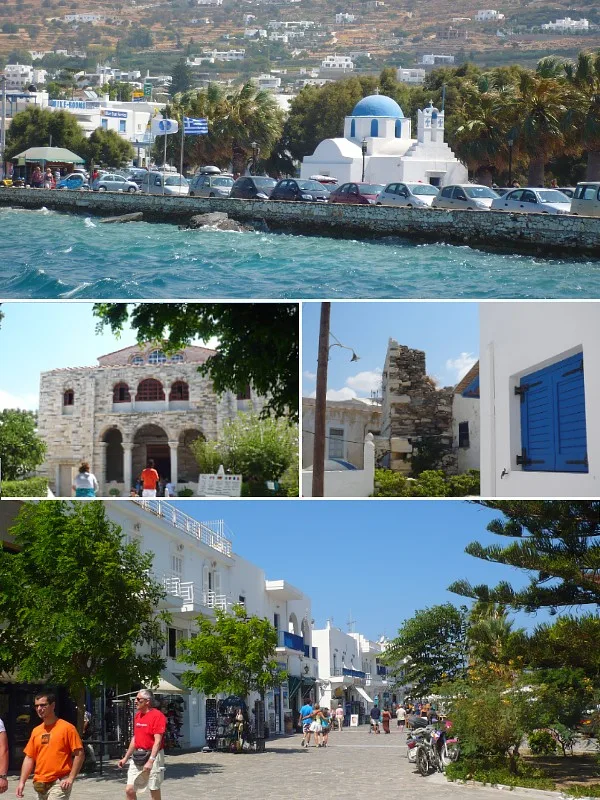
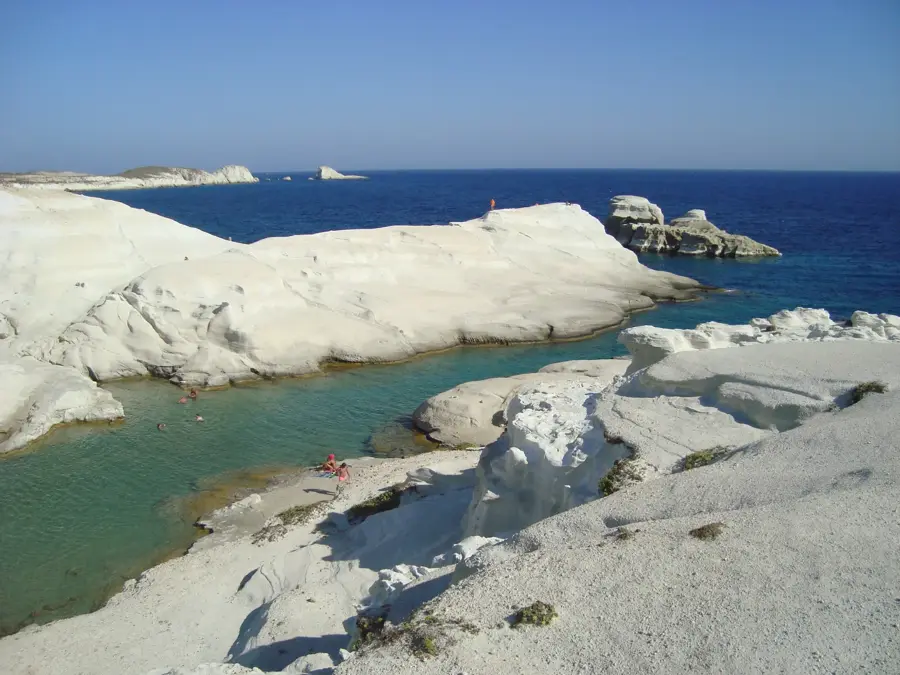
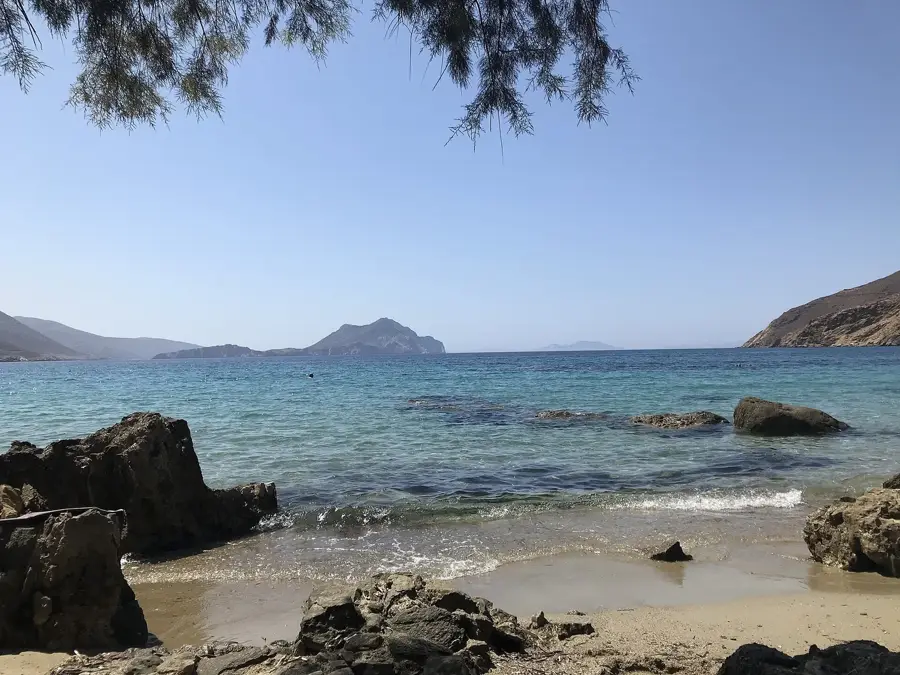
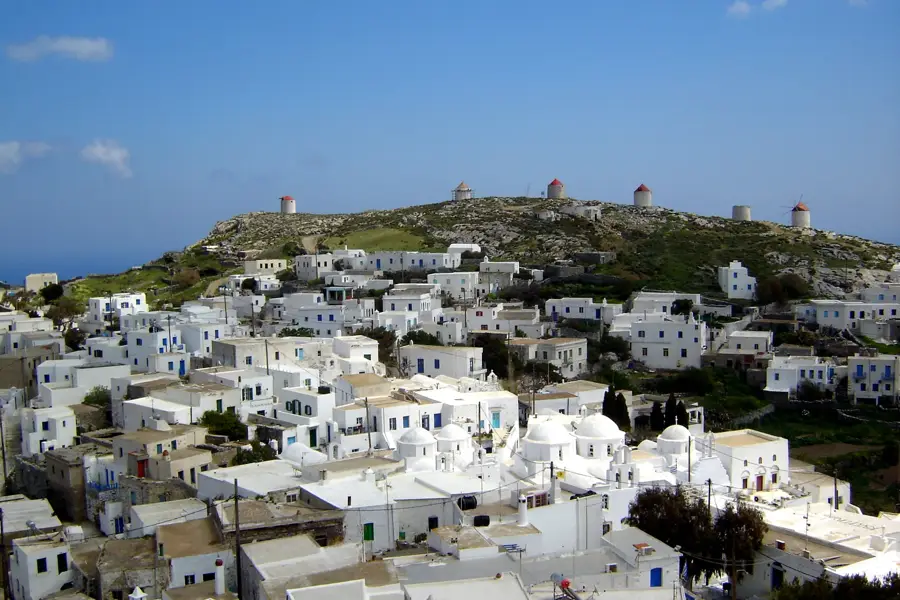
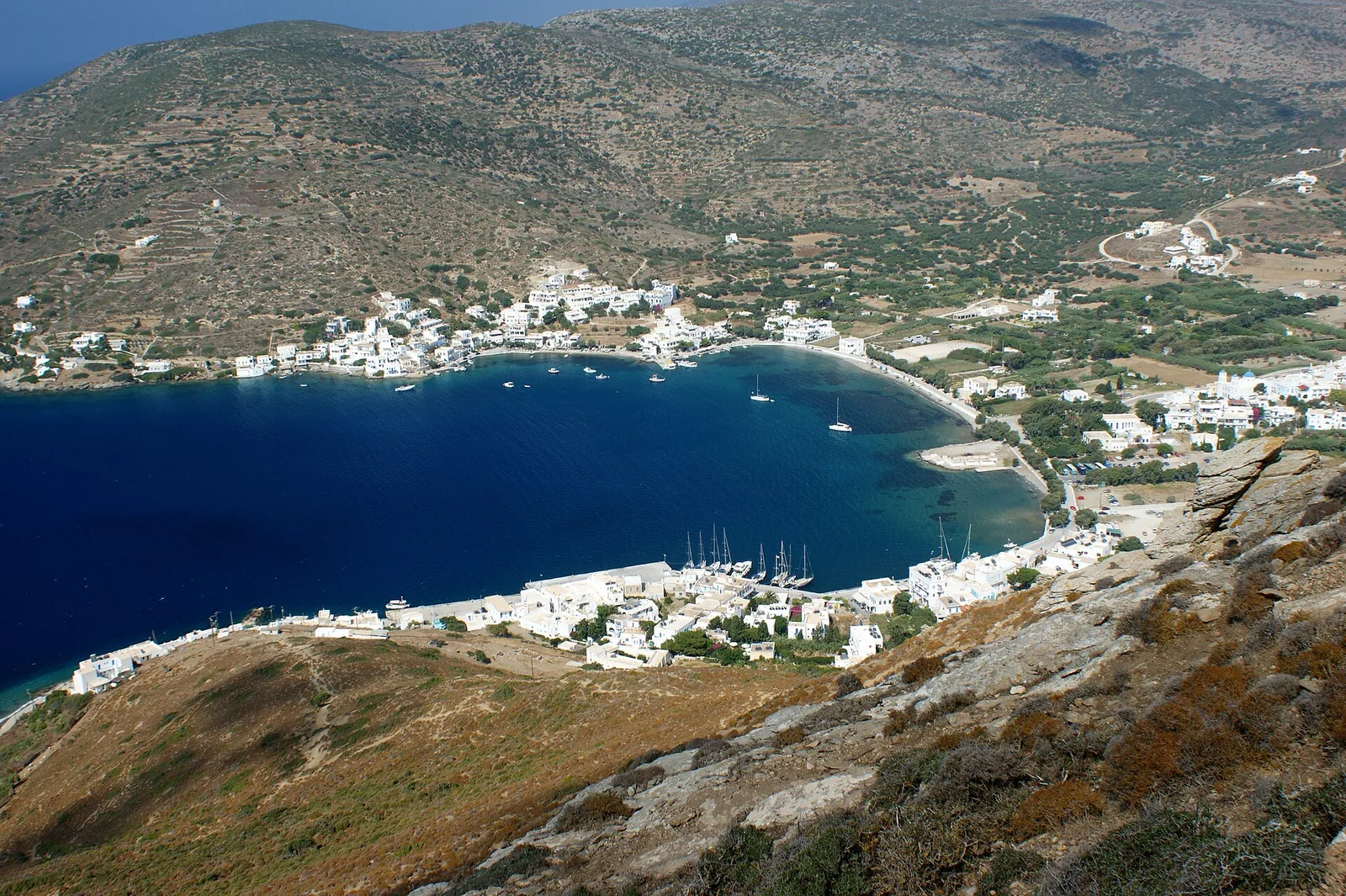
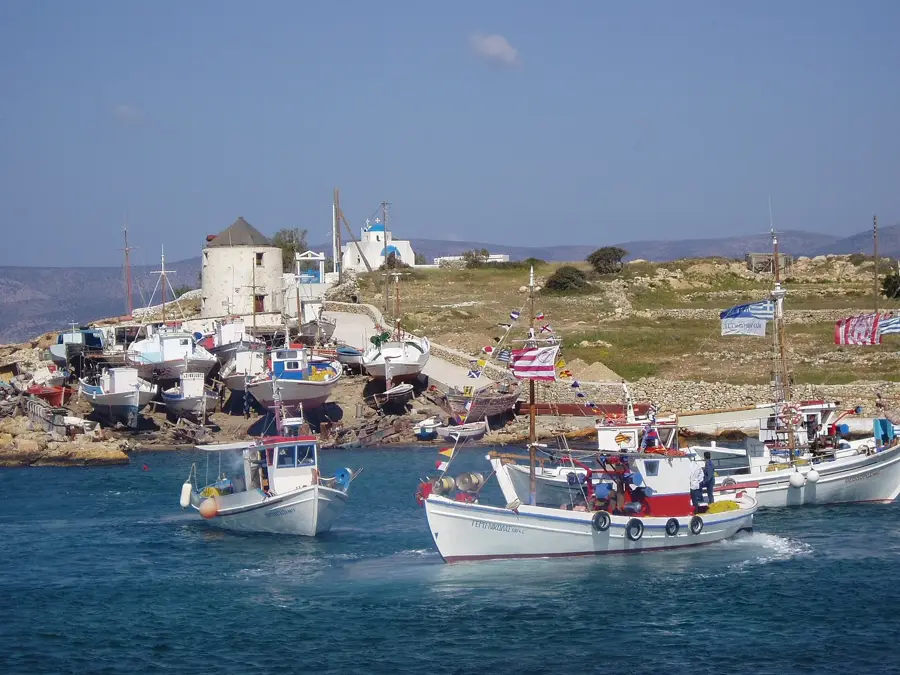
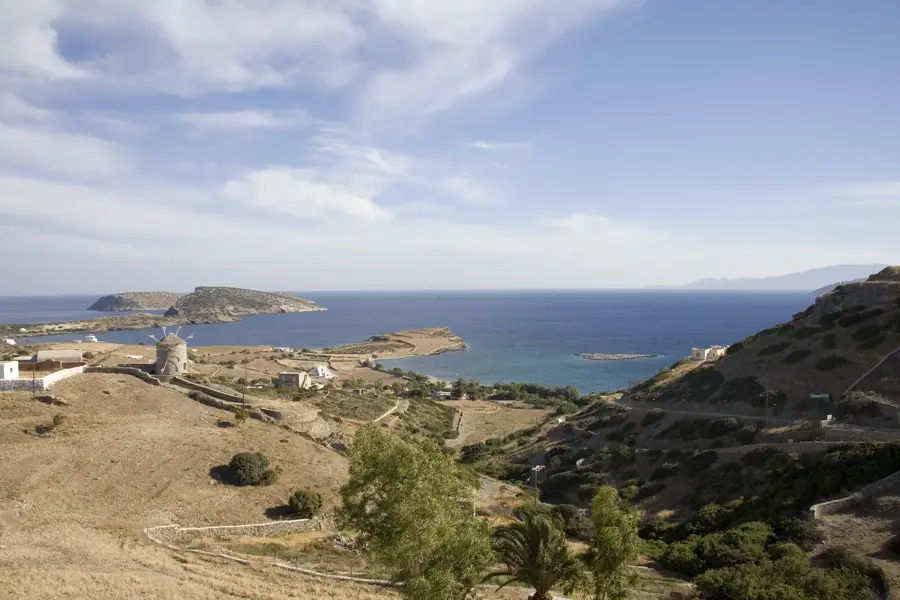
Located in the rugged landscapes of the Cyclades, Ano Potamos is a captivating destination on the island of Amorgos. This traditional village enchants visitors with its whitewashed houses, narrow alleys, and serene atmosphere. It preserves the authentic island lifestyle, offering a peaceful retreat away from the more commercialized tourist spots. The village provides panoramic views of the surrounding mountains and the deep blue Aegean Sea, making it a first-rate spot for nature lovers and hikers. While Ano Potamos itself is tucked away slightly inland, it provides access to some of the most spectacular coastal spots in the region, including Agios Pavlos and the nearby islet of Nikoyria. Agios Pavlos is famous for its striking shingle beach and crystal-clear waters, extending like a tongue into the sea. Just opposite lies the uninhabited island of Nikoyria, which has pristine, secluded beaches accessible via short boat rides, offering an unforgettable and intimate swimming experience. The local culinary scene in Ano Potamos and its surroundings is a true delight, featuring traditional Cycladic recipes, fresh fish, and local specialties like 'rakomelo'. Access to the village and nearby beaches is mostly via local roads winding through the dramatic island terrain. For those exploring Amorgos, Ano Potamos serves as a beautiful and culturally rich base to experience the untouched beauty of the Aegean.
- Location: Greece
- Top sights: Windmill · Windmills · Aigiale
- Nearby: Chora (Amorgos) (10 km)
- Population: ~147
Best time to visit & climate
The most pleasant time to visit is May, Jun, Oct.
| Jan | Feb | Mar | Apr | May | Jun | Jul | Aug | Sep | Oct | Nov | Dec | |
|---|---|---|---|---|---|---|---|---|---|---|---|---|
| Avg °C | 14 | 14 | 15 | 16 | 19 | 23 | 24 | 25 | 24 | 21 | 18 | 15 |
| Rain mm | 109 | 87 | 50 | 29 | 19 | 5 | 2 | 1 | 16 | 40 | 73 | 99 |
Geography
Facts
- Located on Amorgos Island
- Part of the Cyclades
- Aegean Sea coast
- Traditional whitewashed architecture
- Agios Pavlos shingle beach
- Boat access to Nikoyria
- Famous for Rakomelo drink
- Quiet and authentic atmosphere
Explore nearby
Notable places around



Route planner — Car & Motorhome
Where do you start? We build the route here, with stops and country notes along the way.
© OpenStreetMap contributors · OpenRouteService
Sights in the town Ano Potamos (4)
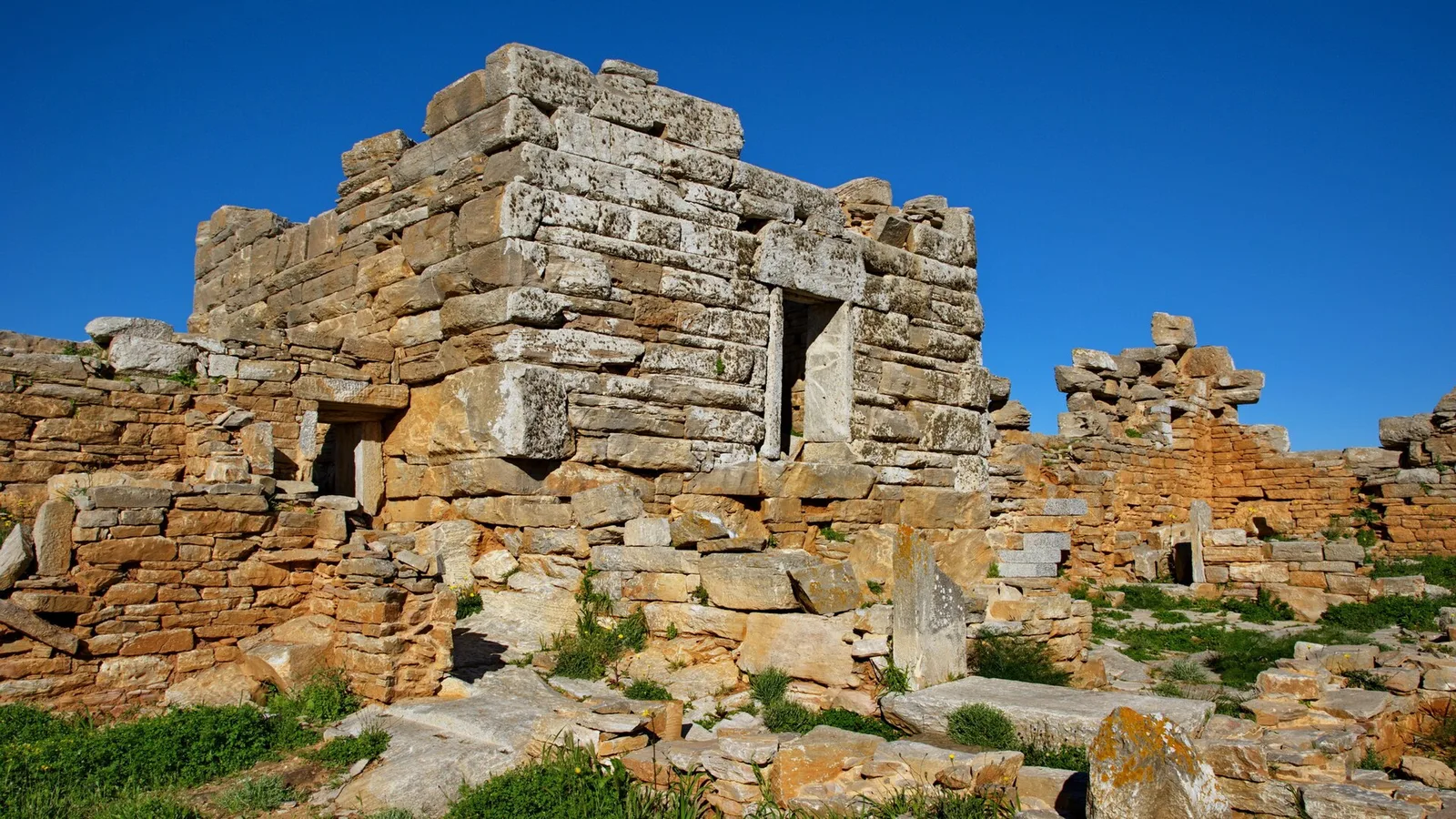
Aigiale
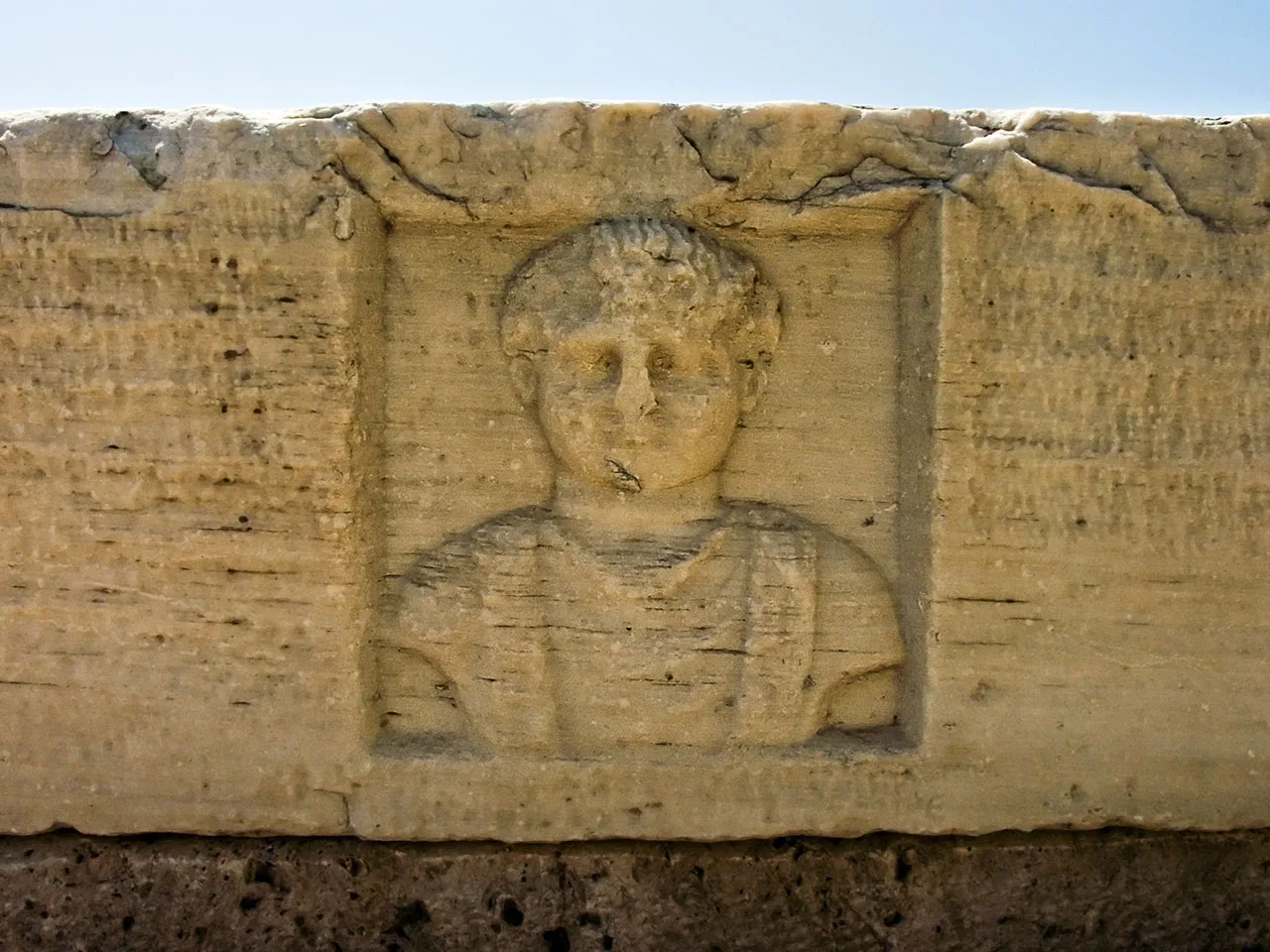
Ancient town on the island of Amorgos, now an archaeological site.
Settlement
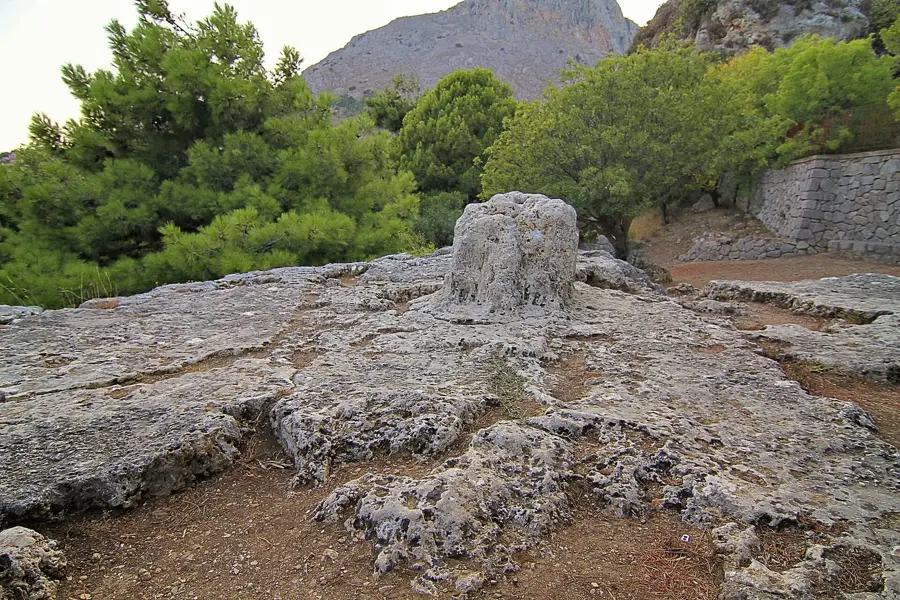
Stone wall remains of an old settlement near Ano Potamos.
Frequently asked questions
Ano Potamos: where is it located?
Ano Potamos: what is there to see?
Ano Potamos: when is the best time to visit?
Ano Potamos: why is it worth visiting?

Nearby cities