Plizio Visual Lab

Akrotiri (Santorini)

Plizio editorial teamData Sources
ruins
—°3
Akrotiri (Santorini) (Greece)

Weather…

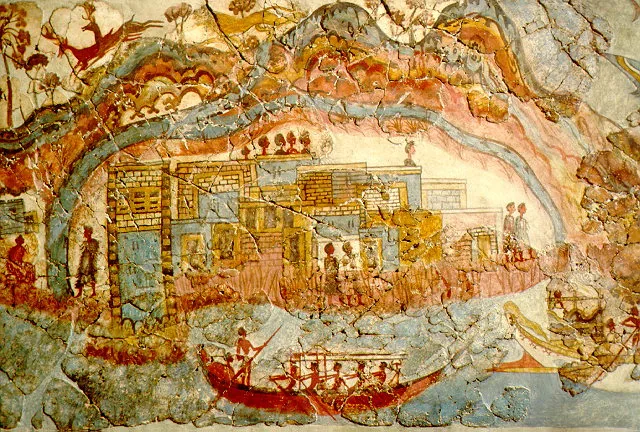
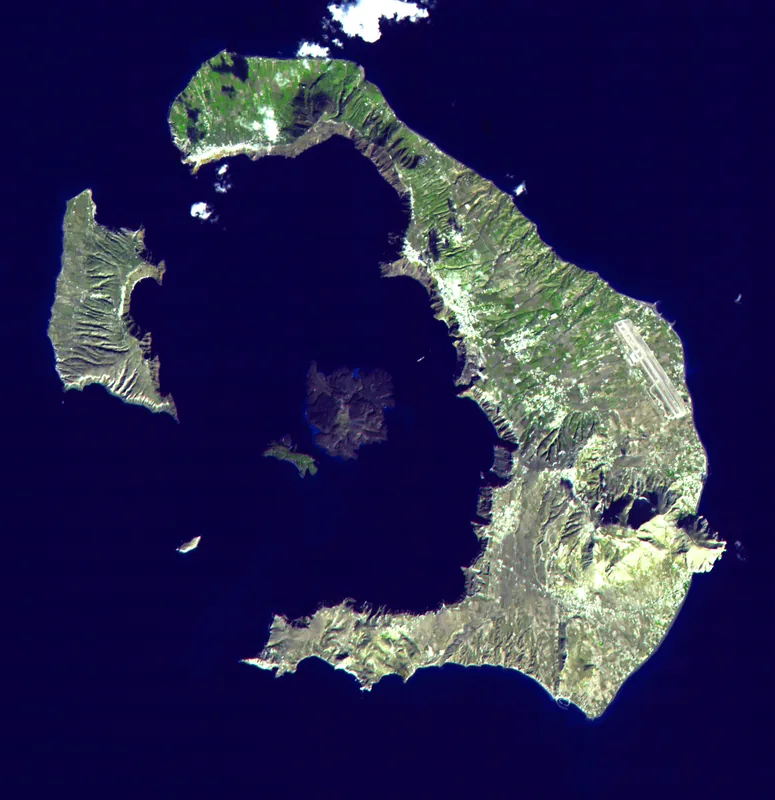
Akrotiri on the island of Santorini is one of the most significant archaeological sites in the Aegean, often referred to as the Minoan Pompeii. This Bronze Age settlement was buried under a thick layer of pumice and volcanic ash around 1627 BC following the catastrophic eruption of the Thera volcano, which ensured its remarkable preservation. Excavations have revealed a highly sophisticated urban layout featuring multi-story buildings, advanced drainage systems, and magnificent wall frescoes that reflect the prosperity of the society. Unlike Pompeii, no human remains were found at the site, suggesting that the inhabitants were able to evacuate in time due to warning signs. Today, the ruins are housed under a modern protective structure, providing deep insights into Minoan culture, maritime trade, and daily life from over 3500 years ago. The findings, particularly the pottery and frescoes such as the Spring Landscape or the Boxers, are of inestimable value to European art history.

Best time to visit & climate

The most pleasant time to visit is May, Jun, Oct.

JanFebMarAprMayJunJulAugSepOctNovDec
Avg °C141415172023252624211815
Rain mm968144261952218446487

📋 Practical info

🚪
Visiting
Akrotiri is a well-preserved Minoan town buried by volcanic ash, now covered by a protective roof. Visitors can walk along elevated walkways over the excavated houses and streets.
🕒
Typical hours
The site usually opens daily from 8:00 am to 3:00 pm in winter, longer in summer. Check for occasional closures due to maintenance.
📷
Photography
Photography for personal use is allowed; flash photography may be restricted to protect frescoes. Drones are not permitted.
⏱️
Time needed
Allocate about 1.5 to 2 hours to walk through the covered site. Combine with a visit to the nearby Red Beach or a wine tasting.
Combine with
Combine with the Red Beach, the Akrotiri Lighthouse, and the village of Akrotiri. Many tours also include a stop at a local winery.
🧭
Getting there
Access by bus or taxi from Fira; the site is on the southern coast of Santorini. There is a parking area for cars and scooters.
💡
Insider tip
Arrive early to avoid the midday crowds and heat. Wear a hat and bring water as the roof can trap some heat; the walkways are shaded.

Geography

Coordinates
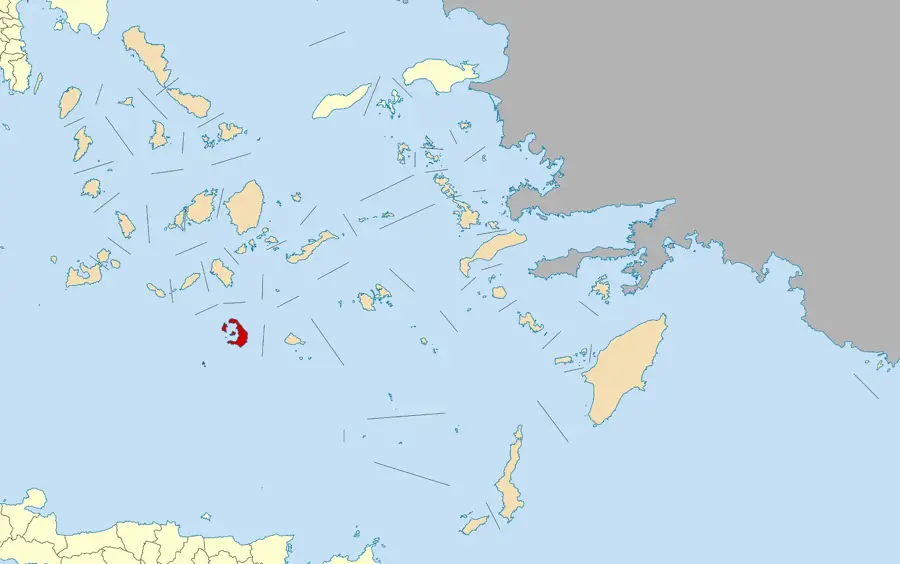
36.35140, 25.40390

Facts

  • The settlement was destroyed by the Minoan eruption around 1627 BC.
  • The volcanic ash layer reached a thickness of up to 60 meters in places.
  • Systematic excavations began in 1967 under the direction of Spyridon Marinatos.
  • Buildings featured advanced indoor toilets connected to a sewage system.
  • No human skeletons were found, suggesting a successful pre-eruption evacuation.
  • Most of the famous frescoes are now kept in the National Museum in Athens.

Explore nearby

Notable places around

Route planner — Car & Motorhome

Where do you start? We build the route here, with stops and country notes along the way.

Vehicle
Only stops with (optional):

© OpenStreetMap contributors · OpenRouteService

Sights in the town Akrotiri (Santorini) (3)

Vlychada beach🎡 recreation

Unique pumice cliffs line the striking Vlychada beach in Akrotiri, giving it an almost moon-like landscape. This stretch of the Santorini coast clearly stands out from ordinary beaches, offering a spectacular panorama for swimmers and photographers. The afternoon hours often bathe the rocks in a fascinating light.

Monolithos Beach🎡 recreation

The dark, soft sand of Monolithos Beach in Akrotiri provides a family-friendly environment on the volcanic island of Santorini. The mostly gently sloping shoreline makes it particularly enjoyable to play or walk along the water's edge. Because the black sand heats up quickly, appropriate footwear is advisable.

Agios Georgios🎡 recreation

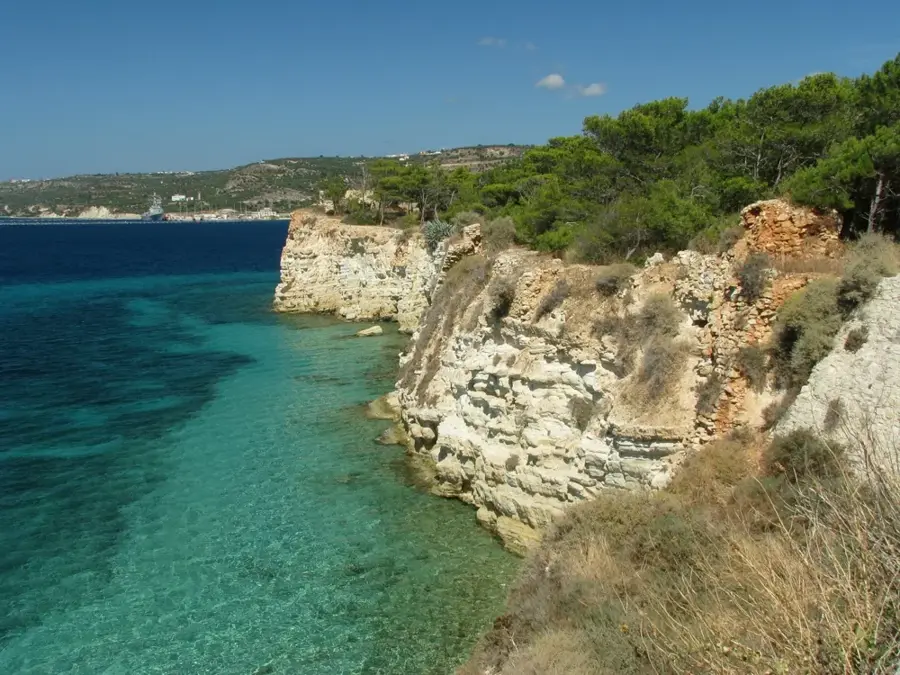
Agios Georgios beach on the Akrotiri peninsula with red cliffs.

Sights nearby

Frequently asked questions

Why is Akrotiri often called the 'Greek Pompeii'?
Because the city was buried under ash by a volcanic eruption in the 16th century BC and thus preserved.
Is the archaeological site covered?
Yes, the entire site is under a modern roof structure that protects against sun and rain.
Can you see the famous frescoes on site?
The originals are mostly in the museum in Fira or in Athens; on site you see the architecture.
Were human remains found in Akrotiri?
Surprisingly no; it is believed that the residents fled in time before the eruption.
Is the site suitable for wheelchair users?
Yes, there are wooden walkways that allow a good view of the excavations and are wheelchair accessible.
Akrotiri (Santorini): where is it located?
Akrotiri (Santorini) is located in Greece.
Akrotiri (Santorini): what is there to see?
Highlights include Vlychada beach, Monolithos Beach, Agios Georgios.
Akrotiri (Santorini): when is the best time to visit?
The most pleasant time to visit is May, Jun, Oct.
Akrotiri (Santorini): why is it worth visiting?
Akrotiri on the island of Santorini is one of the most significant archaeological sites in the Aegean, often referred to as the Minoan Pompeii.
View on map → The Top 50 Attractions → Most beautiful beaches → OpenStreetMap →
Europe
Explore with Plizio Discover more places in Europe
More places in Greece →

Nearby cities

History & landmarks