Plizio Visual Lab

Bia National Park
Plizio editorial teamData Sources
Forest
—°1
Bia National Park (Ghana)

Weather…

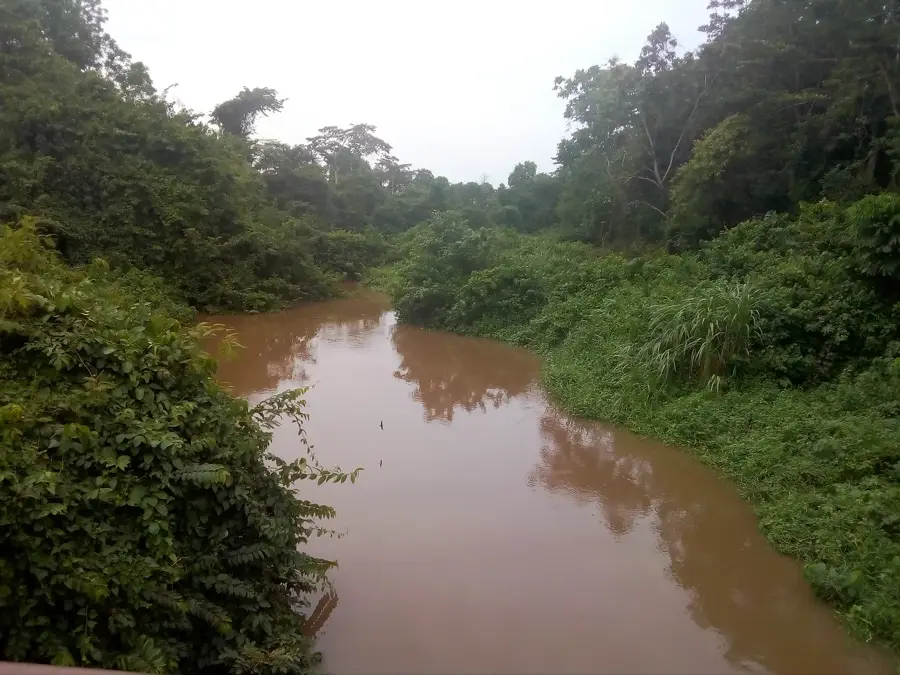
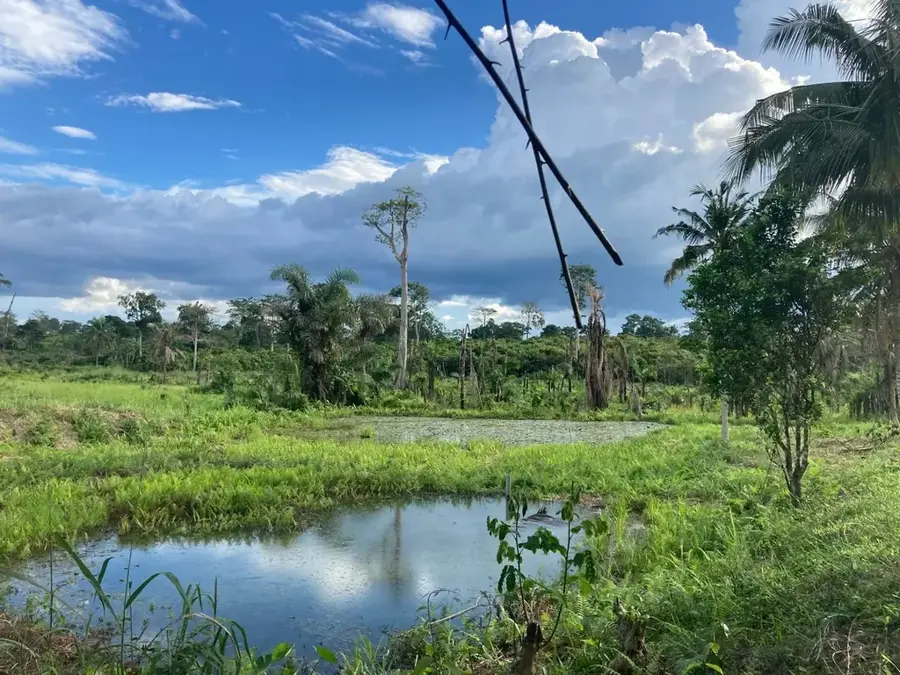
Bia National Park and its associated Resource Reserve are located in western Ghana near the Ivory Coast border, covering an area of approximately 563 square kilometers. Originally established as a forest reserve in 1935, it achieved national park status in 1974 to safeguard its rich biological heritage. In 1983, UNESCO designated Bia as a Biosphere Reserve, highlighting its international importance as a remnant of the Upper Guinean forest ecosystem. The park is renowned for its towering emergent trees, some reaching heights of over 60 meters, which provide a complex habitat for over 60 mammal species. These include forest elephants, chimpanzees, and several rare species of monkeys, as well as more than 160 recorded bird species. Geographically, the park is characterized by undulating hills that form part of the catchment area for the Bia River's tributaries. Bia serves as an essential laboratory for tropical forestry research and genetic conservation. Despite pressures from encroaching cocoa farming, it remains a critical fortress for biodiversity and a testament to Ghana's long-term conservation history.

Best time to visit & climate

The most pleasant time to visit is Jan, Aug, Dec.

JanFebMarAprMayJunJulAugSepOctNovDec
Avg °C272827272625242425262626
Rain mm1653124140184249123661392129732

📋 Practical info

🧭
Getting there
Reaching this biosphere reserve generally involves overland travel through the western region of Ghana. The final approach to the park's entrance typically requires navigating unpaved forest roads in a sturdy, reliable vehicle.
📅
Best season
The drier months are usually the best time to visit, as forest trails become significantly less muddy and more accessible. This period generally increases the chances of spotting rare primate species moving within the dense undergrowth.
⛰️
Terrain & paths
The park consists of primary and secondary rainforest environments with a complex network of trekking paths. Visitors should expect high humidity, uneven forest floors, and tangled roots requiring careful steps during their jungle hikes.
🎒
What to bring
Lightweight, long-sleeved clothing is crucial to protect against insect bites and scratches from dense forest vegetation. Sturdy hiking boots, strong insect repellent, and binoculars for spotting high-canopy primates are highly recommended.
🅿️
Parking
Vehicles are usually left at the official park headquarters or designated ranger stations situated near the main entrance. From these secure base points, visitors typically proceed into the protected forest areas exclusively on foot with a guide.
⚠️
Safety
Exploring a dense biosphere reserve requires staying strictly on marked paths and following the instructions of official park guides. Visitors should be cautious of wildlife, potentially dangerous insects, and the risk of getting lost in the thick environment.
⏱️
Time needed
A meaningful visit to track rare primate species and properly explore the diverse forest typically requires at least a full day of guided hiking. Serious wildlife enthusiasts often spend multiple days in the area to maximize their chances of sightings.

Geography

Coordinates
6.55000, -3.06670

Facts

  • UNESCO Biosphere Reserve since 1983
  • Total area of approx. 563 km²
  • Established as a forest reserve in 1935
  • Home to over 60 species of mammals
  • Sanctuary for wild chimpanzee populations
  • Features emergent trees over 60 meters tall

Explore nearby

Notable places around
Route planner — Car & Motorhome

Where do you start? We build the route here, with stops and country notes along the way.

Vehicle
Only stops with (optional):

© OpenStreetMap contributors · OpenRouteService

Sights in the town Bia National Park (1)

Bia National Park and Resource Reserve🌿 nature

Bia National Park and Resource Reserve protects a pristine forest tract known for harboring rare primates and forest elephants.

Sights nearby

Frequently asked questions

What is the status of Bia National Park?
It is both a national park and a UNESCO Biosphere Reserve.
What animals live in Bia forest?
The park protects forest elephants, chimpanzees, and over 160 bird species.
Is there virgin forest there?
Yes, Bia contains some of the last remnants of primary forest in West Africa with gigantic trees.
How do you get to Bia?
Access is via Sefwi-Wiawso in the Western North Region, mostly on unpaved roads.
Is photography allowed?
Yes, nature photography is allowed, but flash should be avoided around wildlife.
Bia National Park: where is it located?
Bia National Park is located in Ghana.
Bia National Park: when is the best time to visit?
The most pleasant time to visit is Jan, Aug, Dec.
Bia National Park: why is it worth visiting?

Bia National Park and its associated Resource Reserve are located in western Ghana near the Ivory Coast border, covering an area of approximately 563 square kilometers.
View on map → The Top 50 Attractions → OpenStreetMap →
Africa
Explore with Plizio Discover more places in Africa
More places in Ghana →

Nearby cities

Nature

More places