Plizio Visual Lab
Bettié

ℹ️Practical info — Bettié
▾
🌤 Weather — 5 days
📍 Nearby
Sights nearby
💡 Tips
- Learn a few basic greetings in French or the local Agni language; respect for elders is deeply ingrained here.
- Always carry CFA francs in cash, as card payments are virtually useless in this rural town.
- Travel is generally easier during the dry season, as dirt roads in the region can become very muddy.
- Dress modestly but in breathable fabrics, as the climate is very hot and humid year-round.
🍽 Food
A highly popular street food of attiéké (cassava couscous) and fried tuna, usually found at local open-air stalls.
Try this heavy, traditional dish of pounded plantain and cassava with a rich sauce at a local 'maquis' (eatery).
Visit a lively local maquis in the evening for deliciously seasoned chicken grilled over an open fire.
🛍 Shopping · 🧘 Quiet spots
Explore the local market to see raw agricultural products, as this is a major cocoa-producing region.
Look for vendors selling brightly colored traditional West African textiles in the central market area.
Take a quiet stroll down to the river to watch small pirogues (canoes) passing by in the calm waters.
Rest under the large, old trees often found in the center of neighborhoods, where locals gather to talk.
Water temperature…
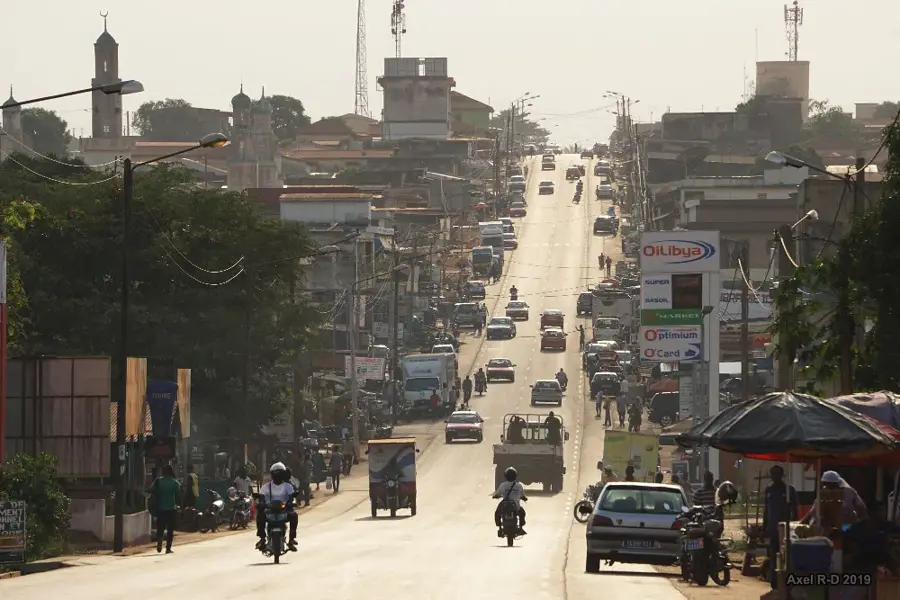
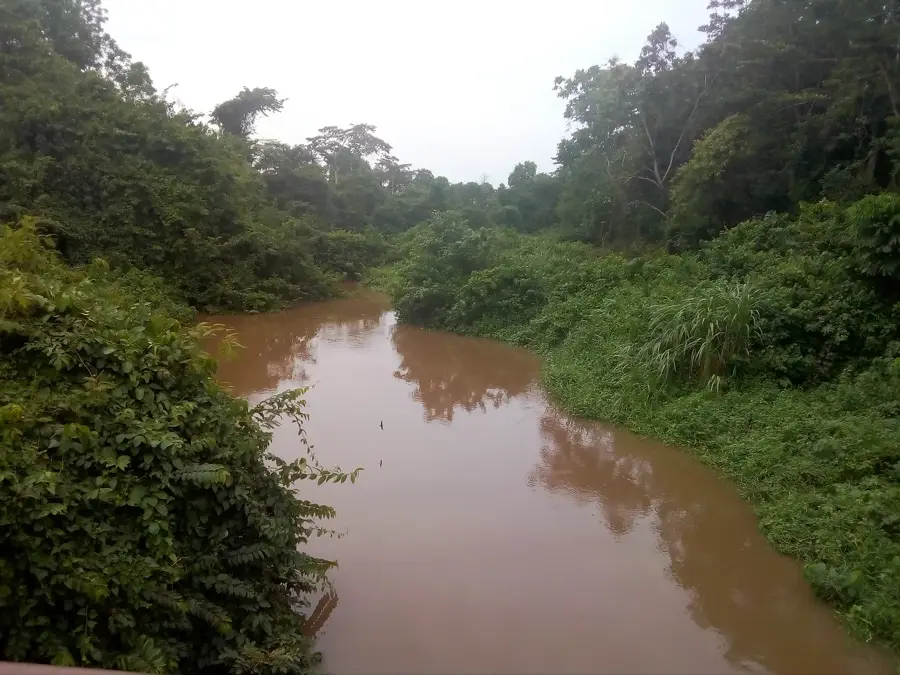
Bettié is a scenic town in eastern Ivory Coast, situated along the banks of the majestic Comoé River within the Indénié-Djuablin Region. The town is primarily known for its extensive rubber (hevea) plantations, which significantly define both the local landscape and the economy. Historically, Bettié served as an important trading post during the colonial era, a legacy that remains visible in some of its architectural vestiges. Its geographical position on the river not only provides fertile alluvial soil for agriculture but also acts as a natural transport route for local goods. The population is predominantly Agni, a group that maintains rich cultural traditions, including animated festivals and a deep-seated respect for their traditional leadership. Beyond rubber, the economy relies on cocoa and coffee cultivation, as well as fishing in the Comoé River. Recently, improvements to the road connection to Abengourou have reduced the town's relative isolation, opening new avenues for regional trade. Bettié remains a place of tranquility and tradition, distinguished by the natural beauty of the river and its lush surroundings.
- Location: Côte d’Ivoire
- Nearby: Afféry (64 km)
- Population: ~10.960 (2023)
Best time to visit & climate
The most pleasant time to visit is Jan, Aug, Dec.
| Jan | Feb | Mar | Apr | May | Jun | Jul | Aug | Sep | Oct | Nov | Dec | |
|---|---|---|---|---|---|---|---|---|---|---|---|---|
| Avg °C | 27 | 28 | 27 | 27 | 26 | 25 | 24 | 25 | 25 | 26 | 26 | 26 |
| Rain mm | 20 | 59 | 126 | 146 | 182 | 252 | 110 | 57 | 120 | 202 | 109 | 42 |
Geography
Facts
- Located directly on the banks of the Comoé, one of the country's longest rivers.
- A major center for the production of natural rubber (hevea).
- Home to the Agni people and their strong traditional social structures.
- Served as a historical outpost for trade in eastern Ivory Coast.
- Features a significant local river fishing industry.
- Connected to the regional capital Abengourou by a modernized highway.
Explore nearby
Notable places around

Route planner — Car & Motorhome
Where do you start? We build the route here, with stops and country notes along the way.
© OpenStreetMap contributors · OpenRouteService
Sights in the town Bettié (1)
Frequently asked questions
What is Bettié?
How long should you stay there?
Which time is best?
How to get there?
What is nearby?
Bettié: where is it located?
Bettié: when is the best time to visit?
Bettié: why is it worth visiting?