Plizio Visual Lab

Werl

Plizio editorial teamData Sources
City
—°1613
Werl (Germany)
ℹ️

Practical info — Werl

🌤 Weather — 5 days

📍 Nearby

Sights nearby

💡 Tips

  • Visit the Pilgrimage Basilica (Wallfahrtsbasilika) early in the morning to avoid pilgrimage groups and enjoy the atmosphere in peace.
  • The cobblestones in the old town can be uneven; wear comfortable, flat footwear for strolling.
  • Take a deep breath at the salt graduation tower (Gradierwerk) in the Kurpark; the salty air is considered especially soothing for the respiratory tract.
  • On major pilgrimage days, parking in the center fills up quickly; use the Park-and-Ride facilities on the outskirts of town.

🍽 Food

🍽
Westphalian Pfefferpotthast

Look for this hearty Westphalian beef stew in the traditional restaurants of the old town.

🍽
Bakeries near the Basilica

Try local pastries or salty bread specialties, which often allude to the town's historical salt production.

🍽
Cafés in the pedestrian zone

Stop in the afternoon for a large slice of cake and fresh coffee overlooking the bustle of Steinerstraße.

🛍 Shopping · 🧘 Quiet spots

🛍
Pilgrimage souvenirs

Around the Basilica you will find small shops offering candles, icons, and other religious souvenirs.

🛍
Werl salt products

Look out for local Werl salt or salt-based care products, a beautiful reminder of the town's history.

🛍
Pedestrian zone

The main shopping street provides owner-managed boutiques, well-suited for a leisurely shopping stroll.

🧘
Werler Kurpark

Sit on a bench near the salt graduation tower and listen to the trickling of the brine.

🧘
Stadtwald (City Forest)

A vast forest area on the edge of town, first-rate for undisturbed nature walks away from the center.

🧘
Parkfriedhof

A park-like, historic cemetery with mature trees that radiates peace.

Highlights of 2026

1

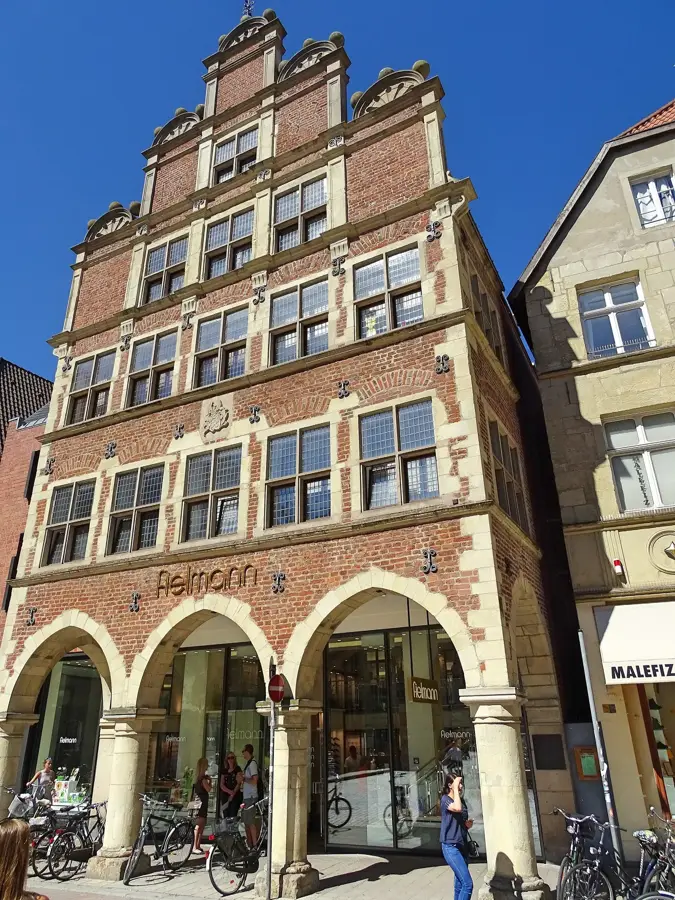
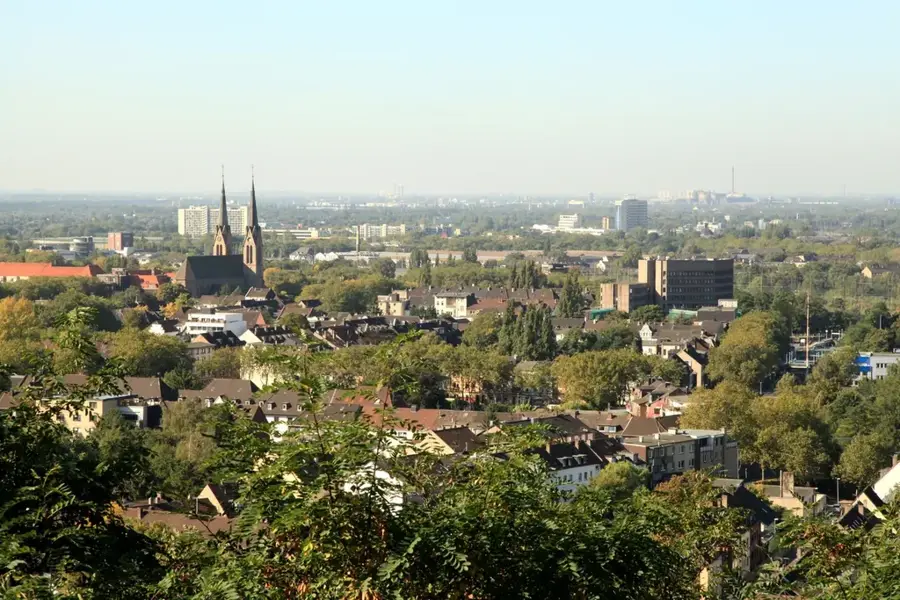
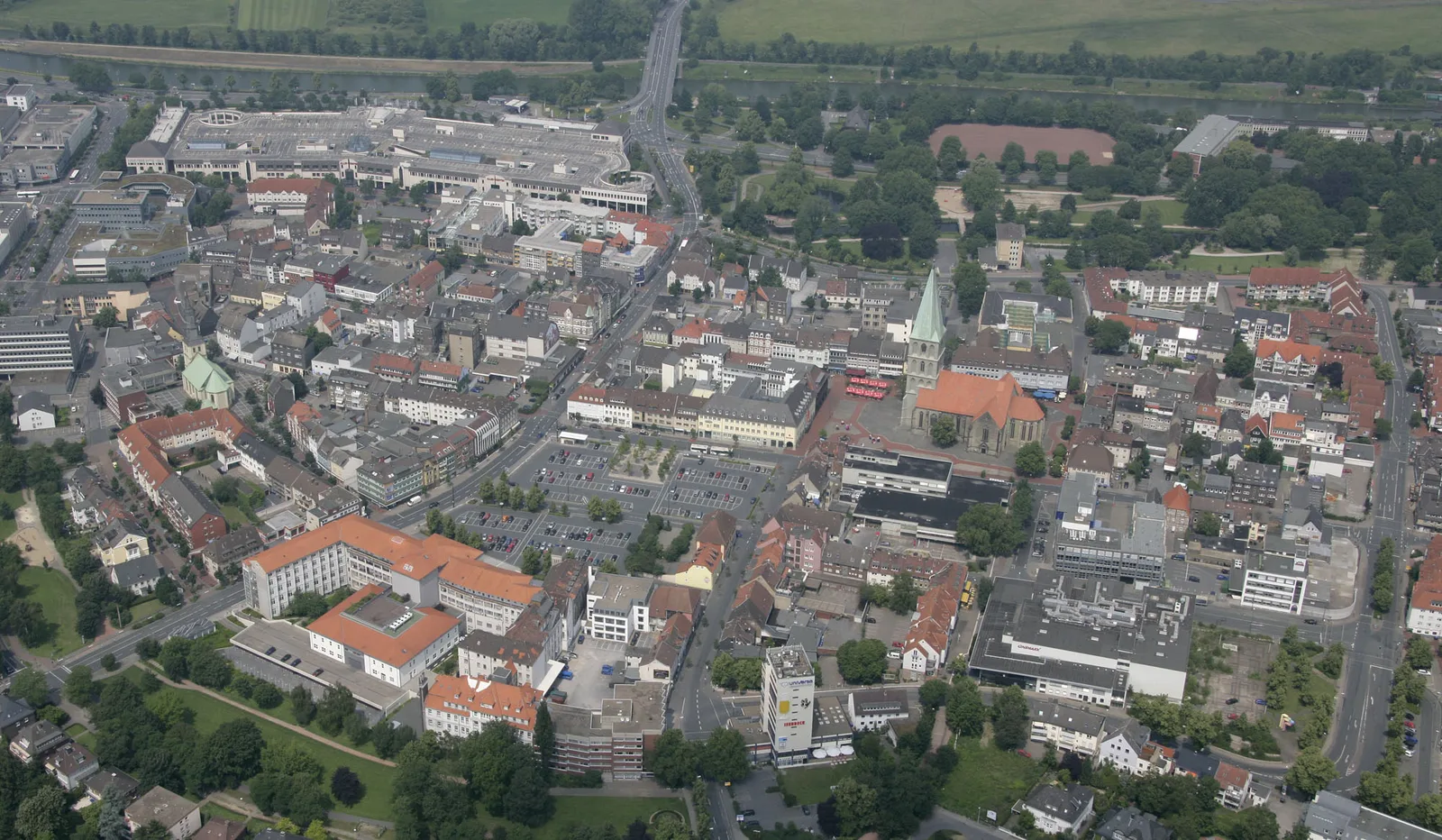
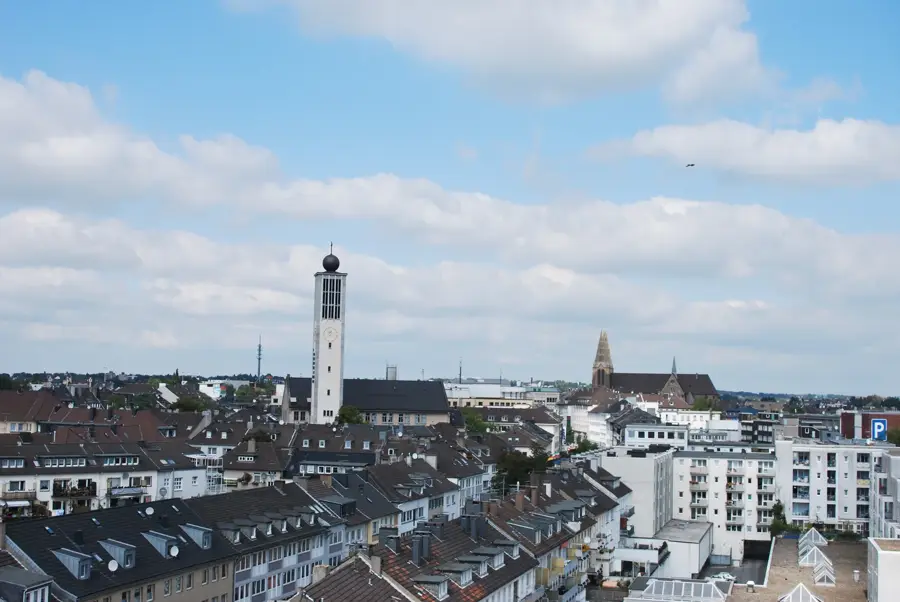
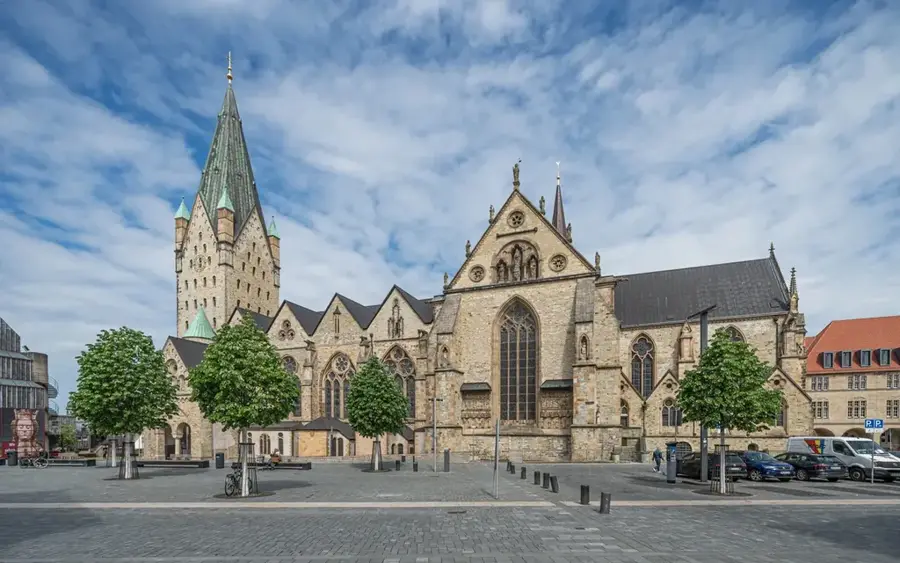
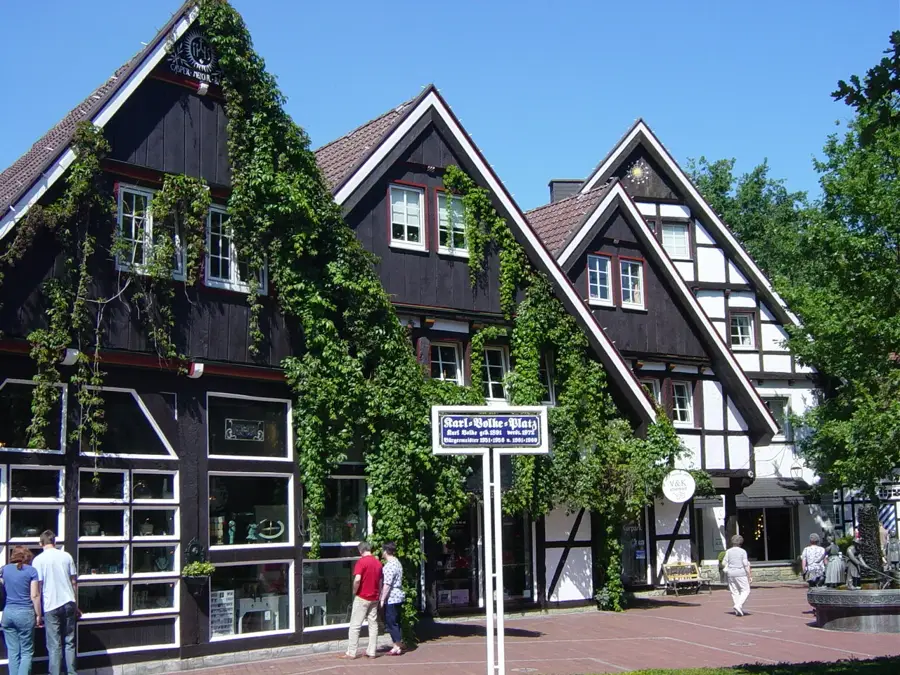
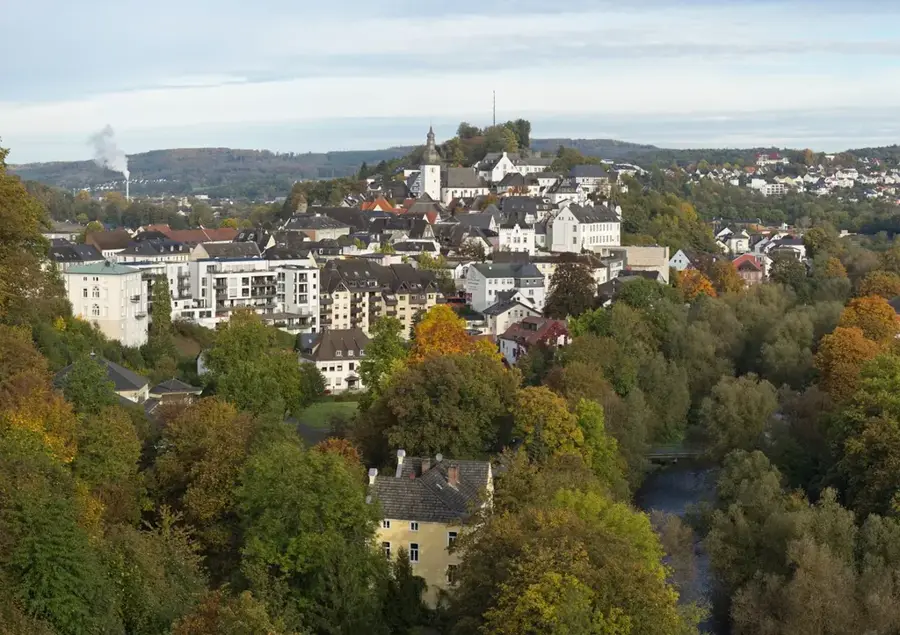
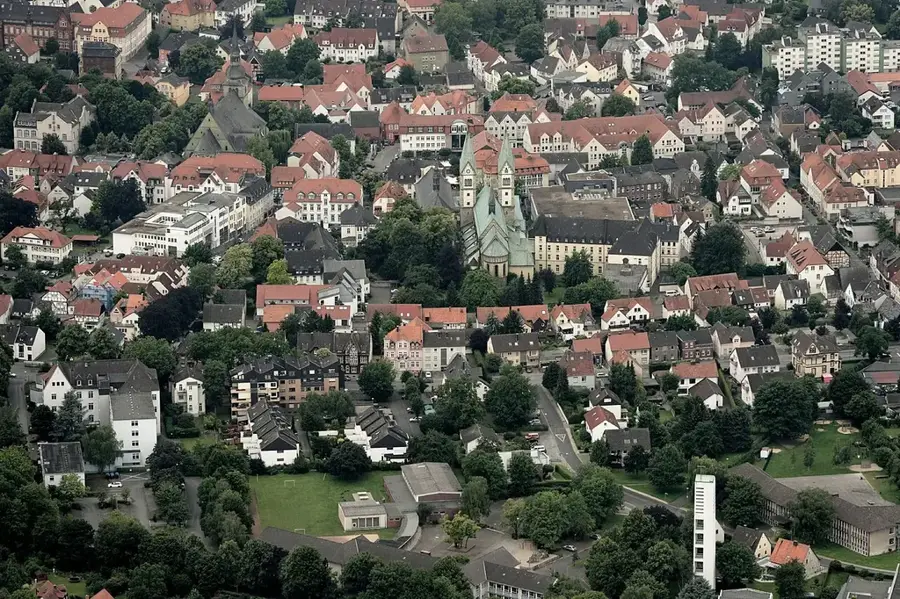
Known primarily as one of Germany's most significant pilgrimage destinations, the town of Werl features a rich history intertwined with both religious devotion and ancient salt production. The focal point of the town is the grand Basilica of the Visitation (Wallfahrtsbasilika), which houses a revered 12th-century wooden statue of the Virgin Mary, drawing hundreds of thousands of pilgrims each year. Beyond its spiritual significance, Werl features a compact historic center characterized by traditional half-timbered houses and pedestrian streets well-suited for a leisurely stroll. Visitors can delve into the town's past at the local museum, which details its centuries-old tradition of salt boiling, an industry that profoundly shaped the region's early economy. The landscaped Kurpark provides a tranquil green oasis right in the heart of the town, featuring a historic graduation tower structure that recreates the bracing, salty air of the sea coast. With its Westphalian hospitality, historical layers, and serene atmosphere, Werl provides a remarkably diverse experience for those exploring the transitional zone between the Ruhr area and the Sauerland.

Best time to visit & climate

The most pleasant time to visit is Jun–Aug.

JanFebMarAprMayJunJulAugSepOctNovDec
Avg °C014912161918141052
Rain mm856360477070837965647582

Geography

Population
32,149
Coordinates
51.55280, 7.91390

Facts

  • Area: 76.35 square kilometers.
  • Elevation: 70–155 meters above sea level.
  • Pilgrimage: Approx. 100,000 pilgrims per year.
  • Architecture: Neo-Romanesque Pilgrimage Basilica.
  • History: Hanseatic city since the 14th century.
  • Infrastructure: Access to motorways A44 and A445.

Explore nearby

Notable places around

Route planner — Car & Motorhome

Where do you start? We build the route here, with stops and country notes along the way.

Vehicle
Only stops with (optional):

© OpenStreetMap contributors · OpenRouteService

Sights in the town Werl (6)

Basilica of the Visitation

A magnificent pilgrimage church that draws visitors from all over Europe to its sacred Marian shrine.

Werl Kurpark

A beautiful spa park featuring a historic graduation tower used for traditional saline air therapy.

Werl Castle Ruins

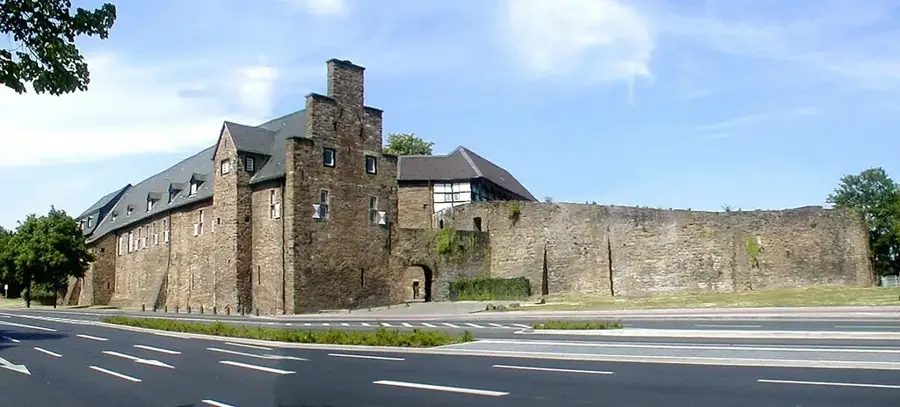
The remnants of a 16th-century fortification, once the residence of the Archbishops of Cologne.

Am Rykenberg City Museum

Housed in a 14th-century timber-framed building, it features insights into Werl's salt-mining history.

Haus Lohe🏰 castle

A historic manor house in Werl with origins dating back to the late Middle Ages.

Museum Forum der Völker🏛 museum

An ethnological museum in Werl founded by Franciscans, showcasing non-European cultures.

Frequently asked questions

Why is Werl known as a pilgrimage site?
Werl houses the miraculous image of the 'Consoler of the Afflicted'. It is one of the most important Marian pilgrimage sites in Germany.
What are the 'Westfälische Salzwelten'?
It is an interactive museum showing the history of salt production in Werl. Visitors can boil their own salt and conduct experiments.
Is the Kurpark worth visiting?
Yes, the park features a graduation tower for outdoor brine inhalation and gives relaxation on well-kept paths and lawns.
How old is the historic old town?
Many half-timbered houses date from the 16th to the 19th centuries. Highlights include the historic town hall and the Old Pilgrimage Church.
What other museums are there besides the salt museum?
The Forum der Völker is the largest ethnological museum in Westphalia, with impressive exhibits from Asia, Africa, and Oceania.
Werl: where is it located?
Werl is located in North Rhine-Westphalia, Germany.
Werl: what is there to see?
Highlights include Basilica of the Visitation, Werl Kurpark, Werl Castle Ruins.
Werl: when is the best time to visit?
The most pleasant time to visit is Jun, Aug.
Werl: why is it worth visiting?
Known primarily as one of Germany's most significant pilgrimage destinations, the town of Werl features a rich history intertwined with both religious devotion and ancient salt production.
View on map → The Top 50 Attractions → Most beautiful beaches → OpenStreetMap →
Europe
Explore with Plizio Discover more places in Europe
More places in Germany →

Nearby cities