Plizio Visual Lab

Gevelsberg

Plizio editorial teamData Sources
City
—°2114
Gevelsberg (Germany)
ℹ️

Practical info — Gevelsberg

🌤 Weather — 5 days

📍 Nearby

Sights nearby

💡 Tips

  • The annual Gevelsberg Fair (Kirmes) is a major event; expect the city center to be crowded and partly closed to traffic.
  • Explore the city center around Mittelstraße, which has a surprising variety of owner-operated shops and cafes.
  • Parking can be tight during events, but the parking garages near the train station usually have free spots.
  • The Ennepe-Ruhr area is hilly; wear sturdy shoes if you plan to walk beyond the main shopping street.
  • Public transport connections to nearby Wuppertal and Hagen are excellent, making it a good base for regional exploration.

🍽 Food

🍽
Pfefferpotthast (Westphalian stew)

Look for traditional inns (Gasthäuser) near the city center to try this slow-cooked meat dish.

🍽
Bergische Kaffeetafel

Found in traditional cafes on the outskirts, often served as a feast with waffles and cherries.

🍽
Local Beer

Try regional beer specialties at the cozy pubs along the main street.

🛍 Shopping · 🧘 Quiet spots

🛍
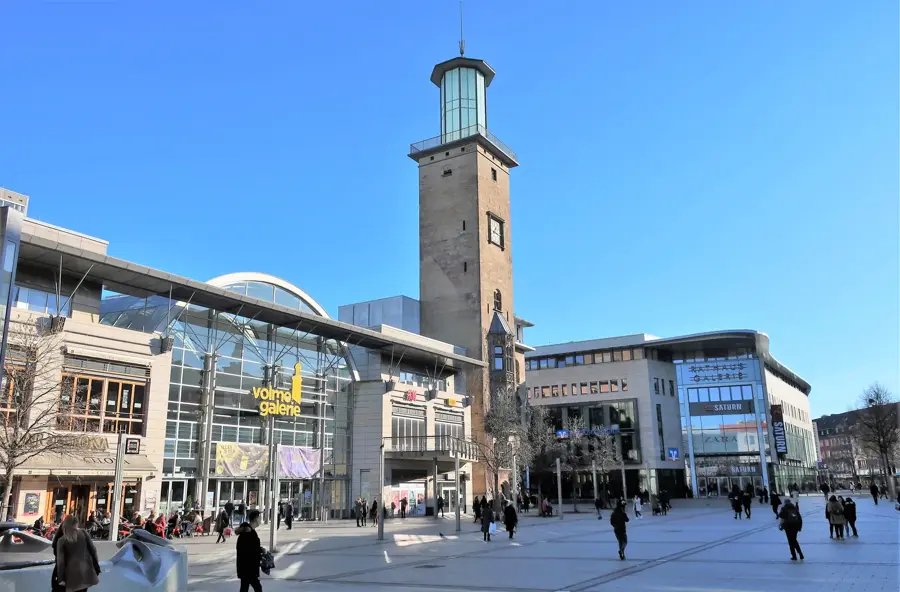
Mittelstraße

The central pedestrian zone gives a good selection of fashion boutiques and local shops.

🛍
Weekly Market (Wochenmarkt)

Held in the city center, it is excellent for fresh regional produce and baked goods.

🧘
Ennepebogen

A park along the Ennepe river offering a peaceful walking path and lovely green spaces.

🧘
Stadtwald (City Forest)

Good for longer hikes and escaping the city noise, easily accessible from the center.

Highlights of 2026

2

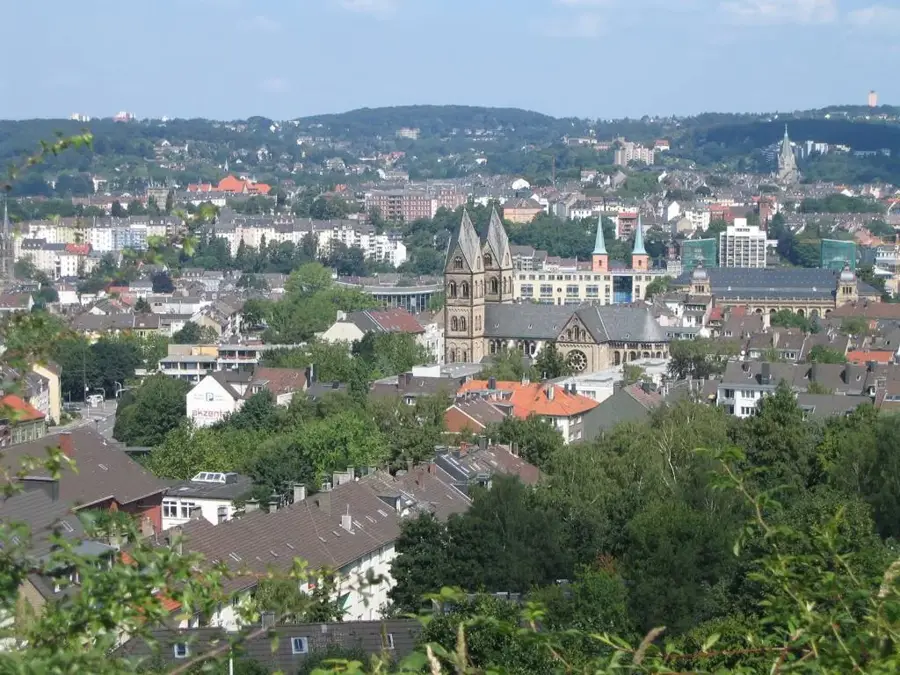
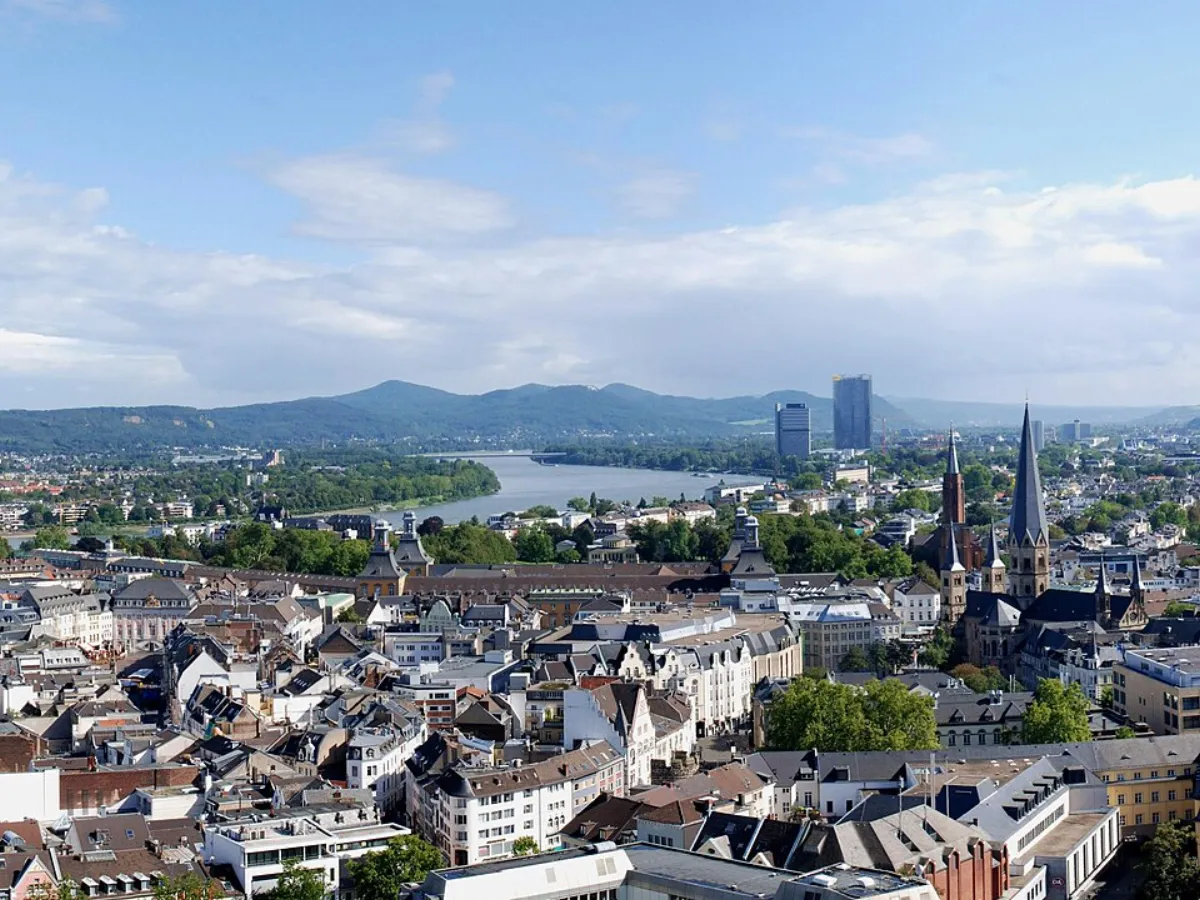
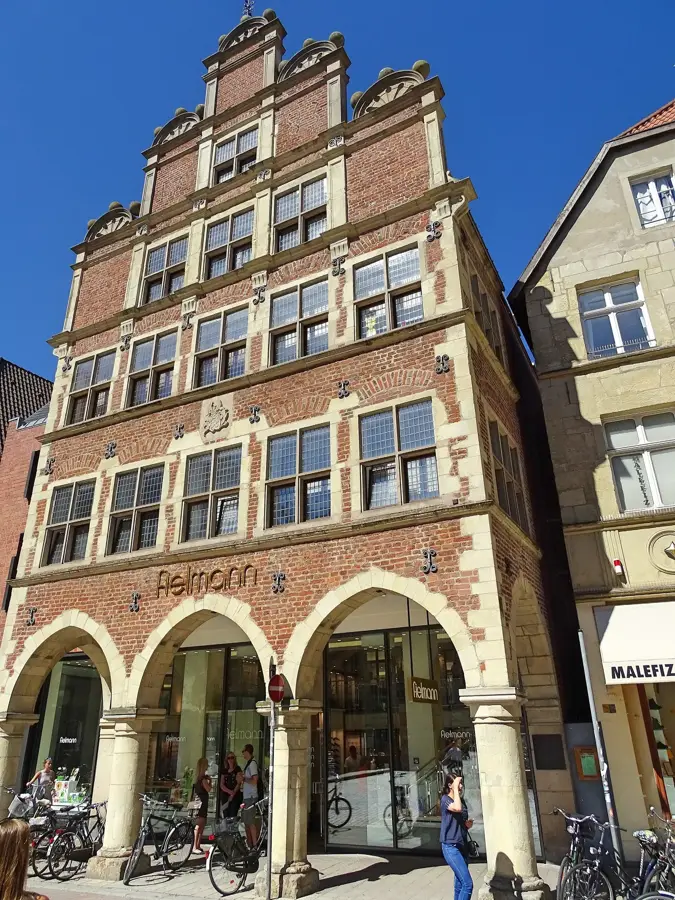
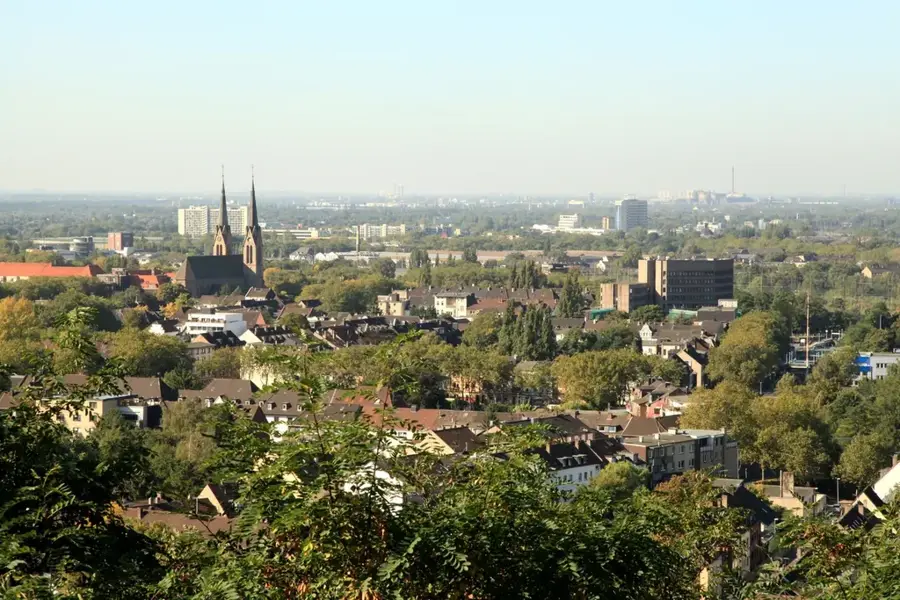
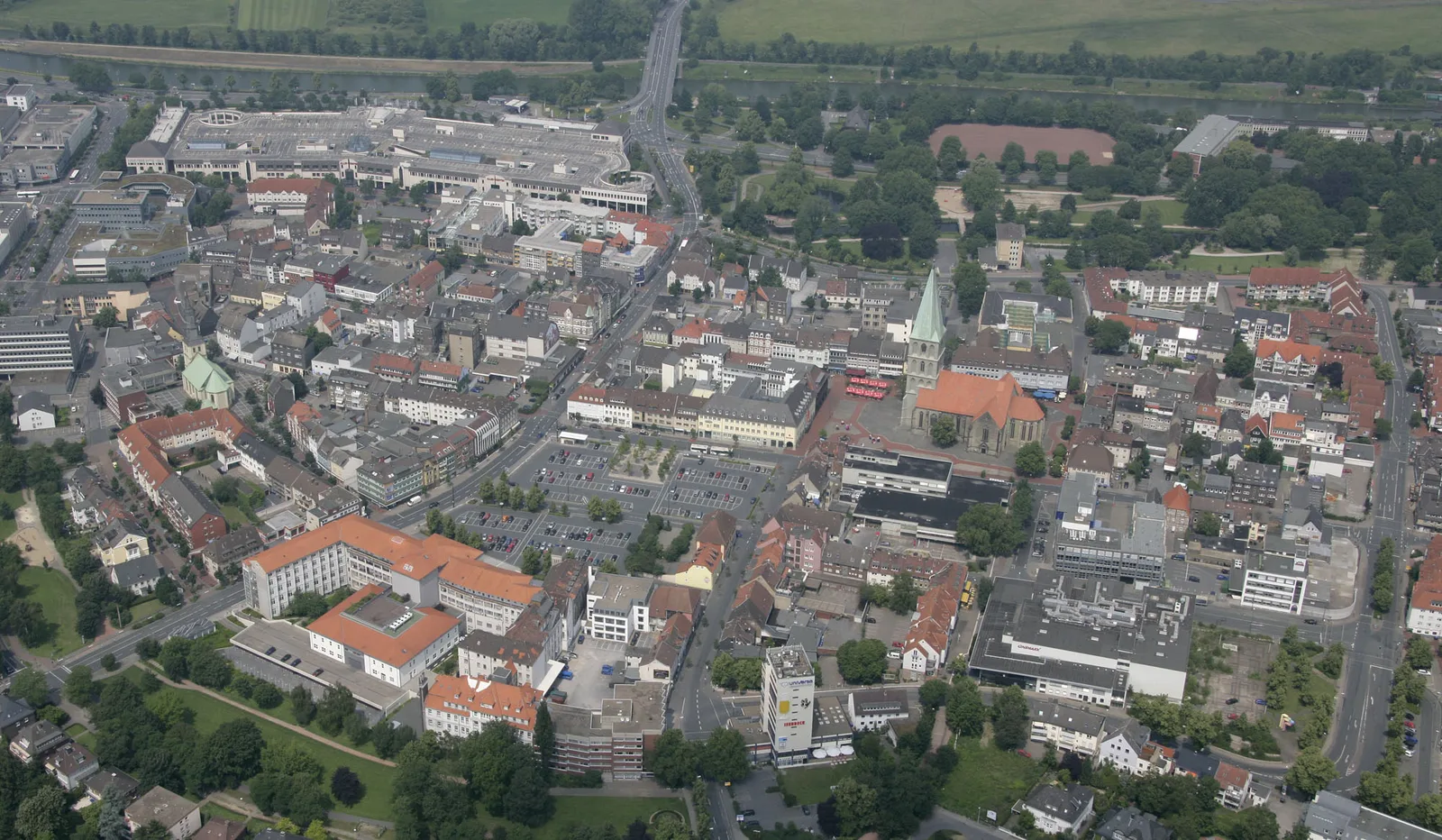
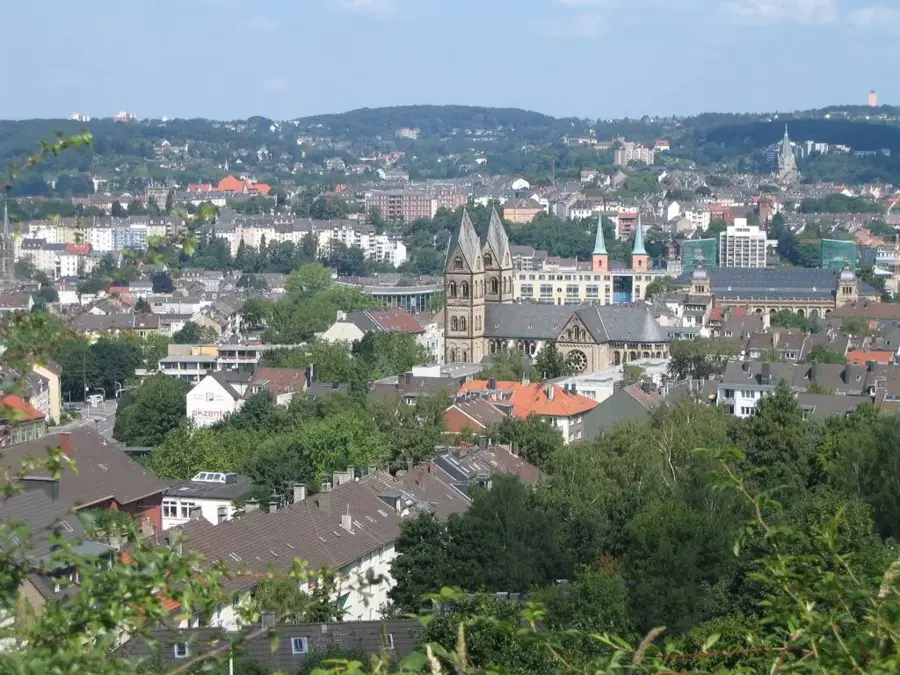
Gevelsberg, located in the Ennepe-Ruhr district between the Ruhr area and the Bergisches Land, is a city with a turbulent history and a strong industrial heartbeat. The city's founding is tied to a 13th-century tragedy: the murder of Archbishop Engelbert of Cologne in 1225, which led to the establishment of a monastery that spurred urban growth. During the 19th and 20th centuries, Gevelsberg emerged as a significant center for the iron and metal industries, a legacy that remains visible in its diverse manufacturing landscape today. One of its most famous attractions is the Gevelsberg Fair (Kirmes), widely known as the world's steepest fair due to its location on a steep hillside. The city center has been revitalized, with the Mittelstraße serving as a spirited pedestrian zone for shopping and dining. Excellent transport links provide easy access to the nearby cities of Hagen and Wuppertal. Surrounded by the forested hills of the Bergisches Land, Gevelsberg provides a blend of industrial dynamism and natural beauty, making it a key regional center in North Rhine-Westphalia.

Best time to visit & climate

The most pleasant time to visit is Jun–Aug.

JanFebMarAprMayJunJulAugSepOctNovDec
Avg °C125913171918151062
Rain mm917064476971838467698190

Geography

Population
32,664
Coordinates
51.32650, 7.35590

Facts

  • Murder of Archbishop Engelbert on November 7, 1225.
  • The fair route features a gradient of up to 12%.
  • Gevelsberg is served by three railway stations.
  • The city area covers approximately 26 square kilometers.
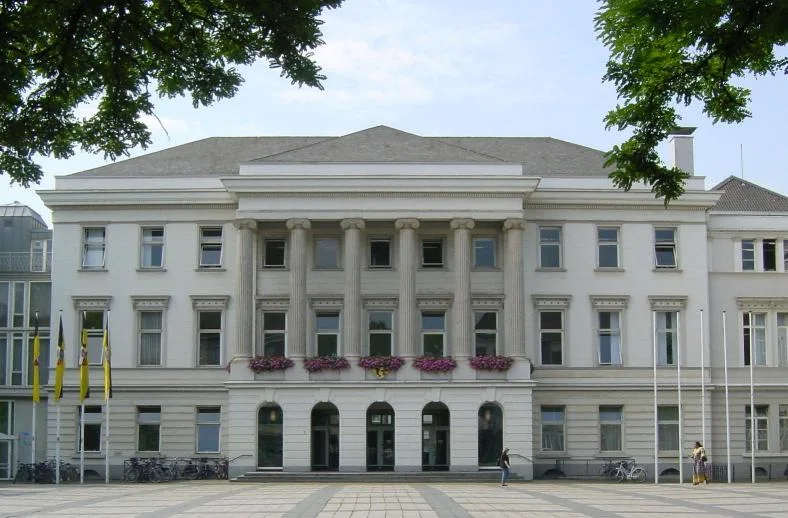
  • The historic city hall houses the municipal administration.
  • Major hub for cold rolling mills and forging technology.

Explore nearby

Notable places around

Route planner — Car & Motorhome

Where do you start? We build the route here, with stops and country notes along the way.

Vehicle
Only stops with (optional):

© OpenStreetMap contributors · OpenRouteService

Sights in the town Gevelsberg (11)

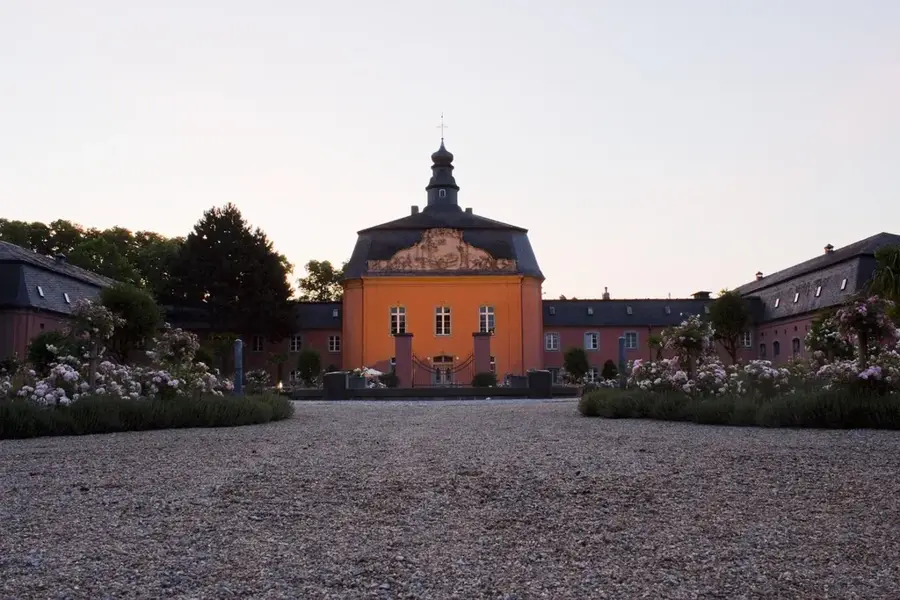
Gut Rocholz

A historic noble estate and former manor house set in idyllic surroundings, representing local history.

Redeemer Church

The Protestant town church, an architectural landmark and a venue for numerous concerts.

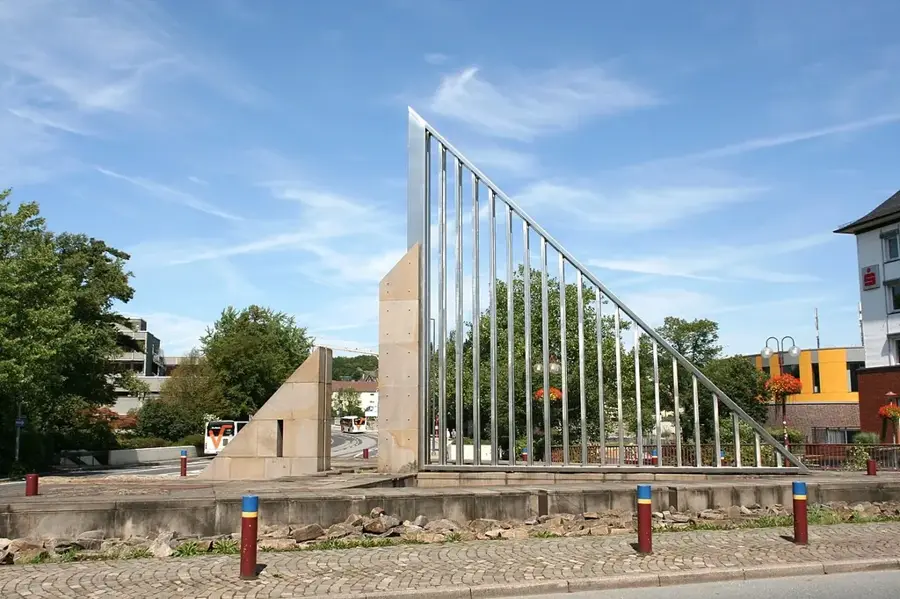
Kirmestor (Fair Gate)

A symbol of the Gevelsberg Fair, famed for being held on one of Europe's steepest fairgrounds.

Hagebölling Village

A photogenic cluster of historic half-timbered houses that preserve the town's original character.

Kruiner Tunnel

A significant technical monument of railway history, now repurposed as a pedestrian and bicycle path.

Suedholz🌿 nature

A protected forest area in Gevelsberg dedicated to preserving local flora and fauna.

Kluterthöhle und Bismarckhöhle🌿 nature

A significant cave system in Gevelsberg known for its fossil-rich limestone formations.

Schwarzwildgatter👨‍👩‍👧 family

A wild boar enclosure in Gevelsberg where visitors can observe the animals in a natural setting.

Schwimm In👨‍👩‍👧 family

A popular leisure pool in Gevelsberg featuring various swimming pools and wellness areas.

Damwildgatter👨‍👩‍👧 family

An enclosure in Gevelsberg specialized in the keeping and observation of fallow deer.

Berger See🌿 nature

The Berger See in Gevelsberg is a beautiful excursion destination for nature lovers and walkers.

Frequently asked questions

What is Gevelsberg historically known for?
For the assassination of Archbishop Engelbert of Cologne in 1225.
Is there a monastery in Gevelsberg?
There was a Cistercian nunnery, remembered today by the 'Stift' area.
What is the Gevelsberg Kirmes?
The steepest funfair in Europe, as it takes place on a steep hill.
Can you go hiking nearby?
Yes, the Ennepe Valley features many paths through forests and along the river.
What industry shapes the city?
Gevelsberg has a long tradition in metal processing and the lock industry.
Gevelsberg: where is it located?
Gevelsberg is located in North Rhine-Westphalia, Germany.
Gevelsberg: what is there to see?
Highlights include Gut Rocholz, Redeemer Church, Kirmestor (Fair Gate).
Gevelsberg: when is the best time to visit?
The most pleasant time to visit is Jun, Aug.
Gevelsberg: why is it worth visiting?
Gevelsberg, located in the Ennepe-Ruhr district between the Ruhr area and the Bergisches Land, is a city with a turbulent history and a strong industrial heartbeat.
View on map → The Top 50 Attractions → Most beautiful beaches → OpenStreetMap →
Europe
Explore with Plizio Discover more places in Europe
More places in Germany →

Nearby cities