Dormagen Schützen- und Heimatfest
Traditional rifle and homeland festival held annually since 1868 around the fourth Sunday in June, with a parade, festival tent, shooting competitions and fireworks.
Plizio Visual Lab
Try hearty dishes like Sauerbraten or 'Himmel un Ääd' (mashed potatoes with apple sauce) in the cozy inns of Zons.
Treat yourself to coffee and cake in the afternoon while watching the boat traffic pass by on the banks of the Rhine.
Situated on the border of major beer regions, you can find traditionally brewed Altbier here, best enjoyed freshly poured in a local pub.
In the alleys of the old town of Zons, you'll find small shops selling local crafts and souvenirs.
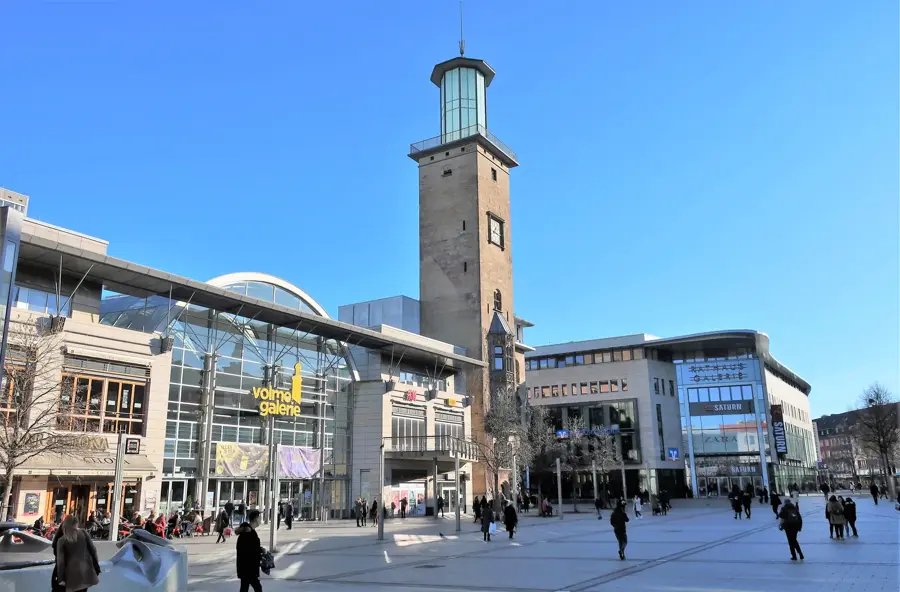
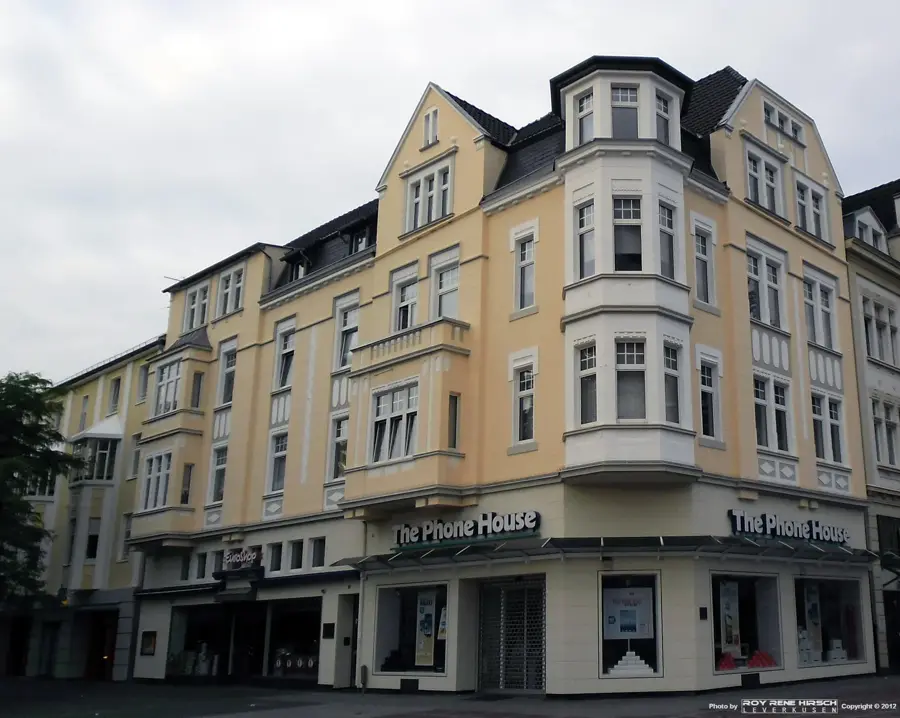
For everyday shopping needs and clothing stores, this small mall in the heart of Dormagen is your best bet.
Visit the Tannenbusch wildlife park, a large forest area featuring native animal species and quiet walking trails.
The expansive meadows along the Rhine offer plenty of space for a picnic in a peaceful, nature-filled environment.
Water temperature…
Traditional rifle and homeland festival held annually since 1868 around the fourth Sunday in June, with a parade, festival tent, shooting competitions and fireworks.
Medieval festival in the historic customs town of Zons, usually in May, with a knights' camp, crafts, music and a market within the old town walls.
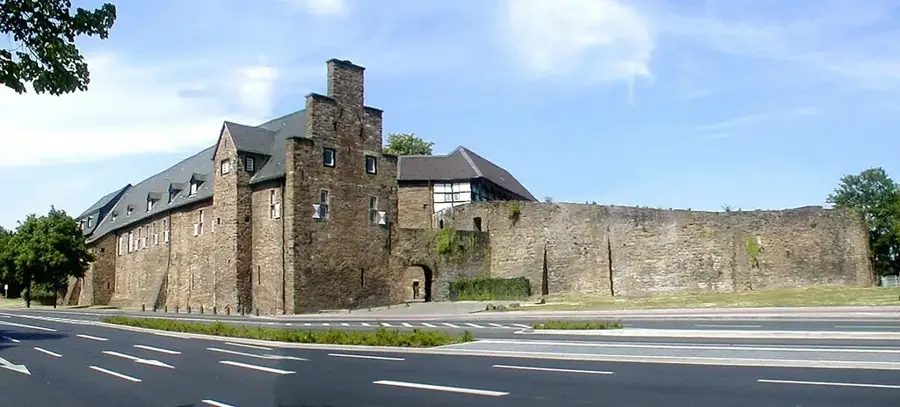
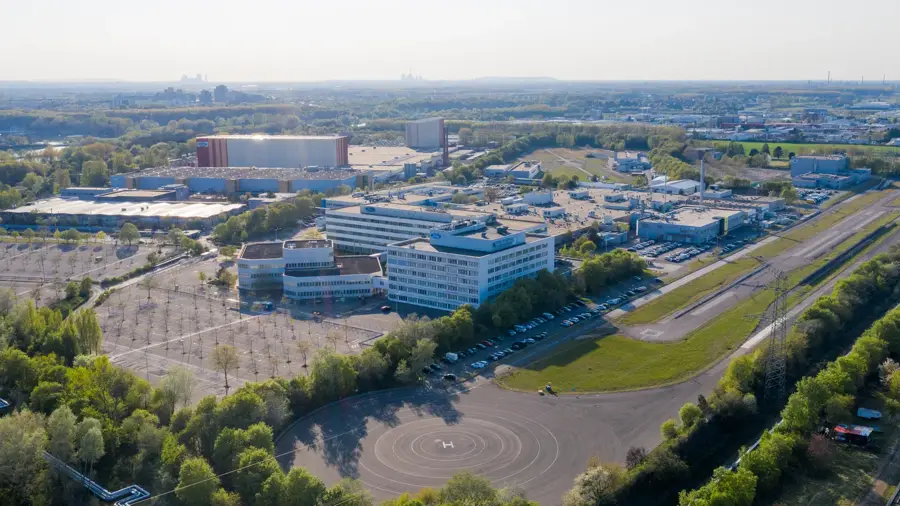
Dormagen is situated on the left bank of the Lower Rhine between the metropolises of Cologne and Dusseldorf and features a settlement history dating back to Roman times. Founded as the Roman cavalry fort Durnomagus, the site once secured the empire's border along the Rhine. A particular cultural jewel is the medieval fortified toll town of Zons, known as the Rothenburg of the Rhine, which attracts visitors with its almost fully preserved city wall and distinctive towers. Another significant monument is the Romanesque Knechtsteden Abbey, founded in the 12th century, which serves today as an important religious and cultural center. Dormagen's modern development is closely linked to the chemical industry, as the location is part of the Chempark, one of the largest chemical industrial parks in Europe. Despite this industrial character, the city provides expansive recreational spaces with the Zonser Grind nature reserve and the Rhine meadows. Dormagen thus unites Roman antiquity, medieval defensive architecture, and modern industrial history within a diverse Rhine landscape.
The most pleasant time to visit is Jun–Aug.
| Jan | Feb | Mar | Apr | May | Jun | Jul | Aug | Sep | Oct | Nov | Dec | |
|---|---|---|---|---|---|---|---|---|---|---|---|---|
| Avg °C | 1 | 2 | 5 | 10 | 13 | 17 | 19 | 19 | 15 | 11 | 6 | 2 |
| Rain mm | 74 | 62 | 59 | 44 | 64 | 68 | 75 | 79 | 57 | 61 | 71 | 77 |
Notable places around
Where do you start? We build the route here, with stops and country notes along the way.
© OpenStreetMap contributors · OpenRouteService
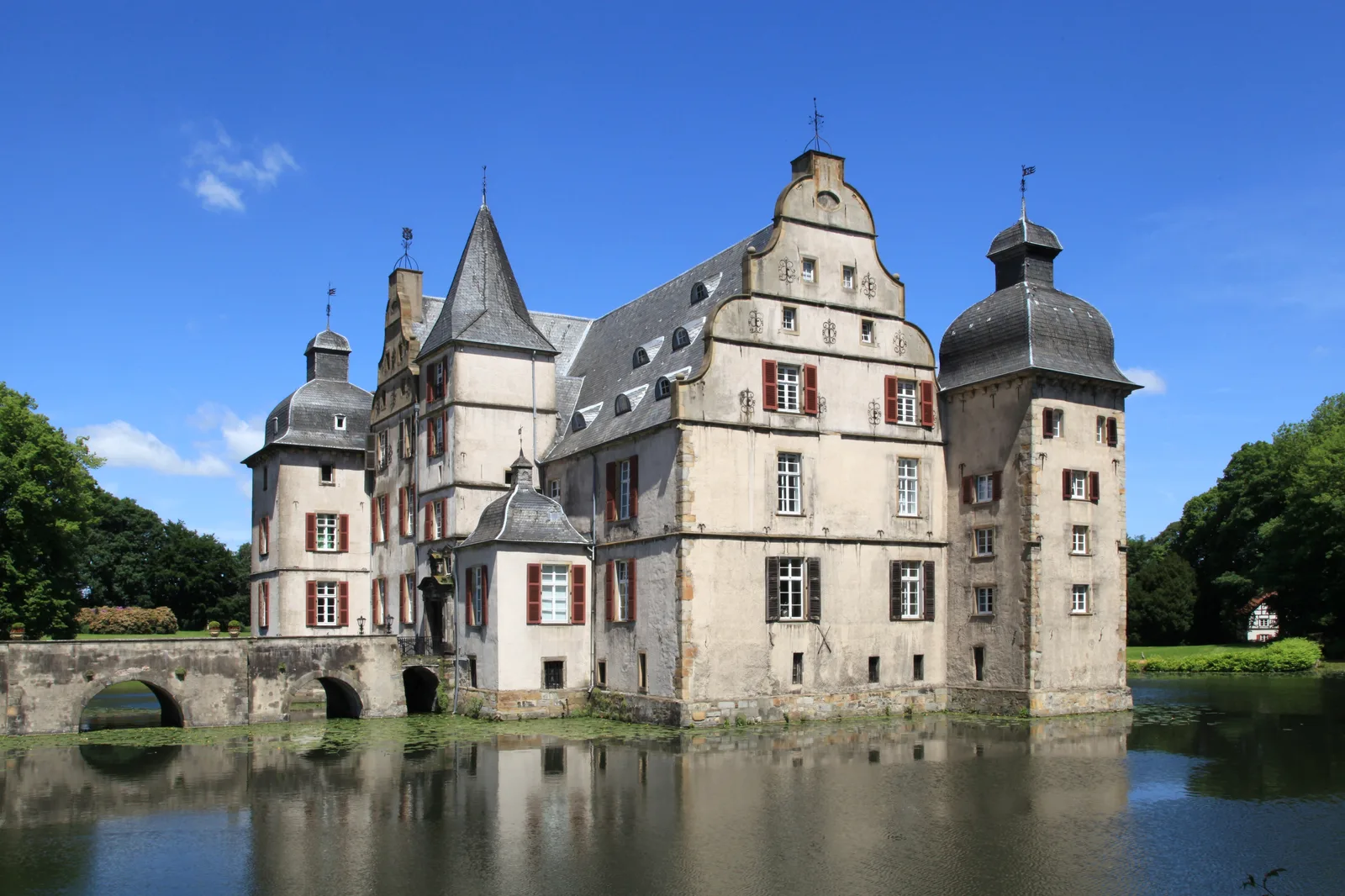
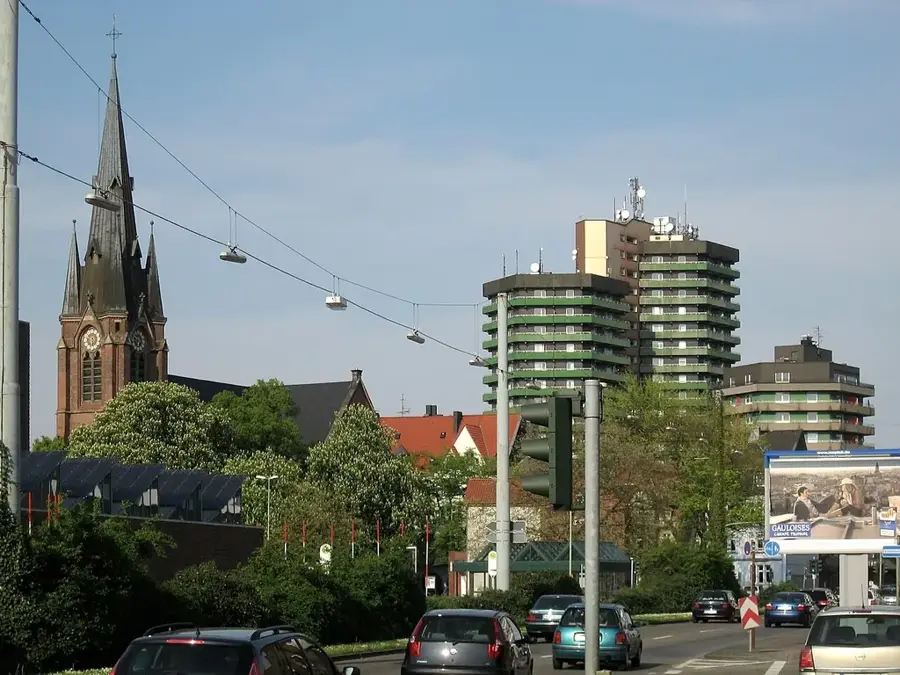
Dormagen is famous for the medieval fortress town of Zons, the 'Rhenish Rothenburg'. Spend the morning exploring the massive city walls and the Rheintor. After a hearty Rhenish lunch, visit Friedestrom Castle and the iconic windmill. The walk concludes at the neo-Gothic St. Michael's Church in the center, offering a peaceful end to the day.
This bike tour connects the sacred silence of Knechtsteden Abbey with the medieval charm of Zons. Start at the Romanesque abbey and cycle through the Tannenbusch forest to Zons. After exploring the fortress and a hearty lunch, the route leads back along the Rhine. A perfect mix of culture, history, and nature on flat paths.
Exploring Dormagen by car allows you to visit the three main clusters: the medieval fortress of Zons, the venerable Knechtsteden Abbey, and the relaxing Tannenbusch forest. You park centrally at each spot and explore the highlights on foot. This way, you experience history, spirituality, and nature in one relaxed day with minimal driving between sites.
This specialized museum is dedicated to the history and art of falconry and the study of birds of prey.