Dinslaken Martinikirmes Fair
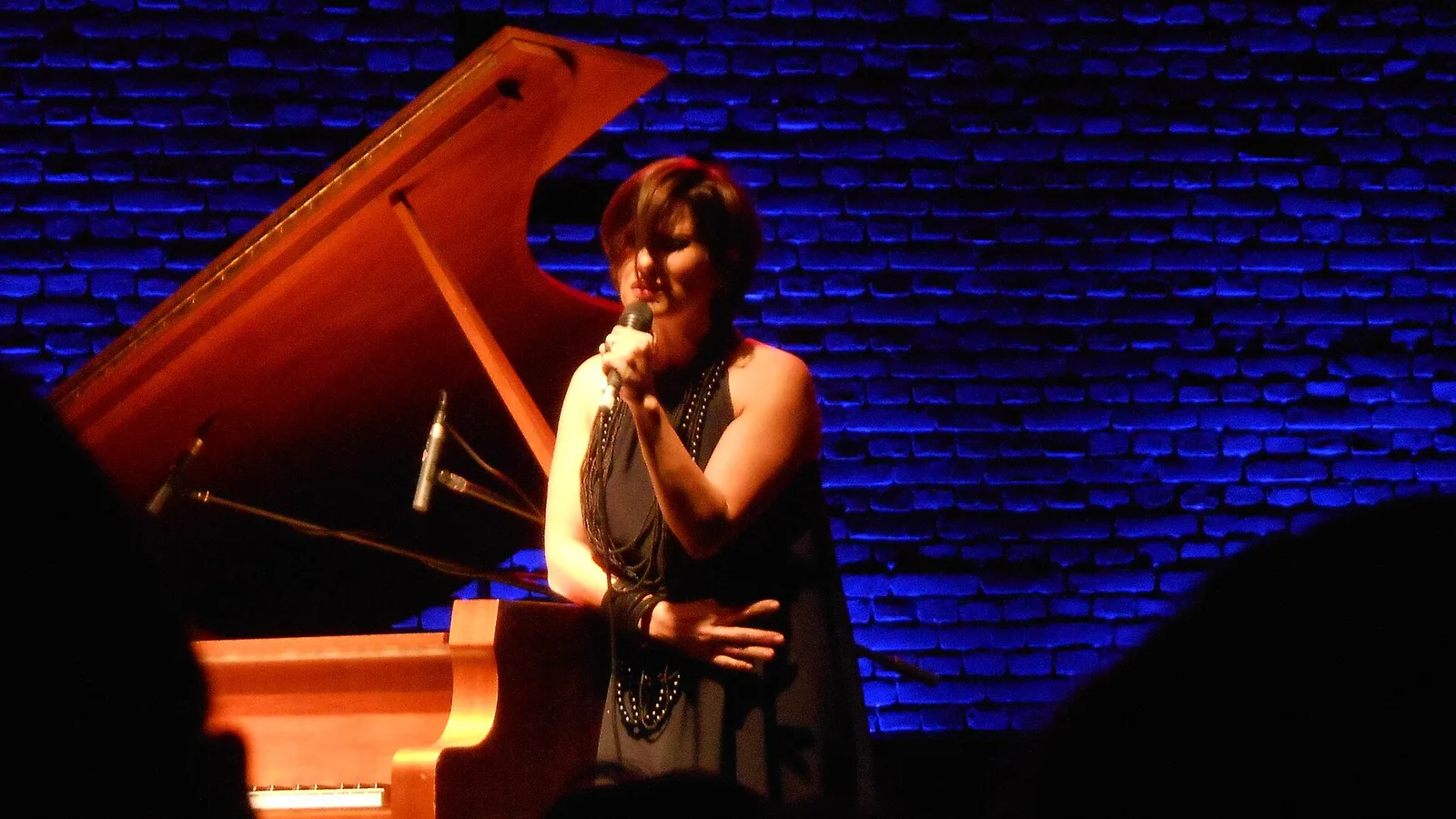
Traditional funfair around St Martin's Day in November, with fairground rides, stalls and festivities in the city centre.
Plizio Visual Lab
A Ruhr area classic. Grab one at a local snack stand in the pedestrian zone.
A traditional marinated pot roast, available in established German restaurants around the Altstadt (Old Town).
A dark, top-fermented beer typical for the region. Enjoy a glass in the pubs around the market square.
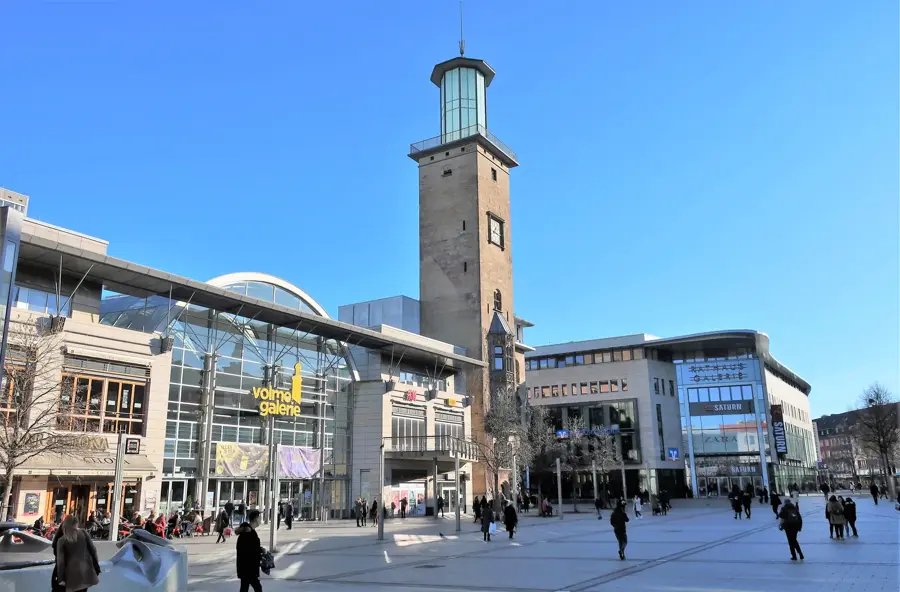
A modern shopping mall in the city center offering a wide range of retail brands under one roof.
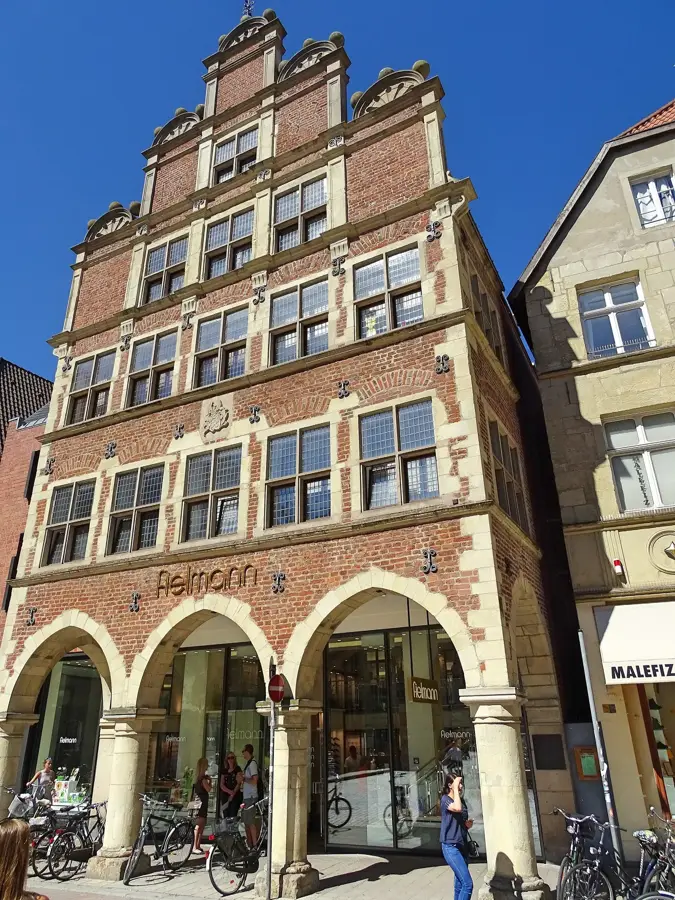
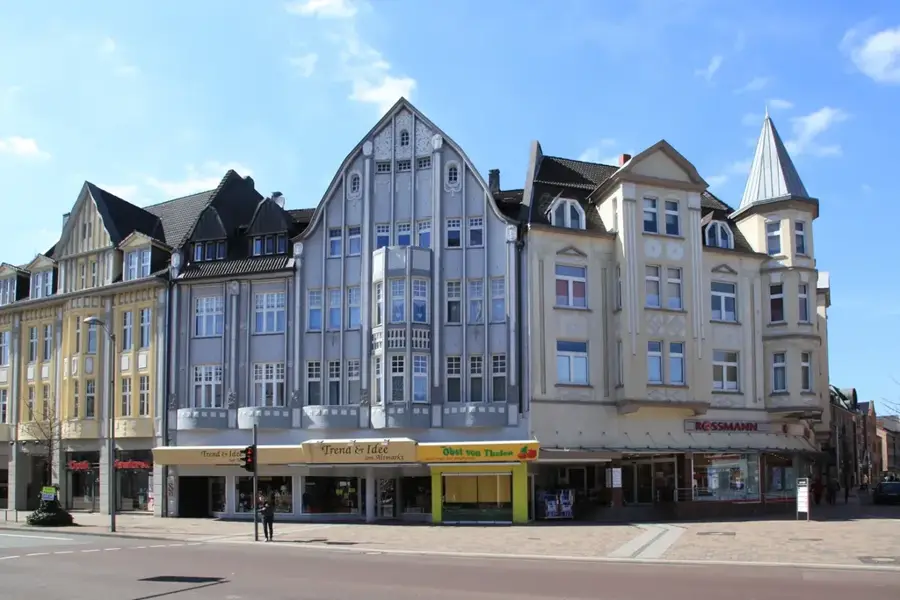
The traditional shopping street featuring independent retailers and cozy cafes.
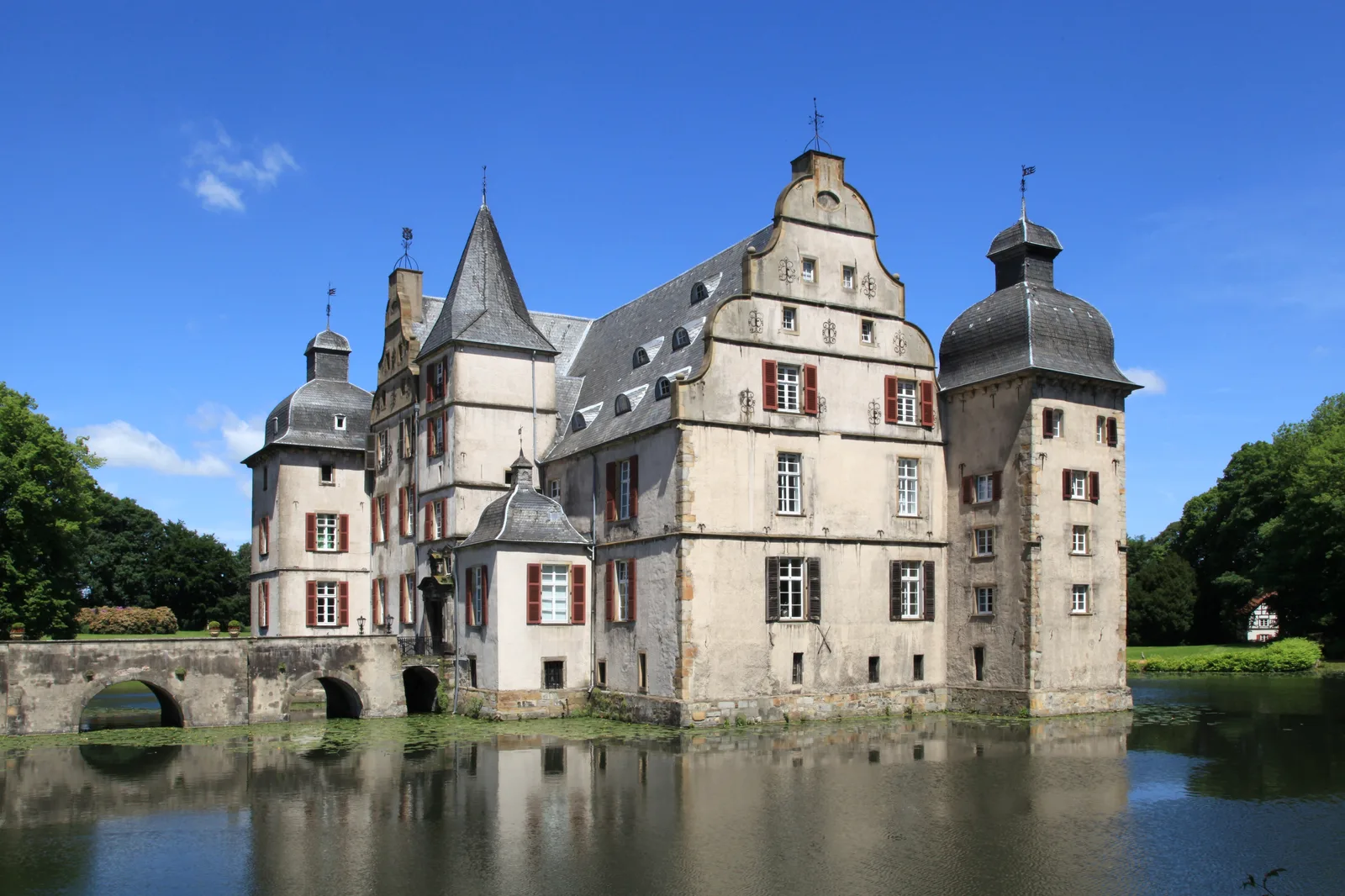
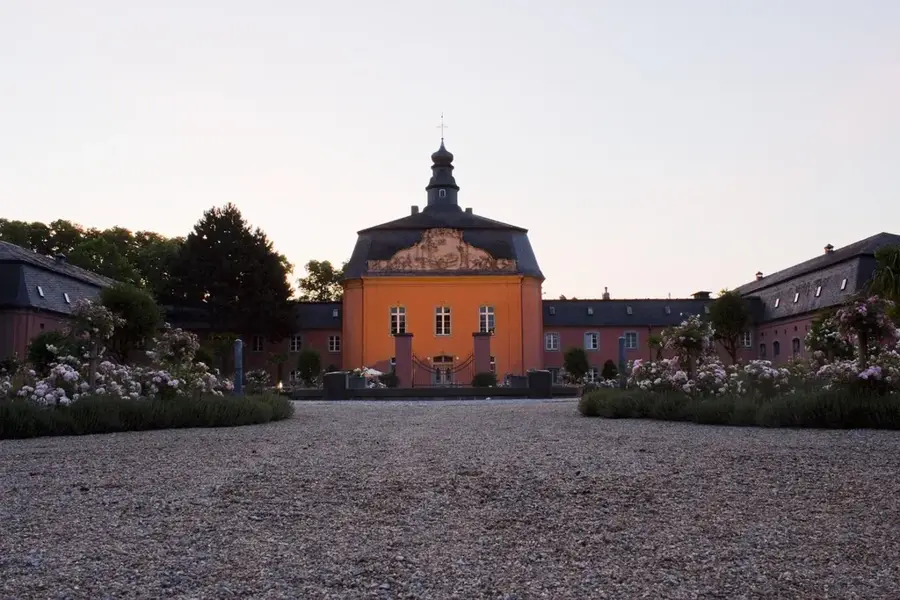
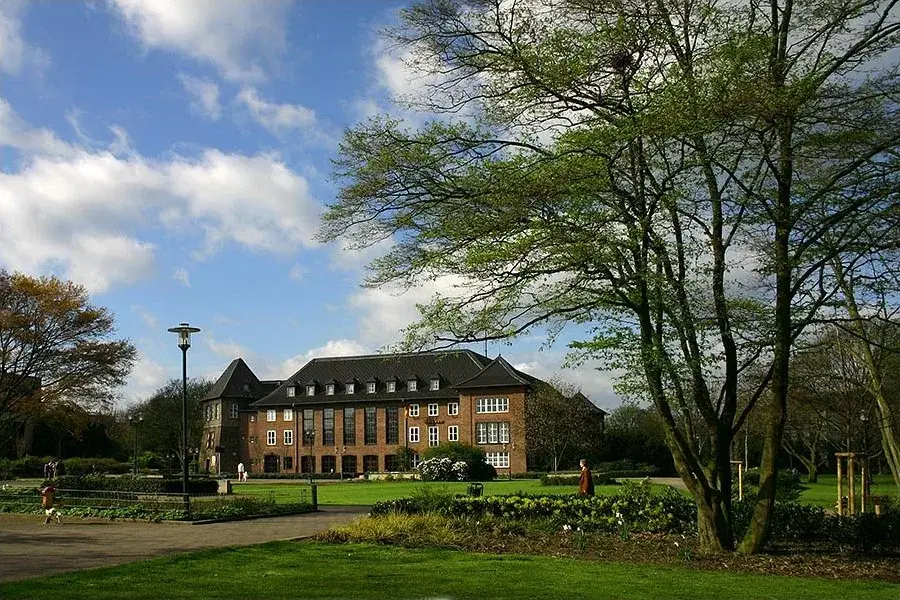
The park surrounding the historic castle gives a small lake and quiet pathways right in the city.
A serene lake area just outside the city center, first-rate for a relaxed walk or a quiet picnic.
Water temperature…
Traditional funfair around St Martin's Day in November, with fairground rides, stalls and festivities in the city centre.
Summer city festival on the last weekend of August, which for over 50 years has filled the entire city centre from Neutorplatz via Altmarkt to the city park, with stages, festival and funfair.
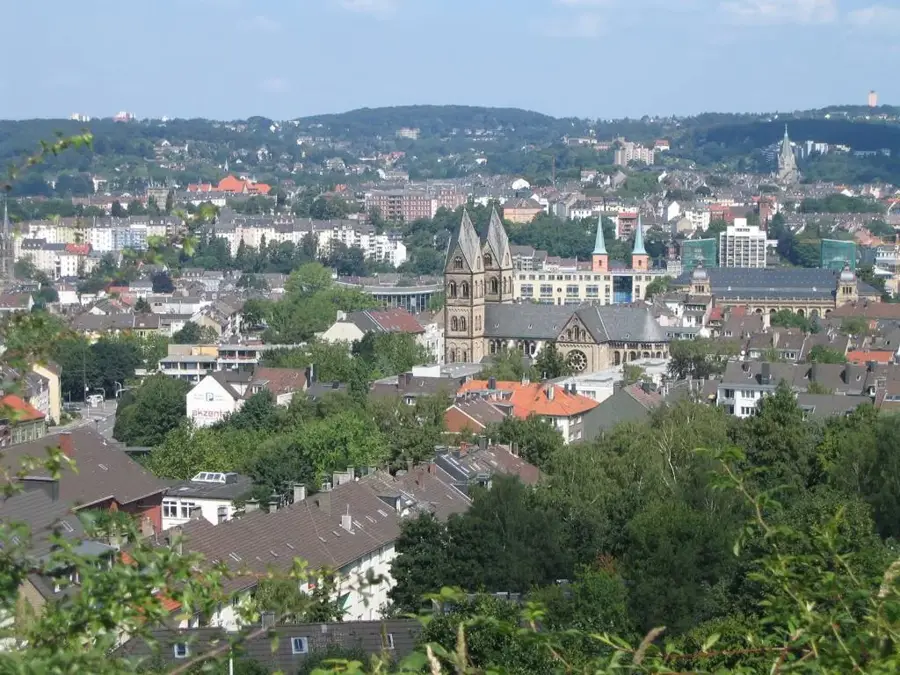
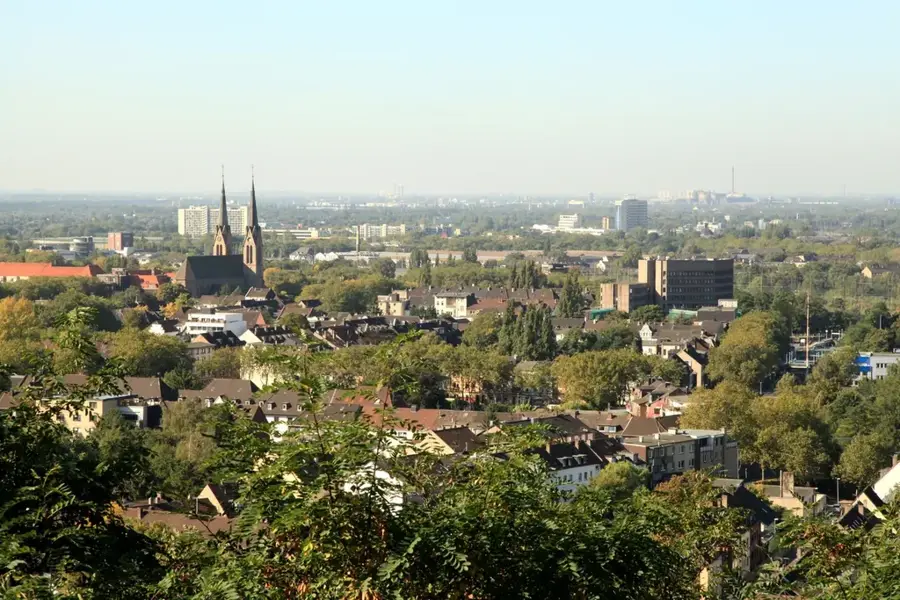
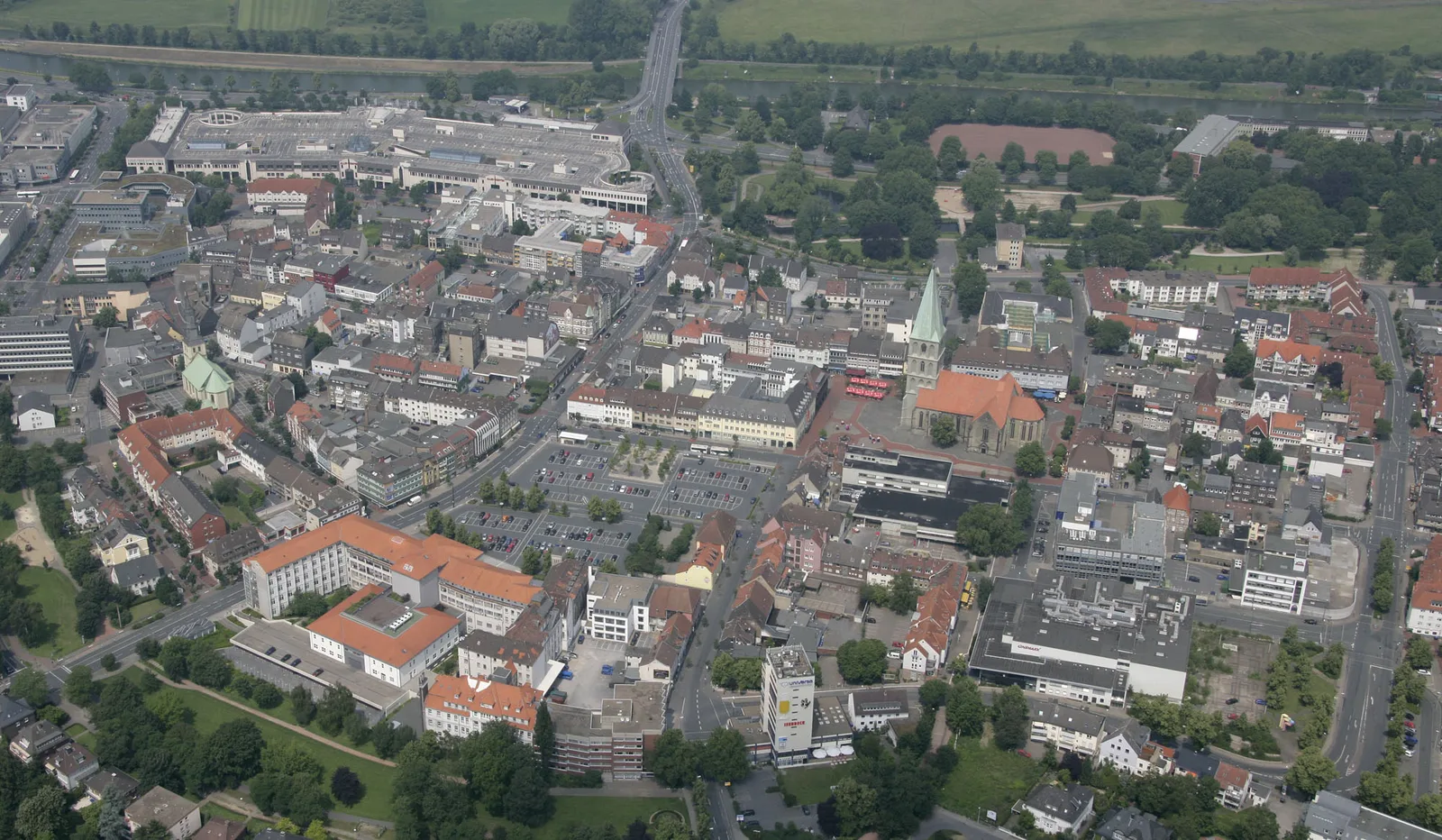
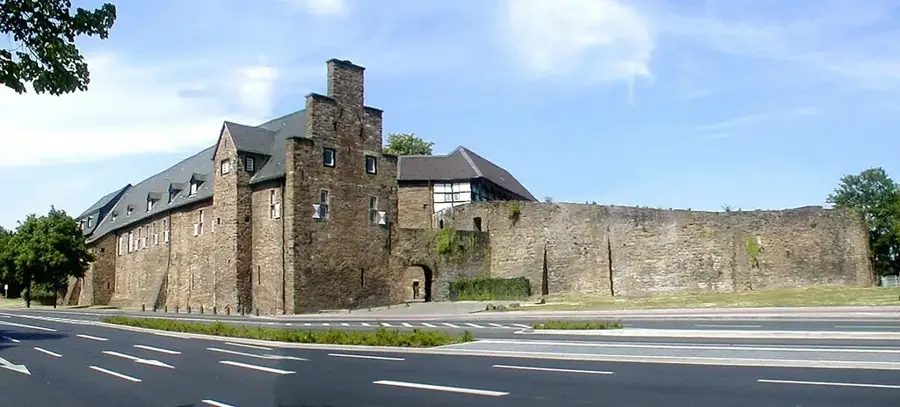
Dinslaken is located on the lower Rhine in North Rhine-Westphalia and serves as an interface between the Ruhr area and the rural Lower Rhine region. The city features a long history that began in the 12th century and was solidified by the granting of city rights in 1273. A defining chapter of the city's history was hard coal mining, particularly through the Lohberg mine, which formed the economic backbone of the city for nearly a century. Since the mine's closure, the area has been transformed into a modern residential and commercial district, with many industrial monuments being preserved. Dinslaken is also regionally famous for its harness racing track, which has been a significant center for equestrian sports since its opening in 1954. The historic Rittertor (Knight's Gate) and the remains of Dinslaken Castle are reminders of its medieval past. Situated at the confluence of the Emscher and Rhine rivers, the city provides diverse natural areas for cycling tours and outdoor recreation.
The most pleasant time to visit is Jun–Aug.
| Jan | Feb | Mar | Apr | May | Jun | Jul | Aug | Sep | Oct | Nov | Dec | |
|---|---|---|---|---|---|---|---|---|---|---|---|---|
| Avg °C | 2 | 3 | 6 | 10 | 14 | 17 | 19 | 18 | 15 | 11 | 6 | 3 |
| Rain mm | 76 | 62 | 58 | 42 | 61 | 64 | 76 | 80 | 57 | 64 | 72 | 79 |
Notable places around
Where do you start? We build the route here, with stops and country notes along the way.
© OpenStreetMap contributors · OpenRouteService
The morning starts with a historical touch at the Rittertor and the old castle, the heart of the Old Town. After visiting St. Vincentius Church, we explore local history at the Voswinckelshof Museum. For lunch, the Altmarkt offers traditional German cuisine. The afternoon leads through the baroque city church to the spacious city park for a relaxed finish.
Cycling through Dinslaken combines city history with industrial culture. From the center, we ride to the Lohberg Garden City and the impressive colliery. After a loop through the new park, the path leads south to the idyllic Rotbach Lake. Passing the historical harness racing track, we return comfortably to the Old Town.
This tour uses the car to jump between Dinslaken's highlights. We first park centrally to explore the historical core on foot. Then we drive north to the Lohberg industrial monument. The day concludes in the south at Rotbach Lake and the harness racing track, where we enjoy the wide landscapes of the Lower Rhine.
The local history museum of Dinslaken, housed in a former noble estate.