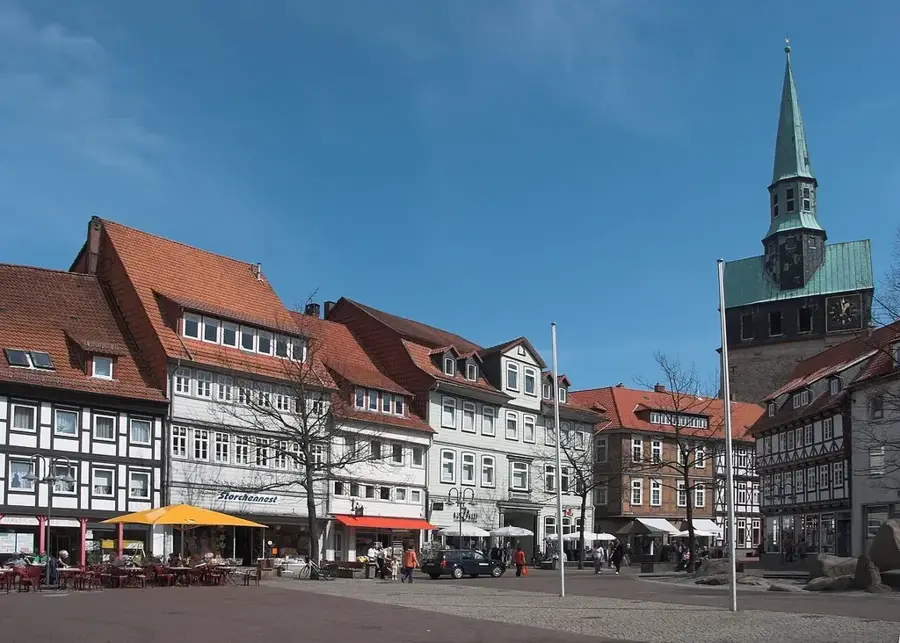
Osterode am Harz Christmas Market
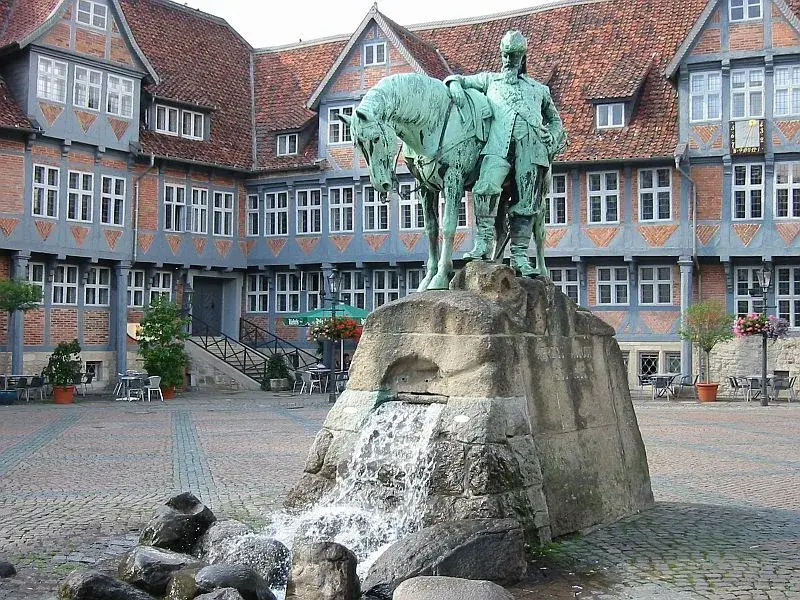
The Christmas market takes place during Advent on the Kornmarkt in the heart of Osterode's old town. A two-storey mulled-wine hut and festive stalls create a cosy Advent atmosphere amid half-timbered surroundings.
Plizio Visual Lab
A strong-smelling, low-fat sour milk cheese; try it with dark bread and lard in traditional taverns.
Venison or wild boar sourced from the Harz forests, common in traditional restaurants around the Kornmarkt.
A popular Harz mountain dessert, often huge and filled with cherries and cream, available in local cafes.
The main streets for browsing small boutiques and half-timbered shops.
The market on the Kornmarkt features regional Harz specialties like local honey and smoked meats.
A beautiful, quiet reservoir just outside town with a scenic walking path along the shore.
A peaceful green space near the edge of the town center, first-rate for resting after a day of exploring.
Water temperature…
The Christmas market takes place during Advent on the Kornmarkt in the heart of Osterode's old town. A two-storey mulled-wine hut and festive stalls create a cosy Advent atmosphere amid half-timbered surroundings.
The "Three Friendly Days" old town festival annually turns Osterode's historic half-timbered old town into a festive mile with music, food and a varied programme. It is one of the most popular events in the Harz town.
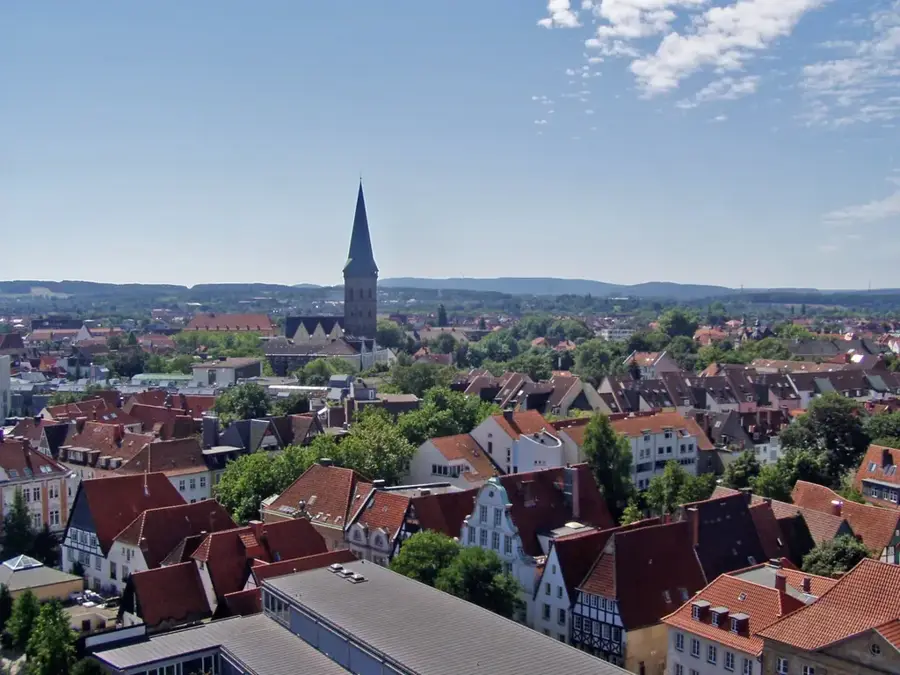
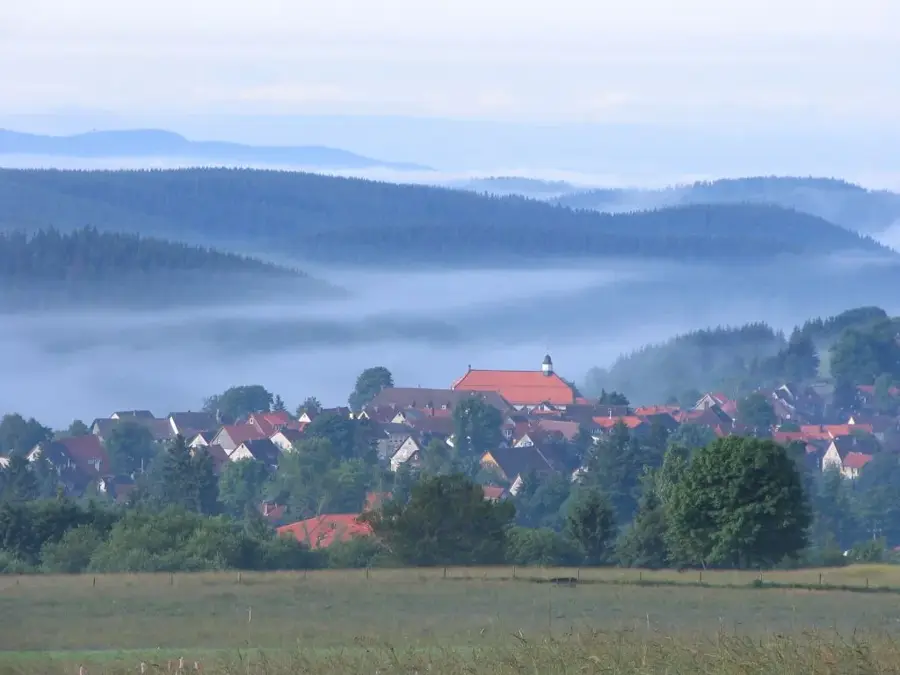
Osterode am Harz is tucked away on the southwestern edge of the Harz Mountains in Lower Saxony, long celebrated as the 'Gateway to the Harz.' The city's history spans over 800 years, during which it rose to prominence as a residence for the Principality of Grubenhagen. Its historical center is a treasure trove of half-timbered architecture, showcasing the wealth accumulated through centuries of mining and trade. Key landmarks include the Old Town Hall and the Kornmagazin, an imposing Baroque granary that now serves as the city's administrative headquarters. The river Söse flows through the urban area, and the nearby Söse Dam is a vital component of Northern Germany's water infrastructure. Geographically, it serves as the western trailhead for the Harzer Hexenstieg, a world-famous 97-kilometer hiking path that traverses the Harz peaks. Today, Osterode has transitioned into a modern industrial hub, with significant contributions from the chemical, metalworking, and machinery sectors, while remaining a popular tourist destination.
The most pleasant time to visit is Jun–Aug.
| Jan | Feb | Mar | Apr | May | Jun | Jul | Aug | Sep | Oct | Nov | Dec | |
|---|---|---|---|---|---|---|---|---|---|---|---|---|
| Avg °C | -1 | -1 | 3 | 8 | 12 | 16 | 18 | 18 | 13 | 8 | 4 | 0 |
| Rain mm | 75 | 51 | 56 | 42 | 75 | 67 | 87 | 68 | 63 | 61 | 68 | 75 |
Notable places around
Where do you start? We build the route here, with stops and country notes along the way.
© OpenStreetMap contributors · OpenRouteService
A magnificent half-timbered building from 1552, regarded as one of the Harz region's finest.
Castle ruins in Osterode am Harz, known for the remains of its prominent keep.