Plizio Visual Lab
Bad Wörishofen
ℹ️Practical info — Bad Wörishofen
▾
🌤 Weather — 5 days
📍 Nearby
Sights nearby
💡 Tips
- Take advantage of the free public Kneipp water-treading basins in the Kurpark-remember to walk like a stork through the water!
- The local Guest Card (Gästekarte) gives you free bus rides and discounts at the spa facilities.
- The thermal baths restrict entry for children under 16 to Saturdays only, ensuring a very quiet atmosphere on weekdays.
- Try the Barefoot Path (Barfußweg) for a unique sensory walk through nature.
🍽 Food
Hearty cheese noodles served in the Bavarian restaurants in the town center.
Traditional white sausage breakfast (only order before noon!) at local inns.
Light cakes and herbal teas in cozy cafes near the Kurpromenade.
🛍 Shopping · 🧘 Quiet spots
Find health lotions, bath salts, and teas in the health shops along the promenade.
Relaxed shopping for souvenirs and Bavarian crafts in the pedestrian zone.
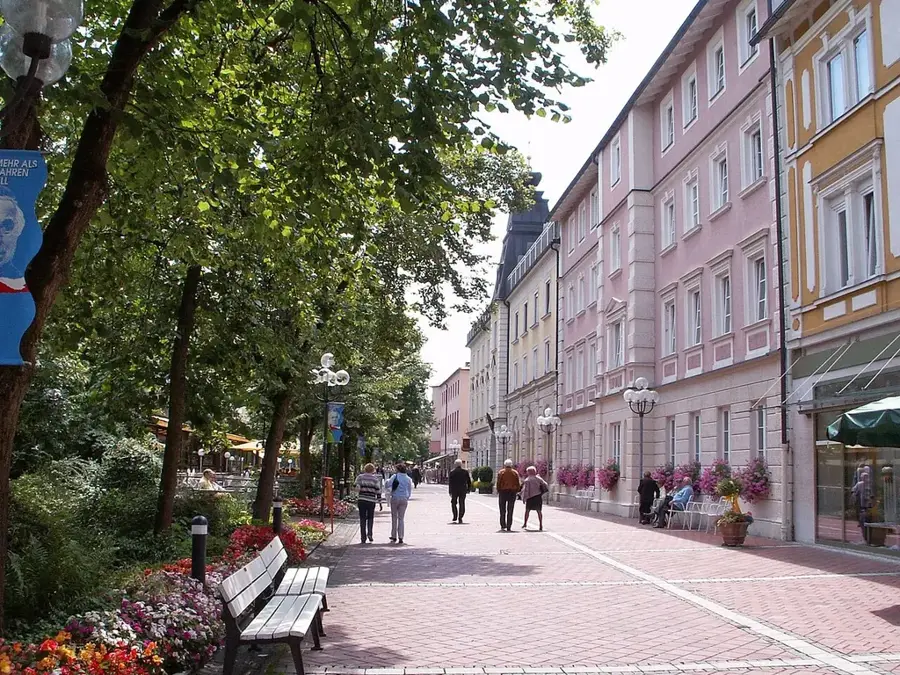
Vast spa park with mature trees, well-suited for quiet afternoon walks.
A fragrant, very peaceful rose garden directly inside the Kurpark.
Water temperature…
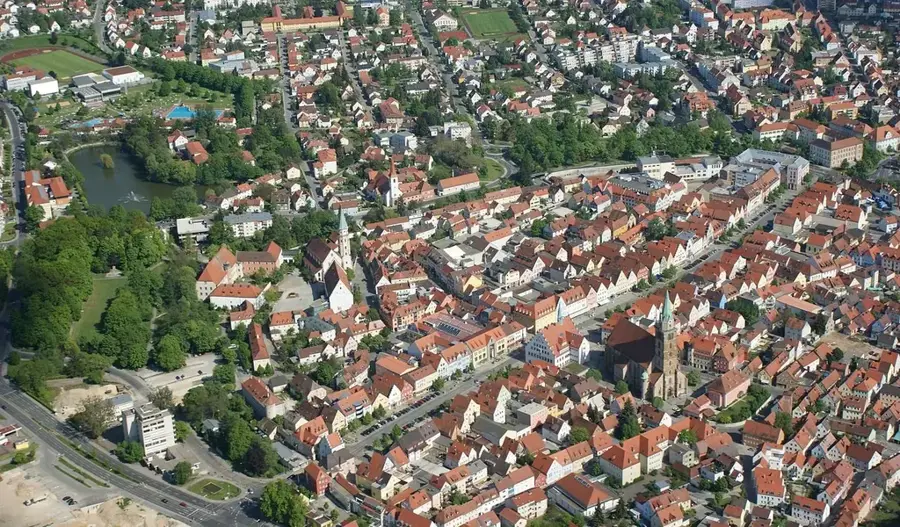
Bad Wörishofen in the Swabian district of Unterallgäu achieved world fame through the work of priest Sebastian Kneipp, who developed his famous water cure here in the 19th century. Originally a farming village, the place quickly transformed into a sophisticated spa town due to the success of Kneipp therapy. The holistic healing method, based on the five pillars of water, plants, movement, nutrition, and balance, still shapes the entire cityscape and the local economy today. Numerous hotels and sanatoriums offer specialized treatments, and the extensive spa gardens with their Kneipp facilities and fragrant gardens invite relaxation. In addition to health tourism, Bad Wörishofen is also known for its cultural events, such as the 'Festival of Nations'. Its location on the edge of the Allgäu region also provides convenient conditions for hiking and excursions into nature, while the modern Bad Wörishofen thermal baths with their South Seas atmosphere also appeal to younger target groups.
- Location: Bavaria, Germany
- Top sights: Spa Park · Kneipp Museum · Thermal Baths Bad Wörishofen
- Nearby: Mindelheim (9 km)
- Population: ~17.683
Best time to visit & climate
The most pleasant time to visit is Jun–Aug.
| Jan | Feb | Mar | Apr | May | Jun | Jul | Aug | Sep | Oct | Nov | Dec | |
|---|---|---|---|---|---|---|---|---|---|---|---|---|
| Avg °C | -1 | -1 | 3 | 8 | 12 | 16 | 18 | 18 | 13 | 9 | 4 | 0 |
| Rain mm | 75 | 59 | 68 | 69 | 124 | 131 | 132 | 138 | 91 | 75 | 63 | 71 |
Geography
Facts
- Sebastian Kneipp arrived in 1855 as a father confessor
- Town rights were only granted in 1920
- The spa park covers an area of over 160,000 m²
- Bad Wörishofen is located at 625 m above sea level
- The thermal baths feature a genuine palm paradise
- Sister city includes Saint-Lô in France
Explore nearby
Notable places around
Route planner — Car & Motorhome
Where do you start? We build the route here, with stops and country notes along the way.
© OpenStreetMap contributors · OpenRouteService
Sights in the town Bad Wörishofen (7)
Kneipp Museum🏛 museum
Located in the Dominican convent, it documents the life and holistic healing methods of Sebastian Kneipp.
Frequently asked questions
Who was Sebastian Kneipp in Bad Wörishofen?
What does the Kurpark in Bad Wörishofen offer?
Are there theme parks for children nearby?
What is the connection to the Alps?
Can you relax at the Bad Wörishofen thermal baths?
Bad Wörishofen: where is it located?
Bad Wörishofen: what is there to see?
Bad Wörishofen: when is the best time to visit?
Bad Wörishofen: why is it worth visiting?

Nearby cities