Plizio Visual Lab
Banjul
ℹ️Practical info — Banjul
▾
🌤 Weather — 5 days
📍 Nearby
Sights nearby
💡 Tips
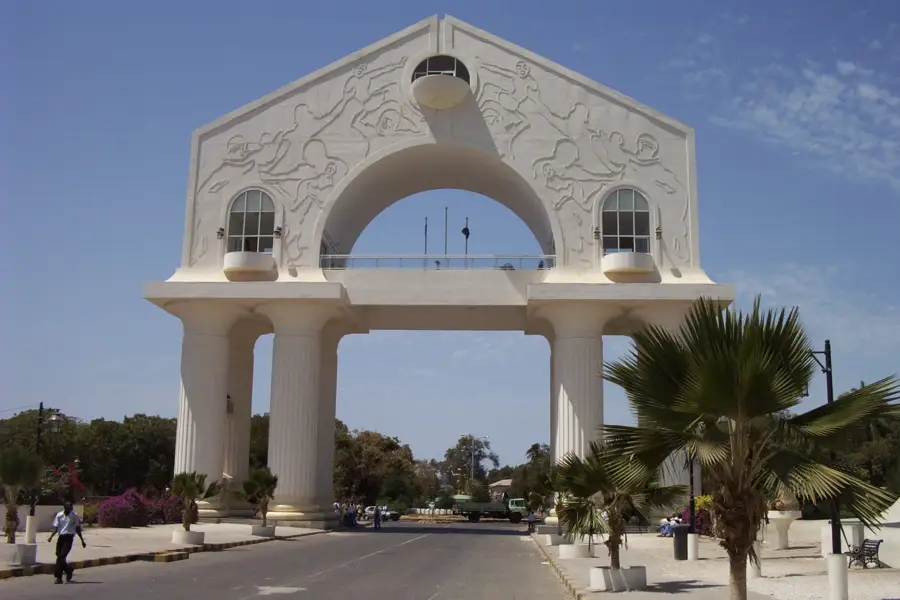
- Climb Arch 22 for a panoramic view of the city and the river mouth.
- Negotiate taxi fares before starting your journey.
- Change money at authorized bureaus rather than on the street.
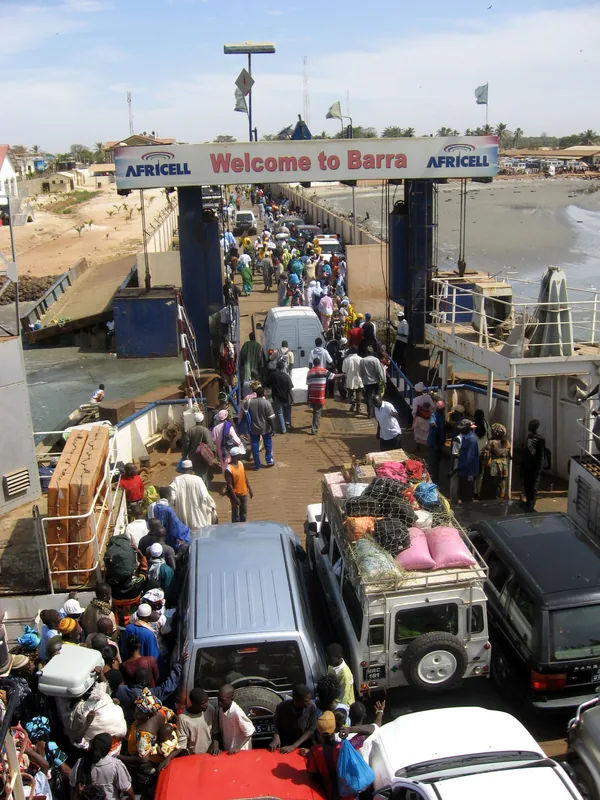
- The ferry crossing to Barra can be chaotic; keep an eye on your belongings.
🍽 Food
A traditional peanut stew served in almost every local restaurant.
Also known as Jollof Rice, very tasty at the small stalls around the market.
Freshly grilled at simple stalls right on the beach.
🛍 Shopping · 🧘 Quiet spots
The first-rate place to find local crafts, fabrics, and to soak in the lively atmosphere.
Often sold at small stalls in the busier tourist areas.
A wide sandy beach that invites for quiet walks along the ocean.
The shaded courtyard gives a relaxing break from the hustle and bustle of the city.
Water temperature…
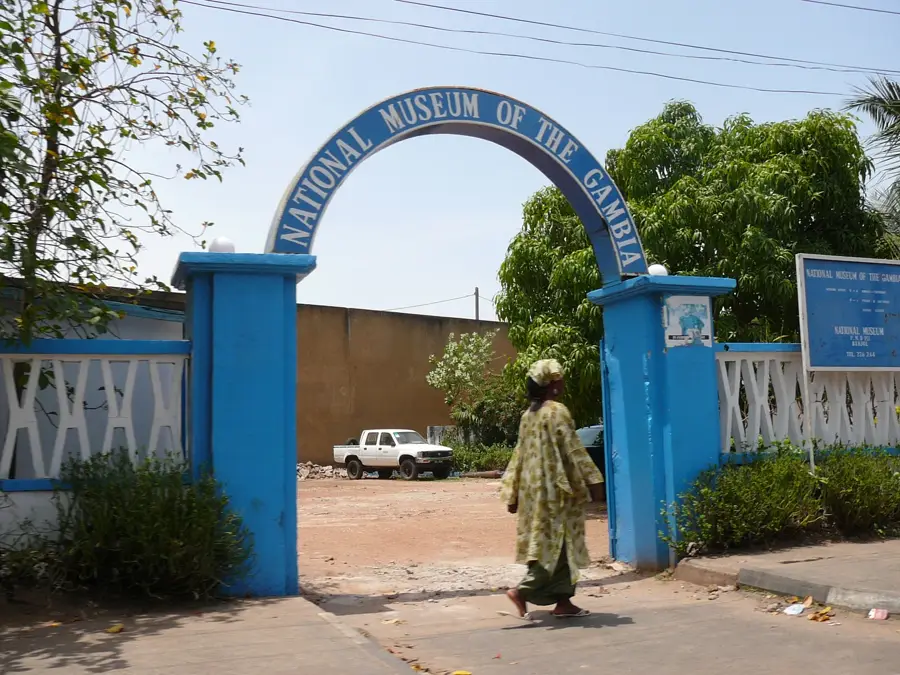
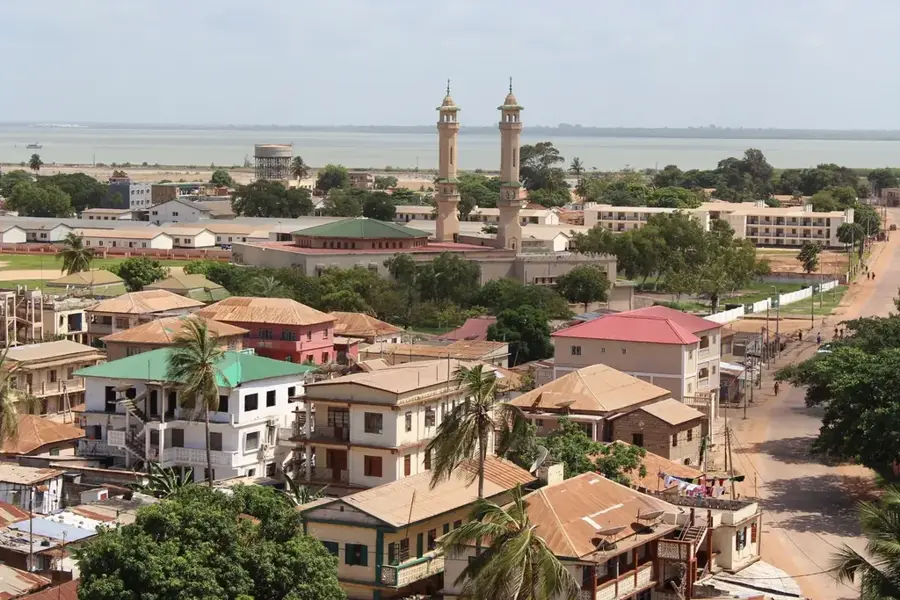
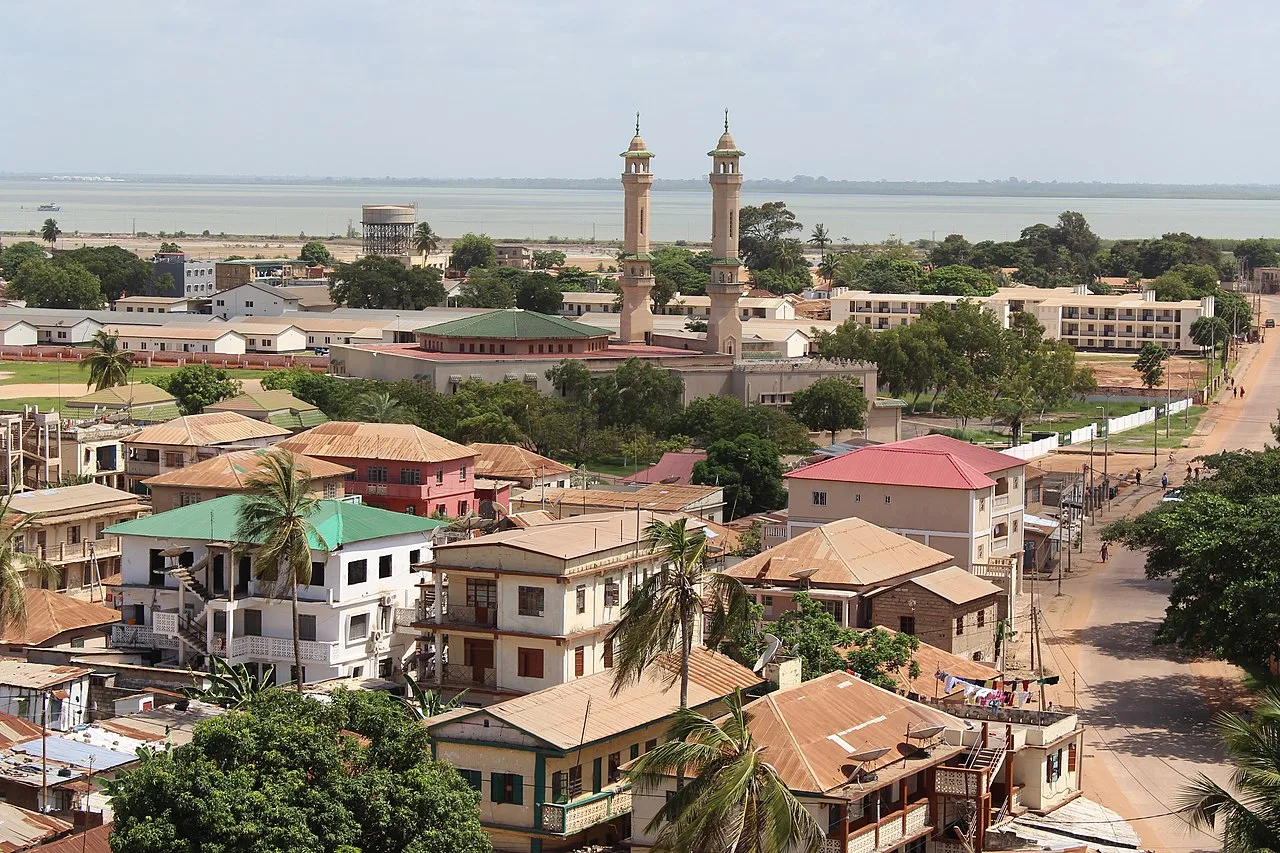
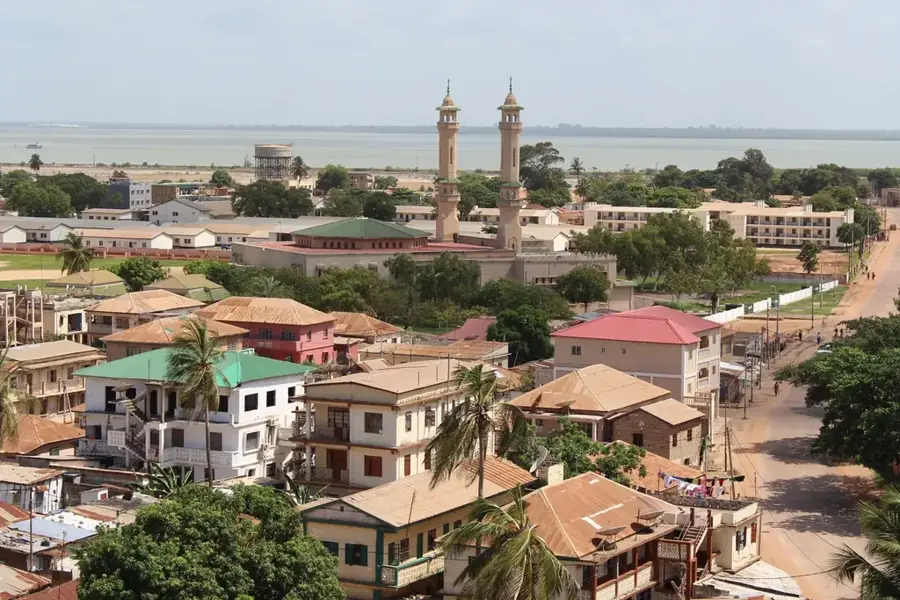
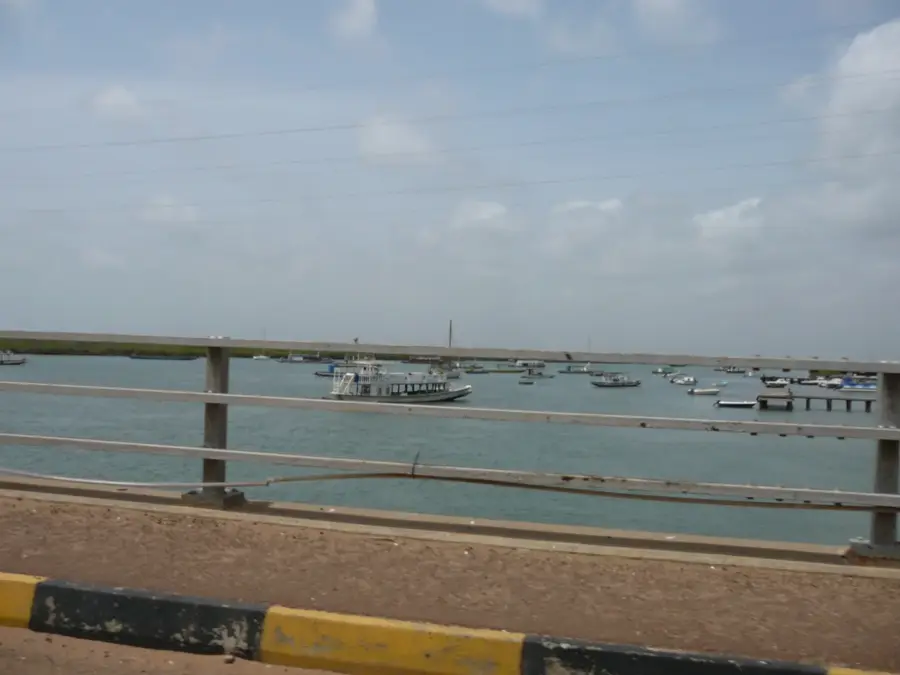
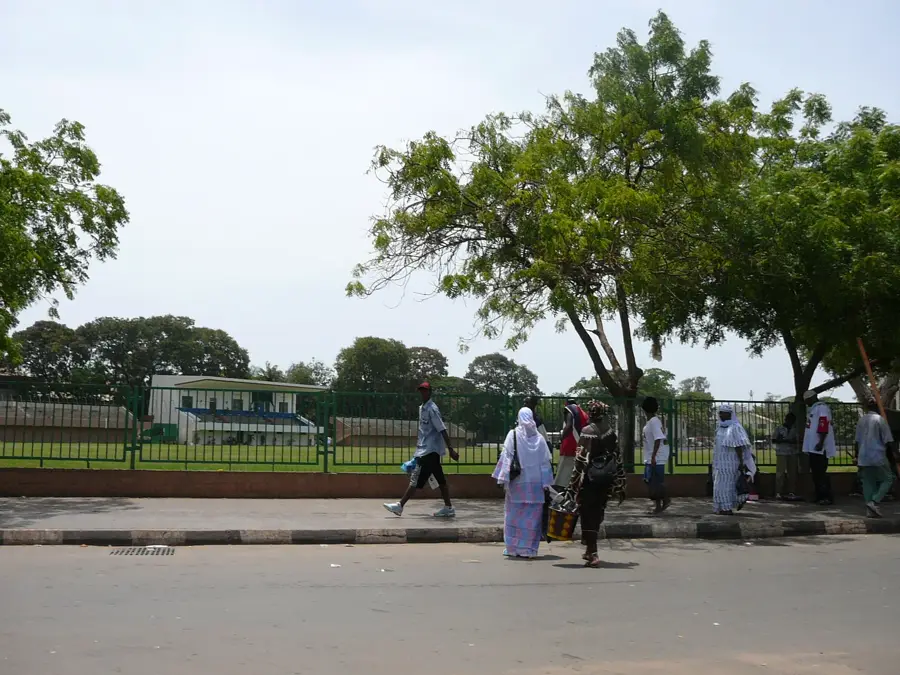
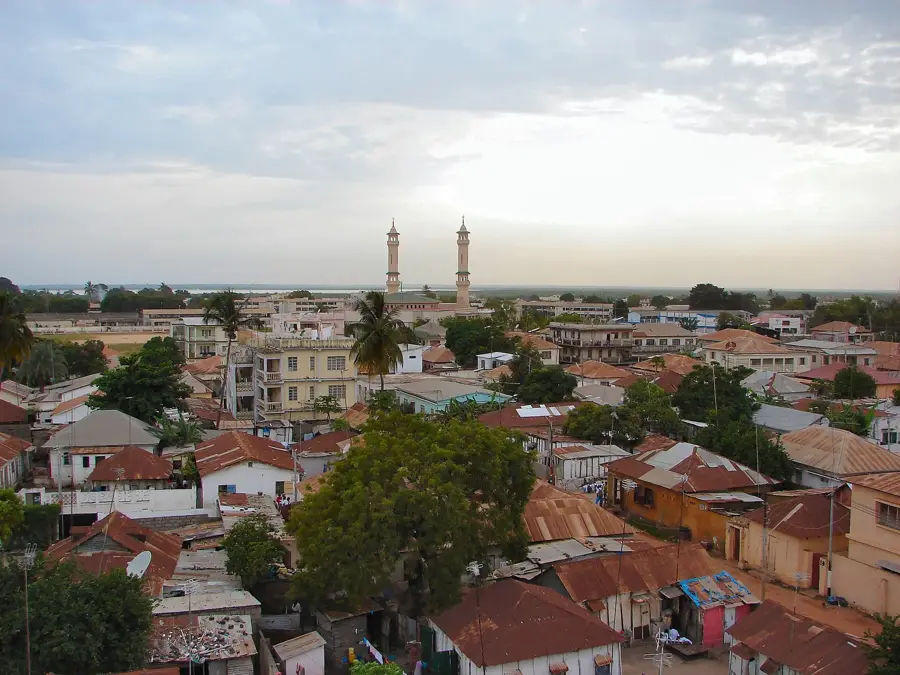
Banjul, the capital city of The Gambia, occupies a unique position on St. Mary's Island at the mouth of the Gambia River. Established in 1816 by British Captain Alexander Grant, it was originally named Bathurst in honor of Henry Bathurst, the Secretary of State for the Colonies. The city was founded to suppress the slave trade and to provide a base for British commercial interests in the region. Today, Banjul serves as the administrative and economic hub of the country, though its geographical expansion is limited by the surrounding mangroves and the river. The city's landmark, Arch 22, marks the entrance and stands 35 meters tall, offering panoramic views of the urban landscape. Banjul's economy is centered on its port, which handles the majority of the nation's imports and exports, including peanuts, seafood, and textiles. The city center is known for its grid-like streets and the bustling Albert Market, where the air is filled with the scent of spices and the lively colors of local crafts. Despite its small size, Banjul is home to several important institutions, including the National Library of The Gambia and the Gambia National Museum. The city's population is ethnically diverse, consisting of Mandinka, Wolof, and Jola people, who contribute to a rich cultural life characterized by traditional drumming and storytelling. The climate is tropical, with high temperatures year-round and a significant monsoon season. As the capital, it houses the State House, the official residence of the President, and the National Assembly. While much of the country's population growth has shifted to the Kombo districts, Banjul remains the symbolic and political heart of the nation, maintaining its quiet, colonial-era charm amidst the modern changes of West Africa.
- Location: Gambia
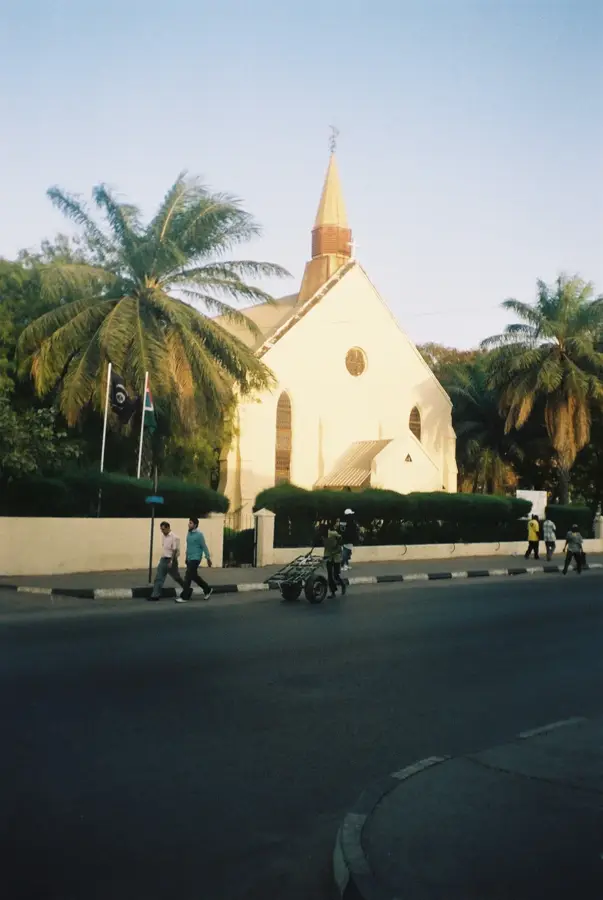
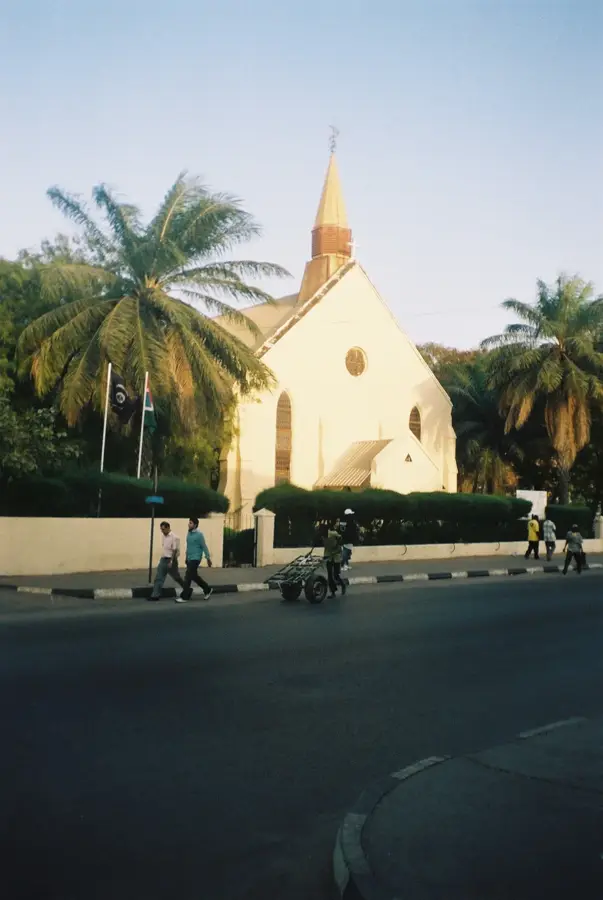
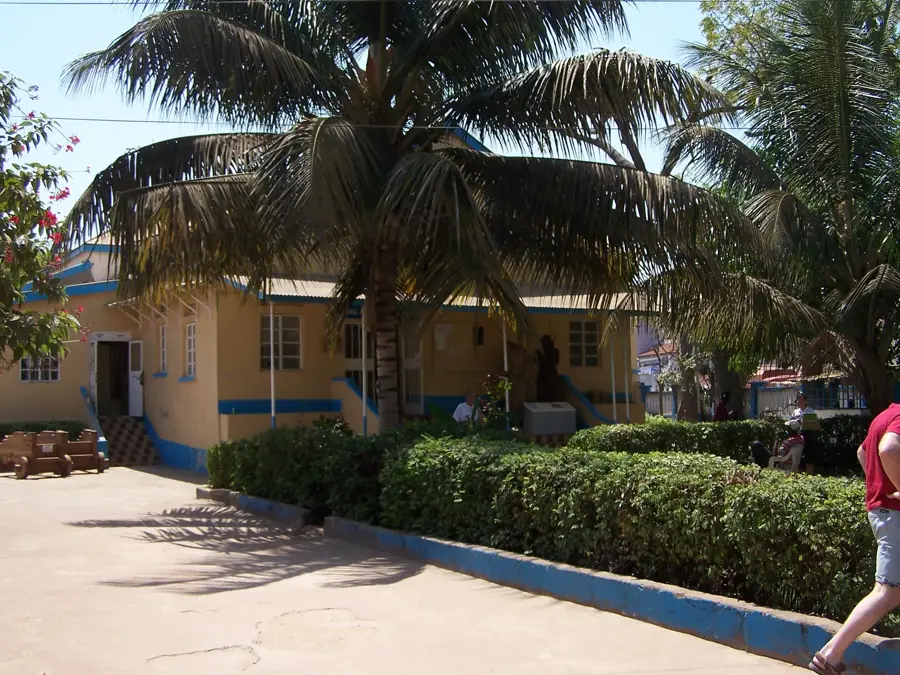
- Top sights: Saint Mary's Church · Gambia National Museum · Cathedral of Our Lady of the Assumption
- Nearby: Barra (5 km)
- Population: ~37.274 (2023)
Best time to visit & climate
The most pleasant time to visit is Jan, Feb, Dec.
| Jan | Feb | Mar | Apr | May | Jun | Jul | Aug | Sep | Oct | Nov | Dec | |
|---|---|---|---|---|---|---|---|---|---|---|---|---|
| Avg °C | 24 | 26 | 28 | 29 | 29 | 29 | 28 | 27 | 27 | 27 | 26 | 24 |
| Rain mm | 1 | 0 | 5 | 2 | 4 | 74 | 187 | 306 | 231 | 67 | 3 | 0 |
Geography
Facts
- Banjul's island location makes it highly susceptible to rising sea levels.
- The city's independence monument is located in McCarthy Square.
- Banjul hosts the headquarters of the Gambia Groundnut Corporation.
- The city was visited by British Queen Elizabeth II in 1961.
- Banjul's main ethnic languages are Wolof and Mandinka, but English is official.
- The Oyster Creek separates St. Mary's Island from the mainland.
- The city's historic core contains many 'pre-colonial' style structures.
- Banjul International Airport is actually located 24km away in Yundum.
Explore nearby
Notable places around


Route planner — Car & Motorhome
Where do you start? We build the route here, with stops and country notes along the way.
© OpenStreetMap contributors · OpenRouteService
Sights in the town Banjul (10)
Six-Gun Battery
The Six-Gun Battery is part of a UNESCO World Heritage site in the Gambia, a historic fortification.
Banjul City Council
Banjul City Council is an architectural structure serving as the town hall.
Albert Market
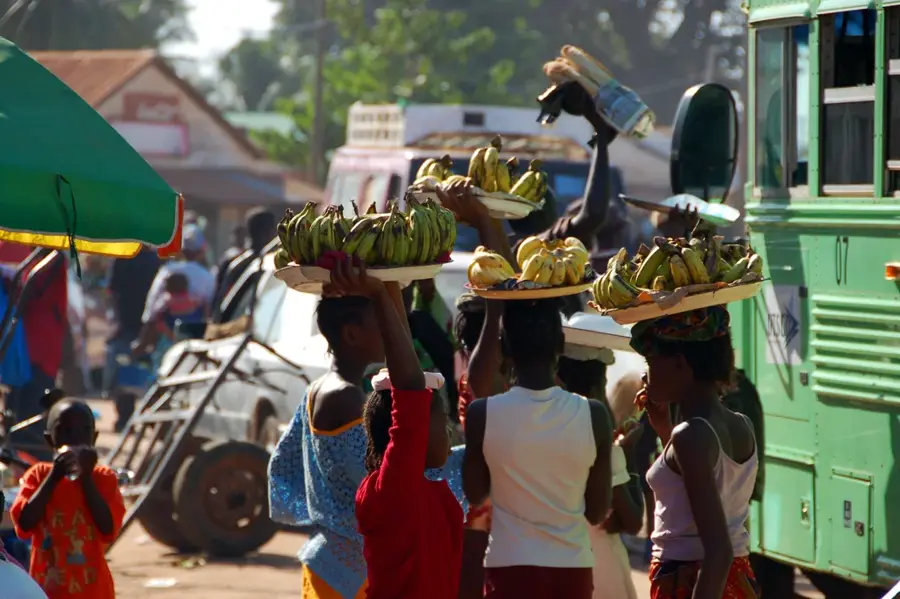
Albert Market is a street market in Banjul, Gambia, offering local goods and food.
Banjul Mosque
Banjul Mosque is a building in Gambia used as a mosque.
Tanbi Wetland Complex
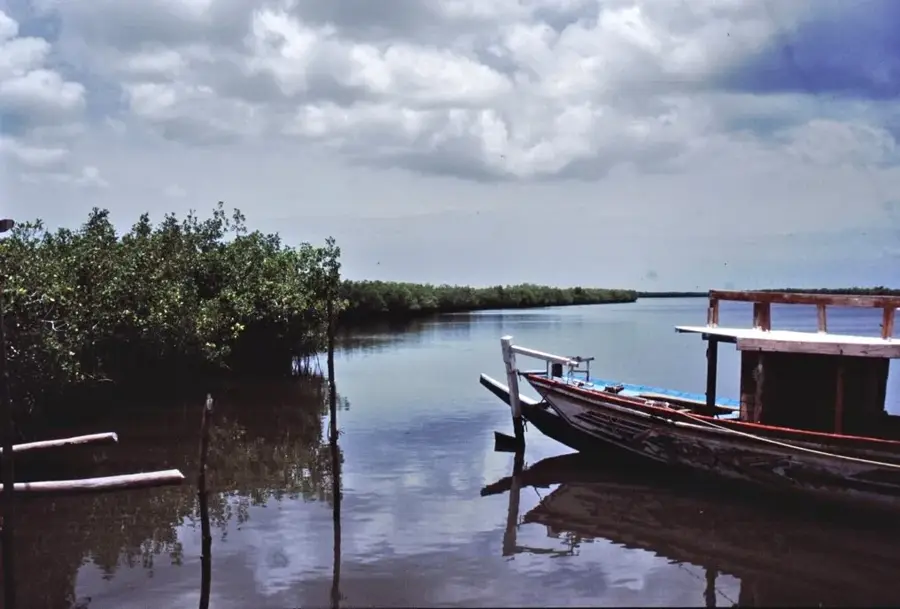
The Tanbi Wetland Complex is a wetland near Banjul, home to birds and mangroves.
Arch 22 Museum🏛 museum
The Arch 22 Museum is located inside the Arch 22 triumphal arch in Banjul, featuring exhibits.
Arch 22
Arch 22 is a triumphal arch in Banjul, the Gambia, a prominent city landmark.
Frequently asked questions
What should you see in Banjul?
How do you get around the city?
Is Banjul a large city?
What is the typical food?
Can you go swimming there?
Banjul: where is it located?
Banjul: what is there to see?
Banjul: when is the best time to visit?
Banjul: why is it worth visiting?

History & landmarks
More places