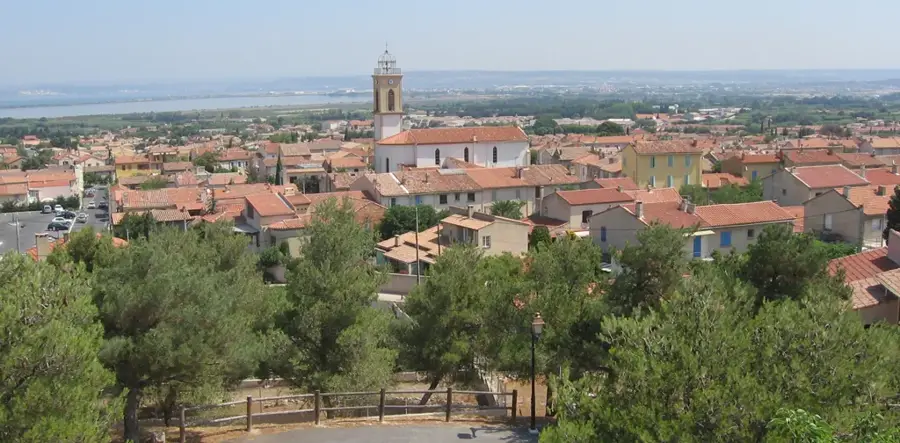
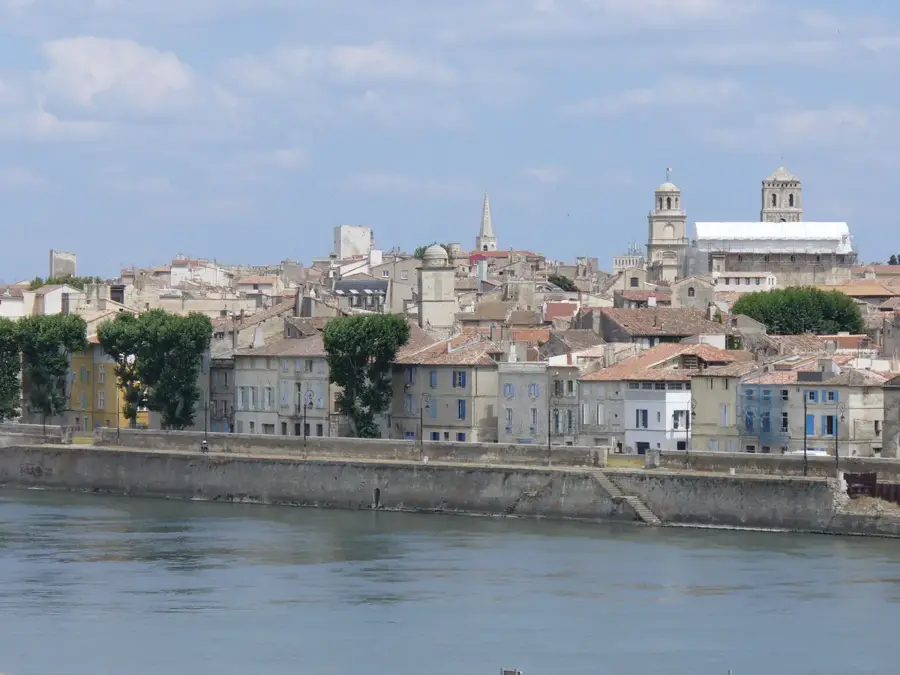
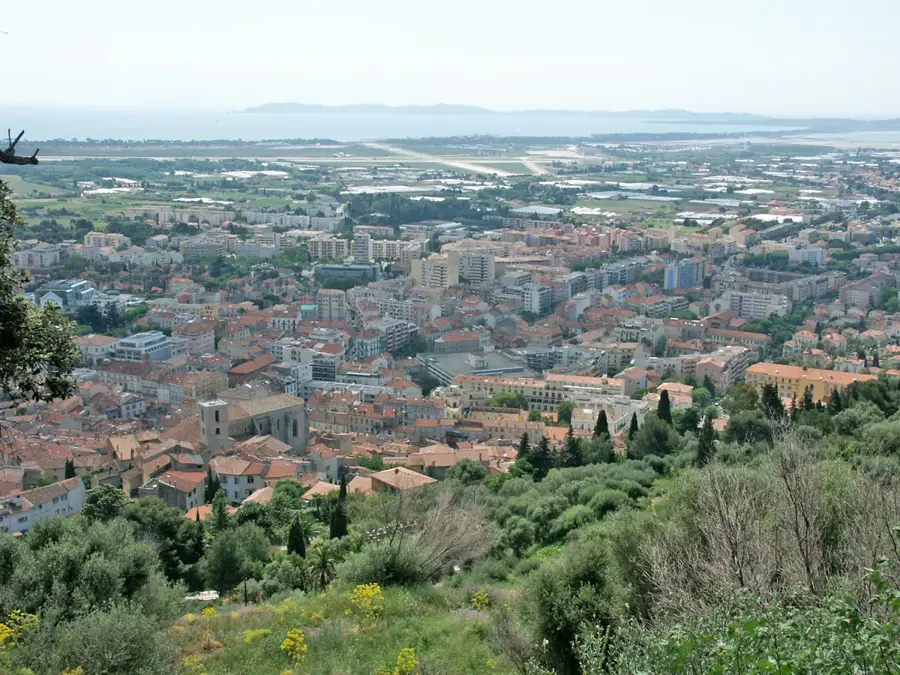
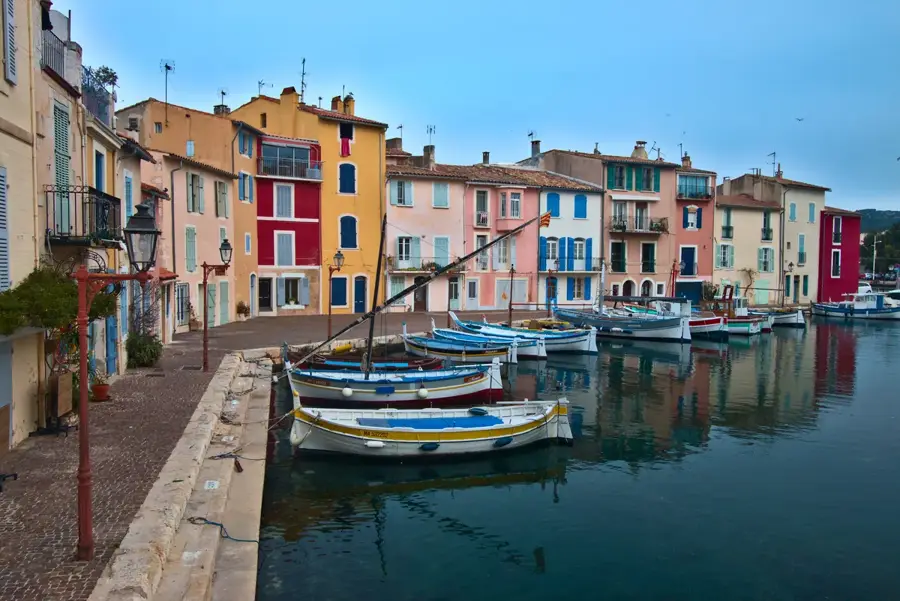
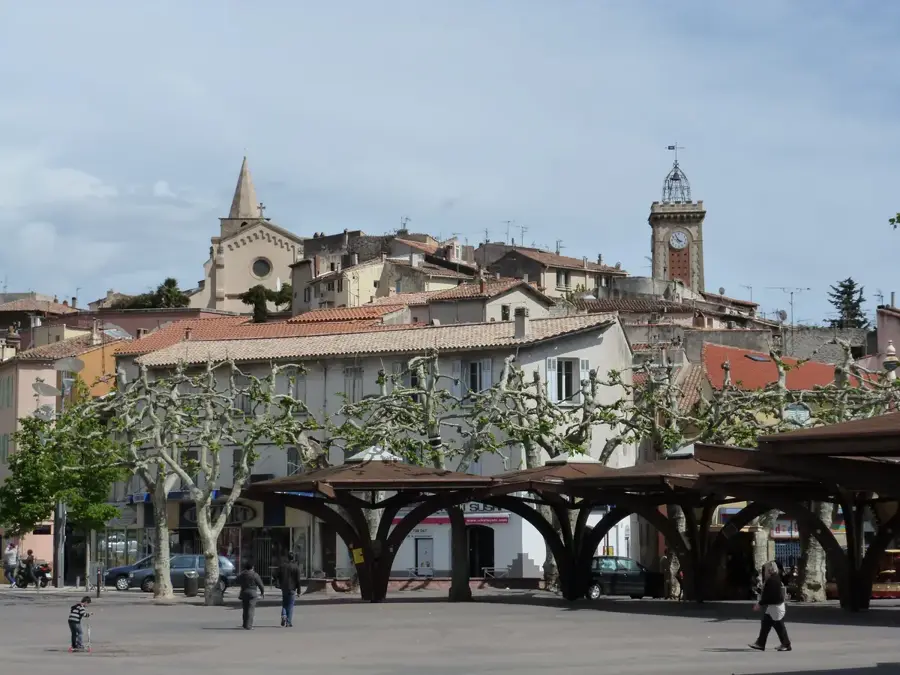
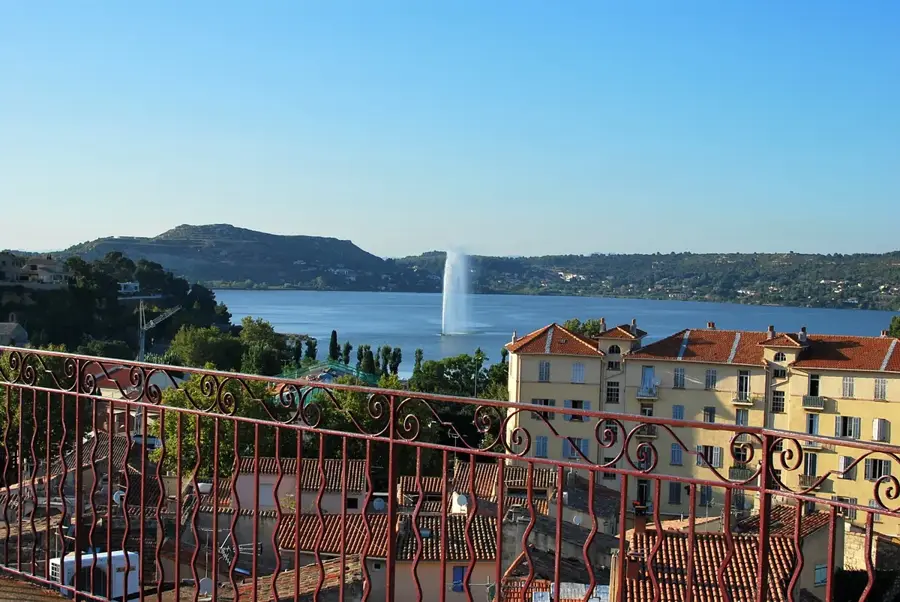
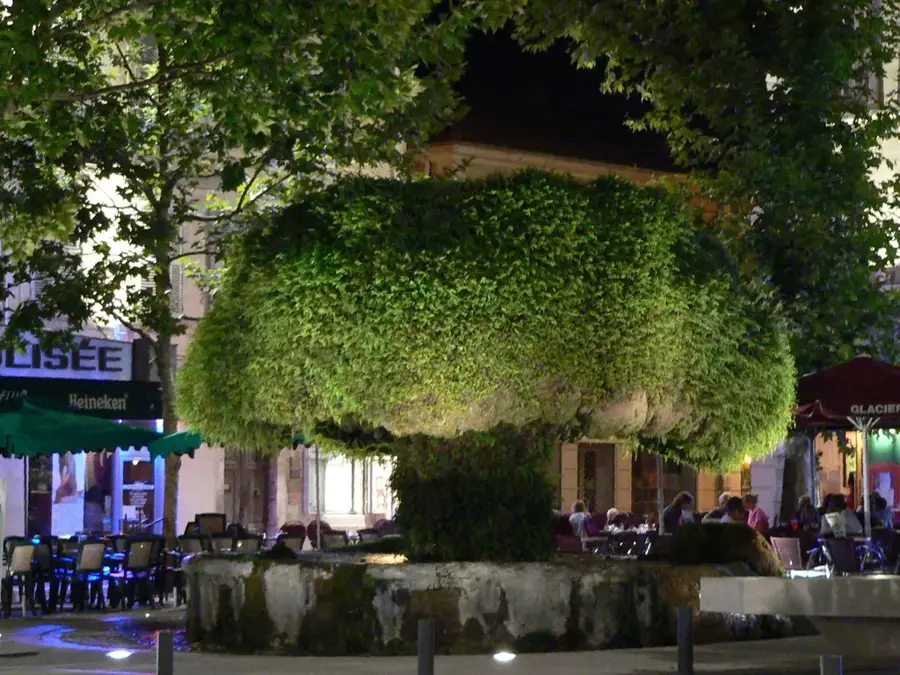
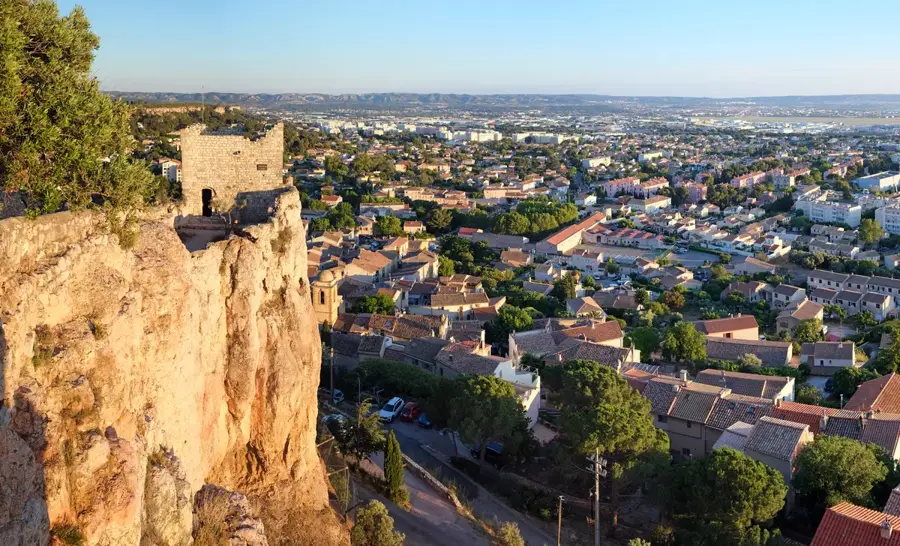
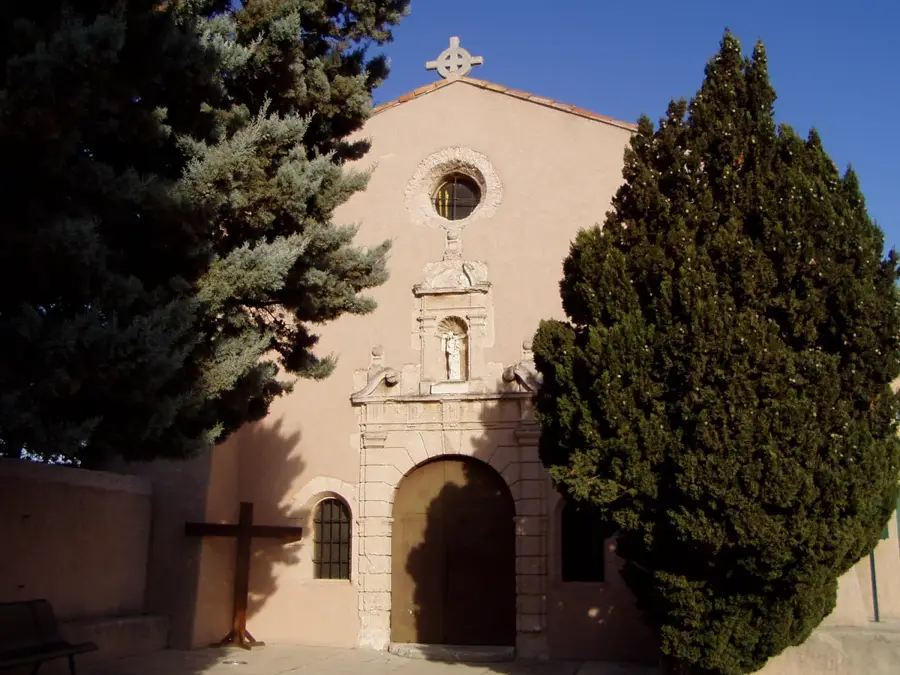
Located in the Bouches-du-Rhône between the Mediterranean Sea and the Étang de Berre, Châteauneuf-les-Martigues is a town defined by its rugged limestone landscape and rich archaeological past. The Chaîne de la Nerthe hills rise sharply behind the town, offering extensive hiking trails and panoramic views over the vast lagoon. The area is highly significant for prehistoric research; the Abri de la Font des Pigeons rock shelter revealed evidence of the Castelnovian culture, an ancient hunter-gatherer society from around 6000 BC. History enthusiasts can explore these ancient roots at the local Castrum Vetus museum, which details the region's long human occupation. Above the modern streets, the Vierge Noire monument stands on a prominent rocky outcrop, serving as both a local landmark and a prime observation point. While the town maintains a working-class and slightly industrial character typical of the Etang de Berre shores, it provides direct access to the untamed nature of the Côte Bleue and its hidden coastal coves just a few kilometers to the south.
Location: Provence-Alpes-Côte d'Azur, France
Top sights: Notre-Dame de l'Étang Chapel · Le Castellas · Church of Sainte-Cécile
Pick weather + travel mode, get a concrete day plan.
09:00→17:354.6 km walk5 places0/5
Day budget: ≈ 22–30 €Entries 26€ · Transport 0€
Start your morning in the charming center, where the Church of Sainte-Cécile and the historic Castrum Vetus offer a glimpse into the local past.
At midday, take a relaxing stroll down to the Fonte aux Pigeons to soak up the historical atmosphere.
In the afternoon, head towards the old Charette to discover a piece of agricultural history.
Your evening concludes with a peaceful walk in the idyllic natural surroundings of Pressoir.
← swipe for more places →
⛪
09:10 · 50'
Church of Sainte-Cécile
Visit this central church to admire its classic architecture, and remember to check the notice board for local choir practice times.
Morning begins at the Church of Sainte-Cécile, an ideal refuge from the drizzling rain. At midday, the Castrum Vetus museum offers indoor protection and a historical journey. Afternoon is spent exploring outdoor historical sites despite the wet weather. The evening ends quietly as the rain softens the colors of the Provençal landscape.
← swipe for more places →
⛪
09:10 · 50'
Church of Sainte-Cécile
The church interior gives shelter from the rain; admire the simple architecture but be careful of the slippery steps when leaving.
A crisp winter morning begins in the silence of the church. At midday, we warm up inside the museum while exploring ancient finds. Afternoon light is clear but cold, perfect for a walk to the springs. Evening arrives early, around 5 PM, plunging the town into an early blue twilight.
← swipe for more places →
⛪
09:10 · 50'
Church of Sainte-Cécile
Thick stone walls keep the cold out; take advantage of the morning silence for a contemplative visit in warm clothing.
Begin your morning in the center with the Church of Sainte-Cécile and the Castrum Vetus museum for a cultural introduction.
At midday, cycle to the Fonte aux Pigeons and the historic Charette on the outskirts.
In the afternoon, your bike takes you to the shady Pins and the remote Notre-Dame de l'Étang Chapel.
Enjoy the evening with a scenic ride finishing at the lush Pressoir.
← swipe for more places →
⛪
09:10 · 50'
Church of Sainte-Cécile
Visit this central church to admire its classic architecture, and remember to check the notice board for local choir practice times.
The morning on two wheels begins with caution on wet roads. At midday, the museum offers a welcome break for drying off and warming up. Afternoon leads through damp nature, where windproof clothing is key. The evening ends early before visibility worsens in the rain.
← swipe for more places →
⛪
09:10 · 50'
Church of Sainte-Cécile
Seek shelter here from the first downpour; the church is a convenient place to adjust your rain gear and enjoy the peace.
A cool bike tour starts in the morning, so wear warm gloves. At midday, the museum is the perfect place to forget the cold for a while. Afternoon we cycle briskly to the chapels before the sun sets. Around 5 PM we end the tour as the winter chill becomes sharply felt.
← swipe for more places →
⛪
09:10 · 50'
Church of Sainte-Cécile
Use the wind-protected entrance of the church for a short break; the stone walls radiate a pleasant permanence in the cold.
Your car trip starts in the historic core, exploring the Castrum Vetus museum and the Church of Sainte-Cécile.
Around midday, drive to the impressive ruins of Le Castellas to enjoy the wonderful views.
The afternoon is defined by the pure nature of the Palun de Marignane and a short stop at Pressoir.
As evening approaches, head to the picturesque Notre-Dame de l'Étang Chapel for a peaceful finish.
← swipe for more places →
🎨
09:10 · 100'
Castrum Vetus
Explore the rich archaeological finds in this museum to understand the town's roots, but keep your bag small as storage space is limited.
Traveling by car offers protection from the rain, but parking lots can be muddy. Morning is for museums and churches to stay dry. At midday, enjoy the viewpoints from the comfort of the car. The evening concludes with a short drive to the chapel, with windshield wipers setting the rhythm.
← swipe for more places →
🎨
09:10 · 100'
Castrum Vetus
Park close to the entrance to get into the museum dry; the interiors offer a fascinating world away from the rain.
In a heated car, the Provençal winter landscape can be explored in comfort. Morning focuses on history, midday on the vast nature. Since it gets dark early in winter, we schedule cliffside stops for the early afternoon. The tour ends at nightfall, 5 PM, in a cozy atmosphere.
← swipe for more places →
🎨
09:10 · 100'
Castrum Vetus
Start the day with a journey through time in the museum, where the temperature is pleasant; the ancient exhibits deserve your full attention.
The Charette is a monument found in Châteauneuf-les-Martigues.
Palun de Marignane - Aire de l'Aiguette🌿 nature
The Palun de Marignane - Aire de l'Aiguette is a nature reserve located in Châteauneuf-les-Martigues.
Frequently asked questions
What is the historical significance of the place?
The site is an important prehistoric location for the Mesolithic era.
What natural beauty is here?
The town is located between the Étang de Berre and the Mediterranean Sea.
Are there museums?
The Museum of Prehistory displays local findings from excavations.
Where can you go hiking?
The hills of the Chaîne de la Nerthe offer great hiking trails with sea views.
Is it far from Marseille?
No, Marseille is only about 25 km to the east.
Châteauneuf-les-Martigues: where is it located?
Châteauneuf-les-Martigues is located in Provence-Alpes-Côte d'Azur, France.
Châteauneuf-les-Martigues: what is there to see?
Highlights include Notre-Dame de l'Étang Chapel, Le Castellas, Church of Sainte-Cécile.
Châteauneuf-les-Martigues: when is the best time to visit?
The most pleasant time to visit is Jun, Aug, Sep.
Châteauneuf-les-Martigues: why is it worth visiting?
Located in the Bouches-du-Rhône between the Mediterranean Sea and the Étang de Berre, Châteauneuf-les-Martigues is a town defined by its rugged limestone landscape and rich archaeological past.