Fabrice Legal Concert
An unforgettable musical evening at Le Club Éphémère in the heart of Libourne.
Plizio Visual Lab
Ribeye steak cooked with a rich red wine and shallot sauce, best enjoyed at a traditional brasserie near the square.
Traditional, soft almond cookies that you can find in local bakeries.
Small pastries with a caramelized crust and a soft, rum-and-vanilla flavored center, ubiquitous in the Bordeaux region.
The open-air and covered market at Place Abel Surchamp is renowned for fresh oysters, cheeses, and regional produce.
Browse for excellent Pomerol and Saint-Émilion vintages in the independent wine shops under the square's arcades.
The newly renovated riverfront promenades along the Isle and Dordogne provide a peaceful walking route.
A lake just outside the town center, popular with locals for quiet walks and recreation away from the traffic.
Water temperature…
An unforgettable musical evening at Le Club Éphémère in the heart of Libourne.
Experience the magic of Coldplay's music performed by candlelight in the prestigious setting of this historic winery.
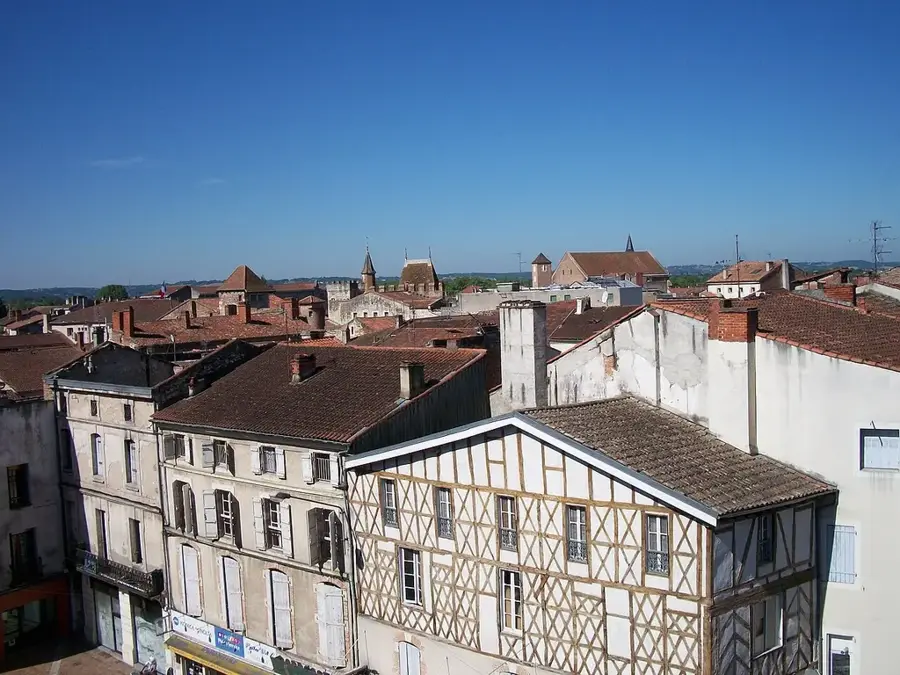
Discover the medieval village from an unusual perspective during this quick and fascinating tour of its iconic rooftops.
Enjoy an exceptional cultural event at this prestigious Grand Cru Classé estate, blending history and refinement.
Recharge your batteries with a rejuvenating yoga session in the peaceful and green setting of this beautiful family-owned estate.
A prestigious stop at Château Coutet for a memorable evening celebrating heritage and local lifestyle in Saint-Émilion.
Learn wellness techniques during this unique workshop focused on facial care, hosted in the heart of the vineyards.
Celebrate the end of the day with a friendly wine tasting and local snacks in the heart of the Fronsac appellation.
Find inner peace with a professional yoga session held in the majestic gardens of this Saint-Émilion estate.
Join a stylish evening in the garden featuring wine, relaxation, and a fun Bingo Chic game at the estate.
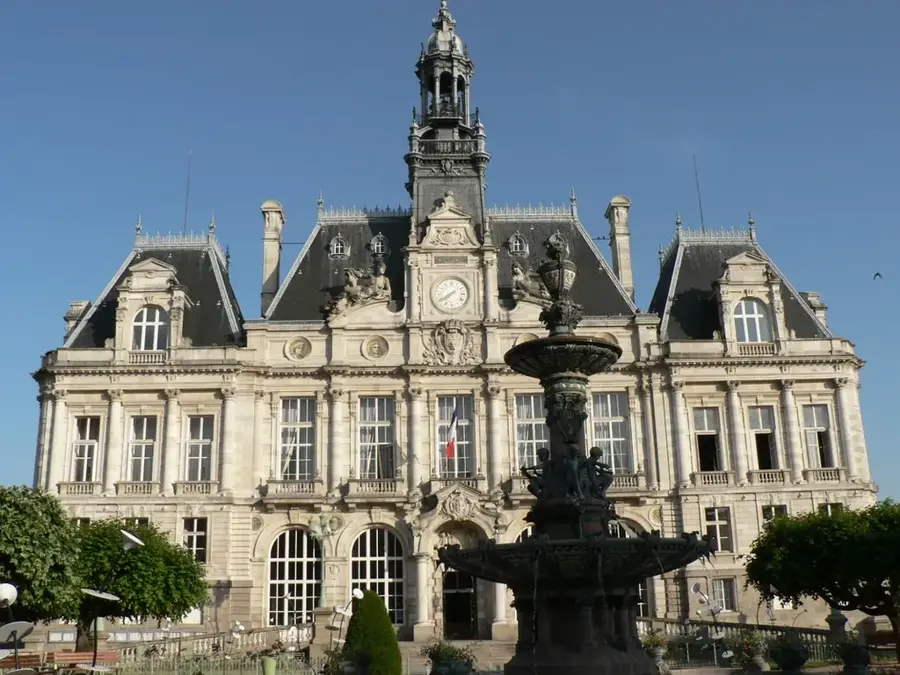
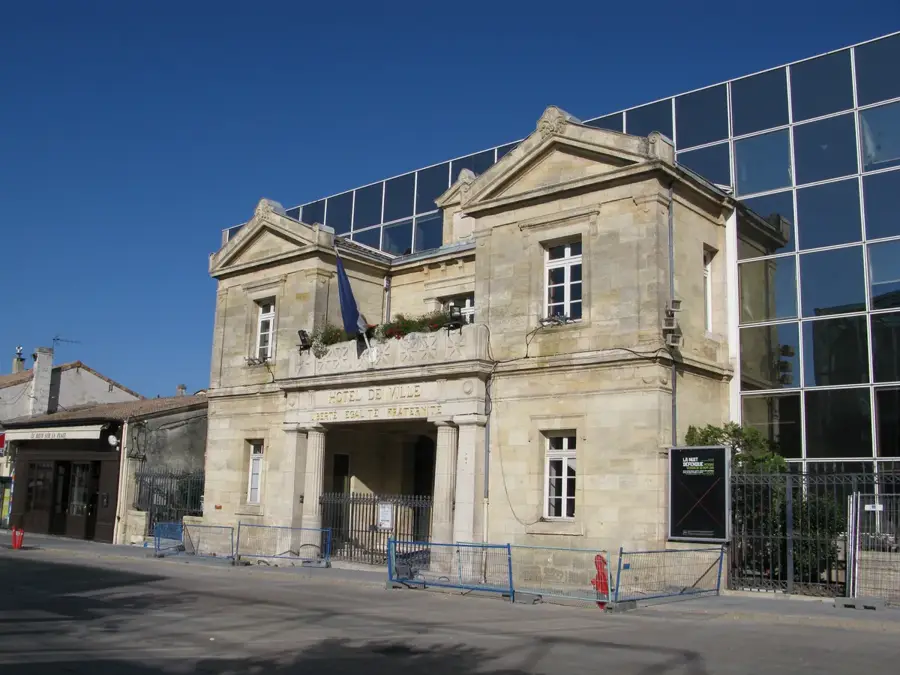
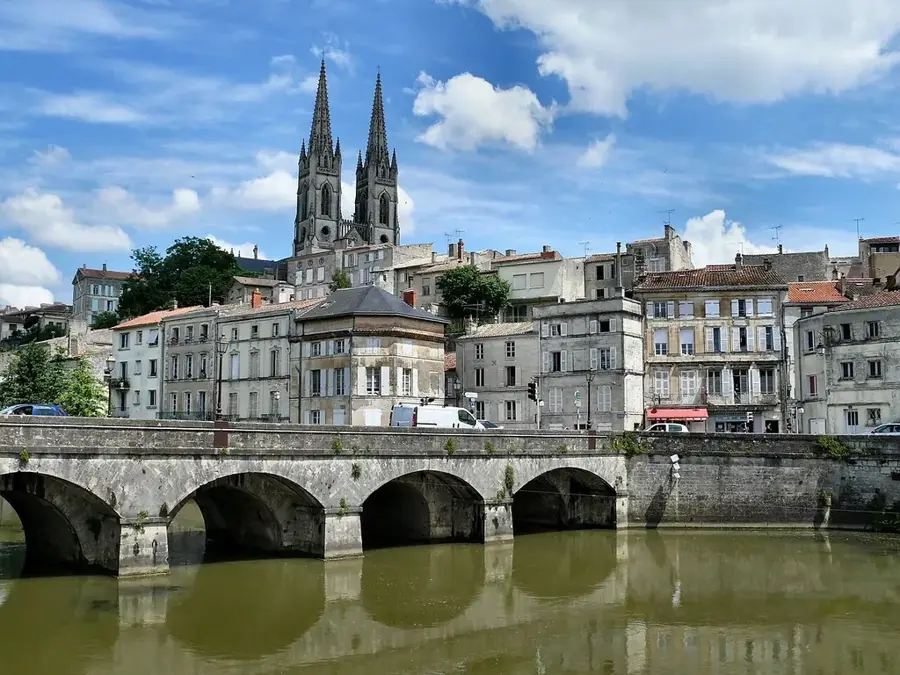
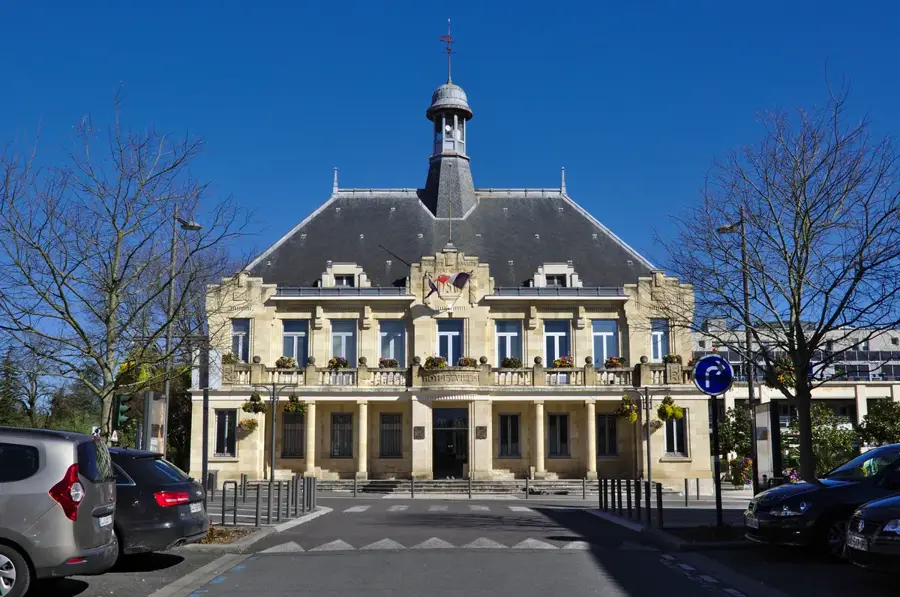
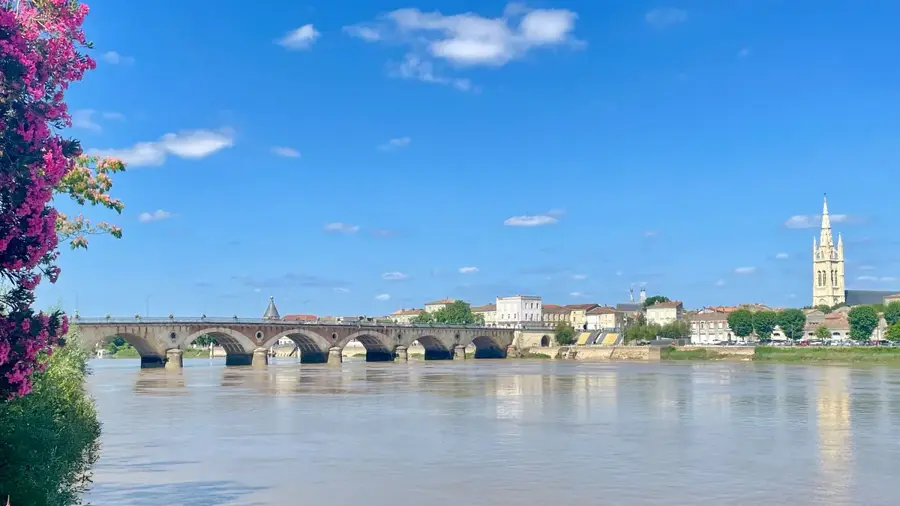
Libourne is a historic city in southwestern France, established in 1270 as a bastide town by Sir Roger de Leybourne under the authority of King Edward I of England. Its strategic location at the confluence of the Isle and Dordogne rivers made it a vital port, especially for the lucrative wine trade of the Bordeaux region. The city's layout follows the classic bastide pattern with a rectangular grid and a central square lined with stone arches. For centuries, Libourne was the primary gateway for exporting wines from Saint-Émilion and Pomerol to northern Europe and beyond. During the Hundred Years' War, it was a focal point of Anglo-French tensions. Today, it serves as the sub-prefecture of the Gironde department and a major hub for the wine industry, hosting numerous 'négociant' houses. Architectural highlights include the 15th-century Town Hall, the remnants of the medieval fortifications such as the Tour du Grand Port, and the Gothic Saint-Jean-Baptiste church. The city balances its rich heritage with a dynamic modern economy focused on commerce and services.
The most pleasant time to visit is Jun–Aug.
| Jan | Feb | Mar | Apr | May | Jun | Jul | Aug | Sep | Oct | Nov | Dec | |
|---|---|---|---|---|---|---|---|---|---|---|---|---|
| Avg °C | 5 | 5 | 9 | 12 | 15 | 20 | 22 | 22 | 19 | 14 | 9 | 5 |
| Rain mm | 78 | 54 | 63 | 65 | 74 | 61 | 47 | 49 | 47 | 67 | 77 | 75 |
Notable places around
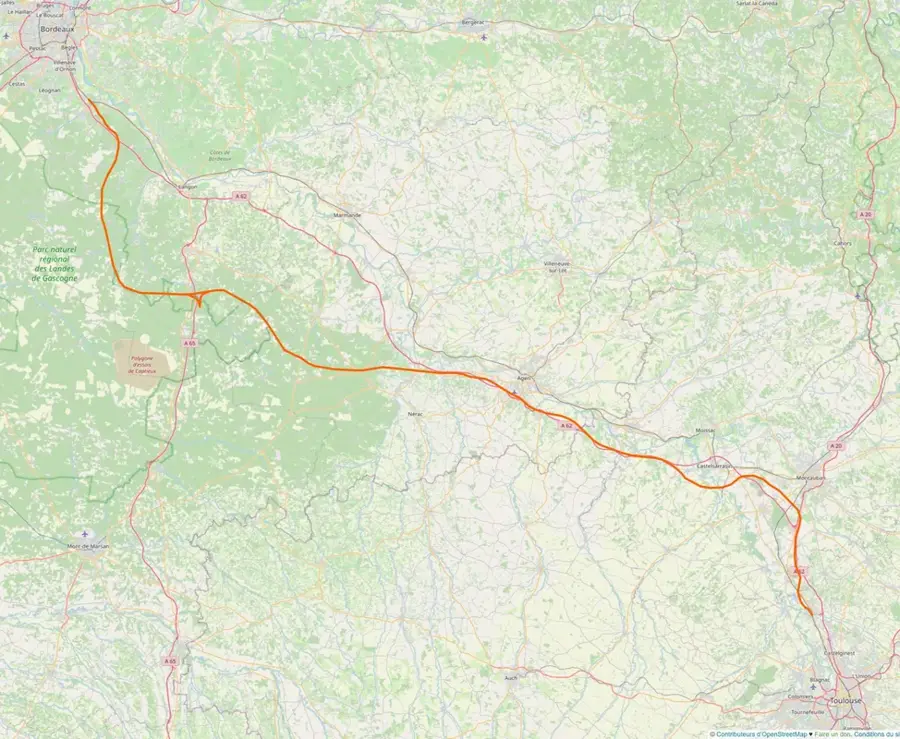
Where do you start? We build the route here, with stops and country notes along the way.
© OpenStreetMap contributors · OpenRouteService